Field Engineering Report: Multi-pass MAG Cobot Integration
Site: Rotterdam Port Industrial Complex, Netherlands
Date: October 2023
Subject: Automated Multi-pass Welding of Heavy-Wall Galvanized Piping
1. Introduction and Scope of Site Operations
This report details the operational implementation of a MAG Cobot Welder system within a high-throughput maritime fabrication facility in Rotterdam, Netherlands. The primary objective was to automate the multi-pass welding of thick-walled (SCH 80) Galvanized Pipe welding assemblies used in ballast water treatment systems. Due to the local labor shortage and the stringent quality requirements of Lloyd’s Register, the facility required a shift from manual Metal Active Gas (MAG) welding to a more reliable Arc Welding Solutions framework.
Rotterdam’s industrial environment demands high corrosion resistance, making galvanized coatings standard. However, welding these materials introduces significant metallurgical challenges, specifically regarding zinc vapor entrapment and intergranular cracking. Our focus was to determine if a collaborative robot could maintain the necessary torch angles and travel speeds to mitigate these risks over a sustained multi-pass sequence.
2. System Architecture: The MAG Cobot Welder and Arc Welding Solutions Synergy
The core of the installation involves a 6-axis MAG Cobot Welder integrated with a high-end digital power source. The synergy between the hardware and the overarching Arc Welding Solutions software is critical. Unlike traditional industrial robots, the cobot allows for “lead-through” programming, which proved essential in the Rotterdam workshop where floor space is at a premium and batch sizes vary.
2.1 Hardware Integration
We utilized a pulsed-MAG power source capable of rapid waveform adjustments. This is where the Arc Welding Solutions package becomes vital; it provides the communication bridge between the cobot’s motion controller and the power source’s wire feed speed (WFS) and voltage parameters. In multi-pass applications, the software must account for the changing geometry of the weld groove after each pass. We implemented a “touch-sensing” routine where the cobot uses the wire or a gas nozzle to find the pipe’s center and adjust its trajectory to compensate for fit-up tolerances.
2.2 Software and Logic
The Arc Welding Solutions utilized on-site included a specialized multi-pass module. This allowed us to program the root pass and then “offset” subsequent fill and cap passes. In Rotterdam’s high-humidity coastal air, the consistency of the arc is often compromised by fluctuating moisture levels; the digital control system compensated for these fluctuations by adjusting the arc length in real-time, a feat manual welders struggled to maintain over an eight-hour shift.

3. Technical Challenges in Galvanized Pipe Welding
Galvanized Pipe welding is notoriously difficult due to the low boiling point of zinc (907°C) compared to the melting point of steel (~1500°C). When the arc hits the galvanized layer, the zinc vaporizes instantly. If this vapor is trapped in the weld pool, it results in gross porosity and “wormholes.”
3.1 Pre-Welding Preparation
Lessons learned in the field confirmed that even with a MAG Cobot Welder, mechanical removal of the zinc coating 20mm from the weld prep is non-negotiable. However, residual zinc always remains. To counter this, we adjusted the Arc Welding Solutions parameters to include a specific “zinc-burn” pulse profile. This involves a slightly longer arc length and a slower travel speed for the root pass to allow the zinc vapor to escape ahead of the molten pool.
3.2 Gas Selection and Fume Management
We moved away from standard M21 gas (80% Ar / 20% CO2) to a ternary blend with a higher CO2 content for the galvanized sections. The increased CO2 provides a more “active” arc that helps oxidize the zinc. Furthermore, because the MAG Cobot Welder operates in close proximity to human technicians, we integrated a high-vacuum fume extraction system directly onto the torch. In a Rotterdam workshop, local environmental regulations regarding hexavalent chromium and zinc oxide fumes are strictly enforced.
4. Multi-pass Execution Strategy
The project involved 8-inch SCH 80 piping, requiring a root, two fill passes, and a weave cap. The MAG Cobot Welder was programmed with the following logic:
4.1 The Root Pass
For the root, we utilized a modified short-circuit transfer. The cobot’s ability to maintain a consistent 2.5mm root gap was tested. By using the Arc Welding Solutions “Adaptive Fill” feature, the system could detect if the gap widened and would automatically slow the travel speed and increase the oscillation width. This prevented the “blow-through” common in manual Galvanized Pipe welding.
4.2 Fill and Cap Passes
For the fill passes, we transitioned to a spray-transfer mode. The cobot’s precision is paramount here. A human welder often fatigues during the second fill pass, leading to slag inclusions at the toes of the weld. The MAG Cobot Welder maintained a consistent 75-degree push angle, ensuring deep penetration and a flat bead profile. For the cap, we programmed a slight 2Hz weave to ensure proper tie-in to the pipe’s outer diameter, resulting in an aesthetically superior finish that passed 100% X-ray inspection.
5. Field Observations and Lessons Learned
Deploying a MAG Cobot Welder in a busy Dutch shipyard environment revealed several practical insights that aren’t found in the manuals:
- Grounding Issues: Galvanized coatings act as an insulator. We had to ensure a dedicated “rotary ground” was clamped directly to a cleaned section of the pipe to prevent arc hunting, which can confuse the cobot’s collision detection sensors.
- Wire Selection: We switched to a silicon-bronze-enhanced ER70S-6 wire. The additional deoxidizers in the wire reacted favorably with the trace zinc, significantly reducing spatter.
- Heat Input: Multi-pass welding on galvanized steel requires careful interpass temperature control. If the pipe gets too hot, the zinc on the *inside* of the pipe begins to vaporize and can blow through the root. We programmed “cooling pauses” into the Arc Welding Solutions logic, allowing the pipe to drop below 200°C between passes.
6. Productivity and Quality Metrics
Prior to integrating the MAG Cobot Welder, the workshop’s reject rate on Galvanized Pipe welding was approximately 12%, mostly due to porosity found during ultrasonic testing (UT). After two months of operating with the Arc Welding Solutions framework, the reject rate dropped to under 1.5%.
In terms of speed, the cobot does not necessarily “weld faster” than a human in terms of inches per minute—physics dictates the travel speed for a given heat input. However, the “Arc-On Time” (duty cycle) increased from 35% to 70%. The cobot does not need to stop to adjust its position or change its grip, which is crucial for the continuous circular paths required in pipe welding.
7. Conclusion
The implementation of the MAG Cobot Welder in Rotterdam has proven that automation is not just for high-volume automotive lines. By leveraging sophisticated Arc Welding Solutions, we successfully tackled the complexities of Galvanized Pipe welding in a heavy industrial setting. The key to success was not just the robotic arm, but the integration of adaptive software and a deep understanding of the metallurgical challenges posed by zinc coatings. For future deployments, we recommend a “standardized prep” protocol to ensure the cobot’s sensors can operate without interference from insulating coatings.
Prepared by:
Senior Welding Engineer
Rotterdam Field Office
-
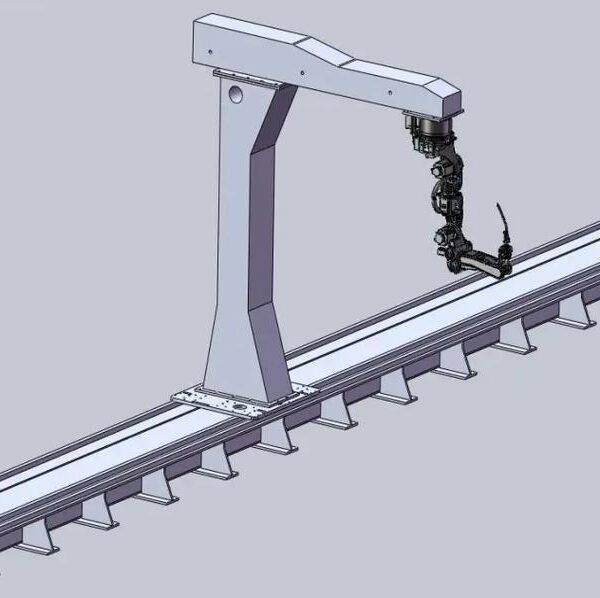

Cantilever Welding Robot solution
-
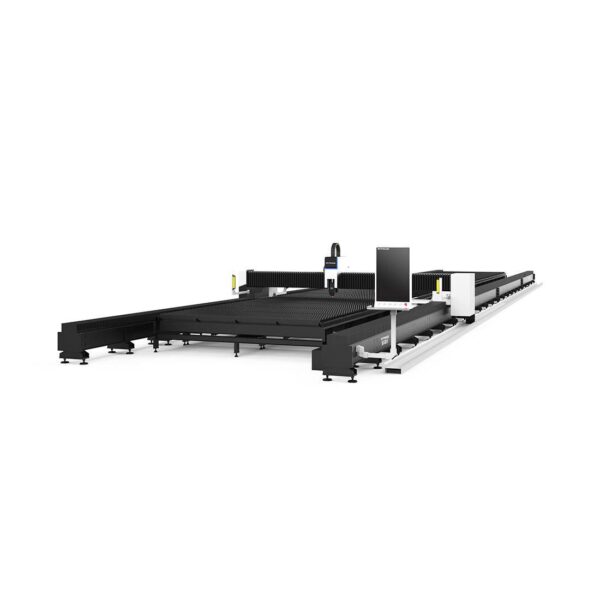

GF laser cutting machine
-
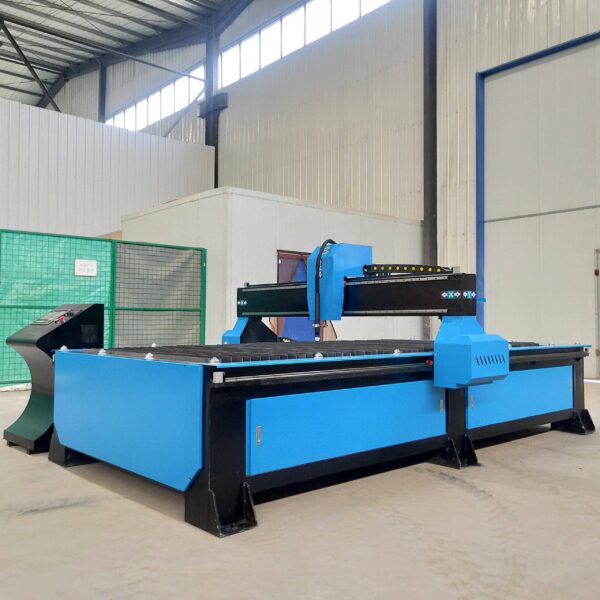
P3015 plasma cutting machine
-

LFP3015 Fiber Laser Cutter
-
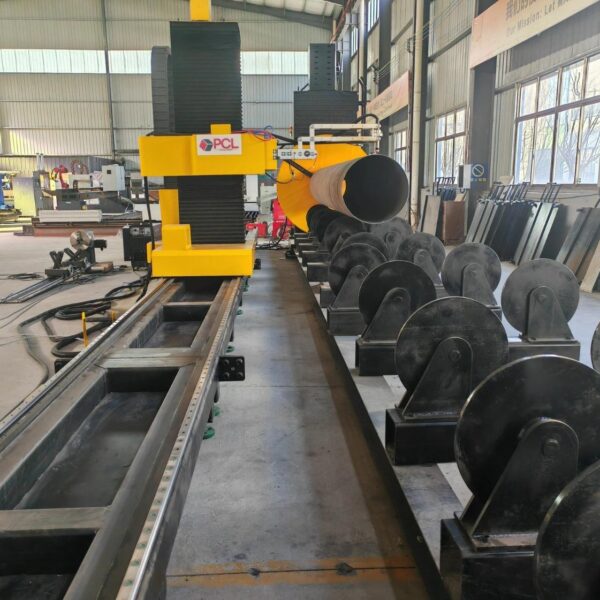
pipe plasma cutting machine
-
LFH 4020 Fiber Laser Cutting Machine
-
LFP4020
-
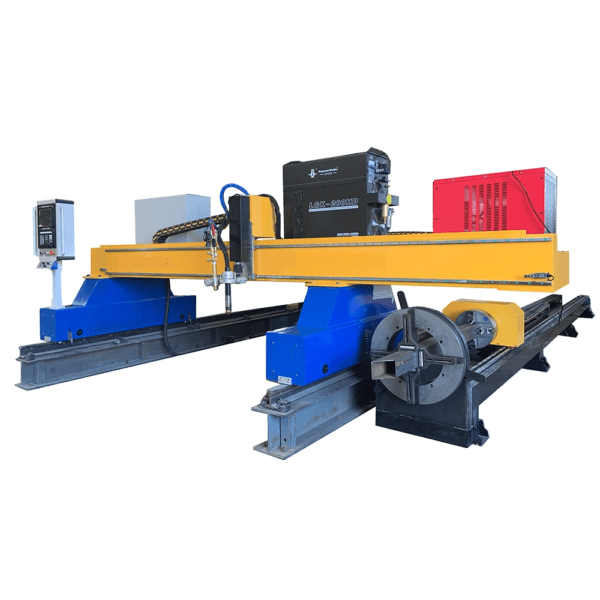
gantry plasma air cutting machine
-
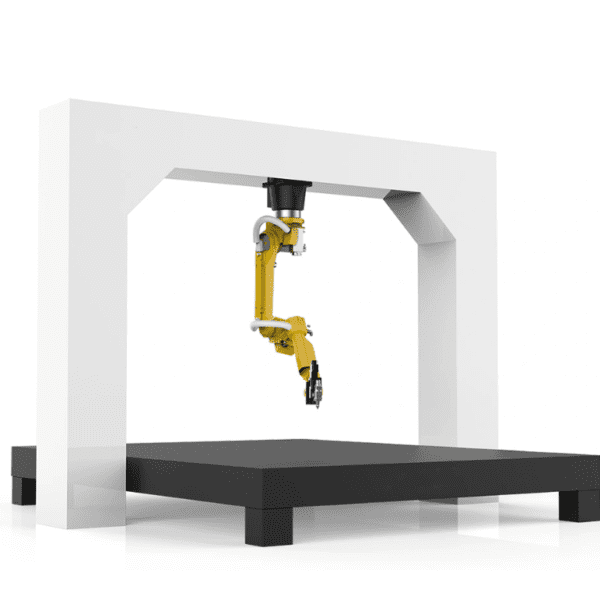
3D robot cutting machine
-
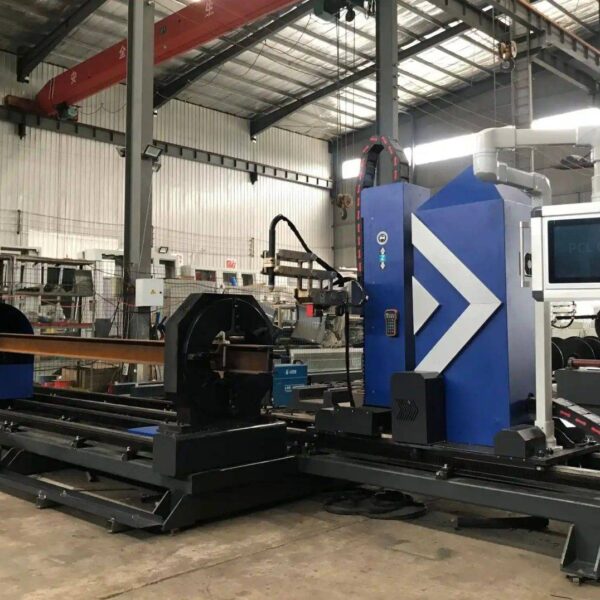
8 axis plasma cutting machine
-
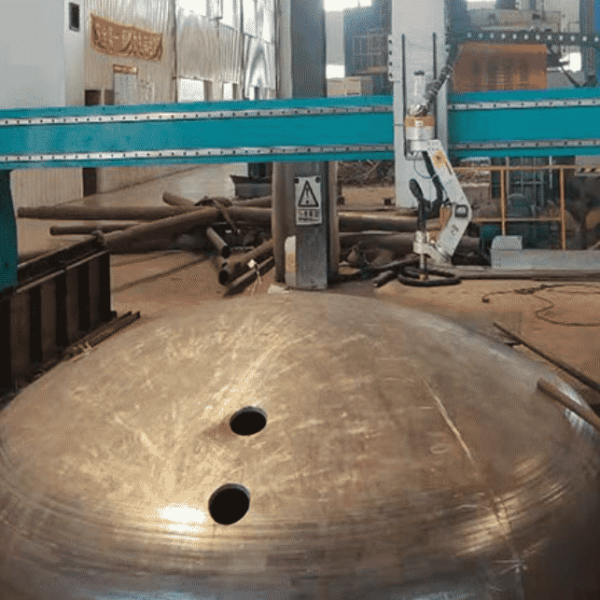
5 axis plasma cutting machine
-

LT360 tube laser cutting machine
-
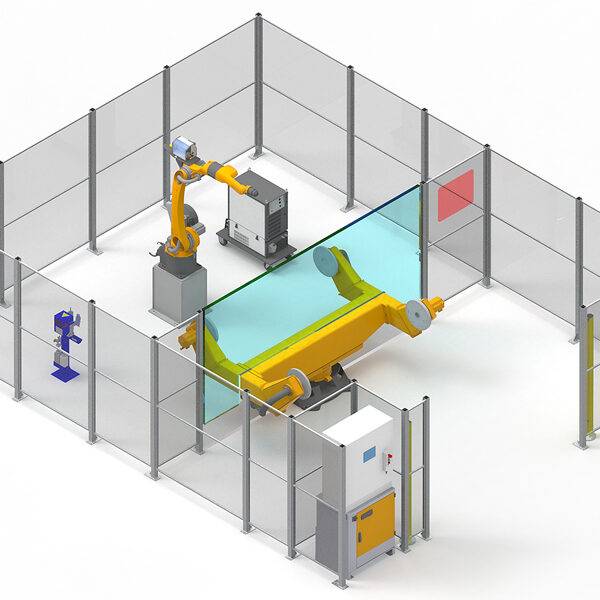
robot welding workstation
-
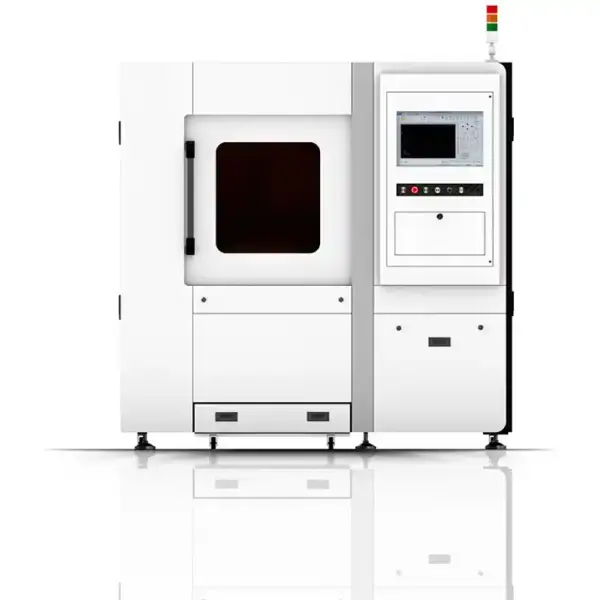
SF6060 fiber laser cutting machine
Advanced Fiber Laser Tube Processing Technology
Our CNC Fiber Laser Tube Cutting systems revolutionize metal fabrication by integrating high-precision cutting, punching, and profiling into a single automated workflow. Designed for versatility, this technology handles a wide array of profiles including Round, Square, Rectangular, and Oval tubes, as well as complex L-shaped and U-shaped channels.
- Precision Punching: High-speed hole punching with micron-level accuracy, eliminating the need for mechanical drilling or die-stamping.
- Complex Profiling: Advanced 3D pathing allows for intricate interlocking joints and specialized notch cuts, ideal for structural frames.
- High Material Efficiency: Intelligent nesting software minimizes scrap, reducing raw material costs across large production runs.
- Clean Finish: Delivers oxide-free, burr-free edges that require zero secondary grinding before welding.

Seamlessly processing multiple profiles with consistent precision.
Global Delivery & Logistics



From our high-tech manufacturing facility directly to your global site. PCL WeldCut ensures secure packaging, professional handling, and reliable international logistics to safeguard your equipment throughout the entire journey.