Field Engineering Report: Implementation of Low-Spatter MIG/MAG Welding Robot in Budapest
This report details the technical deployment and optimization of a robotic welding cell at an industrial facility in the Csepel district of Budapest, Hungary. The project objective was the automation of high-volume thin-walled galvanized pipe welding for a municipal infrastructure contract. As a senior engineer on-site, the focus was not merely on installation, but on the successful synergy between the MIG/MAG Welding Robot and high-end Arc Welding Solutions to mitigate the inherent metallurgical challenges of zinc-coated substrates.
Project Overview and Site Specifics
The Budapest facility operates under European EN ISO standards, requiring stringent weld quality and aesthetic consistency. The primary workpiece involved 48mm and 60mm diameter galvanized steel pipes with a coating thickness of 20 microns. Historically, manual welding resulted in excessive spatter, inconsistent penetration, and high post-weld cleanup costs due to the explosive vaporization of the zinc layer.
To address this, we transitioned the production line to a 6-axis MIG/MAG Welding Robot integrated with a digital power source capable of high-frequency waveform modulation. The goal was to achieve a “low-spatter” state, which is notoriously difficult when Galvanized Pipe welding is the primary application.
Technical Challenge: The Zinc Vapor Barrier
The fundamental issue with Galvanized Pipe welding is the disparity between the boiling point of zinc (approx. 907°C) and the melting point of steel (approx. 1500°C). During the arc process, the zinc coating vaporizes before the steel melts. If the MIG/MAG Welding Robot is not perfectly synchronized with the power source’s pulse frequency, these vapors become trapped in the weld pool, causing porosity and “spatter explosions” that foul the gas nozzle and the workpiece.
Metallurgical Impact of Spatter
In the Budapest workshop, we observed that standard CV (Constant Voltage) welding caused spatter to fuse with the galvanized surface surrounding the joint. This required manual grinding, which compromised the remaining zinc protection and increased labor costs by 22%. The shift to advanced Arc Welding Solutions was necessitated by the need to control the short-circuiting phase of the metal transfer.
Implementing the MIG/MAG Welding Robot
The deployment of the MIG/MAG Welding Robot allowed for a degree of torch angle consistency that no manual welder could sustain over an 8-hour shift. In Galvanized Pipe welding, the “push” vs. “pull” angle determines the direction of vapor escape. We programmed the robot with a 10-degree push angle to allow zinc vapors to exit the molten pool ahead of the arc.
Robot Pathing and Repeatability
Using the robot’s Teach Pendant, we mapped the circular interpolation required for the pipe joints. In Budapest, the ambient temperature fluctuations in the warehouse (ranging from 5°C in winter to 35°C in summer) required us to implement thermal compensation protocols in the robot’s software to ensure the TCP (Tool Center Point) remained accurate to within 0.08mm. This precision is critical; even a 1mm deviation in the arc’s aim can lead to asymmetrical heat distribution and burn-through on thin-walled pipes.
Integration of Arc Welding Solutions
The “Low-Spatter” designation is not a function of the robot alone, but of the Arc Welding Solutions (the power source and control software) driving the process. We utilized a modified short-circuit transfer mode, often referred to in the field as “Surface Tension Transfer” or “Cold Metal Transfer” logic.
Waveform Tuning
We spent forty-eight hours on-site in Budapest fine-tuning the current waveform. By rapidly dropping the current at the moment of droplet detachment, we minimized the “pinch effect” force that typically causes spatter. This digital control is what separates basic automation from high-end Arc Welding Solutions. For the Galvanized Pipe welding specifically, we introduced a “pulse-on-pulse” frequency that agitated the weld pool, encouraging the escape of trapped gases and significantly reducing subsurface porosity.
Lessons Learned: Gas Composition and Wire Selection
A critical lesson learned at the Budapest site involved the shielding gas. Initially, the facility used a standard 82% Argon / 18% CO2 mix. While stable for mild steel, it provided too much heat for the thin galvanized coatings. We pivoted to a 92% Argon / 8% CO2 mixture.
Shielding Gas Dynamics
The higher Argon content narrowed the arc column, concentrating the energy on the wire tip rather than the surrounding zinc coating. This reduced the volume of zinc vaporized per millimeter of weld. When combined with the high-speed wire feed adjustments of the MIG/MAG Welding Robot, the spatter levels dropped to a point where post-weld cleaning was reduced to a simple wipe-down rather than mechanical grinding.
Consumable Optimization
We also switched to a silicon-bronze (CuSi3) filler wire for specific non-structural aesthetic joints on the pipes. While technically a “brazing” process, using the MIG/MAG Welding Robot with these Arc Welding Solutions allowed us to join the galvanized pipes below the vaporization temperature of the zinc, effectively eliminating the spatter issue entirely for those specific assemblies.
Operational Results and Data Analysis
After three months of operation in Budapest, the data confirmed the efficacy of the system:
- Cycle Time: Reduced by 35% compared to manual welding.
- Rework Rate: Dropped from 12% to 0.5%.
- Consumable Life: Nozzle life increased by 300% due to the reduction in spatter buildup.
The Synergy Factor
The success of the project stemmed from the synergy between the MIG/MAG Welding Robot and the specialized Arc Welding Solutions. The robot provides the spatial precision, but the welding software provides the “intelligence” to handle the volatile nature of Galvanized Pipe welding. Without the high-speed communication between the robot controller and the power source (via EtherCAT or similar fieldbus), the low-spatter performance would be impossible to maintain at high travel speeds.
Maintenance and Long-term Reliability
A key “field note” for other engineers: The automated torch cleaner (reamer) is not optional. In Galvanized Pipe welding, even “low-spatter” setups produce a fine zinc oxide dust. This dust is conductive and can cause internal shorting in the torch head if not purged regularly. We programmed the MIG/MAG Welding Robot to perform a cleaning cycle every 10 workpieces, which ensured arc stability throughout the production run.
Conclusion
The Budapest installation serves as a benchmark for how Arc Welding Solutions can be tailored to specific material challenges. By focusing on the physics of the arc and the mechanical precision of the MIG/MAG Welding Robot, we transformed a difficult Galvanized Pipe welding operation into a streamlined, low-maintenance production line. The primary takeaway for the engineering team is that “low-spatter” is an ecosystem, not a single setting; it requires the right gas, the right waveform, and the right torch pathing to overcome the metallurgical hurdles of zinc coatings.
Recommendations for Future Deployments
- Always prioritize digital communication between the robot and power source to allow real-time waveform adjustments.
- Invest in high-quality wire feed systems; any “chatter” in the wire delivery will negate the benefits of low-spatter software.
- Ensure the workshop’s gas delivery system is stabilized; pressure drops in the Budapest facility initially caused arc wandering until we installed localized surge tanks.
End of Report.
Senior Welding Engineer, Field Operations
-
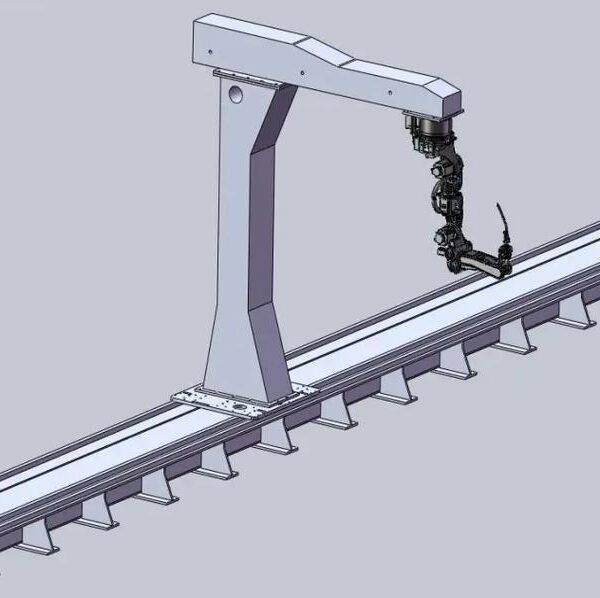

Cantilever Welding Robot solution
-
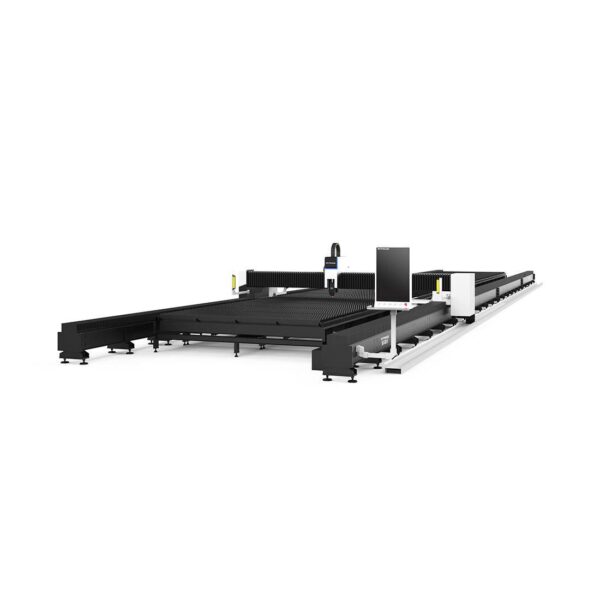

GF laser cutting machine
-
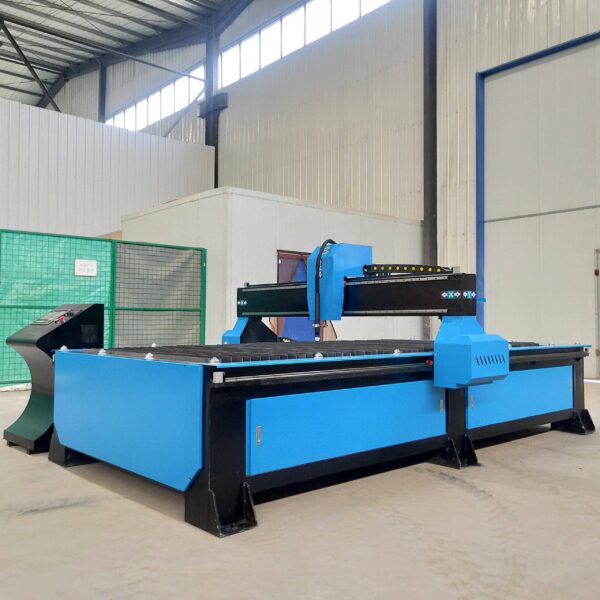
P3015 plasma cutting machine
-

LFP3015 Fiber Laser Cutter
-
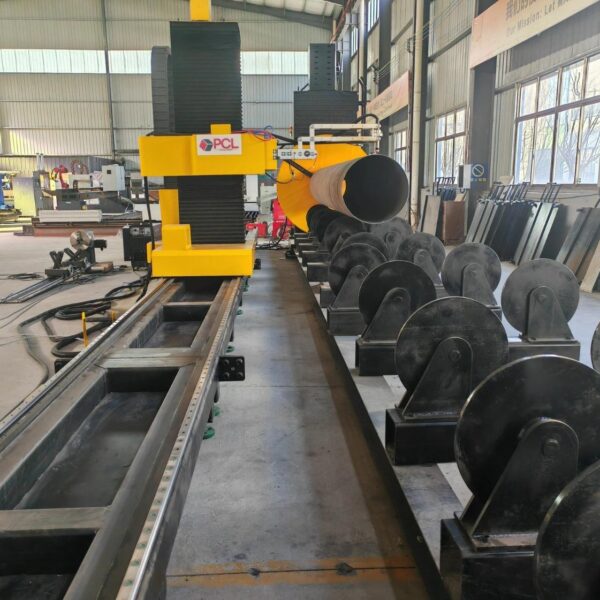
pipe plasma cutting machine
-
LFH 4020 Fiber Laser Cutting Machine
-
LFP4020
-
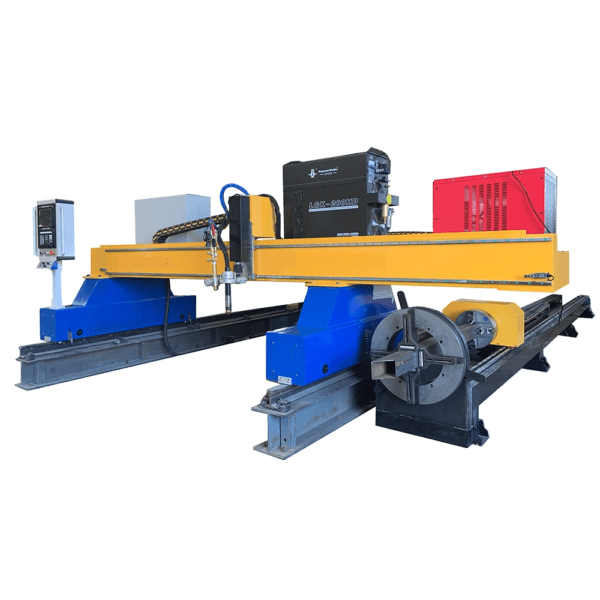
gantry plasma air cutting machine
-
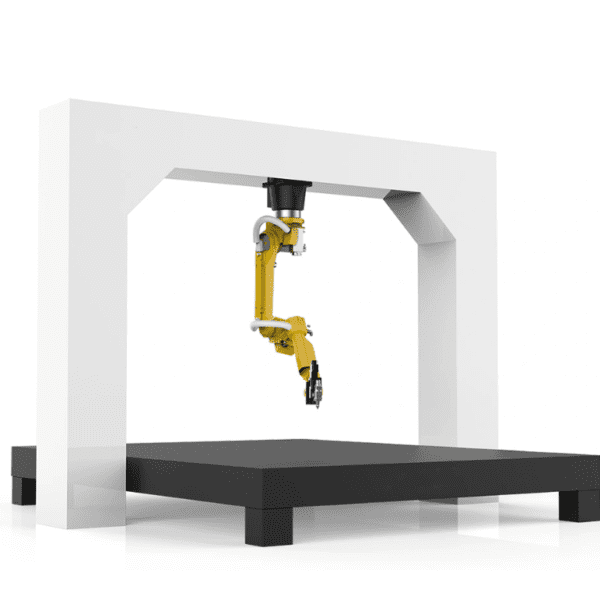
3D robot cutting machine
-
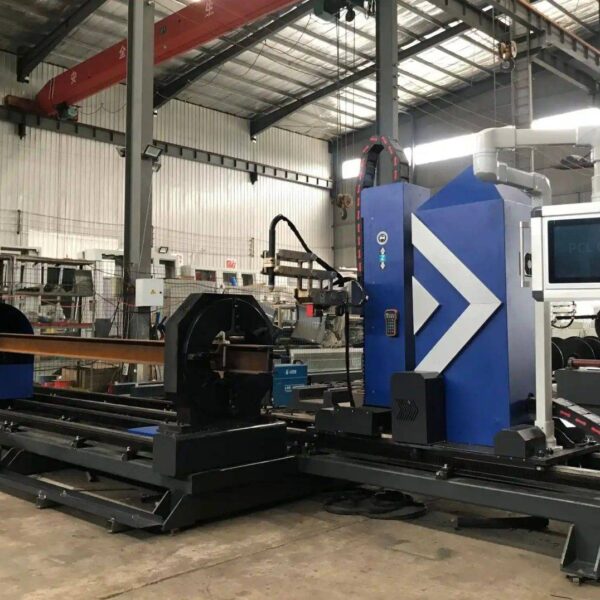
8 axis plasma cutting machine
-
5 axis plasma cutting machine
-

LT360 tube laser cutting machine
-
robot welding workstation
-
SF6060 fiber laser cutting machine
Advanced Fiber Laser Tube Processing Technology
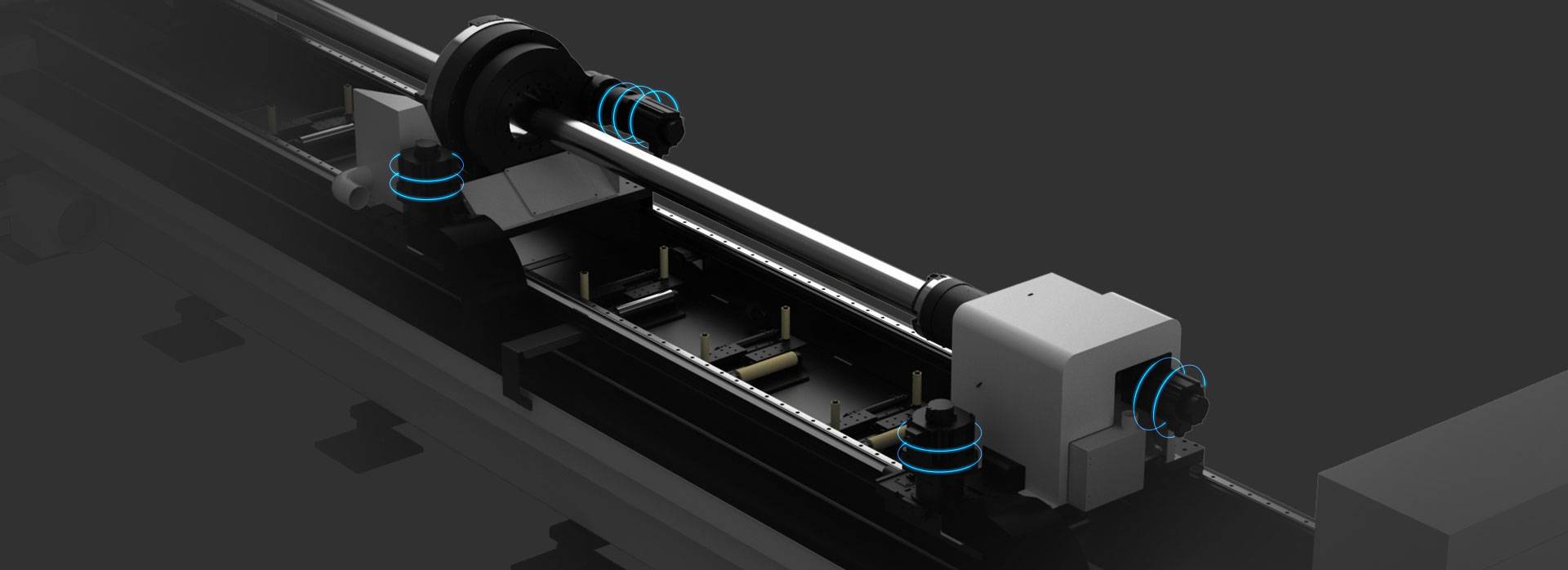
Our CNC Fiber Laser Tube Cutting systems revolutionize metal fabrication by integrating high-precision cutting, punching, and profiling into a single automated workflow. Designed for versatility, this technology handles a wide array of profiles including Round, Square, Rectangular, and Oval tubes, as well as complex L-shaped and U-shaped channels.
- Precision Punching: High-speed hole punching with micron-level accuracy, eliminating the need for mechanical drilling or die-stamping.
- Complex Profiling: Advanced 3D pathing allows for intricate interlocking joints and specialized notch cuts, ideal for structural frames.
- High Material Efficiency: Intelligent nesting software minimizes scrap, reducing raw material costs across large production runs.
- Clean Finish: Delivers oxide-free, burr-free edges that require zero secondary grinding before welding.

Seamlessly processing multiple profiles with consistent precision.
Global Delivery & Logistics



From our high-tech manufacturing facility directly to your global site. PCL WeldCut ensures secure packaging, professional handling, and reliable international logistics to safeguard your equipment throughout the entire journey.