Field Engineering Report: Implementation of Low-Spatter MAG Cobot Welder in Heavy Fabrication
1. Project Overview and Site Conditions
This report details the technical deployment and performance validation of a low-spatter MAG Cobot Welder system at a heavy machinery manufacturing facility in the Hostivař industrial district of Prague, Czech Republic. The facility primarily handles high-tensile structural components for the European construction sector, necessitating a transition from manual Metal Active Gas (MAG) processes to automated Arc Welding Solutions to address skilled labor shortages and increasing throughput demands.
The primary challenge at this site involves Thick Plate Steel welding, specifically S355JR and S355J2+N grades ranging from 15mm to 30mm in thickness. Prior to this implementation, the workshop relied on manual spray-transfer MAG, which, while effective for penetration, resulted in significant post-weld cleanup due to spatter and intensive heat-affected zones (HAZ). The introduction of a collaborative robot (cobot) integrated with advanced waveform control was designed to bridge the gap between high-deposition rates and precision finish.
2. Technical Configuration: The MAG Cobot Welder
2.1 Hardware Integration
The core of the installation is a 10kg-payload collaborative arm mounted on a mobile, high-torsion welding carriage. Unlike traditional industrial robots, this MAG Cobot Welder allows the Prague-based operators to perform hand-guiding lead-through programming, which is essential for the varied geometries of heavy machine frames. The system is interfaced with a 500A power source capable of high-frequency inverter switching to support modified pulsed-arc regimes.
2.2 Synergic Waveform Control
To achieve a “low-spatter” result on Thick Plate Steel welding, we moved away from standard globular transfer. We implemented a proprietary surface tension transfer modification. By monitoring the electrical arc parameters at microsecond intervals, the system anticipates the droplet detachment. Just before the short circuit occurs, the current is dropped, allowing the molten metal to flow into the weld pool via surface tension rather than being “exploded” across the workpiece. In the Prague workshop, this reduced post-weld grinding time by approximately 75%.
3. Optimizing Arc Welding Solutions for Heavy Sections
3.1 Gas Dynamics and Consumables
A critical component of our Arc Welding Solutions was the gas management strategy. In the Czech market, standard 82% Argon / 18% CO2 mixes are prevalent. However, for the deep penetration required in 25mm V-butt joints, we optimized the flow rate at 18 L/min using a localized gas lens to ensure laminar flow. This is crucial when the cobot is moving at constant speeds; any turbulence in the shielding gas leads to porosity, which is a non-starter for EN ISO 5817 Level B compliance.
3.2 Wire Feed Consistency
For Thick Plate Steel welding, we utilized a 1.2mm G4Si1 (ER70S-6) solid wire. The cobot’s mounting bracket includes a localized wire-feed unit to minimize the distance between the drive rolls and the contact tip. This reduces “hunting” in the arc length, a common issue in long-conduit manual setups. By stabilizing the wire feed speed (WFS) at 9.5 m/min for the fill passes, we maintained a consistent bead profile that manual welders struggled to replicate over an 8-hour shift.
4. Application Analysis: Thick Plate Steel Welding
4.1 Root Pass Integrity
Welding 20mm plates requires a multi-pass strategy. The MAG Cobot Welder was programmed for a root pass using a modified short-circuit process to ensure 100% fusion at the root face without burn-through. The collaborative nature of the tool allowed the engineer to adjust the “stick-out” (Contact Tip to Work Distance) in real-time during the first trial runs in the Prague facility, establishing a baseline of 15mm for optimal gas coverage and arc stability.
4.2 Fill and Cap Strategy
For the fill passes, we switched the Arc Welding Solutions package to a pulsed-spray transition. The cobot executed a slight weave pattern (2mm amplitude, 3Hz frequency) to ensure side-wall fusion. Lessons learned from the first week showed that interpass temperature management is vital. We implemented a “cool-down” logic gate in the cobot’s software: the arm would dwell or move to a secondary workpiece once the interpass temperature exceeded 250°C, preventing grain growth in the S355 steel.
5. Lessons Learned from the Prague Workshop
5.1 The “Fit-up” Reality Check
One of the harshest lessons learned during this deployment was regarding upstream preparation. While a MAG Cobot Welder is highly repeatable, it is not sentient. In manual Thick Plate Steel welding, the welder compensates for poor gap fit-up on the fly. We found that the Prague facility’s plasma cutting table had a +/- 2mm variance, which caused the cobot to miss the root on occasion.
Technical Fix: We integrated a simple “touch-sense” routine where the welding wire acts as a probe to find the plate edge before striking the arc. This 30-second pre-check saved hours of potential rework.
5.2 Grounding and High-Frequency Interference
In older European workshops, electrical grounding can be inconsistent. We noted intermittent “arc wandering” during the first three days. After testing the continuity, we discovered that the heavy steel welding tables were not sufficiently bonded to the common earth. For high-precision Arc Welding Solutions, consistent grounding is mandatory to prevent the cobot’s control electronics from interpreting EMF noise as encoder feedback errors.
5.3 Programmer vs. Welder Paradigm
The successful adoption in Prague was not due to the technology alone, but the training of veteran manual welders to become “Cobot Technicians.” The most efficient path to high-quality Thick Plate Steel welding was teaching the welders how to adjust the “Trim” (voltage offset) within the cobot interface. This empowered them to handle variations in different batches of Czech-sourced steel without needing a software engineer on-site.
6. Performance Metrics and ROI
After 60 days of operation, the data yields the following conclusions:
- Spatter Reduction: 85% reduction in secondary cleaning operations.
- Duty Cycle: Manual welding duty cycle was measured at 25% (due to fatigue and heat). The MAG Cobot Welder maintains a 70% duty cycle, stopping only for part loading and nozzle cleaning.
- Deposition Rate: Increased from 3.2 kg/hr (manual) to 5.1 kg/hr (automated pulsed spray) on 20mm fillet welds.
- Quality: Zero ultrasonic testing (UT) failures since the implementation of the touch-sensing start routine.
7. Conclusion
The integration of the MAG Cobot Welder into the Prague heavy fabrication environment demonstrates that Arc Welding Solutions are now mature enough to handle the rigors of Thick Plate Steel welding. The key to success lies not in replacing the welder, but in providing a tool that handles the high-heat, high-deposition “bulk” work with robotic consistency, while allowing the human operator to manage the parameters and complex fit-ups. Future iterations at this site will look into integrating laser seam tracking to further mitigate the issues of inconsistent plate preparation.
Engineer: Senior Welding Lead
Location: Prague, CZ
Status: Operational – Verified
-
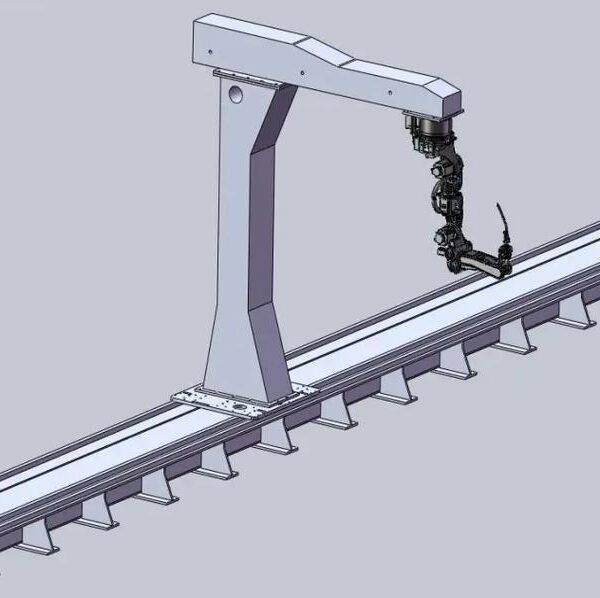

Cantilever Welding Robot solution
-
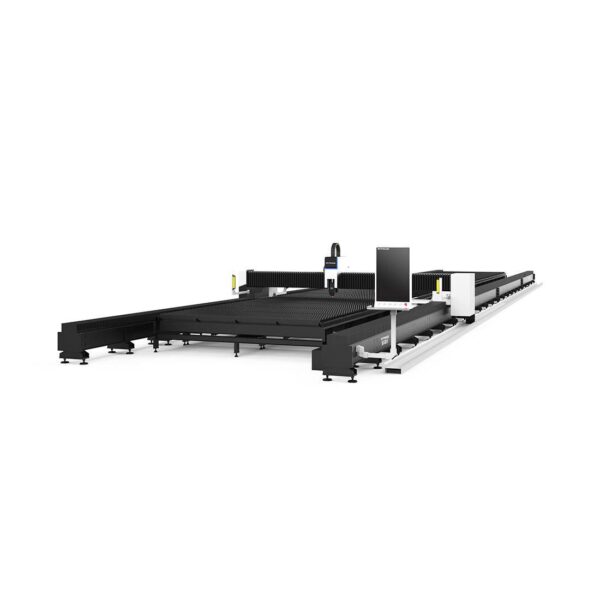

GF laser cutting machine
-
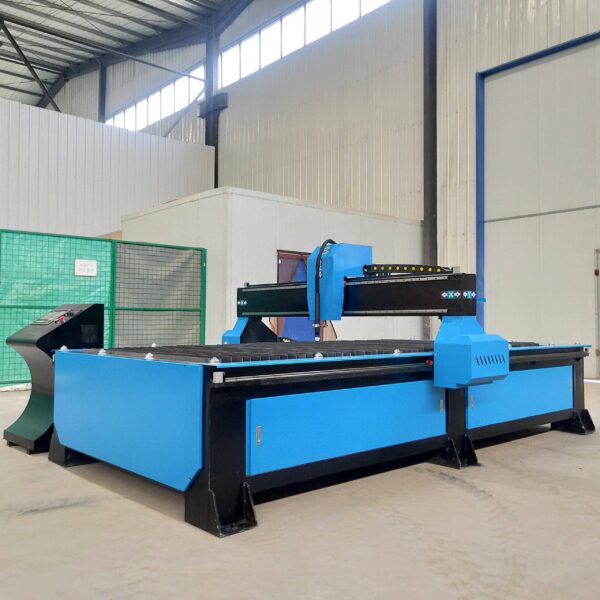
P3015 plasma cutting machine
-

LFP3015 Fiber Laser Cutter
-
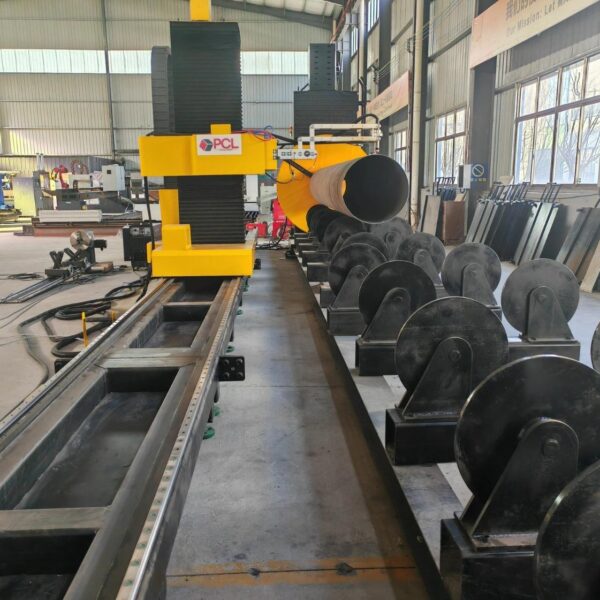
pipe plasma cutting machine
-
LFH 4020 Fiber Laser Cutting Machine
-
LFP4020
-
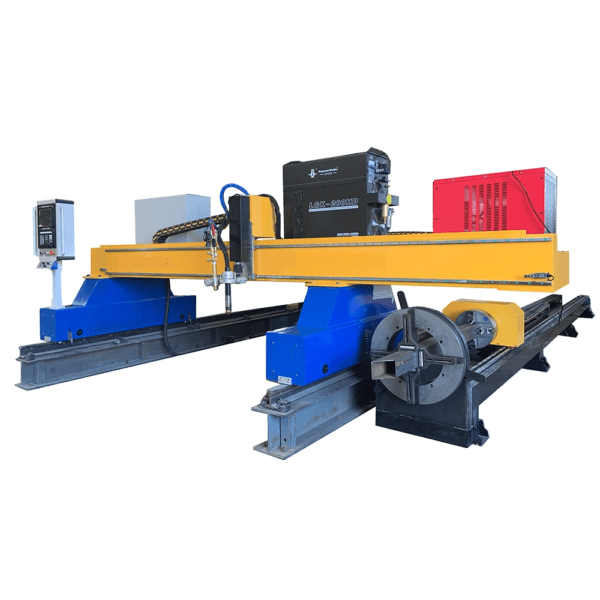
gantry plasma air cutting machine
-
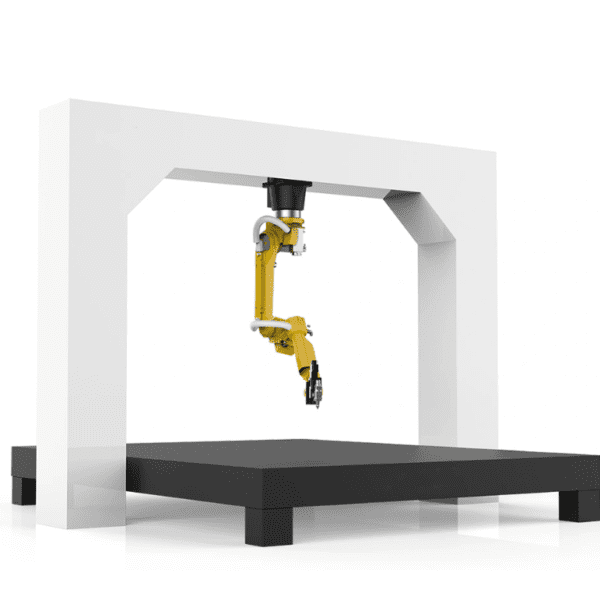
3D robot cutting machine
-
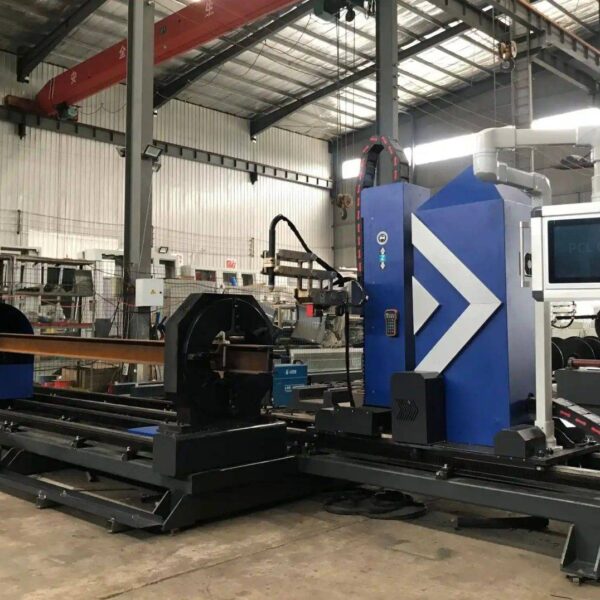
8 axis plasma cutting machine
-
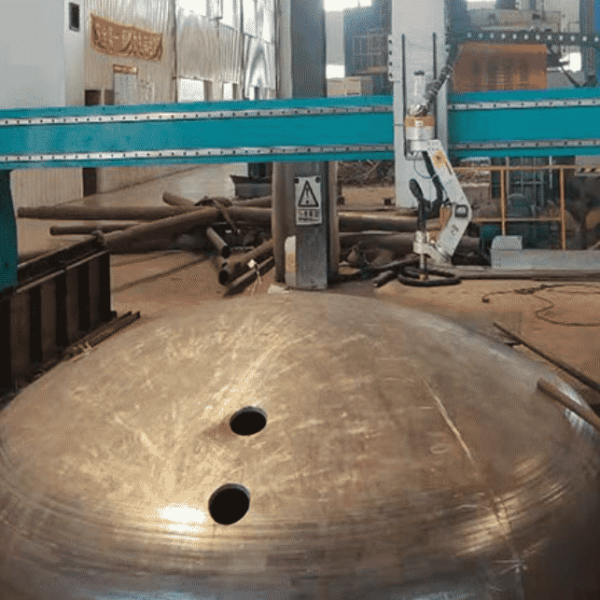
5 axis plasma cutting machine
-

LT360 tube laser cutting machine
-
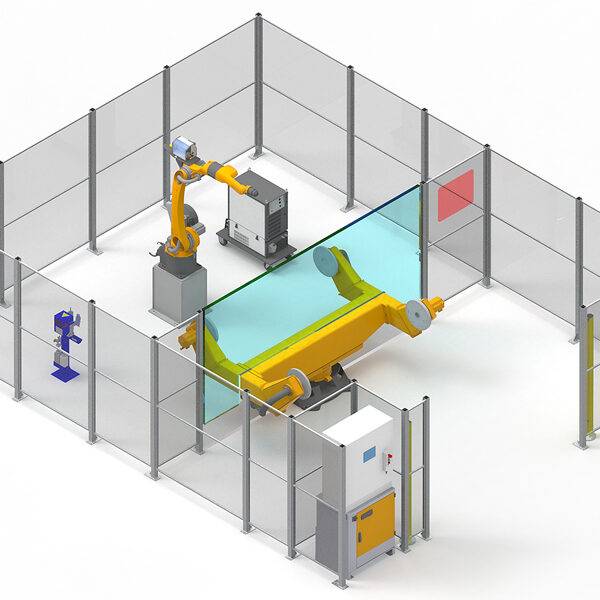
robot welding workstation
-
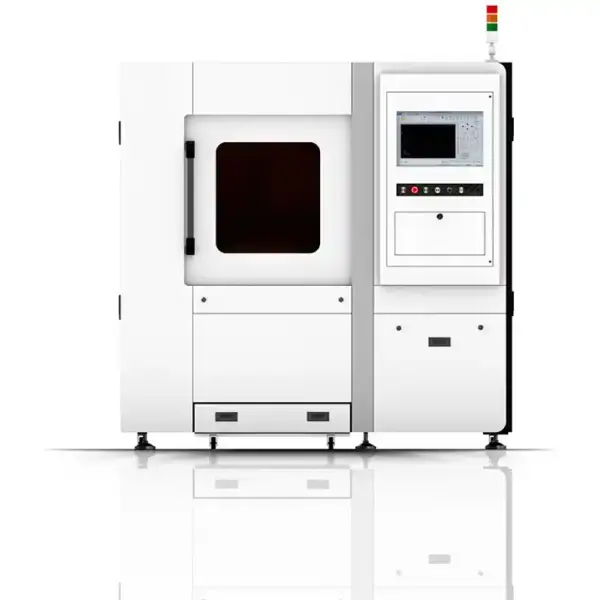
SF6060 fiber laser cutting machine
Advanced Fiber Laser Tube Processing Technology
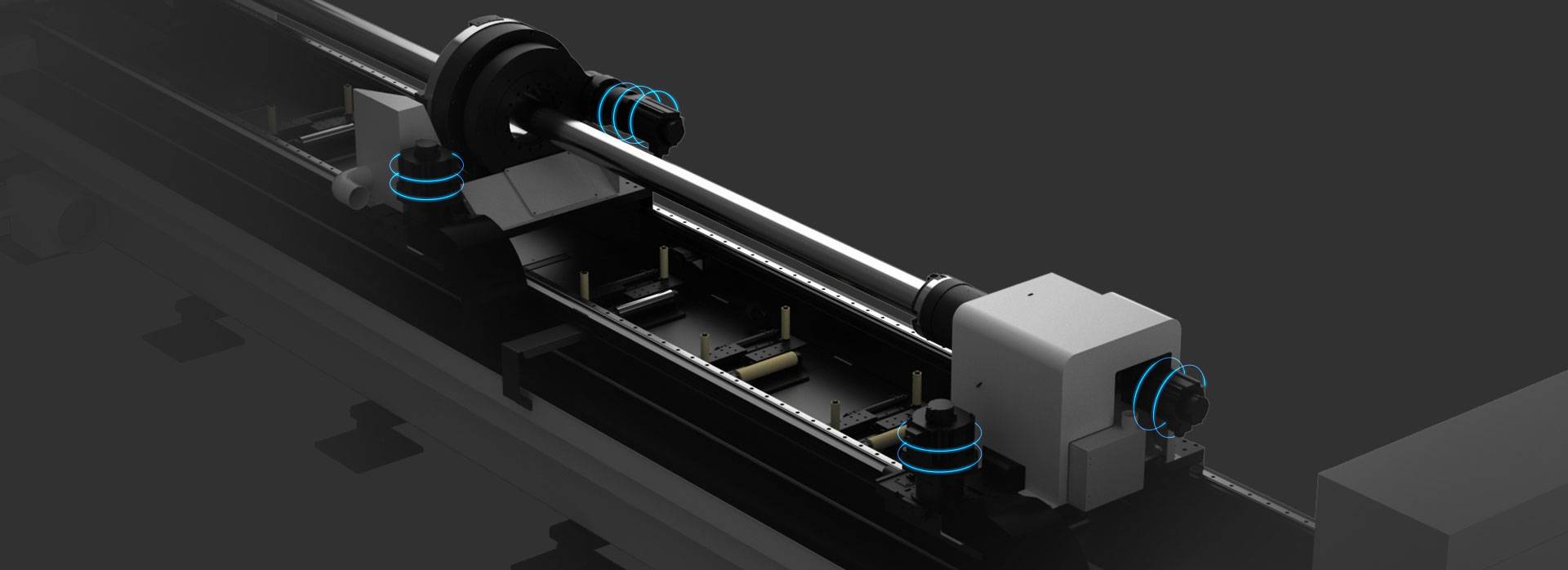
Our CNC Fiber Laser Tube Cutting systems revolutionize metal fabrication by integrating high-precision cutting, punching, and profiling into a single automated workflow. Designed for versatility, this technology handles a wide array of profiles including Round, Square, Rectangular, and Oval tubes, as well as complex L-shaped and U-shaped channels.
- Precision Punching: High-speed hole punching with micron-level accuracy, eliminating the need for mechanical drilling or die-stamping.
- Complex Profiling: Advanced 3D pathing allows for intricate interlocking joints and specialized notch cuts, ideal for structural frames.
- High Material Efficiency: Intelligent nesting software minimizes scrap, reducing raw material costs across large production runs.
- Clean Finish: Delivers oxide-free, burr-free edges that require zero secondary grinding before welding.

Seamlessly processing multiple profiles with consistent precision.
Global Delivery & Logistics



From our high-tech manufacturing facility directly to your global site. PCL WeldCut ensures secure packaging, professional handling, and reliable international logistics to safeguard your equipment throughout the entire journey.