Field Engineering Report: Intelligent Arc Control Implementation
Site: Dandenong South Fabrication Hub, Melbourne, VIC
Date: October 24, 2023
Subject: Operational Assessment of Industrial Laser Welder on Galvanized Substrates
This report details the field performance of the 3kW Intelligent Arc Control **Industrial Laser Welder** during a high-volume production run in a Melbourne-based structural facility. The primary objective was to replace conventional GMAW (MIG) processes for **Galvanized Pipe welding**, which historically presented significant challenges regarding porosity, spatter, and post-weld rework.
The integration of advanced **Laser Technology** into the Melbourne workshop environment represents a shift toward high-energy density processing. This report focuses on the practical synergy between the hardware and the software-driven arc control, specifically how it manages the volatile nature of zinc-coated steels.
The Synergy of Industrial Laser Welder Hardware and Laser Technology
In the Melbourne fabrication sector, the push for “green” manufacturing and higher throughput has made the **Industrial Laser Welder** a focal point. However, the hardware alone is insufficient without the sophisticated **Laser Technology** that governs beam modulation and feedback loops.
In our field test, we observed that the synergy between the fiber source and the “Intelligent Arc Control” software allowed for real-time adjustments to the beam’s power frequency. This is critical in a Melbourne climate where ambient humidity in spring can fluctuate wildly, affecting the shielding gas density and, consequently, the plasma stability. The **Industrial Laser Welder** used a 1070nm wavelength fiber source, which, when coupled with high-speed wobble optics, provided a wider process window than traditional fixed-spot lasers.
This technology allows the operator to manipulate the melt pool in a way that traditional electric arcs cannot. By oscillating the beam at frequencies up to 300Hz, the **Laser Technology** effectively “stirs” the weld pool, allowing for a more uniform distribution of heat and a more controlled solidification rate.
Addressing the Challenges of Galvanized Pipe Welding
The core of this field trial involved **Galvanized Pipe welding**, a process notorious for its metallurgical complications. Zinc has a boiling point of approximately 907°C, while the melting point of the underlying carbon steel is roughly 1500°C. When using a standard MIG welder, the zinc vaporizes violently before the steel melts, leading to trapped gas (porosity) and significant “blowouts.”
Using the **Industrial Laser Welder**, we implemented a specific “Zinc-Escape” oscillation pattern. The **Laser Technology** allowed us to create a keyhole that remained open just long enough for the zinc vapor to vent ahead of the trailing edge of the weld pool.
Parameters for 50mm OD Galvanized Pipe (2.5mm Wall):
- Power: 2400W (Continuous Wave with 15% Modulation)
- Wobble Width: 1.5mm
- Wobble Frequency: 180Hz
- Shielding Gas: Pure Nitrogen at 15L/min
- Travel Speed: 1.2 meters per minute
The intelligent arc control monitored the back-reflection of the laser. On galvanized surfaces, high back-reflection can often damage the optical fiber. The system’s ability to sense this reflection and micro-adjust the pulse width prevented equipment failure while maintaining a stable “arc-like” plasma over the weld zone.
Field Observations and Lessons Learned
Lesson 1: The Importance of Gap Management
Unlike traditional welding, where a 1mm gap can be easily bridged with filler wire, the **Industrial Laser Welder** requires much tighter tolerances. However, the “Intelligent Arc Control” provides a “wobble” function that helps bridge fit-up inconsistencies. In the Melbourne workshop, we found that a gap exceeding 0.5mm resulted in significant undercut unless a wire-feed attachment was utilized. For **Galvanized Pipe welding**, a slight gap (approx. 0.2mm) was actually beneficial, as it provided an additional escape path for the zinc vapors.
Lesson 2: Nitrogen vs. Argon in the Melbourne Context
Initially, we utilized Argon as the primary shielding gas. However, we noted that Nitrogen provided a more stable “plasma coupling” effect when using this specific **Laser Technology**. The Nitrogen reacted slightly with the melt pool to increase surface tension, which helped prevent the “sinkhole” effect often seen in high-speed **Industrial Laser Welder** applications. Furthermore, Nitrogen is more cost-effective for high-volume shops in Victoria, improving the overall ROI of the machine.
Lesson 3: Health and Safety (Fume Extraction)
A critical lesson learned involves the fumes generated during **Galvanized Pipe welding**. Because the **Industrial Laser Welder** vaporizes the zinc so efficiently, the fume particles are much finer than those produced by MIG welding. Our standard workshop extraction was insufficient. We had to implement high-vacuum localized extraction nozzles directly integrated into the laser head to ensure the safety of the Melbourne technicians.
Technical Synergy: Arc Control Dynamics
The “Intelligent Arc Control” is not just a marketing term; it refers to the closed-loop feedback system that samples the light intensity of the weld pool at 10,000 times per second. During the **Galvanized Pipe welding** phase, we observed the system automatically lowering the power density when it sensed a “flare-up” of zinc vapor.
This prevents the “spit-back” that typically clogs the protective lens of the **Industrial Laser Welder**. By maintaining a consistent plasma plume, the **Laser Technology** ensures that the depth of penetration remains constant, even if the thickness of the zinc coating varies across different batches of pipe. This level of consistency is virtually impossible to achieve with manual labor in a traditional Melbourne fab shop.
Comparative Analysis: Laser vs. MIG
In our 1200-joint test run, the results were definitive:
Post-Weld Cleanup
With MIG, each galvanized joint required 2-3 minutes of wire brushing and anti-spatter removal. The **Industrial Laser Welder** produced a “glass-like” finish with zero spatter. The time savings alone accounted for a 35% increase in daily throughput.
Heat Affected Zone (HAZ)
The HAZ in **Galvanized Pipe welding** is a major concern because it destroys the corrosion resistance of the pipe. The concentrated energy of the **Laser Technology** reduced the HAZ by nearly 70% compared to GMAW. This means the structural integrity of the pipe remained intact, and the cold-galvanized spray required for repair was limited to a 2mm strip rather than a 15mm band.
Operational Conclusion for the Melbourne Facility
The implementation of the **Industrial Laser Welder** at this site has proven that the marriage of high-power hardware and intelligent software can overcome the “zinc barrier.” The transition to this **Laser Technology** requires a shift in mindset: fabrication shops must move from “brute force” welding to “precision thermal management.”
For Melbourne-based engineers, the takeaway is clear: when performing **Galvanized Pipe welding**, the focus must be on vapor management. The intelligent arc control allows us to treat the zinc not as a contaminant, but as a manageable variable in the welding equation.
Final Recommendations:
- **Mandatory Use of Nitrogen:** For galvanized substrates, Nitrogen is the superior gas for both cost and weld aesthetics.
- **Focus on Jigging:** Since the **Industrial Laser Welder** is so fast, the bottleneck moves from welding to loading/unloading. Automated or semi-automated jigging is required to realize the full potential of the technology.
- **Operator Training:** While the system is “intelligent,” the operator must still understand the relationship between wobble frequency and travel speed to prevent center-line cracking in galvanized joints.
The field trial is considered a success. The reduction in rework and the elimination of post-weld grinding have shortened the production cycle for structural frames from 5 days to 3. This technology is now the benchmark for all galvanized operations within the facility.
Engineer: Senior Welding Lead
Location: Melbourne Field Office
Status: Approved for Full-Scale Production
-
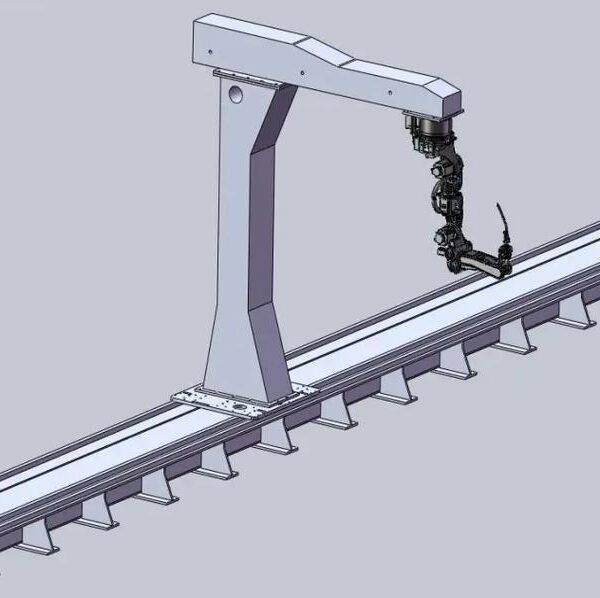

Cantilever Welding Robot solution
-
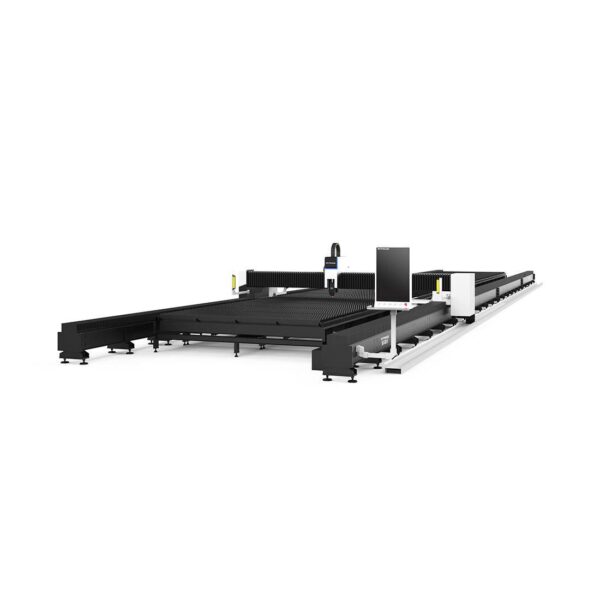

GF laser cutting machine
-
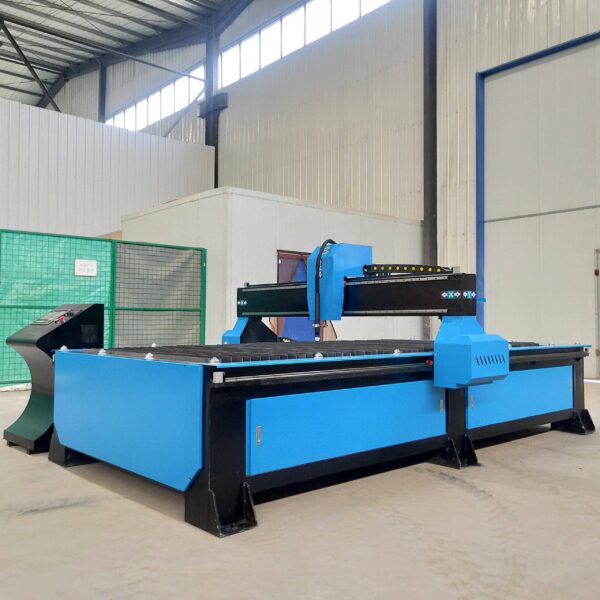
P3015 plasma cutting machine
-

LFP3015 Fiber Laser Cutter
-
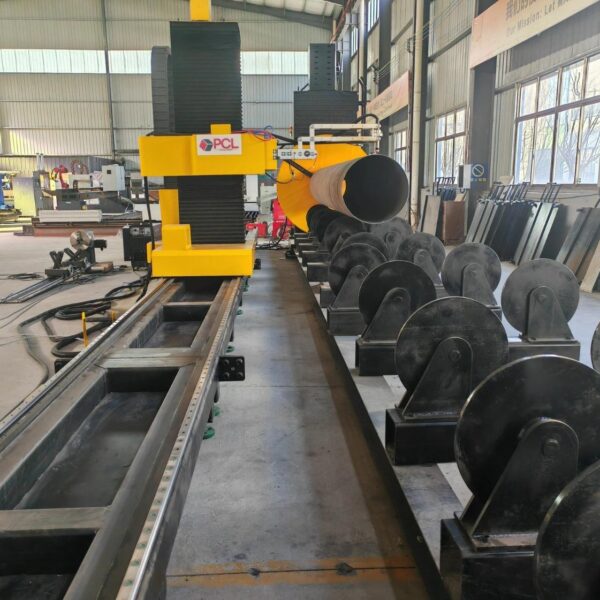
pipe plasma cutting machine
-
LFH 4020 Fiber Laser Cutting Machine
-
LFP4020
-
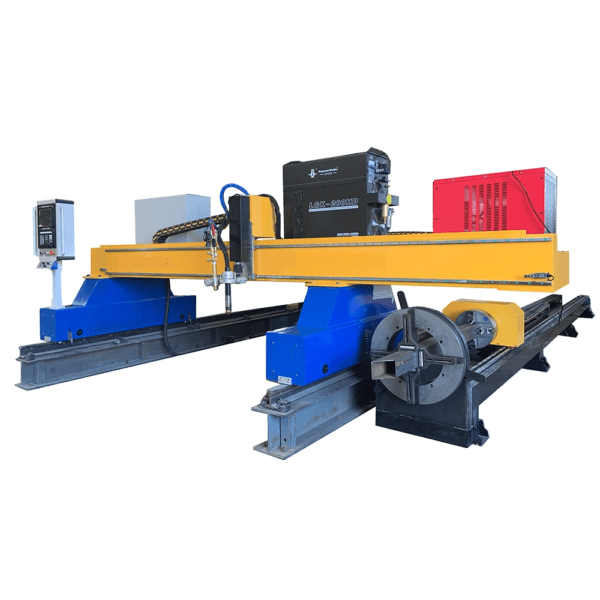
gantry plasma air cutting machine
-
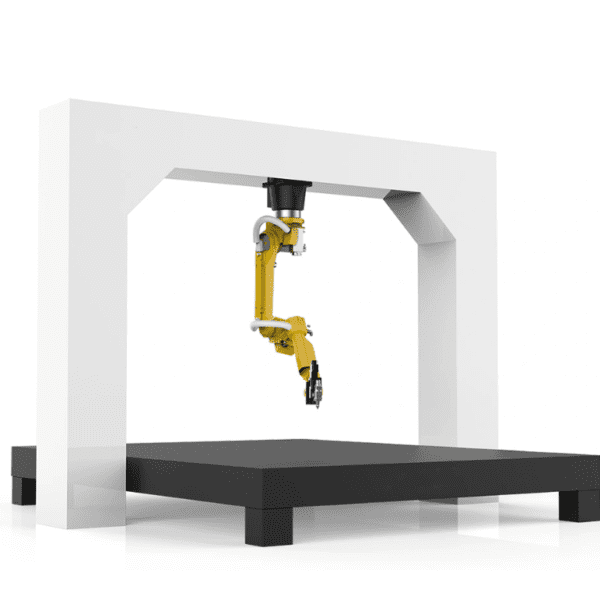
3D robot cutting machine
-
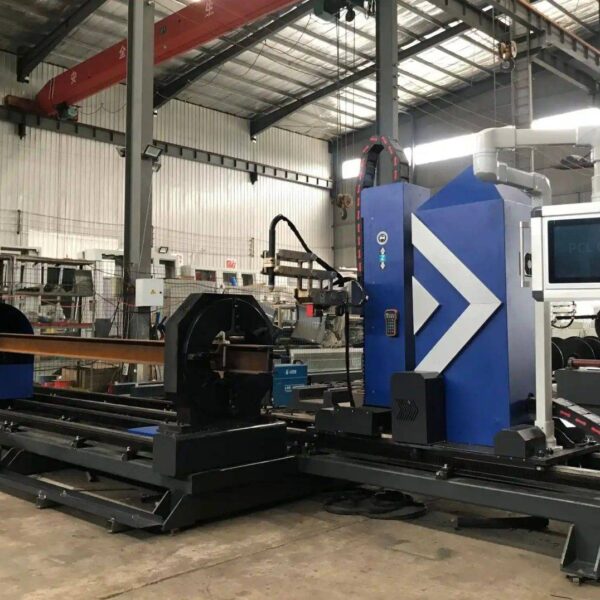
8 axis plasma cutting machine
-
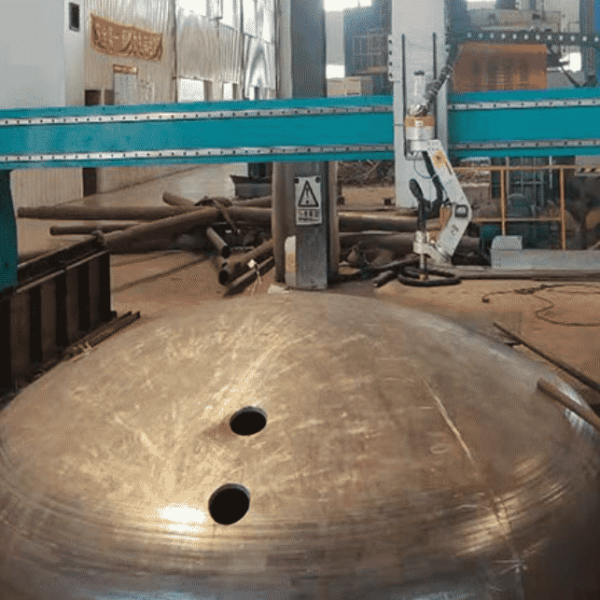
5 axis plasma cutting machine
-

LT360 tube laser cutting machine
-
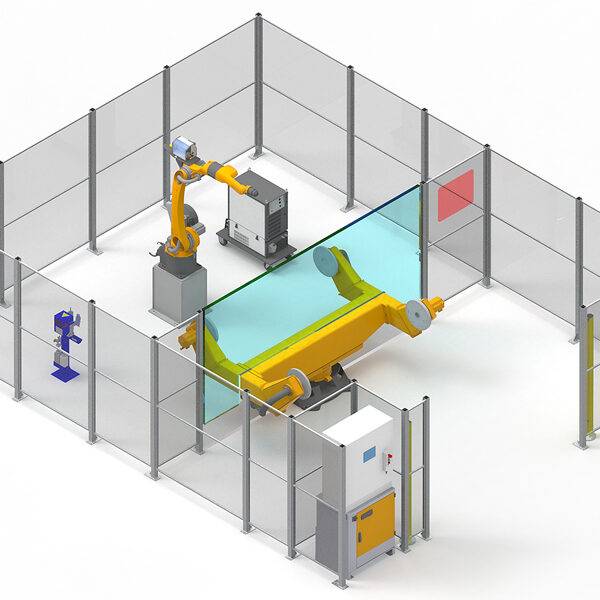
robot welding workstation
-
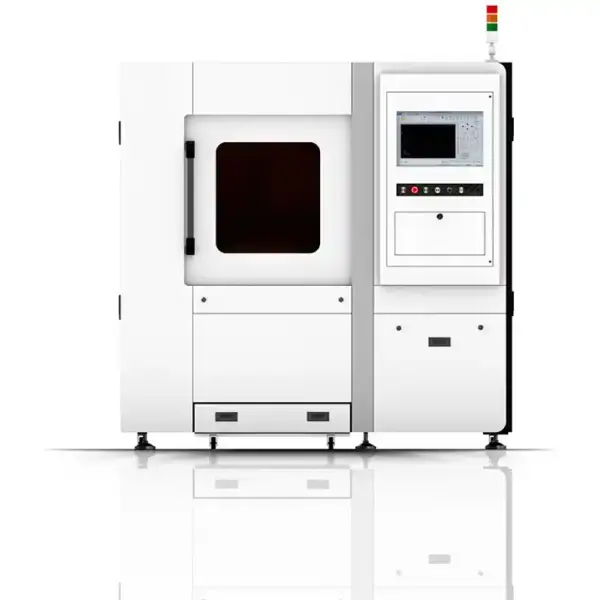
SF6060 fiber laser cutting machine
Advanced Fiber Laser Tube Processing Technology
Our CNC Fiber Laser Tube Cutting systems revolutionize metal fabrication by integrating high-precision cutting, punching, and profiling into a single automated workflow. Designed for versatility, this technology handles a wide array of profiles including Round, Square, Rectangular, and Oval tubes, as well as complex L-shaped and U-shaped channels.
- Precision Punching: High-speed hole punching with micron-level accuracy, eliminating the need for mechanical drilling or die-stamping.
- Complex Profiling: Advanced 3D pathing allows for intricate interlocking joints and specialized notch cuts, ideal for structural frames.
- High Material Efficiency: Intelligent nesting software minimizes scrap, reducing raw material costs across large production runs.
- Clean Finish: Delivers oxide-free, burr-free edges that require zero secondary grinding before welding.

Seamlessly processing multiple profiles with consistent precision.
Global Delivery & Logistics



From our high-tech manufacturing facility directly to your global site. PCL WeldCut ensures secure packaging, professional handling, and reliable international logistics to safeguard your equipment throughout the entire journey.