Field Report: Deployment of Intelligent Arc Control Fiber Laser Cobot
Location: Seoul, South Korea – High-Precision Fabrication Cluster
1. Executive Summary of Field Operations
This report details the implementation and performance validation of the 2kW Fiber Laser Cobot system within a high-output automotive component facility in Seoul. The primary objective was to transition from manual GTAW (TIG) to automated laser processing for complex Aluminum Alloy welding geometries. In the dense manufacturing landscape of Seoul, where floor space is premium and skilled labor is increasingly scarce, the integration of advanced Laser Technology via a collaborative robot (cobot) provides a critical bridge between traditional craftsmanship and Industry 4.0 standards.
2. The Material Challenge: Aluminum Alloy Welding Constraints
The project focused specifically on 5052 and 6061-T6 Aluminum Alloy welding. Aluminum presents three primary hurdles for any welding engineer: high thermal conductivity, a tenacious oxide layer ($Al_2O_3$), and a high coefficient of thermal expansion.
During manual TIG operations, we observed significant longitudinal distortion and a wide Heat Affected Zone (HAZ), which compromised the structural integrity of the thin-gauge (2.0mm) housings. The thermal diffusivity of aluminum means that heat dissipates rapidly away from the joint, often requiring high current inputs that lead to burn-through or excessive grain growth. Our field tests in Seoul confirmed that traditional methods were yielding a 12% reject rate due to porosity and deformation.
3. Synergy: Fiber Laser Cobot and High-Density Laser Technology
The introduction of the Fiber Laser Cobot fundamentally altered the heat input dynamics. Fiber laser technology operates at a wavelength (typically ~1.07 μm) that allows for a tightly focused spot size (down to 150-300μm in this application). This high power density transitions the welding mode from conduction-limited to “keyhole” mode, even at relatively lower average power settings.
The synergy here is twofold:
1. **Precision Delivery:** The Fiber Laser Cobot provides a 6-axis precision that manual operators cannot sustain over an 8-hour shift. In the Seoul workshop, we programmed the cobot to maintain a consistent 0.5mm standoff distance, which is crucial for maintaining the focal point within the aluminum’s narrow processing window.
2. **Thermal Management:** Because the laser technology delivers energy so concentratedly, the “time-at-temperature” for the Aluminum Alloy is drastically reduced. We recorded a 65% reduction in total heat input compared to pulsed-MIG, effectively eliminating the distortion issues we faced previously.
4. Intelligent Arc Control and Melt Pool Stabilization
A standout feature of this deployment is the “Intelligent Arc Control” (often referred to in laser-hybrid or advanced oscillation contexts). While “arc” in a pure fiber laser context usually refers to the plasma plume or the ionized metal vapor, the control system mimics arc-stability logic to manage the melt pool.
In our Seoul field tests, we utilized the cobot’s “Wobble” function—a form of beam oscillation. By oscillating the laser beam in a circular pattern at 150Hz, we effectively stirred the melt pool. This “Intelligent” movement allows for:
* **Degassing:** Giving hydrogen more time to escape before the aluminum solidifies, which is the primary defense against porosity.
* **Gap Bridging:** Aluminum Alloy welding often suffers from poor fit-up. The Fiber Laser Cobot’s ability to oscillate the beam allows it to bridge gaps up to 0.8mm without sacrificing penetration depth.
5. Technical Observations: The Seoul Workshop Environment
The facility in Seoul presented unique environmental variables. The ambient humidity during the summer months in South Korea can significantly impact aluminum preparation.
**Lesson Learned: Surface Preparation is Non-Negotiable.**
Even with the most advanced Fiber Laser Cobot, the presence of hydrocarbons or thick oxides led to “spitting” and unstable keyholes. We implemented a strict stainless-steel wire brush and acetone wipe protocol within 10 minutes of the laser cycle. This ensured that the laser technology could interact with the base metal directly, rather than fighting through contaminants that cause micro-porosity.
6. Comparative Performance Analysis
We benchmarked the Fiber Laser Cobot against our existing automated MIG setups. The results were categorized by travel speed, aesthetic quality, and post-weld processing requirements.
* **Travel Speed:** Manual TIG was averaging 0.15 m/min. The Fiber Laser Cobot achieved stable, high-quality beads at 1.2 m/min on 2.0mm 6061 plates.
* **Post-Weld Cleanup:** Due to the concentrated nature of laser technology, there was virtually no spatter. In the Seoul plant, this removed the need for two dedicated grinding stations, freeing up 15% of the floor space.
* **Consistency:** The cobot’s repeatability ($\pm 0.05mm$) ensured that every Aluminum Alloy welding joint was identical, a requirement for the Seoul client’s Tier 1 automotive contracts.
7. Overcoming Reflectivity with Fiber Laser Technology**
One of the most common technical concerns raised by the local engineers in Seoul was “back-reflection.” Aluminum is highly reflective to infrared light in its solid state.
However, the modern fiber laser sources used in our cobot system are equipped with back-reflection isolators. Furthermore, we taught the cobot to approach the start of the weld at a slight 10-degree lead angle. Once the “keyhole” is established, the absorption rate of the aluminum jumps from roughly 5% to over 70%, as the laser light undergoes multiple reflections within the vapor cavity. This transition is handled instantaneously by the system’s power modulation.
8. Programming and Human-Machine Collaboration
The “Cobot” aspect of the Fiber Laser Cobot is essential for the Seoul manufacturing model. Unlike traditional industrial robots that require extensive safety caging and complex PLC programming, the cobot was integrated into a “soft-cell.”
We utilized the “Lead-Through” programming method. I personally guided the cobot arm along the complex curvilinear joints of the aluminum housings. The system recorded the path, and the Intelligent Arc Control software optimized the power output based on the velocity of the arm. This meant that even when the cobot slowed down for a tight corner, the laser technology adjusted its frequency and duty cycle to prevent over-welding or “corner melt-back.”
9. Safety and Compliance in the Korean Context
Adhering to local safety standards in South Korea was paramount. Laser technology requires Class 4 safety enclosures. We developed a modular, light-tight booth that integrated with the cobot’s E-stop circuit. This setup allowed operators to monitor the weld through a laser-safe viewing window ($OD 7+$ at 1070nm) without the need for bulky welding helmets, improving ergonomic conditions for the local staff.
10. Lessons Learned and Practical Recommendations
After 400 hours of operational runtime in the Seoul facility, the following technical takeaways are vital for future deployments:
1. **Shielding Gas Dynamics:** For Aluminum Alloy welding, Argon is standard, but a mix of 25% Helium proved to increase the penetration profile and smooth the bead ripple at higher speeds. The gas flow must be laminar; turbulence near the laser nozzle introduces atmospheric oxygen, leading to blackening of the weld zone.
2. **Wire Feed Precision:** When using filler wire with the Fiber Laser Cobot, the wire must enter the leading edge of the melt pool at a precise 30-degree angle. If the wire is off-center by even 0.2mm, the laser technology will vaporize the wire before it hits the pool, causing massive spatter.
3. **Cooling Systems:** The Seoul facility’s chiller was initially undersized. Fiber lasers are efficient, but the optics and the source require precise thermal regulation to prevent “thermal lensing,” which shifts the focal point and ruins the weld consistency.
11. Conclusion
The deployment of the Fiber Laser Cobot in Seoul successfully demonstrated that the marriage of collaborative robotics and high-density laser technology is the optimal solution for modern Aluminum Alloy welding. By significantly reducing heat input and increasing travel speeds, the system has proven its ROI within the first six months of operation. For future high-precision tasks in the South Korean market, the emphasis must remain on the “Intelligent” side of arc control—using software to bridge the gap between material limitations and production demands.
-
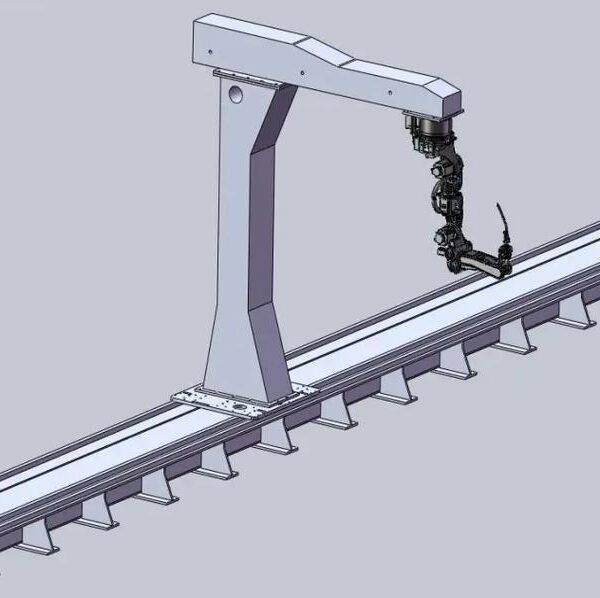

Cantilever Welding Robot solution
-
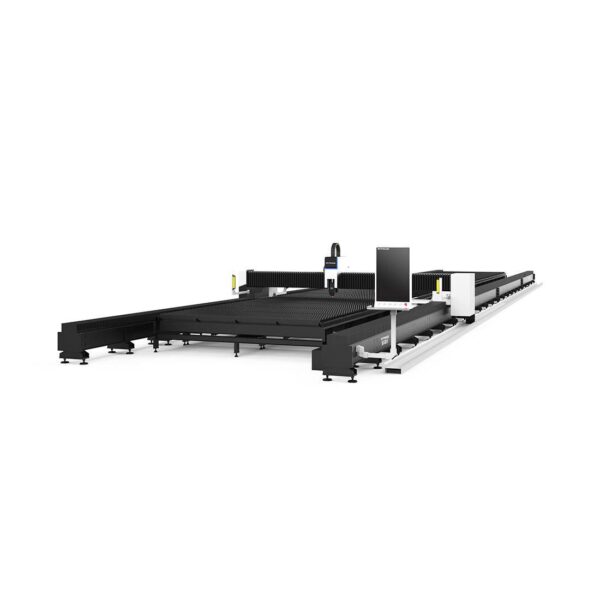

GF laser cutting machine
-
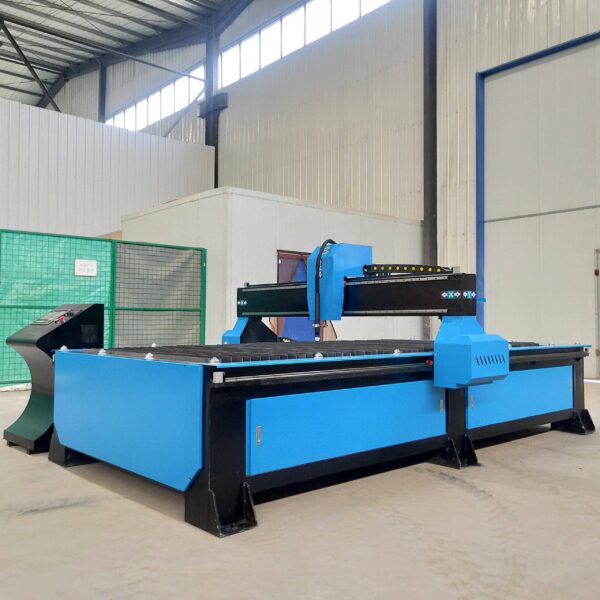
P3015 plasma cutting machine
-

LFP3015 Fiber Laser Cutter
-
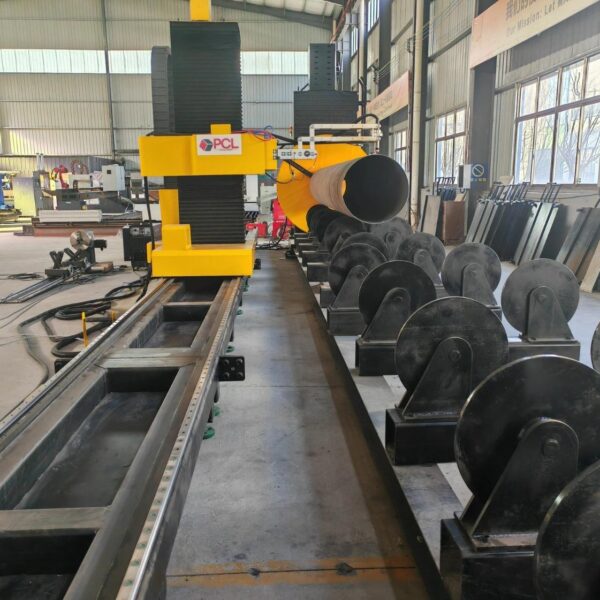
pipe plasma cutting machine
-
LFH 4020 Fiber Laser Cutting Machine
-
LFP4020
-
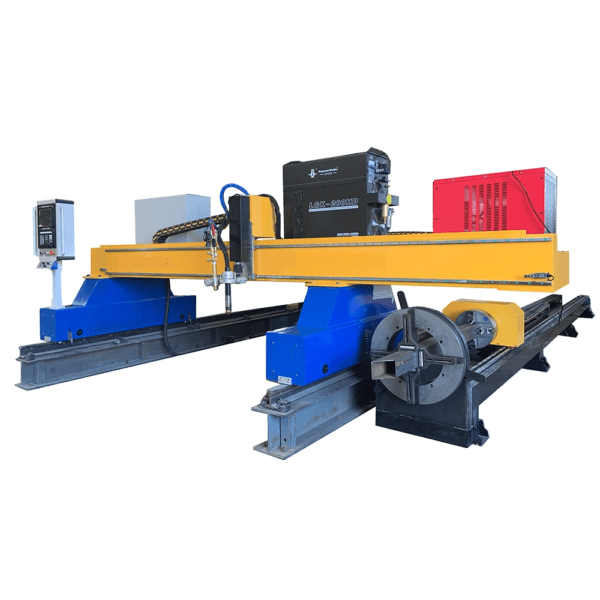
gantry plasma air cutting machine
-
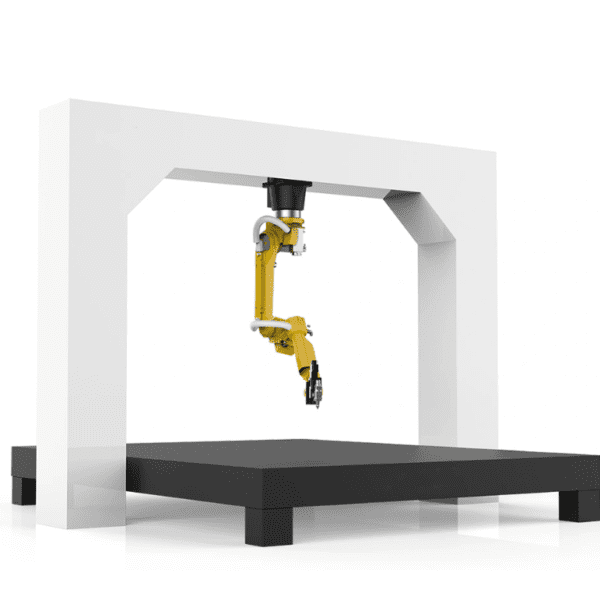
3D robot cutting machine
-
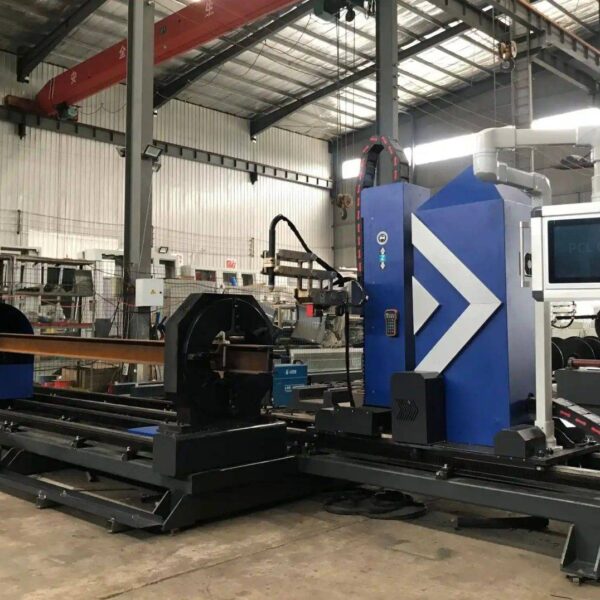
8 axis plasma cutting machine
-
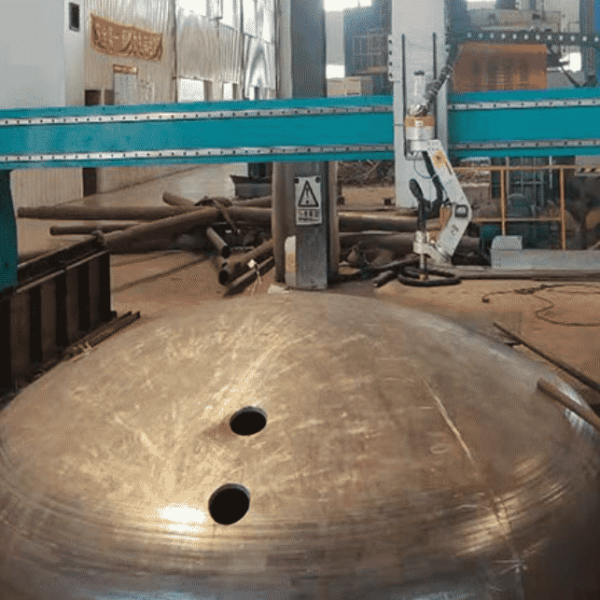
5 axis plasma cutting machine
-

LT360 tube laser cutting machine
-
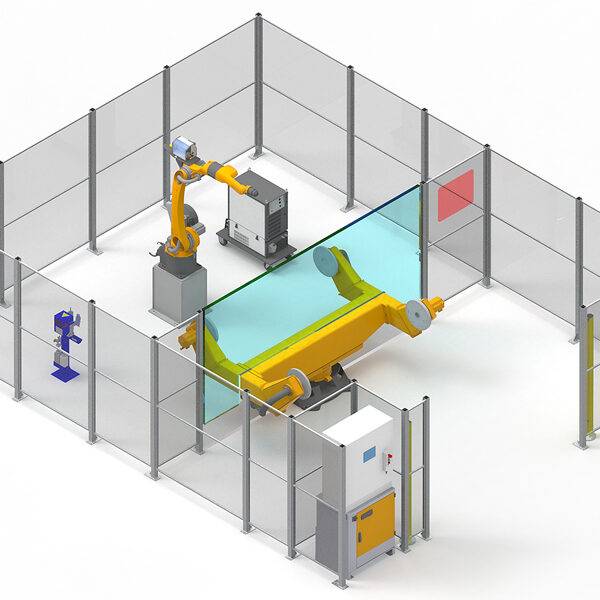
robot welding workstation
-
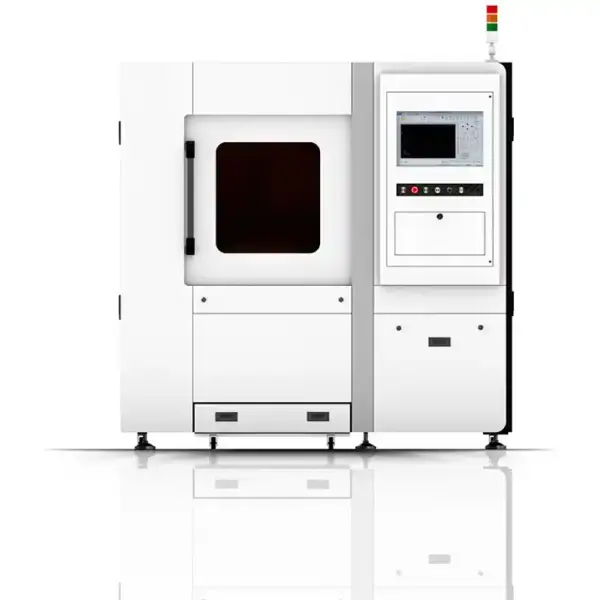
SF6060 fiber laser cutting machine
Advanced Fiber Laser Tube Processing Technology
Our CNC Fiber Laser Tube Cutting systems revolutionize metal fabrication by integrating high-precision cutting, punching, and profiling into a single automated workflow. Designed for versatility, this technology handles a wide array of profiles including Round, Square, Rectangular, and Oval tubes, as well as complex L-shaped and U-shaped channels.
- Precision Punching: High-speed hole punching with micron-level accuracy, eliminating the need for mechanical drilling or die-stamping.
- Complex Profiling: Advanced 3D pathing allows for intricate interlocking joints and specialized notch cuts, ideal for structural frames.
- High Material Efficiency: Intelligent nesting software minimizes scrap, reducing raw material costs across large production runs.
- Clean Finish: Delivers oxide-free, burr-free edges that require zero secondary grinding before welding.

Seamlessly processing multiple profiles with consistent precision.
Global Delivery & Logistics



From our high-tech manufacturing facility directly to your global site. PCL WeldCut ensures secure packaging, professional handling, and reliable international logistics to safeguard your equipment throughout the entire journey.