Field Report: Intelligent Arc Control Implementation in Busan Shipbuilding Supply Chain
1. Site Overview and Project Scope
This report documents the field deployment and calibration of an Intelligent Arc Control Cobot Welding Machine at a Tier-2 marine component manufacturer located in the Gangseo-gu industrial district of Busan, South Korea. The facility primarily handles high-mix, low-volume (HMLV) assemblies for offshore support vessels. Our primary objective was to transition a critical Galvanized Pipe welding station from manual Gas Metal Arc Welding (GMAW) to an automated workflow utilizing Collaborative Robotics.
The environmental conditions in the Busan workshop are typical for coastal industrial zones: high ambient humidity (averaging 75% during the site visit) and significant fluctuations in power grid stability due to the heavy machinery operating in the vicinity. These factors necessitate a robust arc control system capable of real-time compensation.
2. Hardware Integration: The Cobot Welding Machine
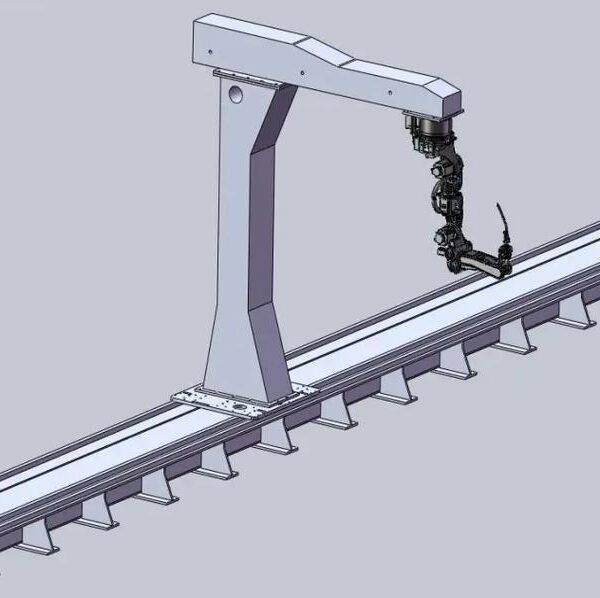
The Cobot Welding Machine selected for this site features a 10kg payload arm integrated with a high-speed inverter power source. Unlike traditional industrial robots that require extensive floor space and light curtains, this unit was bolted directly to an existing modular welding table. The “Intelligent Arc Control” suite functions by sampling arc voltage and current at 100kHz, allowing the power source to adjust waveform parameters mid-puddle.
2.1 Interface and Power Source Synchronization
The synergy between the power source and the robotic controller is the backbone of this system. We utilized a Fieldbus communication protocol to ensure zero-latency feedback. During initial setup, we observed that standard “off-the-shelf” settings failed to account for the voltage drops across the 10-meter cable assembly required to reach the larger pipe manifolds. We recalibrated the secondary sensing wires to ensure the Cobot Welding Machine was receiving accurate data from the contact tip, not just the power terminals.
3. The Role of Collaborative Robotics in the Busan Workshop
The implementation of Collaborative Robotics in this specific Busan facility was driven by a shortage of certified 6G welders. However, the goal was not to replace the human element but to augment it.
3.1 Lead-Through Teaching and Operator Interaction
One of the most significant advantages of Collaborative Robotics is the ability for a veteran welder to “teach” the robot by physically moving the arm through the required torch angles. In the Busan facility, we had a senior welder with 30 years of experience lead the teaching process for a complex 45-degree branch connection. The Cobot Welding Machine captured his specific “wrist flick” at the end of the weld to fill the crater, a nuance often lost in traditional G-code programming.
3.2 Safety and Shop Floor Flow
Because the system operates within a collaborative framework, we avoided the installation of physical fencing. This allowed the Busan facility to maintain its existing forklift paths. The cobot’s force-sensing capabilities were tuned to stop immediately upon contact with personnel, though we implemented a “Reduced Mode” where the robot slows its travel speed when the laser scanner detects an operator within a 1-meter radius.
4. Technical Challenge: Galvanized Pipe Welding
Galvanized Pipe welding is notoriously difficult due to the zinc coating, which has a boiling point (906°C) significantly lower than the melting point of steel (approx. 1500°C). As the arc hits the pipe, the zinc vaporizes instantaneously. If the gas is trapped in the molten puddle, it results in gross porosity and excessive spatter.
4.1 Arc Waveform Modification
To combat the zinc vapor issue, we programmed the Cobot Welding Machine to use a modified pulse-on-pulse waveform. This creates a “vibratory” effect in the weld pool, encouraging the zinc gas to escape before the metal solidifies. We found that a 15% increase in the background current helped maintain a more fluid puddle, which is essential for Galvanized Pipe welding when using a robotic constant-speed travel.
4.2 Spatter Management and Torch Geometry
In manual operations, welders often vary their distance (CTWD) to manage spatter build-up. The Cobot Welding Machine, however, maintains a rigid 15mm CTWD. To prevent nozzle clogging, we integrated an automatic torch cleaning station that the cobot visits every five cycles. This is a critical component of Collaborative Robotics in high-spatter environments; without it, the “intelligence” of the arc control is negated by physical obstructions in the gas shroud.
5. Data Analysis and Site Results
After three weeks of operation in Busan, the data collected from the Cobot Welding Machine showed a marked improvement in several Key Performance Indicators (KPIs).
- Porosity Rate: Reduced from 8.5% (manual) to 1.2% (Cobot). This is directly attributed to the consistent travel speed and optimized pulse settings for the Galvanized Pipe welding.
- Duty Cycle: Increased from 25% to 65%. While a human welder must stop for breaks and repositioning, the Collaborative Robotics setup allows for continuous welding while the operator preps the next jig.
- Gas Consumption: Reduced by 12% due to more efficient arc starts and the elimination of “over-welding” common in manual processes.
6. Lessons Learned: Engineering Observations
The Busan deployment provided several “boots-on-the-ground” insights that are not found in the technical manuals.
6.1 The Humidity Factor
Busan’s coastal air led to moisture accumulation in the ceramic gas diffusers overnight. This caused hydrogen cracking in the initial morning welds.
Lesson: We implemented a “pre-heat” cycle where the cobot runs a dry pass with the gas on for 30 seconds before the first weld of the shift to purge the lines.
6.2 Zinc Fume Extraction
While Collaborative Robotics allows the operator to stand close to the machine, the fumes from Galvanized Pipe welding are toxic (zinc oxide).
Lesson: Standard shop ventilation was insufficient. We had to mount a high-vacuum extraction nozzle directly to the cobot’s 6th axis, ensuring the suction head followed the arc precisely. This is a non-negotiable for collaborative setups where the operator is not wearing a full welding hood with a respirator.
6.3 Wire Feed Consistency
Galvanized wire often has a slightly different surface friction than standard ER70S-6. We observed “wire slipping” in the feed rolls during high-speed oscillations.
Lesson: Switched to U-grooved rollers and a Teflon liner. In the context of a Cobot Welding Machine, any slight mechanical hiccup is interpreted by the “Intelligent Arc Control” as a voltage fluctuation, causing the system to over-correct. Mechanical consistency is a prerequisite for software intelligence.
7. Final Assessment and Future Scalability
The integration of the Cobot Welding Machine in Busan has proven that Collaborative Robotics is not merely a tool for high-tech electronics labs but a rugged solution for heavy industrial Galvanized Pipe welding. The synergy between the human welder’s intuitive knowledge of fit-up and the robot’s precision in execution has yielded a ROI period estimated at 14 months.
For future deployments, we recommend a secondary laser-vision system for seam tracking. While the current arc-sensing is effective, the slight thermal distortion of thin-walled galvanized pipes during long runs can move the joint out of the programmed path. Integrating “Through-the-Arc” sensing will be the next step in our Busan operations to further minimize the need for operator intervention.
Engineer Signature:
Senior Welding Engineer, Field Operations Division
Busan, South Korea Site Office
-

Cantilever Welding Robot solution
-

GF laser cutting machine
-
P3015 plasma cutting machine
-

LFP3015 Fiber Laser Cutter
-
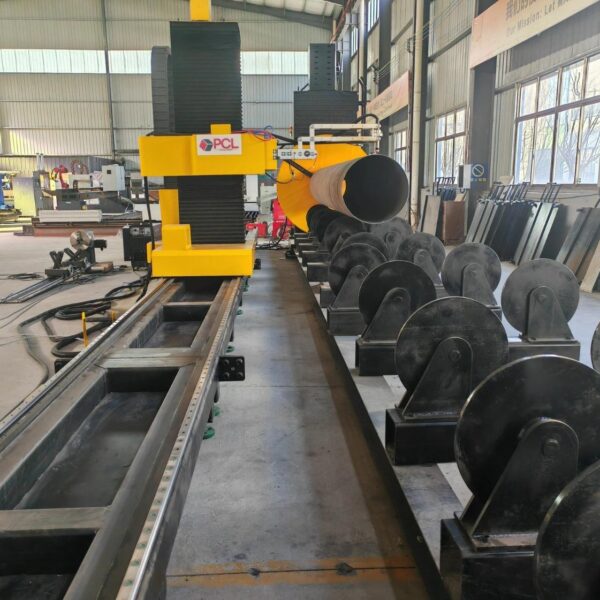
pipe plasma cutting machine
-
LFH 4020 Fiber Laser Cutting Machine
-
LFP4020
-
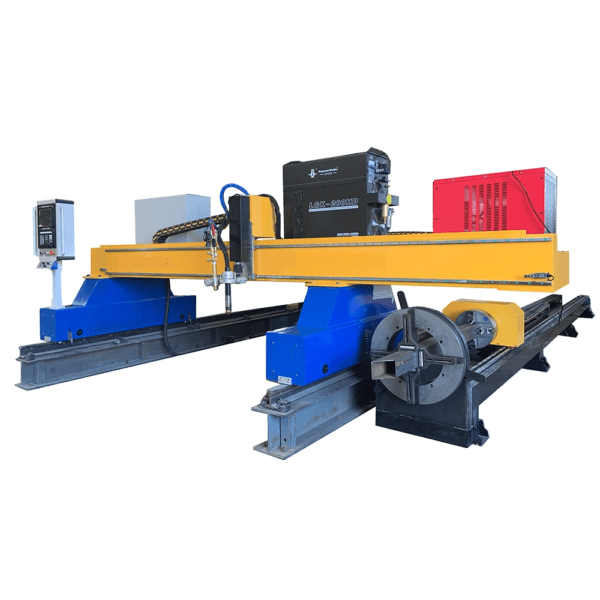
gantry plasma air cutting machine
-
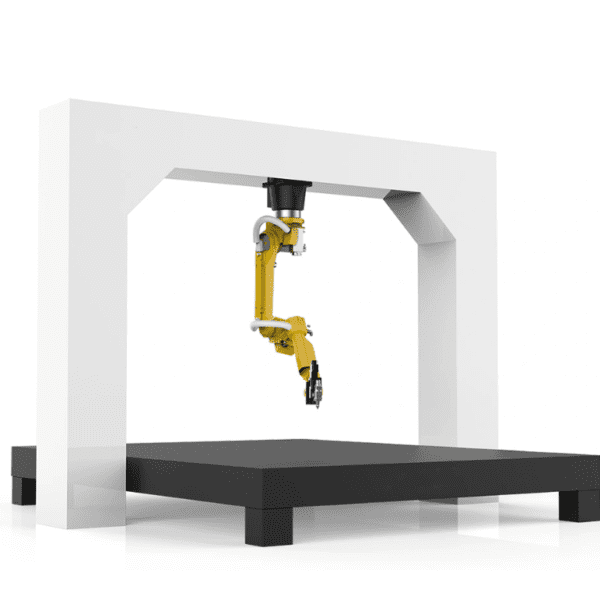
3D robot cutting machine
-
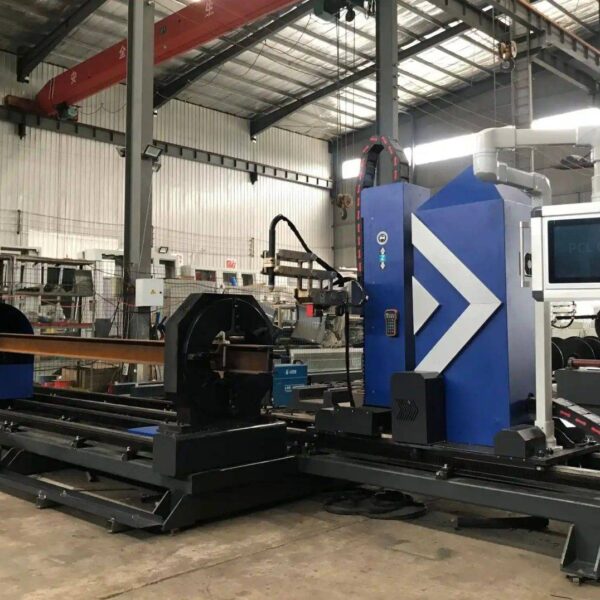
8 axis plasma cutting machine
-
5 axis plasma cutting machine
-

LT360 tube laser cutting machine
-
robot welding workstation
-
SF6060 fiber laser cutting machine
Advanced Fiber Laser Tube Processing Technology
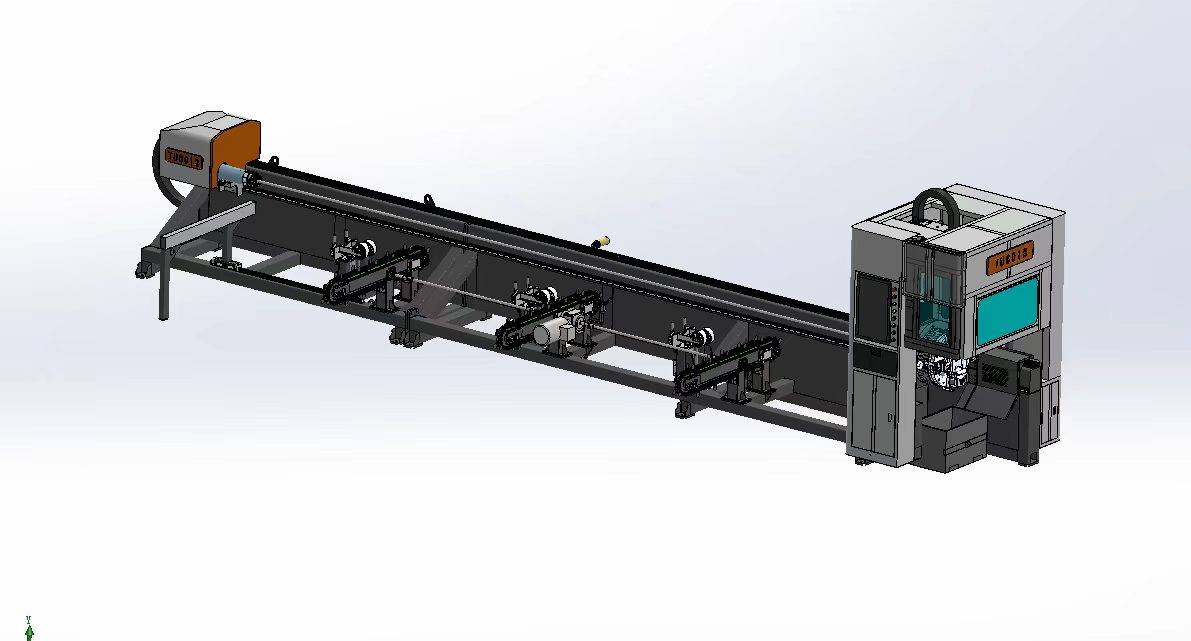
Our CNC Fiber Laser Tube Cutting systems revolutionize metal fabrication by integrating high-precision cutting, punching, and profiling into a single automated workflow. Designed for versatility, this technology handles a wide array of profiles including Round, Square, Rectangular, and Oval tubes, as well as complex L-shaped and U-shaped channels.
- Precision Punching: High-speed hole punching with micron-level accuracy, eliminating the need for mechanical drilling or die-stamping.
- Complex Profiling: Advanced 3D pathing allows for intricate interlocking joints and specialized notch cuts, ideal for structural frames.
- High Material Efficiency: Intelligent nesting software minimizes scrap, reducing raw material costs across large production runs.
- Clean Finish: Delivers oxide-free, burr-free edges that require zero secondary grinding before welding.

Seamlessly processing multiple profiles with consistent precision.
Global Delivery & Logistics



From our high-tech manufacturing facility directly to your global site. PCL WeldCut ensures secure packaging, professional handling, and reliable international logistics to safeguard your equipment throughout the entire journey.