Field Engineering Report: Implementation of Intelligent Arc Control in Hai Phong Automotive Tier-1 Facility
1.0 Introduction and Site Context
This report details the commissioning and performance optimization of the newly installed Automated MAG Welding Cell at our primary manufacturing partner’s facility in the Dinh Vu-Cat Hai Economic Zone, Hai Phong, Vietnam. The project’s objective was to transition from manual GTAW/GMAW processes to a fully integrated automated system capable of handling high-volume Thin Metal Sheet welding for automotive structural components.
Hai Phong presents unique environmental challenges, specifically regarding ambient humidity levels often exceeding 85% and fluctuating power grid stability. These factors necessitated a robust suite of Arc Welding Solutions tailored to maintain arc stability and weld integrity under tropical industrial conditions. The following sections outline the technical deployment and the “lessons learned” from the field.
2.0 Technical Specification of the Automated MAG Welding Cell
The core of the installation is a 6-axis industrial robot integrated with an intelligent inverter power source capable of high-speed waveform modulation. Unlike standard GMAW setups, this Automated MAG Welding Cell utilizes a proprietary “cold” metal transfer logic—an essential feature when dealing with the thermal sensitivities of Thin Metal Sheet welding (ranging from 0.8mm to 1.2mm).
2.1 Hardware Integration
The cell includes a dual-station head-and-tailstock positioner to maximize the “arc-on” time. While station A is under the torch, station B is being loaded/unloaded by local operators. We integrated a laser-based seam tracking sensor to compensate for the slight thermal distortions common in the 1.2mm cold-rolled steel components. This real-time feedback loop is critical for ensuring that the Arc Welding Solutions provided can adapt to part-to-part fit-up variations.
3.0 Mastering Thin Metal Sheet Welding Challenges
The primary hurdle in this Hai Phong deployment was the consistent occurrence of burn-through and excessive distortion during the longitudinal lap joints. Thin Metal Sheet welding leaves almost zero margin for error regarding heat input. If the travel speed drops by even 5%, the arc energy density exceeds the material’s liquidus capacity, leading to catastrophic blow-through.
3.1 Waveform Optimization
To combat this, we implemented a pulsed-MAG strategy. By oscillating the current between a high peak (to ensure penetration) and a low background current (to allow the weld pool to cool), we achieved a “stack-of-dimes” aesthetic with minimal heat-affected zone (HAZ) width. The Automated MAG Welding Cell allows for micro-second adjustments to these pulse parameters, which proved superior to the previous manual attempts where operator fatigue led to inconsistent bead profiles.
3.2 Gap Bridging Capabilities
In the Hai Phong facility, we noticed that upstream stamping processes occasionally produced parts with gaps up to 0.5mm. In Thin Metal Sheet welding, a 0.5mm gap on a 1.0mm sheet is a 50% joint failure risk. Our Arc Welding Solutions involved programming a dynamic “weaving” motion and synchronized wire-feed retraction, which effectively bridges these gaps by depositing metal more rapidly than the heat can melt the base edges.
4.0 Synergizing Arc Welding Solutions with Automation
The success of the Automated MAG Welding Cell is not solely dependent on the robot’s precision, but on how it communicates with the arc controller. We refer to this as the “Intelligent Arc Synergy.”
4.1 Real-time Feedback Loops
The power source monitors the arc length 20,000 times per second. In the humid environment of Hai Phong, even slight oxidation on the wire surface can change arc resistance. The Arc Welding Solutions we deployed include an adaptive control algorithm that increases voltage instantaneously if it senses a fluctuation, preventing “stubbing” of the wire into the workpiece. This level of control is impossible in manual operations.
4.2 Shielding Gas Management
Given the local climate, moisture in the gas lines was an initial concern. We moved from a 100% CO2 setup to an 80/20 Argon-CO2 mix to stabilize the arc. The Automated MAG Welding Cell was fitted with electronic mass flow controllers to ensure that even if the factory’s manifold pressure fluctuated, the shielding at the torch remained constant at 15 L/min. This eliminated the porosity issues we saw during the first week of testing.
5.0 Field Lessons: What the Manuals Don’t Tell You
After three months on-site in Hai Phong, several “hard-won” lessons emerged regarding the practical application of Arc Welding Solutions in a high-growth manufacturing hub.
5.1 Fixturing is 70% of the Battle
You can have the most expensive Automated MAG Welding Cell in the world, but if your copper backing bars are not perfectly aligned, your Thin Metal Sheet welding will fail. We found that the heat sink effect of the fixtures was sucking too much energy away during the start of the weld, leading to “cold starts.” We had to program a “Hot Start” routine—a 0.2-second burst of higher amperage—to ensure fusion at the beginning of the seam.
5.2 The “Vietnam Factor”: Humidity and Consumables
We learned that wire spools left on the Automated MAG Welding Cell overnight absorbed enough moisture to cause hydrogen cracking in high-strength steels. Lesson: All wire must be stored in climate-controlled cabinets or used within a 12-hour shift. Furthermore, we upgraded to ceramic nozzles to prevent spatter adhesion, which is more aggressive when the air is thick with salt-laden humidity from the nearby port.
6.0 Data-Driven Results
The transition to the Automated MAG Welding Cell has yielded the following metrics for the Hai Phong site:
- Cycle Time Reduction: 45% decrease compared to manual GTAW.
- Defect Rate: Dropped from 8.2% (manual) to 0.5% (automated).
- Consumable Efficiency: 20% reduction in shielding gas waste due to precision trigger timing.
The Arc Welding Solutions provided didn’t just automate the task; they redefined the metallurgical limits of what the local team could achieve with 0.8mm gauge steel.
7.0 Conclusion
The implementation of the Automated MAG Welding Cell in Hai Phong serves as a benchmark for future Southeast Asian deployments. By focusing on the specific physics of Thin Metal Sheet welding and tailoring our Arc Welding Solutions to the environmental and mechanical realities of the shop floor, we have moved beyond “robotic welding” into the realm of “intelligent manufacturing.”
Moving forward, the focus must remain on preventative maintenance of the wire-feed liners and the calibration of the laser sensors. As the Hai Phong facility scales, the data collected from this cell will be used to further refine the pulse-shaping parameters for the next generation of lighter, stronger automotive alloys.
Signature:
Senior Welding Engineer
Field Operations – Asia Pacific Division
-
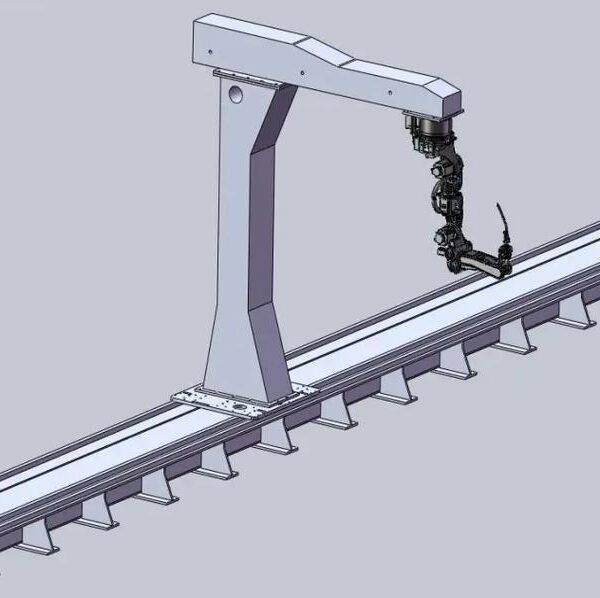

Cantilever Welding Robot solution
-
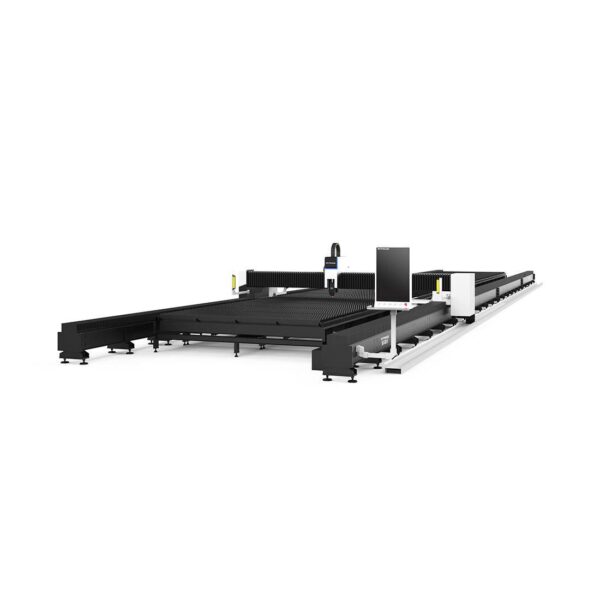

GF laser cutting machine
-
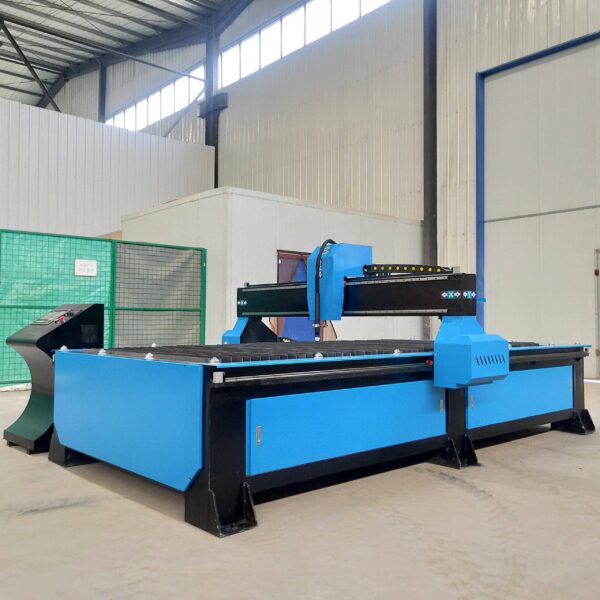
P3015 plasma cutting machine
-

LFP3015 Fiber Laser Cutter
-
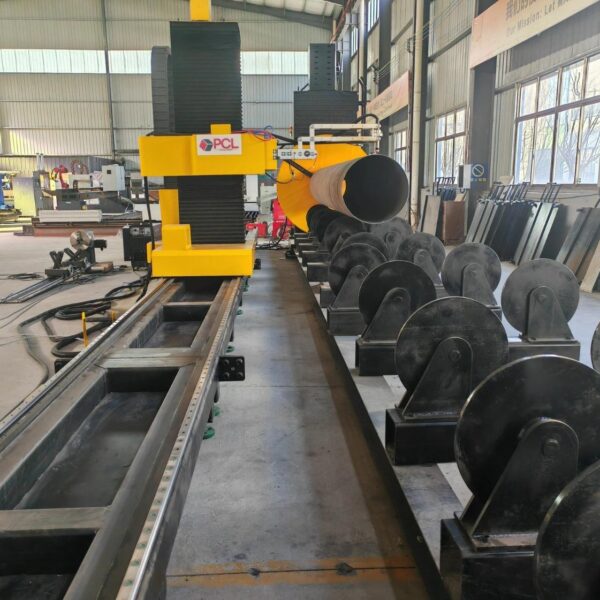
pipe plasma cutting machine
-
LFH 4020 Fiber Laser Cutting Machine
-
LFP4020
-
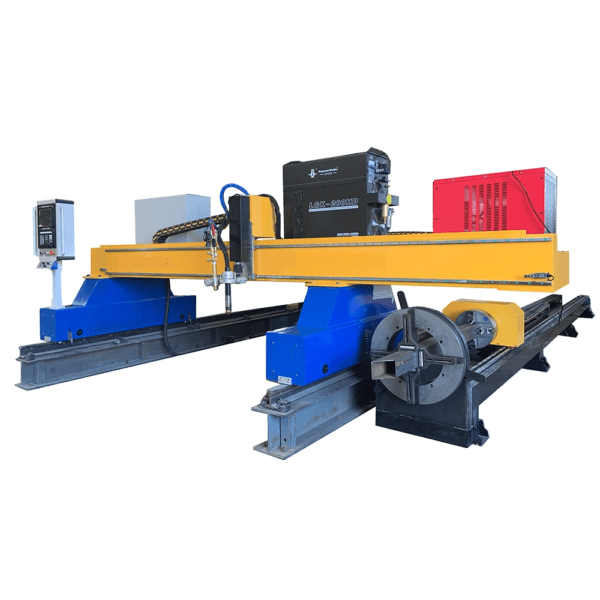
gantry plasma air cutting machine
-
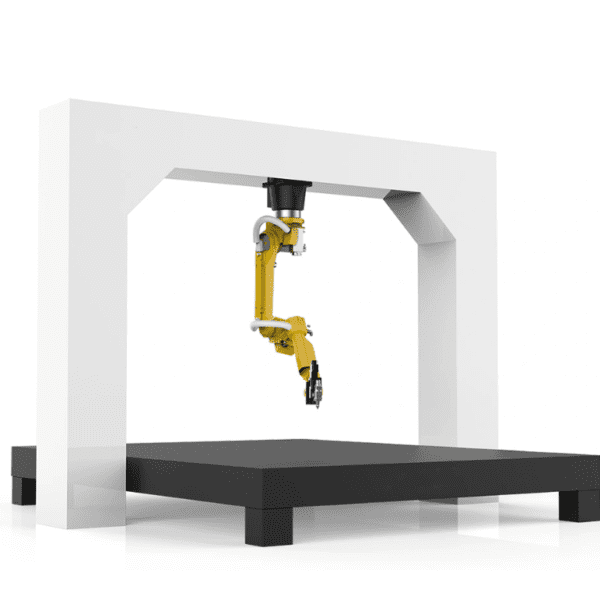
3D robot cutting machine
-
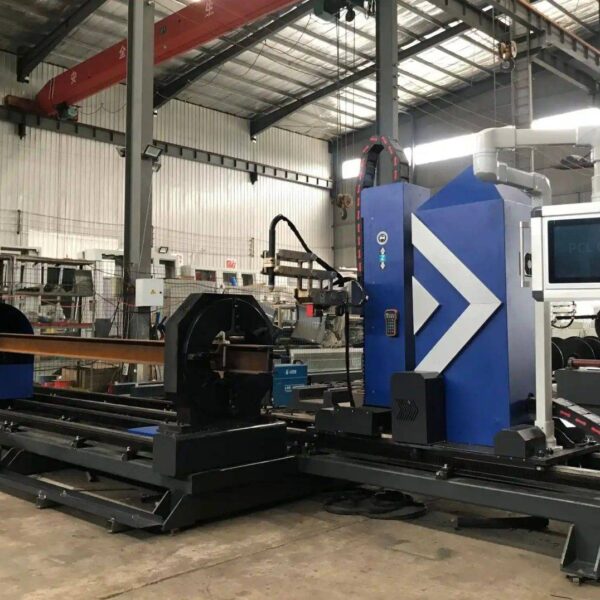
8 axis plasma cutting machine
-
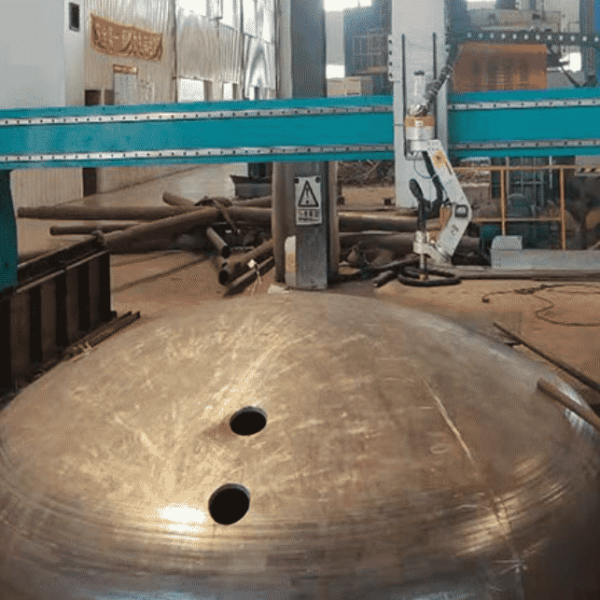
5 axis plasma cutting machine
-

LT360 tube laser cutting machine
-
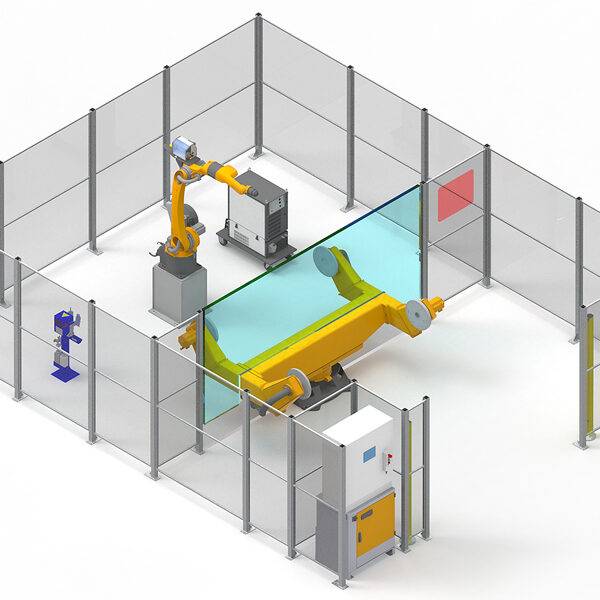
robot welding workstation
-
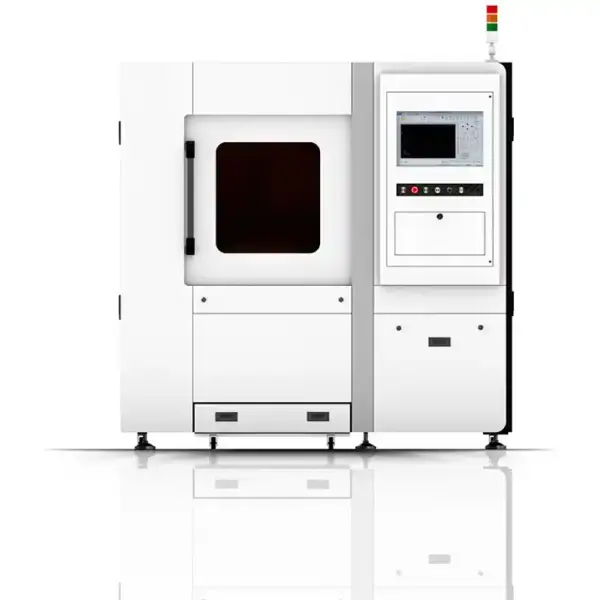
SF6060 fiber laser cutting machine
Advanced Fiber Laser Tube Processing Technology
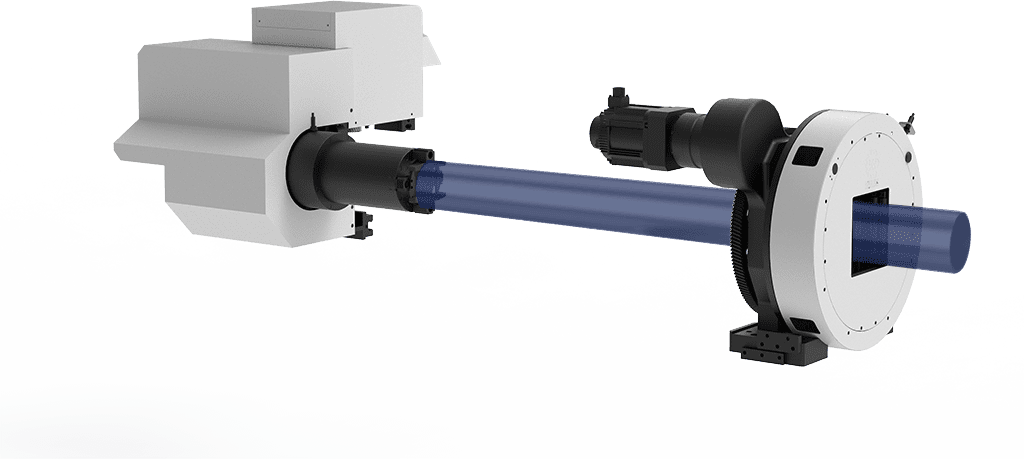
Our CNC Fiber Laser Tube Cutting systems revolutionize metal fabrication by integrating high-precision cutting, punching, and profiling into a single automated workflow. Designed for versatility, this technology handles a wide array of profiles including Round, Square, Rectangular, and Oval tubes, as well as complex L-shaped and U-shaped channels.
- Precision Punching: High-speed hole punching with micron-level accuracy, eliminating the need for mechanical drilling or die-stamping.
- Complex Profiling: Advanced 3D pathing allows for intricate interlocking joints and specialized notch cuts, ideal for structural frames.
- High Material Efficiency: Intelligent nesting software minimizes scrap, reducing raw material costs across large production runs.
- Clean Finish: Delivers oxide-free, burr-free edges that require zero secondary grinding before welding.

Seamlessly processing multiple profiles with consistent precision.
Global Delivery & Logistics



From our high-tech manufacturing facility directly to your global site. PCL WeldCut ensures secure packaging, professional handling, and reliable international logistics to safeguard your equipment throughout the entire journey.