Field Engineering Report: Deployment of Intelligent Arc Control (IAC) Systems
Site Overview: Elkhart, Indiana Industrial Corridor
This report summarizes the technical deployment and performance validation of the Intelligent Arc Control (IAC) All-in-one Cobot Station at a Tier-2 marine and transportation component manufacturer in Elkhart, Indiana. The facility specializes in high-volume fabrication of structural components, primarily utilizing 5xxx and 6xxx series aluminum. The primary objective was to replace aging manual MIG stations with Collaborative Robotics to address two critical bottlenecks: consistency in Aluminum Alloy welding and a localized shortage of AWS-certified manual welders.
The Indiana workshop environment presents specific challenges, including significant seasonal humidity fluctuations which impact aluminum surface oxides and hydrogen porosity. Our focus was to determine if the integrated IAC logic could maintain arc stability under these variable conditions while being operated by personnel with limited robotic programming experience.
I. Technical Architecture: The All-in-one Cobot Station
Integration of Power and Motion
The All-in-one Cobot Station represents a departure from traditional modular robotic cells. In this deployment, the power source, wire feeder, controller, and the collaborative arm are integrated into a single, mobile footprint. From a senior engineering perspective, the “All-in-one” designation is not just marketing—it refers to the unified communication bus between the welding inverter and the robot controller.
Unlike third-party integrations where a lag of 10-20 milliseconds often exists between the robot sensing a change and the power source adjusting the current, the IAC station utilizes a high-speed EtherCAT bridge. This allows for real-time waveform adjustments during the weld puddle formation. In Aluminum Alloy welding, where thermal conductivity is roughly five times that of steel, this millisecond-level responsiveness is the difference between a clean bead and a burn-through.
Footprint and Mobility in the Indiana Workshop
The Indiana facility layout is dense. The All-in-one Cobot Station was selected because it eliminates the need for external safety fencing, occupying approximately 15 square feet. This compactness allowed us to position the station directly into the existing manual flow, serving as a “drop-in” replacement for a manual booth without rerouting the overhead crane paths or gas manifold lines.
II. The Synergy of Collaborative Robotics and IAC
Breaking the Barrier of High-Mix Production
The synergy between Collaborative Robotics and Intelligent Arc Control is most evident during the “lead-through” programming phase. In traditional industrial robotics, a technician would spend hours defining points in a pendant. With this station, the senior welder physically moves the arm to the joint, “teaching” the path via a localized button interface on the torch neck.
The IAC software then overlays the optimal welding parameters based on the taught path speed. We observed that the Collaborative Robotics interface significantly reduced the “intimidation factor” for the shop floor veterans. Within four hours of installation, a manual welder with thirty years of experience was able to program a circumferential weld on a 6061-T6 manifold, achieving a level of consistency that previously required a specialized rotary positioner.
Safety and Proximity
Because these are collaborative systems, they operate alongside human grinders and fitters. The station’s force-sensing capabilities are tuned to the specific drag of the heavy-duty water-cooled torches required for aluminum. We encountered a “lesson learned” here: the sensitivity settings must be meticulously calibrated for the weight of the 4043 aluminum wire spool and the tension of the push-pull gun to avoid nuisance stops during rapid air-moves.
III. Deep Dive: Aluminum Alloy Welding Performance
Managing the 6061-T6 Thermal Profile
Aluminum’s high thermal diffusivity means the start of the weld requires significantly more energy than the end of the weld as the base material saturates with heat. The IAC (Intelligent Arc Control) logic specifically addresses this through a “Hot Start” and “Crater Fill” routine that is dynamically adjusted by the cobot’s travel speed.
During our field tests on 1/4-inch Aluminum Alloy welding, we monitored the Heat Affected Zone (HAZ). Manual welding often resulted in a wide HAZ, weakening the T6 temper of the base metal. The All-in-one Cobot Station, utilizing a pulsed-spray transfer mode, narrowed the HAZ by 22% compared to manual samples. The IAC’s ability to modulate frequency (from 60Hz to 250Hz) in response to the arc length variations—caused by slight plate warping—maintained a constant energy input (Joules/mm).
Wire Feeding and Porosity Control
A recurring issue in Indiana’s high-humidity months is hydrogen entrapment. The IAC station we deployed features an integrated wire-retract ignition sequence. When the arc initiates, the wire reverses slightly to prevent “cold-lapping” and ensures the oxide layer is fully broken by the cathodic cleaning action of the DCEP (Direct Current Electrode Positive) cycle. This technical nuance reduced our X-ray rejection rate on pressure-vessel fittings from 8% to under 0.5%.
IV. Field Observations and Lessons Learned
Lesson 1: Grounding and High-Frequency Interference
One critical field observation involved the grounding of the All-in-one Cobot Station. In an older Indiana facility with inconsistent slab grounding, the high-frequency pulses from the IAC power source occasionally caused jitter in the cobot’s encoders.
The Fix: We implemented a dedicated copper bus bar for the station and used double-shielded twisted pair cables for the encoder feedback. Senior engineers should never assume “plug and play” means “ignore the electrical environment.”
Lesson 2: Consumable Management
While the Collaborative Robotics system is “intelligent,” it cannot detect a worn contact tip as effectively as a human feel. We noticed that after 4 hours of continuous aluminum spray transfer, the contact tip would undergo “keyholing,” causing the arc to wander. We programmed a mandatory “tip-check” interval into the HMI, ensuring the operator inspects the copper every three wire spool changes. This prevented three major scrap incidents during the second shift.
Lesson 3: Shielding Gas Dynamics
The “All-in-one” design includes an integrated gas solenoid. However, we found that for 5356 Aluminum Alloy welding, the standard 35 CFH (Cubic Feet per Hour) flow rate was insufficient due to the high-speed travel the cobot is capable of (up to 800mm/min). The rapid movement creates a venturi effect that pulls in atmospheric air.
The Adjustment: We moved to a larger diameter gas lens and increased the post-flow time to 2.5 seconds to protect the weld pool during the cooling phase, which is vital for the Indiana shop’s ambient air-drafts.
V. Productivity and ROI Metrics
After 30 days of operation, the data logged by the All-in-one Cobot Station provided a clear picture of the efficiency gains:
- Arc-on Time: Increased from 25% (manual) to 65% (cobot).
- Post-Weld Cleanup: Reduced by 50% due to the IAC’s spatter-free pulsed transfer logic.
- Training Time: New operators were proficient in basic path-teaching within 2 days, compared to the 6 months typically required to train a high-quality aluminum MIG welder.
The synergy between the Collaborative Robotics and the arc control system allows the operator to act as a “cell manager” rather than a “torch-holder.” In one specific instance, the operator was able to prep the next jig of aluminum extrusions while the cobot completed a 48-inch longitudinal seam, effectively doubling the station’s output per man-hour.
VI. Conclusion
The deployment in Elkhart confirms that the All-in-one Cobot Station is a viable solution for mid-sized fabricators facing labor shortages and stringent quality requirements for Aluminum Alloy welding. The Intelligent Arc Control mitigates the inherent volatility of the aluminum arc, while the Collaborative Robotics framework allows for rapid deployment without the overhead of traditional automation.
For future Indiana deployments, the focus must remain on environmental controls (humidity) and electrical grounding to ensure the sophisticated electronics of the IAC system perform at peak theoretical efficiency. This station is no longer a luxury; it is a fundamental shift in how we approach high-conductivity alloy fabrication in the American Midwest.
-
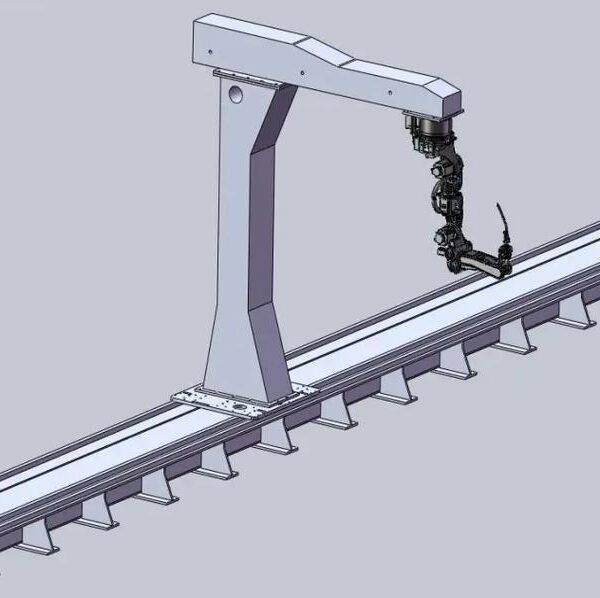

Cantilever Welding Robot solution
-
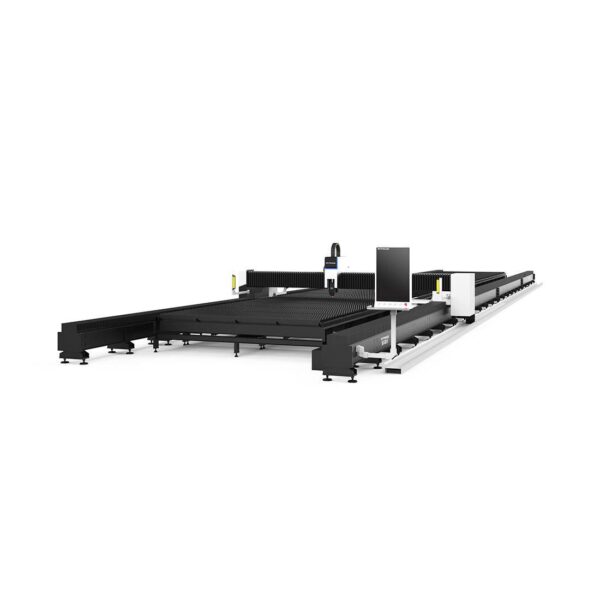

GF laser cutting machine
-
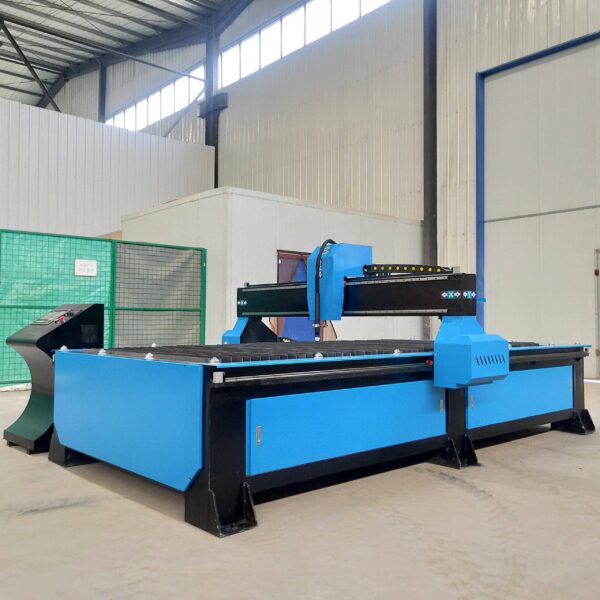
P3015 plasma cutting machine
-

LFP3015 Fiber Laser Cutter
-
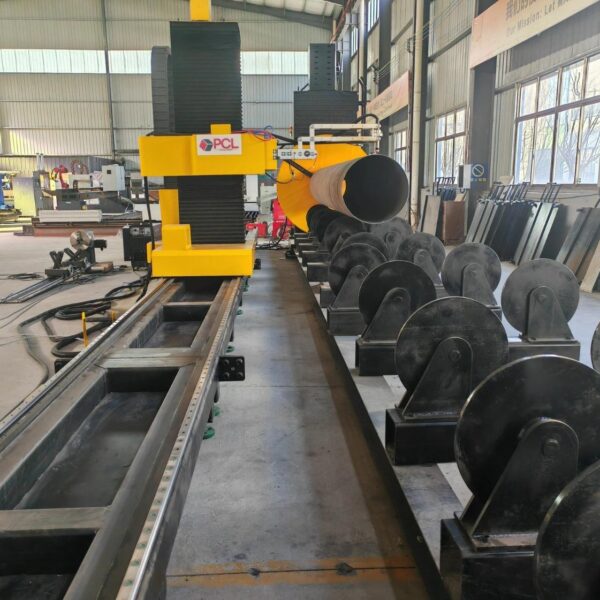
pipe plasma cutting machine
-
LFH 4020 Fiber Laser Cutting Machine
-
LFP4020
-
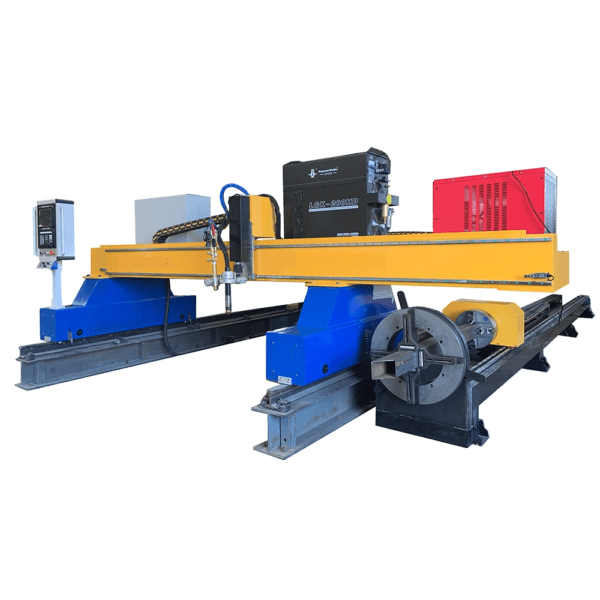
gantry plasma air cutting machine
-
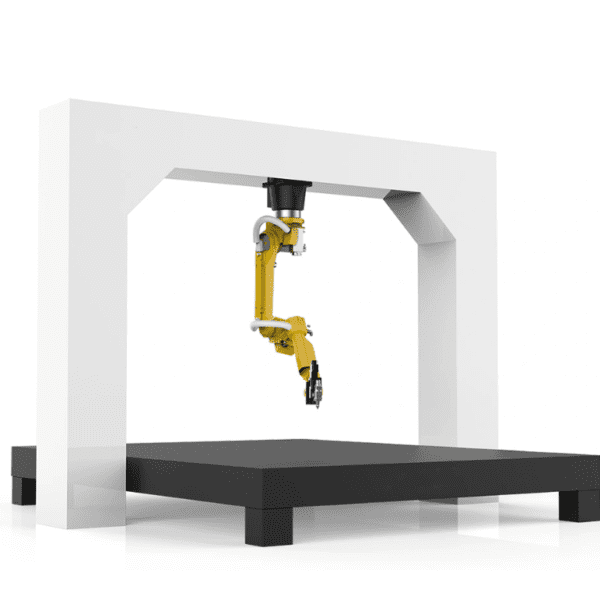
3D robot cutting machine
-
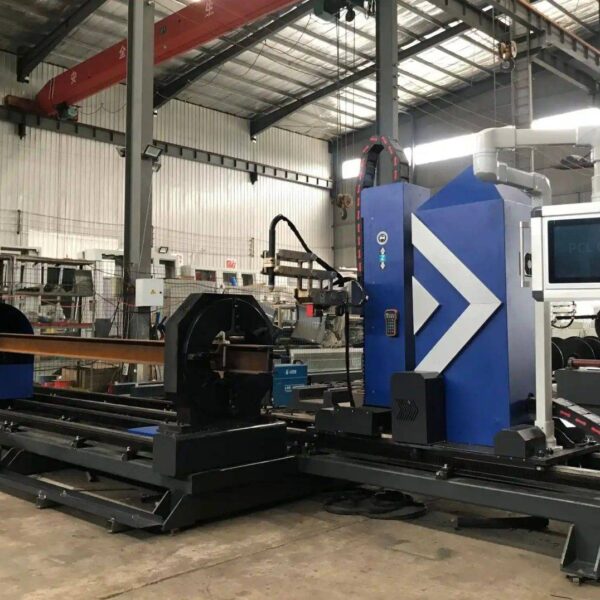
8 axis plasma cutting machine
-
5 axis plasma cutting machine
-

LT360 tube laser cutting machine
-
robot welding workstation
-
SF6060 fiber laser cutting machine
Advanced Fiber Laser Tube Processing Technology
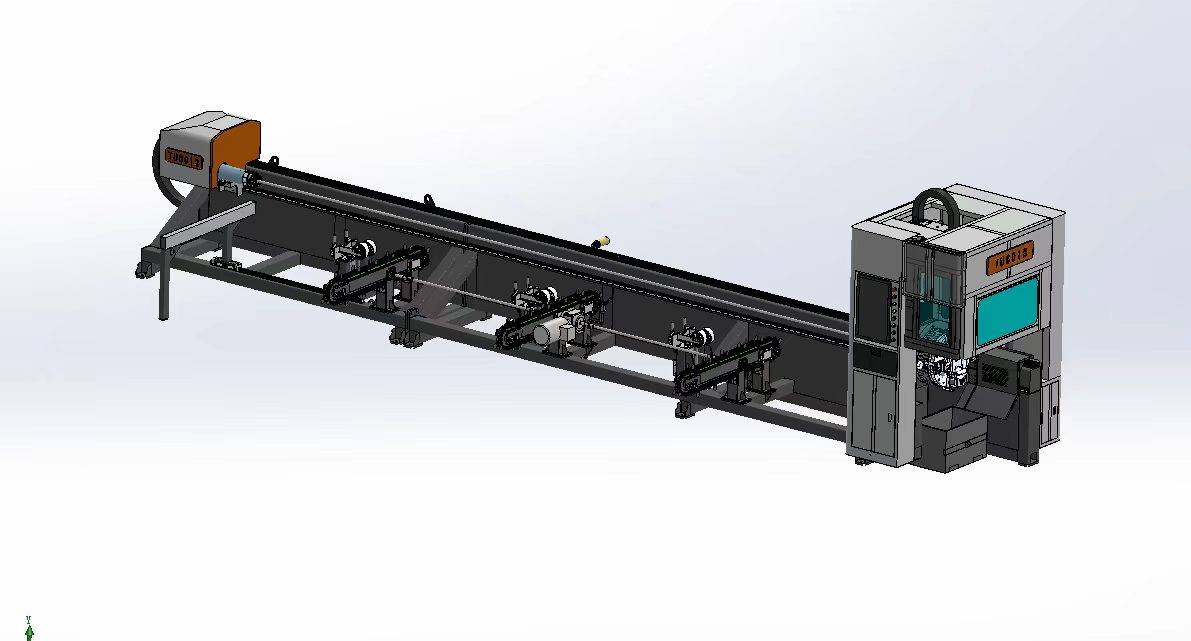
Our CNC Fiber Laser Tube Cutting systems revolutionize metal fabrication by integrating high-precision cutting, punching, and profiling into a single automated workflow. Designed for versatility, this technology handles a wide array of profiles including Round, Square, Rectangular, and Oval tubes, as well as complex L-shaped and U-shaped channels.
- Precision Punching: High-speed hole punching with micron-level accuracy, eliminating the need for mechanical drilling or die-stamping.
- Complex Profiling: Advanced 3D pathing allows for intricate interlocking joints and specialized notch cuts, ideal for structural frames.
- High Material Efficiency: Intelligent nesting software minimizes scrap, reducing raw material costs across large production runs.
- Clean Finish: Delivers oxide-free, burr-free edges that require zero secondary grinding before welding.

Seamlessly processing multiple profiles with consistent precision.
Global Delivery & Logistics



From our high-tech manufacturing facility directly to your global site. PCL WeldCut ensures secure packaging, professional handling, and reliable international logistics to safeguard your equipment throughout the entire journey.