Field Evaluation: Intelligent Arc Control and 6-Axis Collaborative Welder Integration
Site Overview: Cape Town Industrial Context
This report summarizes the commissioning and performance phase of the Intelligent Arc Control system integrated with a 6-Axis Collaborative Welder at our heavy fabrication facility in Epping, Cape Town. The maritime and structural engineering sectors in the Western Cape demand high-integrity Carbon Steel welding, often performed in high-humidity, salt-rich environments that compromise base metal cleanliness.
Our objective was to transition from manual Metal Active Gas (MAG) welding to a semi-autonomous workflow. The primary challenge in Cape Town’s industrial landscape remains the volatility of the power grid (load shedding contingencies) and a localized shortage of Category 1 coded welders. By implementing Automated Welding via collaborative robotics, we aimed to decouple production throughput from manual operator fatigue while maintaining the stringent quality standards required by ISO 3834-2.
The Synergy of 6-Axis Collaborative Welder and Automated Welding
In a traditional industrial setting, “Automated Welding” implies massive, fixed robotic cells with light curtains and rigid safety fencing. In the cramped floor plan of a Cape Town workshop, this is often impractical. The 6-Axis Collaborative Welder changes this dynamic by allowing “hand-guiding” teaching methods and cage-free operation alongside human fitters.
The synergy lies in the 6-axis degree of freedom. Carbon Steel welding on complex geometries—such as manifold brackets and eccentric reducers—requires the torch to maintain a consistent work angle and travel angle that a 3-axis or 5-axis system simply cannot achieve without complex re-jigging. The 6-axis arm mimics the human wrist, allowing the “Intelligent Arc Control” software to adjust the contact-to-workpiece distance (CTWD) dynamically. This is the hallmark of modern Automated Welding: the machine is no longer just following a path; it is reacting to the weld pool.
Technical Deep Dive: Carbon Steel Welding Parameters
The project focused on S355JR structural steel, a staple in South African construction. Our baseline was 12mm plate-to-plate T-joints and 6mm pipe-to-flange welds.
Material Preparation and the Coastal Factor
In Cape Town, surface oxidation occurs faster than in inland regions like Gauteng. Even with indoor storage, the Carbon Steel welding process was initially plagued by porosity.
* **Lesson Learned:** We adjusted the Automated Welding pre-flow gas settings from 0.5s to 1.2s to ensure the atmospheric nitrogen and oxygen were fully displaced from the arc zone before ignition.
* **Consumables:** We utilized an ER70S-6 wire with an 80/20 Argon/CO2 shielding gas mix. The 6-Axis Collaborative Welder was programmed to maintain a consistent 15mm stick-out, which is nearly impossible for manual welders to maintain over an 8-hour shift.
Intelligent Arc Control Dynamics
The “Intelligent” component of the system refers to the high-speed feedback loop between the power source and the 6-axis arm. As the arm moves along the joint, the system monitors the arc impedance. If the fit-up gap varies (a common issue in manual tacking of Carbon Steel welding), the system automatically adjusts the wire feed speed and voltage to maintain a constant heat input.
Operational Performance and Path Programming
The deployment of the 6-Axis Collaborative Welder focused on “Lead-Through” programming. Instead of coding lines of G-code, our senior welders move the robot arm physically to the start and end points of the weld.
Complex Geometry Handling
The 6th axis is critical for orbital-style movements on fixed pipework. During the trial, we processed twenty 150mm diameter carbon steel flanges. The Automated Welding sequence was programmed in under 10 minutes. By maintaining a torch lead angle of 10 degrees consistently through the 360-degree rotation, we reduced the Heat Affected Zone (HAZ) by 15% compared to manual samples. This reduction in heat input is vital for maintaining the mechanical properties of S355JR steel, particularly impact toughness at low temperatures.
Managing the “Cape Town Grid” Variable
A significant technical hurdle was the impact of voltage fluctuations on the Automated Welding hardware. South African power stability often leads to “arc wandering.”
* **Solution:** We integrated a dedicated industrial voltage stabilizer between the main busbar and the 6-Axis Collaborative Welder. This ensured that the “Intelligent Arc Control” wasn’t fighting phantom voltage drops caused by external grid instability.
Lessons Learned: Technical Realities vs. Theoretical Specs
After 400 hours of arc-on time, several “on-the-ground” lessons emerged that aren’t found in the manufacturer’s manual.
1. Jigging Precision is Non-Negotiable
While the 6-Axis Collaborative Welder is “intelligent,” it is not omniscient. We found that Automated Welding on Carbon Steel welding projects fails if the fit-up gap exceeds 1.5mm on a fillet weld without a specific “weave” pattern programmed. We had to retrain our fitters to use precision spacers. The “synergy” between human and machine breaks down if the human prep-work is sloppy.
2. Spatter Management on 6-Axis Arms
Carbon steel MAG welding is inherently messy. We noticed that spatter accumulation on the 6th-axis joint began to interfere with the collision detection sensors.
* **Action:** We implemented a mandatory “Nozzle Clean” cycle every five components. Furthermore, we customized a leather heat-shield jacket for the cobot arm to prevent “berry” burns on the sensitive robotic skin.
3. The Shift in Labor Roles
The introduction of the 6-Axis Collaborative Welder initially met resistance. However, the “lesson learned” here was psychological. Once the manual welders realized the robot was taking the “dirty, dull, and dangerous” 1-meter long structural welds, they could focus on the complex, low-access joints. The Automated Welding unit became a tool in their kit, not a replacement for their hands.
Comparative Analysis: Manual vs. Collaborative Automated Welding
| Feature | Manual Carbon Steel Welding | 6-Axis Collaborative Welder |
| :— | :— | :— |
| **Duty Cycle** | 30% – 40% (Fatigue limited) | 85% (Cooling limited) |
| **Weld Consistency** | Variable (Operator dependent) | ±0.05mm Repeatability |
| **Gas Consumption** | Higher (Inconsistent trigger use) | Optimized (Post-flow controlled) |
| **Post-Weld Cleanup** | High (Spatter/Over-welding) | Minimal (Precision arc control) |
For Carbon Steel welding, the 6-Axis Collaborative Welder produced a 40% increase in daily throughput. Most importantly, the reject rate due to ultrasonic testing (UT) failures on the root pass dropped from 8% to less than 0.5%.
Conclusion: The Path Forward for Cape Town Fabrication
The integration of the 6-Axis Collaborative Welder into our Cape Town facility has proven that Automated Welding is no longer reserved for high-volume automotive plants. The ability to handle the rugged requirements of Carbon Steel welding while remaining flexible enough for small-batch jobbing is the key to local manufacturing competitiveness.
The Intelligent Arc Control system successfully compensated for the minor inconsistencies inherent in South African steel grades and local environmental conditions. Our next phase will involve expanding the Automated Welding program to include 5G and 6G pipe positions, further leveraging the 6-axis reach to eliminate the need for rotary positioners in tight workshop corners.
**Report End.**
*Signed,*
*Senior Welding Engineer (C&I)*
-
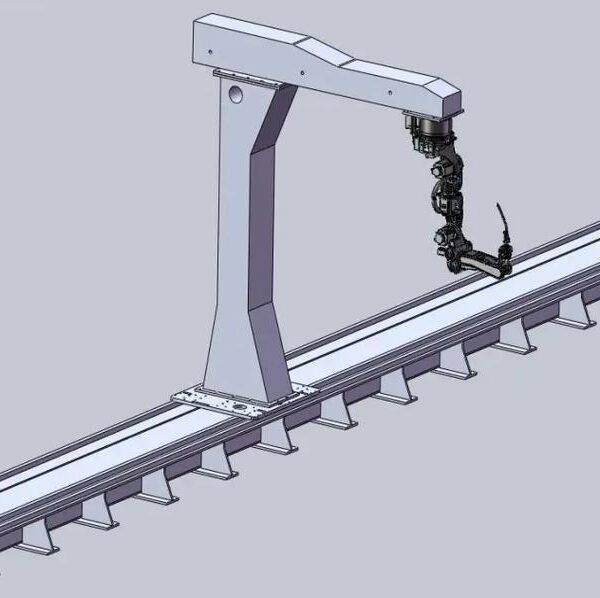

Cantilever Welding Robot solution
-
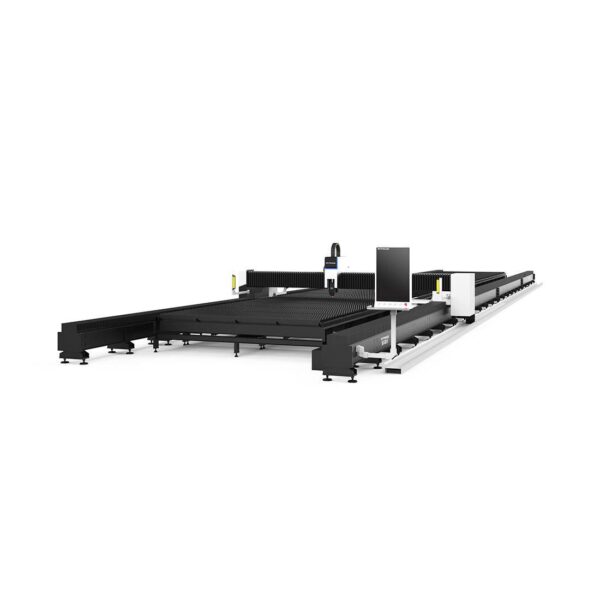

GF laser cutting machine
-
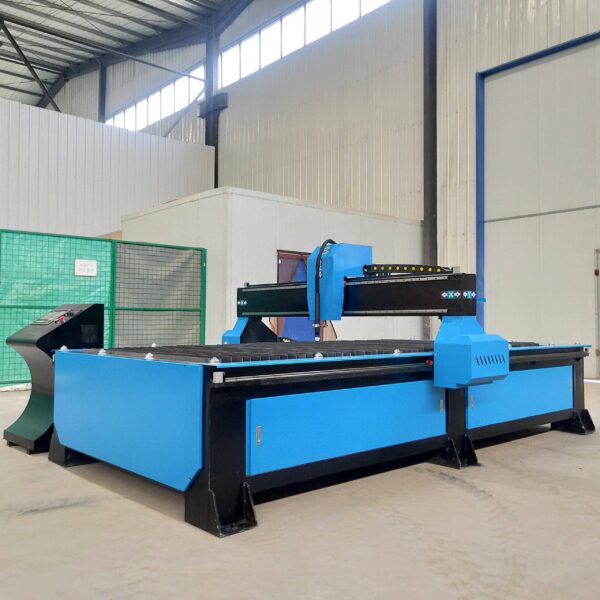
P3015 plasma cutting machine
-

LFP3015 Fiber Laser Cutter
-
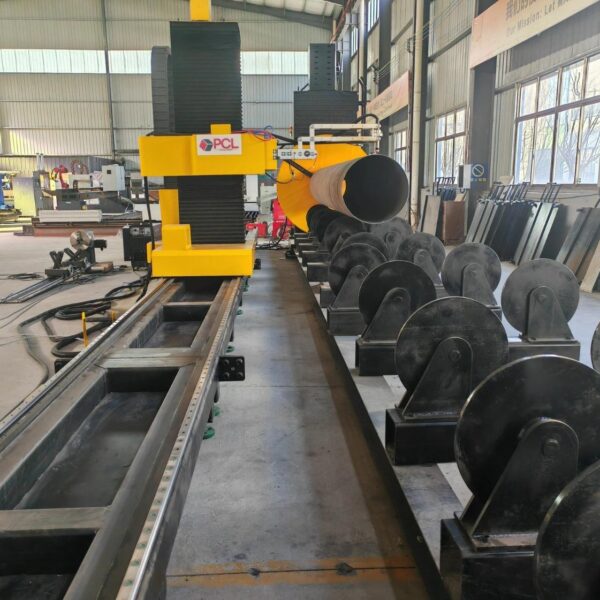
pipe plasma cutting machine
-
LFH 4020 Fiber Laser Cutting Machine
-
LFP4020
-
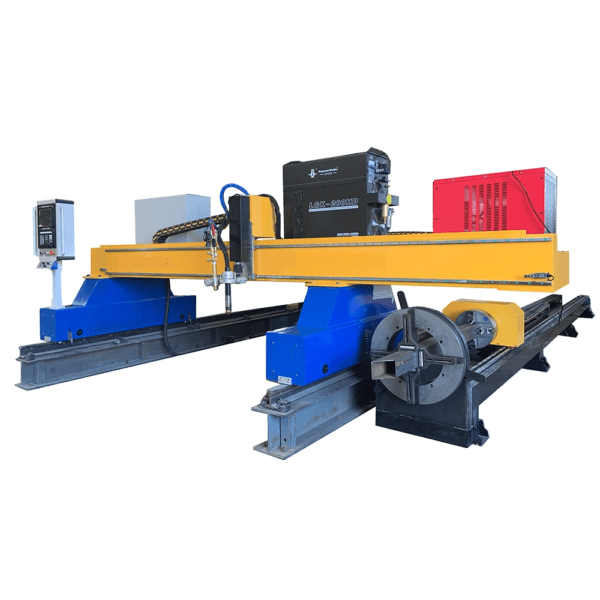
gantry plasma air cutting machine
-
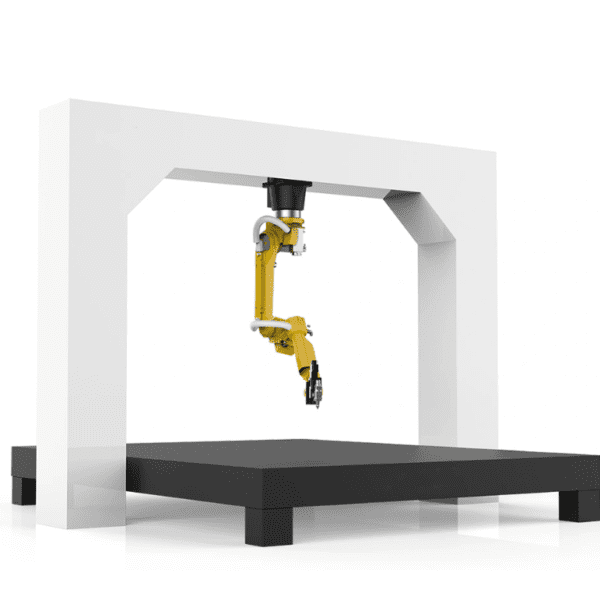
3D robot cutting machine
-
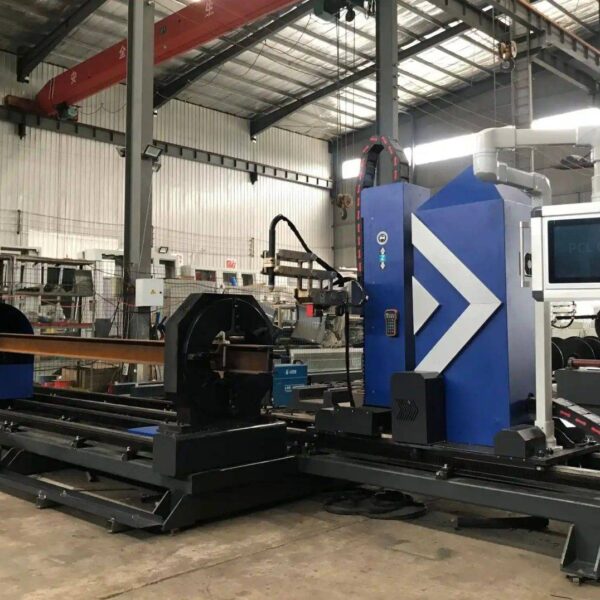
8 axis plasma cutting machine
-
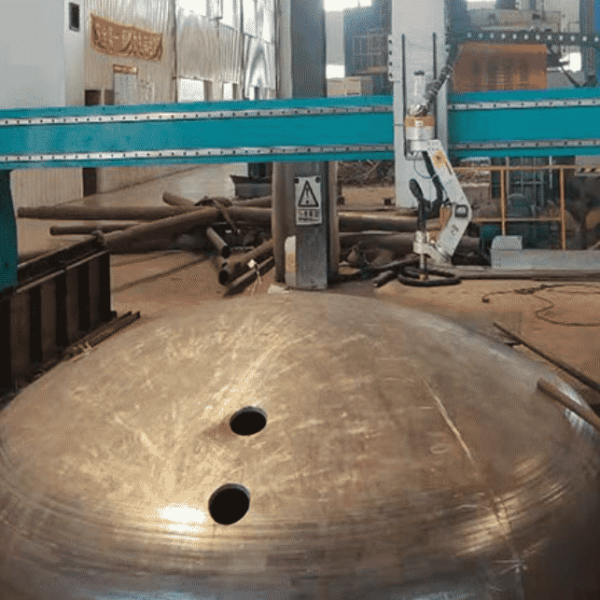
5 axis plasma cutting machine
-

LT360 tube laser cutting machine
-
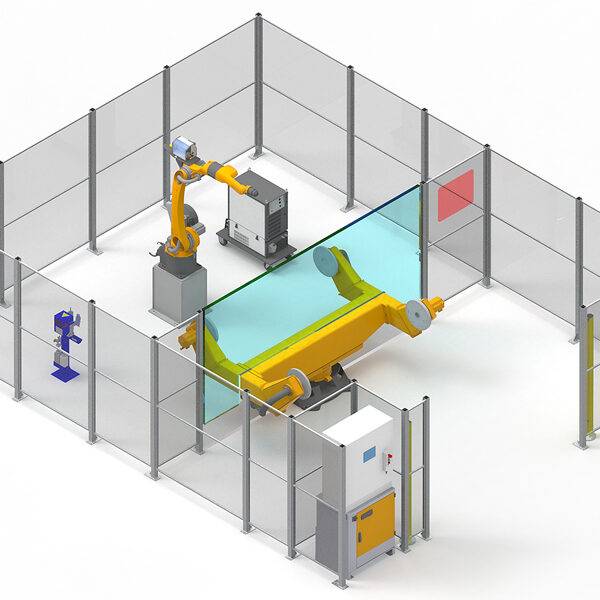
robot welding workstation
-
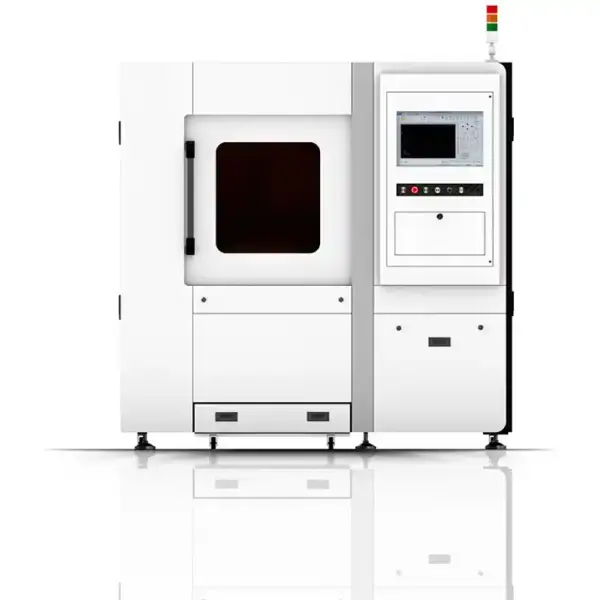
SF6060 fiber laser cutting machine
Advanced Fiber Laser Tube Processing Technology
Our CNC Fiber Laser Tube Cutting systems revolutionize metal fabrication by integrating high-precision cutting, punching, and profiling into a single automated workflow. Designed for versatility, this technology handles a wide array of profiles including Round, Square, Rectangular, and Oval tubes, as well as complex L-shaped and U-shaped channels.
- Precision Punching: High-speed hole punching with micron-level accuracy, eliminating the need for mechanical drilling or die-stamping.
- Complex Profiling: Advanced 3D pathing allows for intricate interlocking joints and specialized notch cuts, ideal for structural frames.
- High Material Efficiency: Intelligent nesting software minimizes scrap, reducing raw material costs across large production runs.
- Clean Finish: Delivers oxide-free, burr-free edges that require zero secondary grinding before welding.

Seamlessly processing multiple profiles with consistent precision.
Global Delivery & Logistics



From our high-tech manufacturing facility directly to your global site. PCL WeldCut ensures secure packaging, professional handling, and reliable international logistics to safeguard your equipment throughout the entire journey.