Field Engineering Report: Integration of High-Speed MAG Laser Welding Cobot
Site Location: Bologna, Italy – Industrial Processing Zone
1. Executive Summary of Field Operations
The primary objective of the Bologna deployment was the commissioning and optimization of a Laser Welding Cobot system within a mid-sized automotive tier-2 supplier facility. The facility specializes in exhaust manifold components and structural framing, primarily utilizing Galvanized Pipe welding. Traditional manual MAG (Metal Active Gas) processes were yielding high reject rates due to zinc-inclusion porosity and inconsistent travel speeds.
The introduction of advanced Laser Technology, integrated with a collaborative robotic arm, was designed to bridge the gap between the high-speed requirements of the Italian manufacturing sector and the delicate thermal management required for coated steels. This report details the technical parameters, metallurgical observations, and the synergistic relationship between the cobot’s precision and the laser’s concentrated energy density.
2. Technical Synergy: Laser Technology and the Cobot Interface
The heart of this installation is the fusion of a 2kW fiber laser source with a high-speed MAG torch, all manipulated by a 6-axis Laser Welding Cobot. In the Bologna workshop, the physical footprint was a major constraint. Unlike traditional high-power laser cells that require massive floor space and light-tight bunkers, the cobot allowed for a more flexible, localized shielding solution.
Laser Technology in this context acts as the stabilizing force. When welding at high speeds (exceeding 1.2 meters per minute), a standard MAG arc becomes unstable, often trailing or breaking. By introducing a focused laser beam into the weld pool, we create a “keyhole” effect that anchors the arc. The Laser Welding Cobot provides the path accuracy (±0.05mm) necessary to keep the laser beam perfectly centered in the joint, a task nearly impossible for a manual welder at these velocities.
3. Addressing the “Galvanized Pipe welding” Challenge
The core technical hurdle in Bologna was the Galvanized Pipe welding sequence. Galvanized steel is notoriously difficult to weld due to the low boiling point of zinc (906°C) compared to the melting point of steel (approx. 1500°C). In conventional welding, the zinc vaporizes violently, leading to:
- Extensive spatter that fouls the gas nozzle.
- Internal porosity (blowholes) as the gas is trapped in the freezing weld pool.
- Zinc embrittlement in the Heat Affected Zone (HAZ).
By utilizing the Laser Welding Cobot, we implemented a “pulse-on-pulse” strategy. The Laser Technology pre-evaporates a thin track of zinc ahead of the main molten pool, while the cobot maintains a consistent 3-degree push angle. This specific angle is critical; it allows the zinc vapors to escape forward, away from the weld bead, rather than being trapped under the filler metal.
4. Parameter Optimization and Path Calibration
During the first week in Bologna, we focused on calibrating the travel speed against the laser power output. For the 2.5mm wall-thickness galvanized pipes, the following “Sweet Spot” parameters were established:
- Laser Power: 1.8 kW (Continuous Wave mode).
- Wire Feed Speed: 9.5 m/min (G3Si1 1.0mm wire).
- Travel Speed: 1.4 m/min.
- Shielding Gas: 92% Argon / 8% CO2 at 18 L/min.
The Laser Welding Cobot was programmed using a lead-through teaching method, which the local Italian operators adopted within two shifts. The synergy here is clear: the Laser Technology provides the “bite” into the material, while the cobot ensures that the high-speed “bite” never wanders off-seam.
5. Metallurgical Observations and Quality Control
Post-weld cross-sections performed at the Bologna lab showed a significantly refined grain structure compared to manual MAG. The Laser Welding Cobot‘s ability to maintain a constant velocity resulted in a uniform cooling rate.
In Galvanized Pipe welding, the “root” of the weld is typically where zinc vapor becomes trapped. Our macro-etch tests confirmed that the high energy density of the Laser Technology achieved full penetration with a narrower HAZ. This narrow zone is vital; it preserves the corrosion resistance of the surrounding galvanized coating, reducing the need for extensive post-weld cold-galvanizing sprays.
6. Lessons Learned from the Bologna Workshop
Direct field experience highlighted several nuances that are often omitted in technical manuals:
A. Fixture Tolerance: The Laser Welding Cobot is only as good as the jigging. We found that a 0.2mm gap in the pipe join caused the laser to “drop through” without melting the filler wire effectively. We had to upgrade the pneumatic clamps on the Bologna line to ensure zero-gap fitment.
B. Fume Extraction: While Laser Technology reduces spatter, the volume of zinc oxide fume produced at high speeds is substantial. The cobot’s integration must include a high-vacuum extraction nozzle mounted directly to the torch head to prevent optics contamination.
C. Lens Maintenance: In the high-cycle environment of the Bologna plant, the protective cover slide of the laser head required cleaning every 4 hours. Even with the cobot’s precision, the aggressive nature of Galvanized Pipe welding creates a fine metallic mist.
7. Operational Impact: Manual vs. Cobot
Before the implementation of the Laser Welding Cobot, the workshop produced 40 units per hour with a 15% rework rate. Following the stabilization of the Laser Technology parameters, production increased to 110 units per hour with a rework rate below 2%.
The primary driver for this was not just the speed of the arm, but the reduction in thermal distortion. Because the laser concentrates heat so effectively, the pipes remained geometrically stable, eliminating the need for a secondary straightening process—a common bottleneck in Italian pipe fabrication.
8. Conclusion on Site Integration
The Bologna project confirms that the Laser Welding Cobot is no longer an experimental tool but a prerequisite for high-volume Galvanized Pipe welding. The combination of Laser Technology for depth-to-width ratio control and robotic path consistency addresses the fundamental flaws of manual MAG welding on coated substrates.
For future deployments, we recommend a mandatory pre-check of material coating thickness. Variations in the micron-level thickness of the zinc layer on the pipes provided in Bologna occasionally required real-time adjustments to the laser’s peak power. Integrating an upstream sensor to feed coating density data back to the cobot controller would be the logical next step for a fully autonomous “lights-out” operation.
End of Report.
Prepared by: Senior Welding Engineer, Field Operations Division.
-
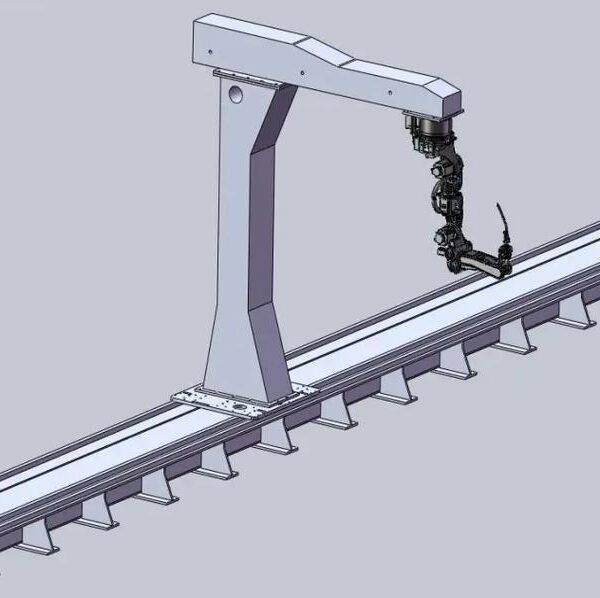

Cantilever Welding Robot solution
-
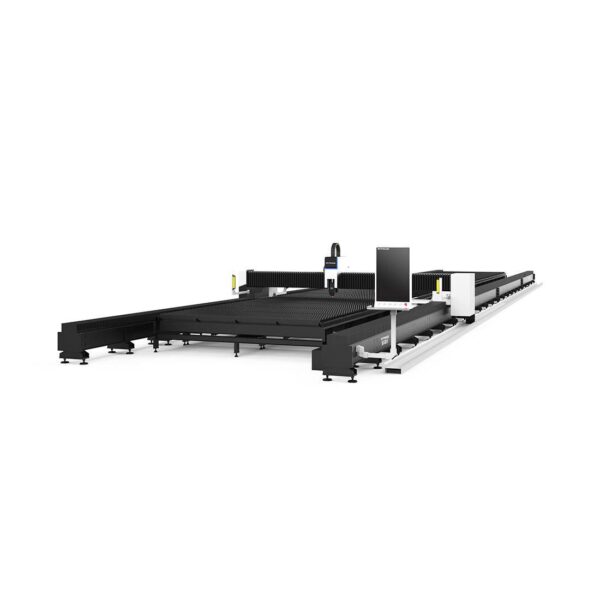

GF laser cutting machine
-
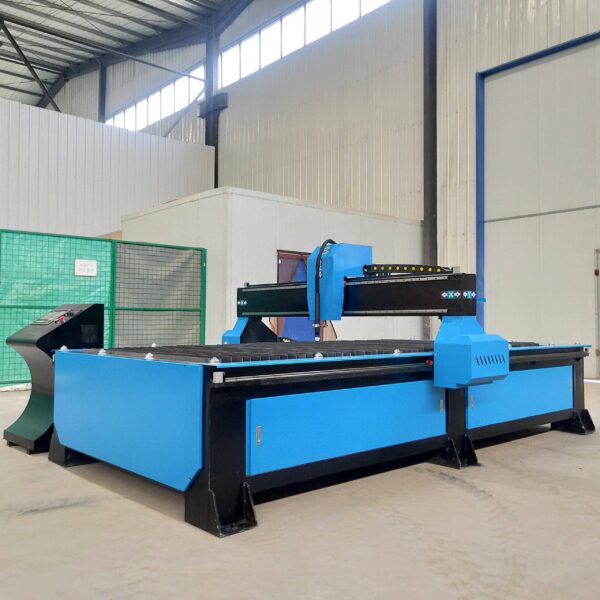
P3015 plasma cutting machine
-

LFP3015 Fiber Laser Cutter
-
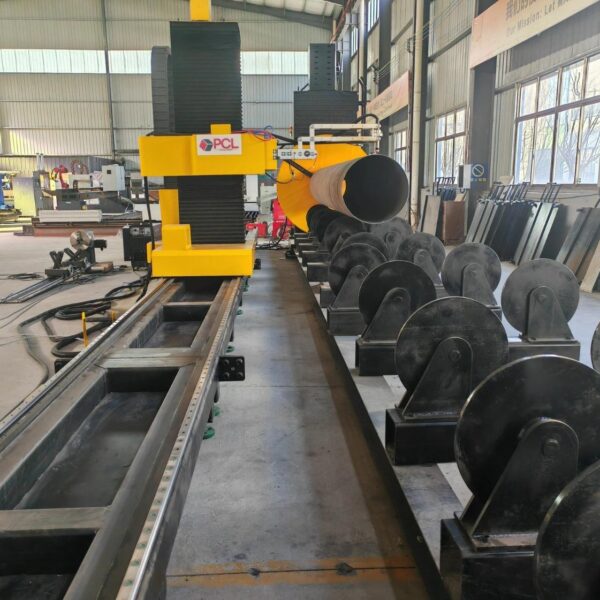
pipe plasma cutting machine
-
LFH 4020 Fiber Laser Cutting Machine
-
LFP4020
-
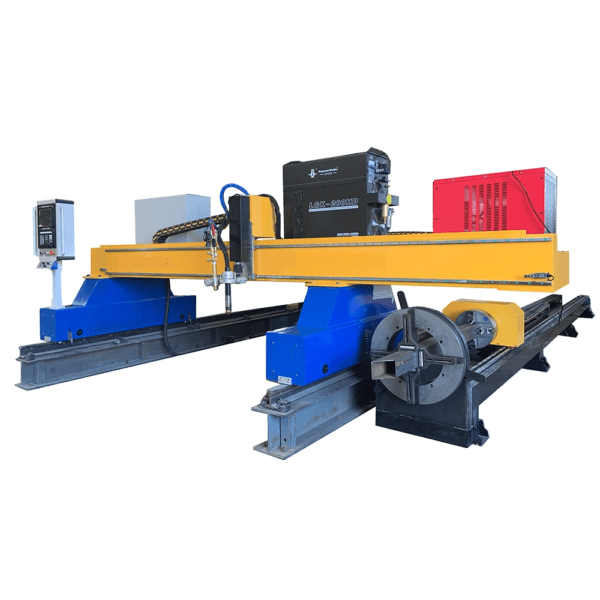
gantry plasma air cutting machine
-
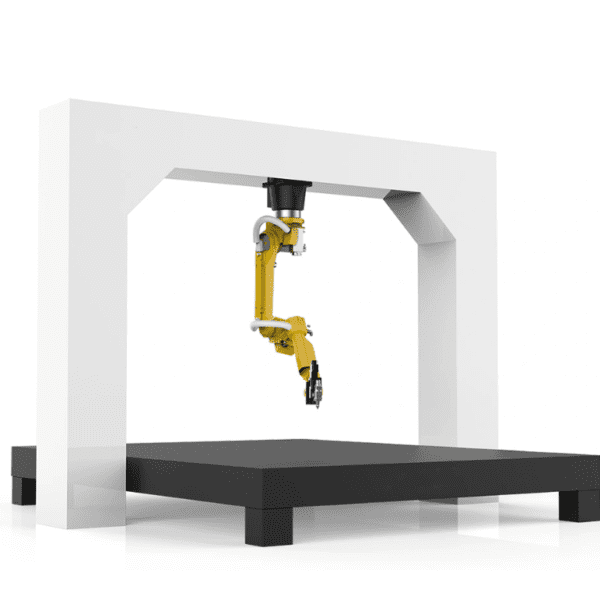
3D robot cutting machine
-
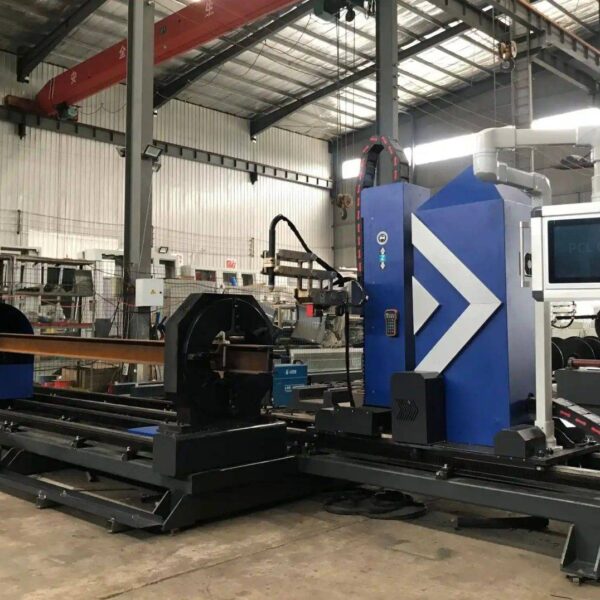
8 axis plasma cutting machine
-
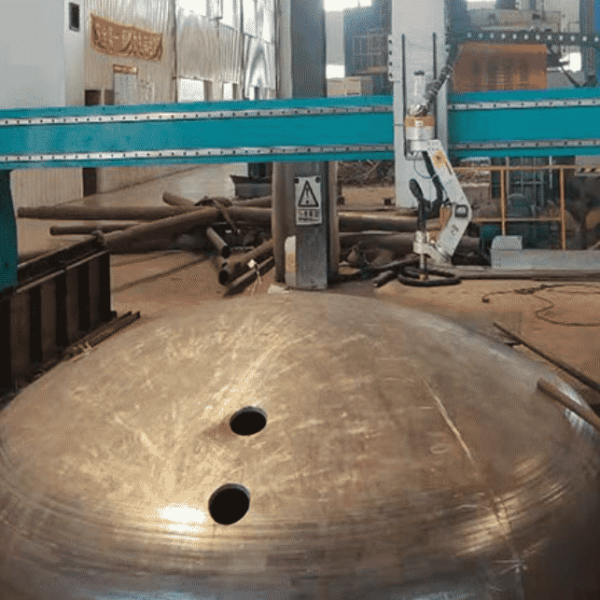
5 axis plasma cutting machine
-

LT360 tube laser cutting machine
-
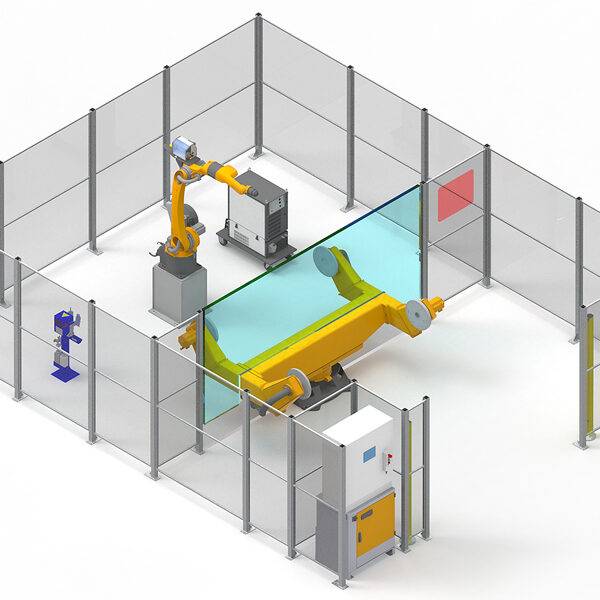
robot welding workstation
-
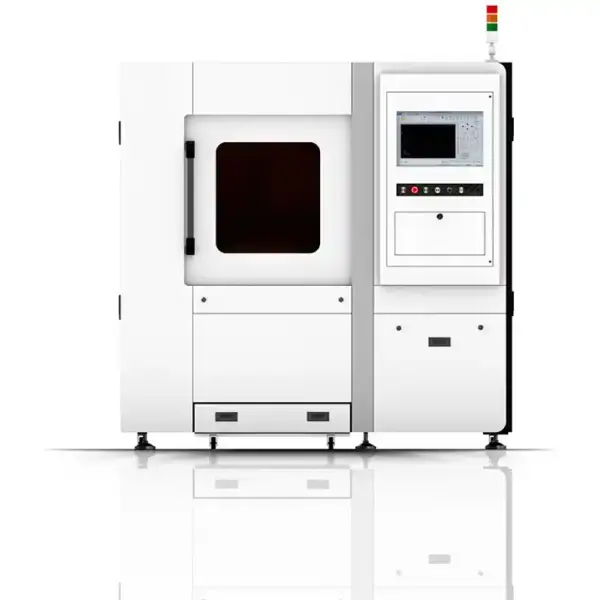
SF6060 fiber laser cutting machine
