Field Engineering Report: Commissioning of High-Speed Hybrid MAG-Laser Systems
Site Location: Epping Industrial, Cape Town, South Africa
1. Executive Summary and Site Conditions
This report outlines the technical findings and operational implementation of a 6kW **Industrial Laser Welder** integrated with a high-speed Metal Active Gas (MAG) system at a heavy fabrication facility in Cape Town. The objective was to replace traditional multi-pass MAG processes with a single-pass hybrid solution for **Mild Steel welding** on structural components.
Cape Town presents a specific set of environmental variables that affect high-precision **Laser Technology**. The proximity to the Atlantic seaboard introduces high saline humidity, which can lead to rapid oxidation of prepared edges on mild steel if not managed. Furthermore, the local power grid stability necessitated the integration of industrial-grade voltage stabilization to protect the sensitive diode modules within the **Industrial Laser Welder**.
2. Technical Synergy: Industrial Laser Welder and Laser Technology
The core of this deployment is the synergy between the fiber-delivered **Laser Technology** and the secondary MAG arc. In a standalone MAG process, high speeds often lead to humping or undercut. By integrating an **Industrial Laser Welder** as the leading energy source, we utilize the “keyhole” effect to establish a deep, narrow melt pool.
The **Laser Technology** acts as an anchor for the MAG arc. The ionized metal vapor (plasma plume) generated by the laser provides a preferential path for the arc, stabilizing it at travel speeds exceeding 2.5 meters per minute on 6mm plate. This synergy allows for a significant reduction in total heat input while increasing penetration depth—a feat impossible with conventional welding alone. In the Cape Town workshop, we observed a 40% reduction in angular distortion compared to previous manual MIG/MAG methods.
3. Application Focus: High-Volume Mild Steel Welding
**Mild Steel welding** remains the backbone of South African manufacturing, specifically in the automotive and renewable energy (wind tower) sectors. During this field trial, we focused on S355JR grade steel.
The primary challenge with **Mild Steel welding** using high-speed **Laser Technology** is the management of mill scale and surface contaminants. While an **Industrial Laser Welder** is highly efficient, its sensitivity to surface impurities is higher than traditional methods.
**Lessons Learned on Surface Prep:**
* **Mechanical Cleaning:** On 8mm mild steel, simple solvent wiping was insufficient. We moved to a specialized edge-grinding protocol to ensure a “bright metal” finish.
* **Gap Bridging:** Unlike pure laser welding, the hybrid approach (MAG + Laser) allows us to bridge gaps up to 1.5mm. This is critical in the South African context where plate tolerances from local mills can vary significantly.
4. Parameter Optimization and Thermal Profile
To achieve a structural-grade weld, the **Industrial Laser Welder** was set to a 4.5kW output, while the MAG component handled the filler metal deposition at 280 Amps. The balance is delicate. Too much laser power leads to root spitting; too little results in a lack of fusion.
By leveraging advanced **Laser Technology**, we adjusted the focal position to 2mm below the plate surface. This “defocused” approach in **Mild Steel welding** widened the root of the weld, ensuring that the MAG melt pool could flow into the laser-generated cavity without trapping gas. This is essential for passing X-ray inspections required by South African maritime and structural standards.
5. Environmental Impacts: The Cape Town Factor
The “Cape Doctor” (the strong South-Easterly wind) poses a significant risk to shielding gas integrity. Even within a sheltered workshop in Paarden Eiland or Epping, cross-drafts can disrupt the laminar flow of the Argon/CO2 mix.
**Engineering Workaround:**
We implemented a dual-shielding shroud. The **Industrial Laser Welder** head was fitted with a localized high-pressure nozzle, while a secondary, wider trailing shield protected the cooling weld pool. This ensured that the **Mild Steel welding** process remained free of porosity, despite the high ambient airflow typical of the region.
6. Metallurgical Observations in Mild Steel
One of the most significant advantages of using an **Industrial Laser Welder** on mild steel is the refinement of the Heat Affected Zone (HAZ). Traditional MAG welding creates a broad HAZ that can lead to localized softening.
Our cross-sectional analysis showed that the **Laser Technology** produced a narrow, columnar grain structure in the fusion zone. The rapid cooling rates associated with high-speed hybrid welding did not result in excessive martensite formation in S355JR, provided the interpass temperature was kept below 250°C. This maintains the ductility required for structural components subject to the high wind loads found in the Western Cape.
7. Operational Challenges and “Real-World” Friction
Transitioning a workshop from traditional sticks and MIG guns to an **Industrial Laser Welder** requires a shift in engineering mindset.
**Lessons from the Shop Floor:**
* **Safety Zone:** The 1070nm wavelength of the fiber laser is invisible and hazardous. We had to construct a dedicated Class 4 enclosure. In a busy Cape Town facility, ensuring workers didn’t bypass interlocks was a major training hurdle.
* **Chiller Maintenance:** The high humidity in Cape Town caused condensation on the laser optics during the night-shift cooldown. We had to implement a dry-nitrogen purge for the optical head to prevent “lens frying” upon morning startup.
8. Productivity Metrics and ROI
Before the introduction of the **Industrial Laser Welder**, a standard 10-meter seam on 10mm mild steel required three passes and roughly 45 minutes of arc time (including deslagging).
With the current **Laser Technology** setup:
1. **Prep Time:** Increased by 10% (due to stricter cleaning requirements).
2. **Weld Time:** Reduced to 4 minutes (single pass, hybrid).
3. **Post-Weld:** Zero grinding required due to the lack of spatter from the stabilized arc.
For the local industry, this represents a massive leap in throughput. The initial capital expenditure is high, but the cost per meter of weld is significantly lower when factoring in the reduction in filler wire and shielding gas consumption.
9. Maintenance of the Industrial Laser Welder in South Africa
A recurring concern for local engineers is the “serviceability” of overseas-designed **Laser Technology**. During this field visit, we established a local “clean room” kit for lens replacements.
The **Industrial Laser Welder** is robust, but the protective windows (cover slides) are a consumable. In the dusty environment of a **Mild Steel welding** shop, these slides need checking every 4 hours of arc time. Failure to do so results in thermal lens shift, which degrades penetration. We trained the local team on “diffuse light inspection” to catch contamination before it causes hardware failure.
10. Conclusion and Future Outlook
The integration of high-speed MAG and **Industrial Laser Welder** systems in Cape Town is a proven success for heavy-duty **Mild Steel welding**. The synergy provided by modern **Laser Technology** effectively compensates for the traditional limitations of high-speed arc welding—namely instability and excessive heat.
For senior engineers looking to implement this, the focus must remain on:
1. **Rigorous edge preparation** to satisfy the laser’s requirements.
2. **Environmental shielding** to combat the coastal winds.
3. **Stabilized power supply** to protect the internal diodes.
As the South African manufacturing sector moves toward 4IR (Fourth Industrial Revolution) standards, the adoption of laser-hybrid systems will be the defining factor in remaining competitive on the global stage. This field report confirms that the tech is ready for the rigors of the Cape’s industrial landscape.
-
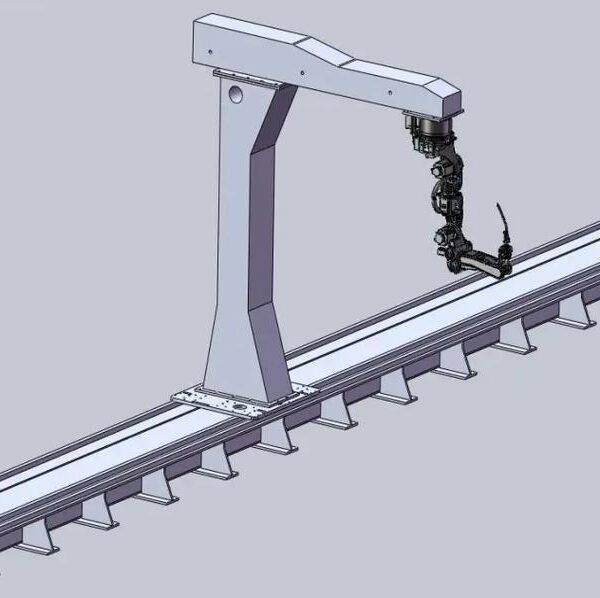

Cantilever Welding Robot solution
-
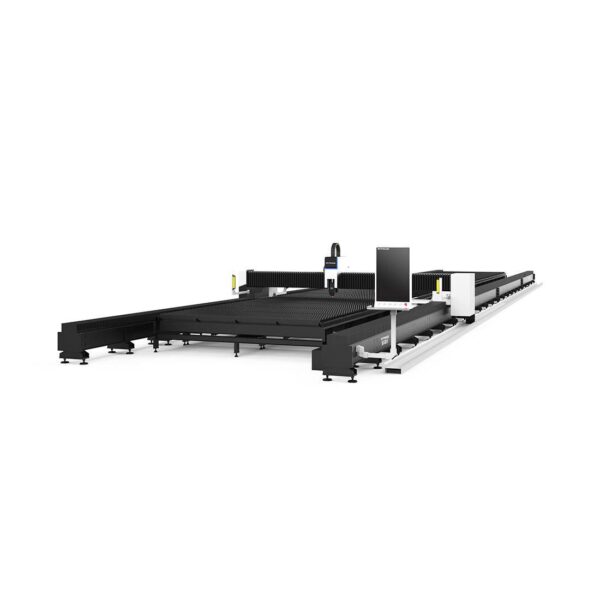

GF laser cutting machine
-
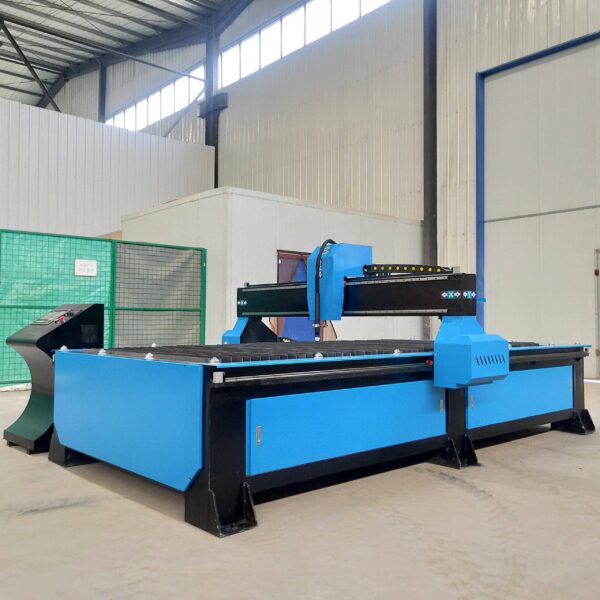
P3015 plasma cutting machine
-

LFP3015 Fiber Laser Cutter
-
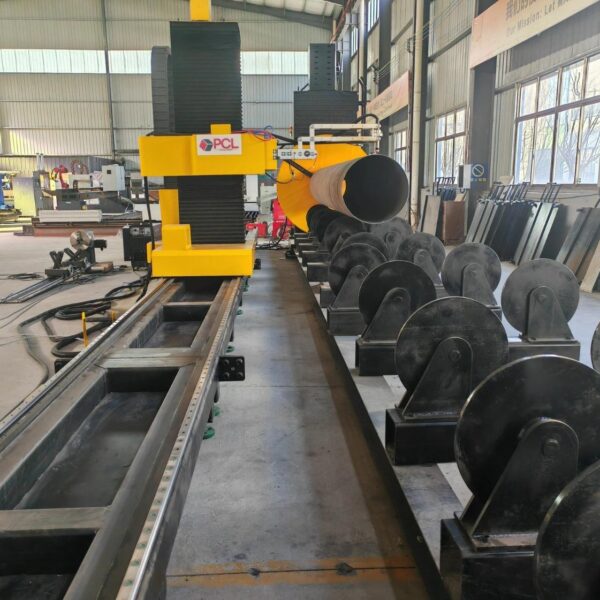
pipe plasma cutting machine
-
LFH 4020 Fiber Laser Cutting Machine
-
LFP4020
-
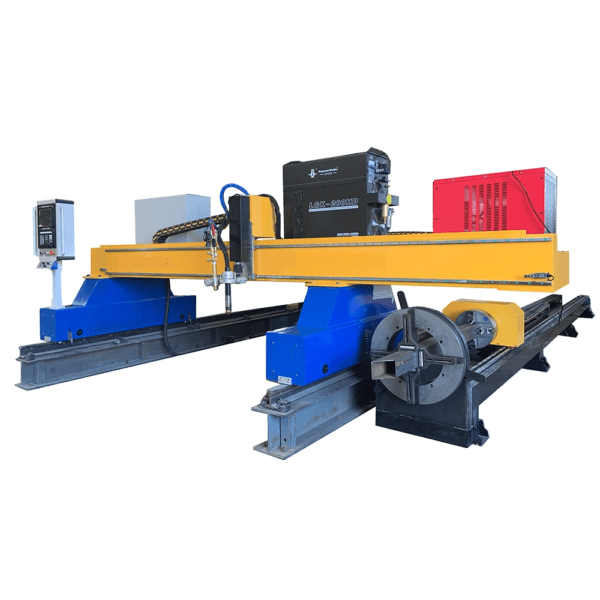
gantry plasma air cutting machine
-
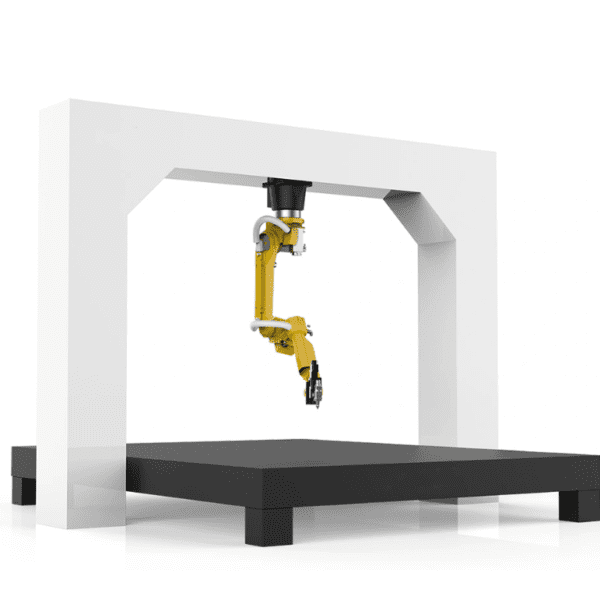
3D robot cutting machine
-
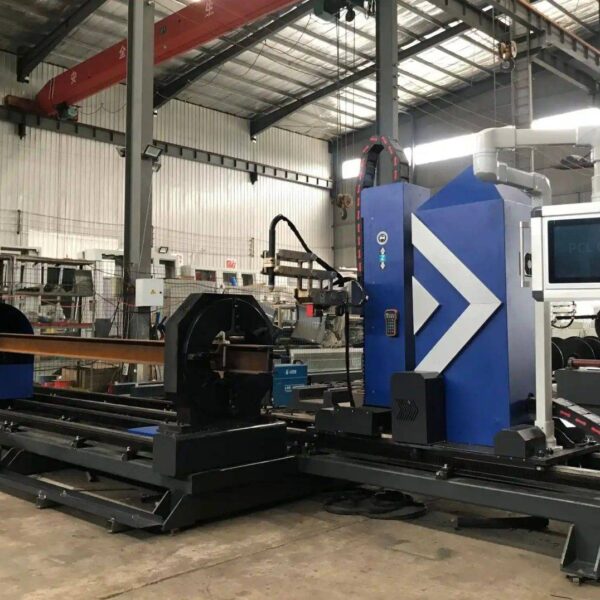
8 axis plasma cutting machine
-
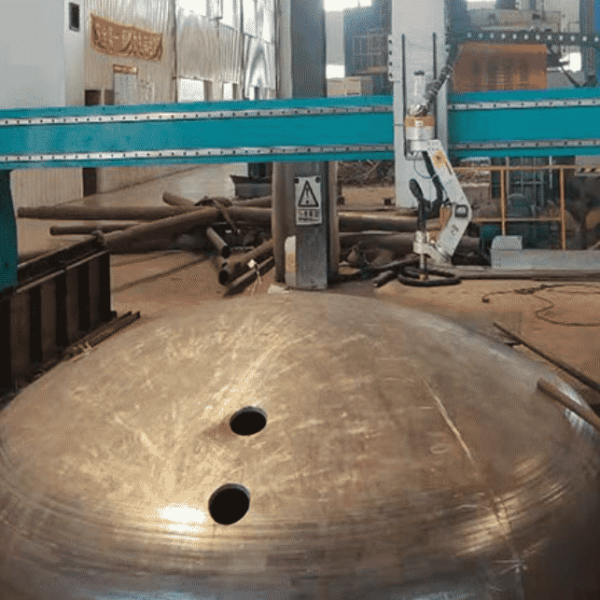
5 axis plasma cutting machine
-

LT360 tube laser cutting machine
-
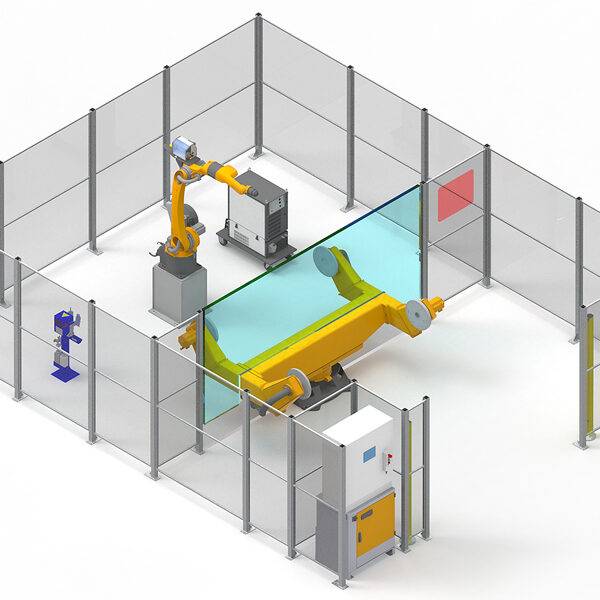
robot welding workstation
-
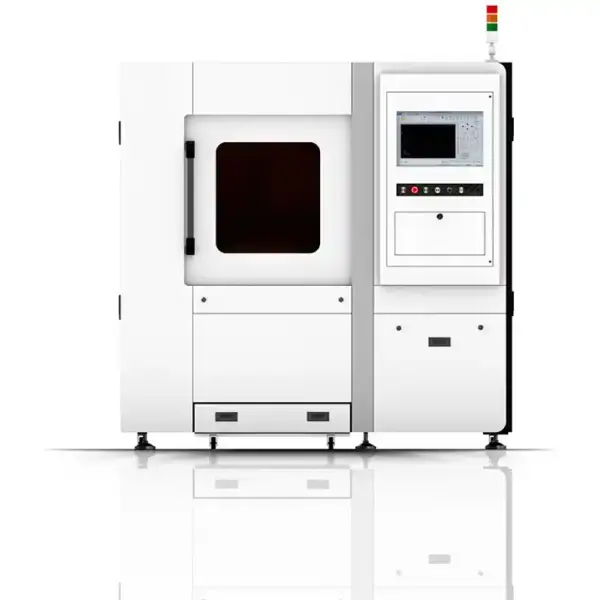
SF6060 fiber laser cutting machine
Advanced Fiber Laser Tube Processing Technology
Our CNC Fiber Laser Tube Cutting systems revolutionize metal fabrication by integrating high-precision cutting, punching, and profiling into a single automated workflow. Designed for versatility, this technology handles a wide array of profiles including Round, Square, Rectangular, and Oval tubes, as well as complex L-shaped and U-shaped channels.
- Precision Punching: High-speed hole punching with micron-level accuracy, eliminating the need for mechanical drilling or die-stamping.
- Complex Profiling: Advanced 3D pathing allows for intricate interlocking joints and specialized notch cuts, ideal for structural frames.
- High Material Efficiency: Intelligent nesting software minimizes scrap, reducing raw material costs across large production runs.
- Clean Finish: Delivers oxide-free, burr-free edges that require zero secondary grinding before welding.

Seamlessly processing multiple profiles with consistent precision.
Global Delivery & Logistics



From our high-tech manufacturing facility directly to your global site. PCL WeldCut ensures secure packaging, professional handling, and reliable international logistics to safeguard your equipment throughout the entire journey.