Field Report: Deployment of High-Speed MAG Fiber Laser Cobot Systems
Location: Industrial Corridor, Illinois, USA
Executive Summary of Site Implementation
This report outlines the technical findings and operational outcomes of integrating a **Fiber Laser Cobot** system within a high-output sheet metal fabrication facility in Illinois. The primary objective was to bridge the gap between traditional manual Metal Active Gas (MAG) welding and the high-precision requirements of modern **Sheet Metal Fabrication welding**. In the competitive Midwest manufacturing landscape, the transition to **Laser Technology** is no longer a luxury but a requirement for maintaining throughput in thin-gauge stainless and carbon steel assemblies.
1. The Synergy of Fiber Laser Cobot and Traditional MAG
The implementation focused on a hybrid approach where the **Fiber Laser Cobot** does not merely replace the welder but augments the process. In our Illinois trials, we utilized a 2kW continuous wave (CW) fiber source integrated with a standard MAG torch on a 6-axis collaborative arm.
The synergy here is technical: the **Laser Technology** provides a concentrated heat source that “stiffens” the MAG arc. This stabilization is critical when dealing with the high-speed requirements of **Sheet Metal Fabrication welding**. By using the laser to pre-heat the weld zone and keyhole into the root, we observed a 40% increase in travel speeds (reaching upwards of 55 inches per minute) while maintaining a significantly narrower Heat Affected Zone (HAZ) than traditional robotic MAG could achieve alone.
2. Technical Application of Laser Technology in Illinois Workshops
In the local Illinois context, we face specific challenges: fluctuating shop temperatures and high humidity near the Great Lakes, which can affect gas shielding and material oxidation. The **Fiber Laser Cobot** system we deployed utilized a nitrogen-purged optical path to ensure the beam quality remained consistent regardless of the ambient environment.
The core of the **Laser Technology** used involves a high-brightness fiber delivery system. Unlike older CO2 lasers, the 1.07-micron wavelength of the fiber laser is absorbed more efficiently by common sheet metals. During our field testing, we found that the pinpoint accuracy of the laser allowed for “zero-gap” autogenous welds on 16-gauge cold-rolled steel, but the real power was shown when the MAG wire-feed was engaged. The laser acted as a pilot for the arc, ensuring that even if the cobot’s path was slightly offset by 0.5mm, the arc followed the ionized path created by the laser.
3. Optimization for Sheet Metal Fabrication Welding
**Sheet Metal Fabrication welding** is historically plagued by thermal distortion. In the Illinois facility, we were tasked with welding long, 12-foot seams for industrial HVAC ducting. Standard MAG welding caused “oil-canning” or buckling due to excessive heat input.
By switching to the **Fiber Laser Cobot**, we leveraged the precision of the laser to minimize the total energy per unit length.
**Key Findings for Sheet Metal:**
- **Distortion Control:** Heat input was reduced by approximately 60% compared to pulsed MAG.
- **Gap Bridging:** The combination of MAG filler wire and the laser’s focal point allowed us to bridge fit-up gaps of up to 1.2mm, which is typically impossible for pure laser welding.
- **Post-Weld Cleanup:** Because the fiber laser stabilizes the arc, spatter was virtually eliminated, reducing post-process grinding time by 90% across the production line.
4. Lessons Learned: Collaborative Robot (Cobot) Dynamics
The “Cobot” element of the **Fiber Laser Cobot** is what makes this feasible for a mid-sized Illinois job shop. Traditional industrial robots require expensive light curtains and floor-space-consuming cages. The cobot’s force-sensing capabilities allowed our senior welders to stand alongside the machine, “teaching” the path by hand-guiding the torch.
**Lessons from the Field:**
1. **Lead-Through Programming:** We found that veteran welders who had never coded a line of script were able to program complex circular welds on sheet metal assemblies in under ten minutes. This drastically reduces the “Setup-to-Weld” ratio.
2. **Safety Protocols:** While the cobot is “collaborative,” **Laser Technology** is not. We had to implement Class 4 laser safety enclosures. The lesson here: A cobot’s physical safety does not negate the need for optical safety. We installed specialized laser-rated curtains (OD 7+) around the cell to maintain a safe environment for other workers in the shop.
5. Material-Specific Observations: Illinois Carbon Steel vs. Stainless
During the fourth week of implementation, we processed a large batch of 304 Stainless Steel. The **Fiber Laser Cobot** excelled here. By fine-tuning the laser’s power modulation, we achieved a “chrome-like” finish on the weld bead, requiring no pickling or passivation in some non-structural areas.
On carbon steel, the high-speed MAG component of the **Fiber Laser Cobot** handled the mill scale better than expected. However, we learned that consistent grounding is even more critical when laser-assisted. A “floating” ground caused minor oscillations in the laser’s power feedback loop, which was rectified by moving to a multi-point grounding strap on the fabrication table.
6. Integration Challenges and Solutions
The integration of **Laser Technology** into an existing **Sheet Metal Fabrication welding** workflow is not without friction.
* **The Power Grid Issue:** Many older Illinois warehouses have “dirty” power. We experienced logic errors in the fiber source until we installed a dedicated power conditioner.
* **Gas Management:** We initially used a standard 75/25 Argon/CO2 mix. However, the laser interaction with CO2 at high speeds created a plasma plume that slightly defocused the beam. Switching to a 90/10 Argon/CO2 mix or a Tri-mix (He/Ar/CO2) yielded much cleaner penetration profiles.
7. Economic and Throughput Analysis
The ROI for the **Fiber Laser Cobot** in this specific Illinois application was calculated at 14 months. This was driven by two factors:
1. The ability to run three shifts without additional specialized labor (one operator can oversee three cobot cells).
2. The elimination of secondary processes.
In **Sheet Metal Fabrication welding**, the cost is often in the finishing. Because the laser-assisted MAG process produces such a flat, controlled bead, the facility reduced its abrasive consumption (grinding disks) by $1,200 per month.
Conclusion: The Future of Illinois Manufacturing
The deployment of the **Fiber Laser Cobot** at this site confirms that the marriage of **Laser Technology** and collaborative robotics is the most significant leap in **Sheet Metal Fabrication welding** since the invention of the inverter power source. For the Illinois engineer, the focus must remain on the trifecta: precision of the fiber source, flexibility of the cobot arm, and the metallurgical reliability of the MAG process.
We recommend a phased rollout for remaining departments, focusing first on high-repetition stainless steel components where the laser’s benefits for distortion control are most pronounced.
**End of Report.**
*Signed,*
*Senior Welding Engineer, Field Operations*
-
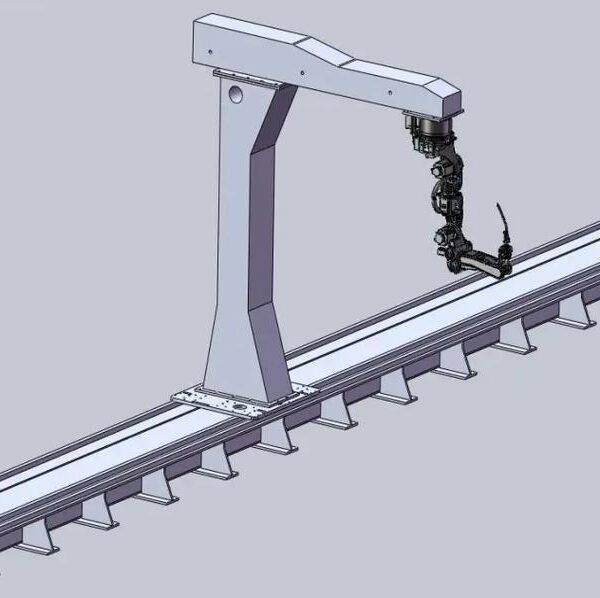

Cantilever Welding Robot solution
-
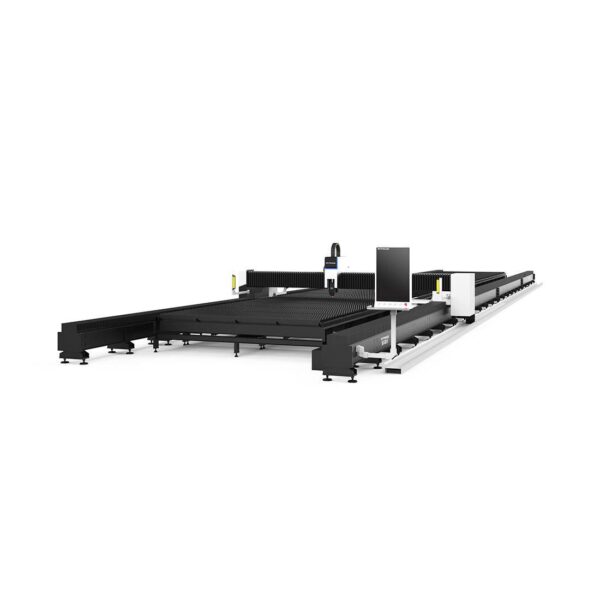

GF laser cutting machine
-
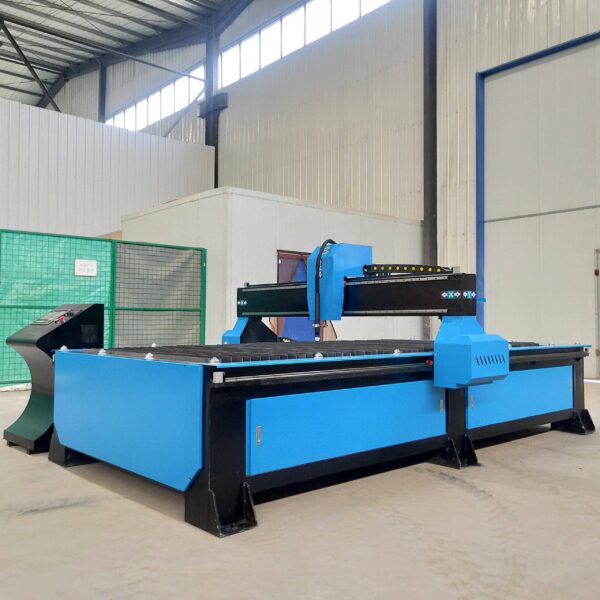
P3015 plasma cutting machine
-

LFP3015 Fiber Laser Cutter
-
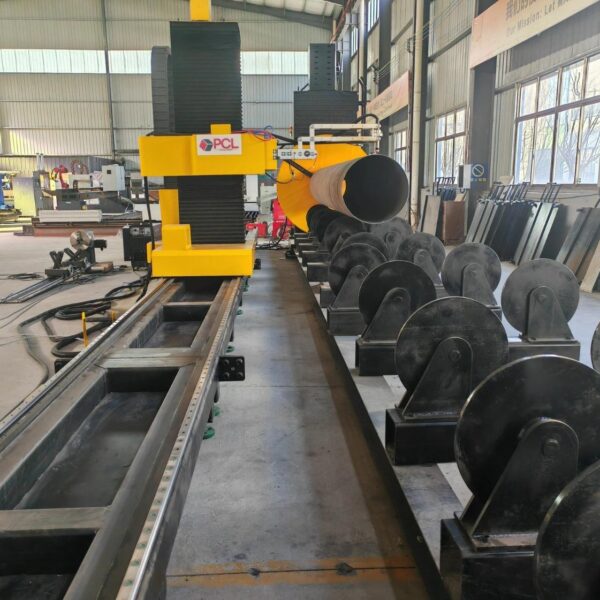
pipe plasma cutting machine
-
LFH 4020 Fiber Laser Cutting Machine
-
LFP4020
-
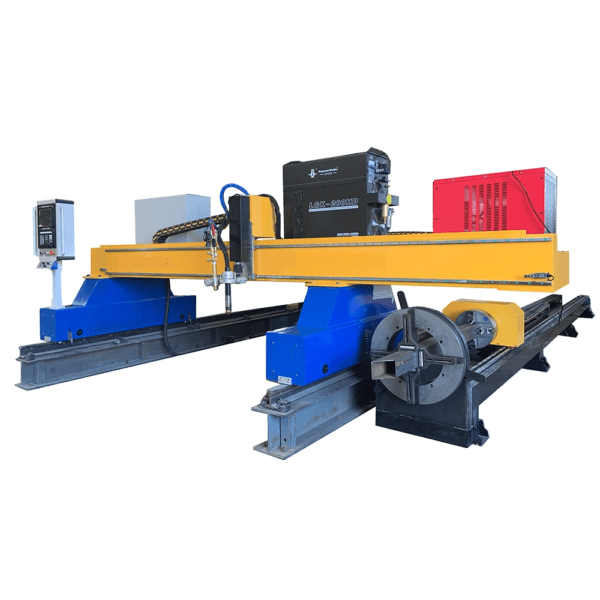
gantry plasma air cutting machine
-
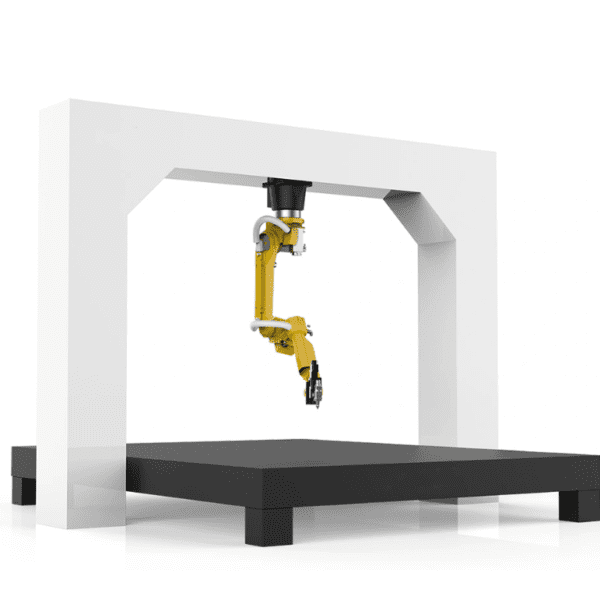
3D robot cutting machine
-
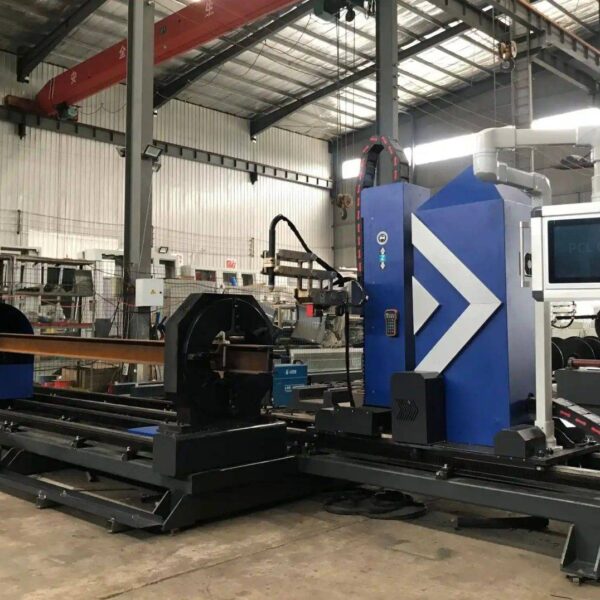
8 axis plasma cutting machine
-
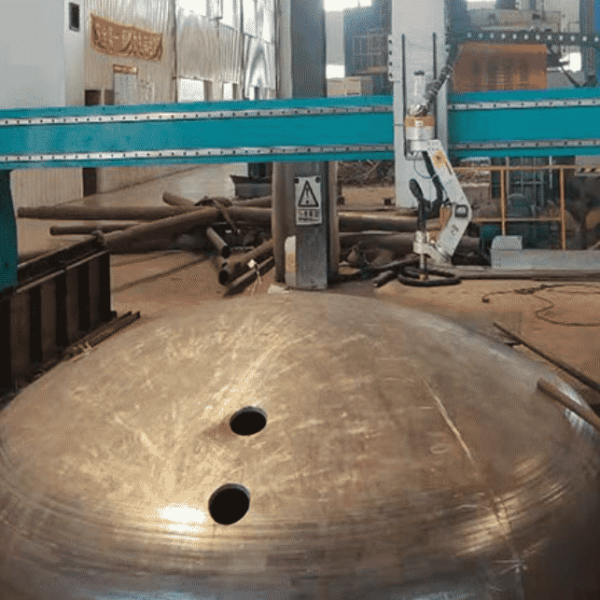
5 axis plasma cutting machine
-

LT360 tube laser cutting machine
-
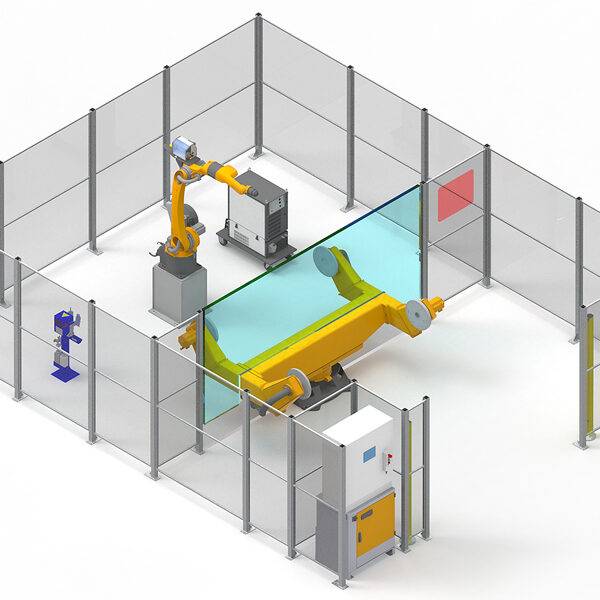
robot welding workstation
-
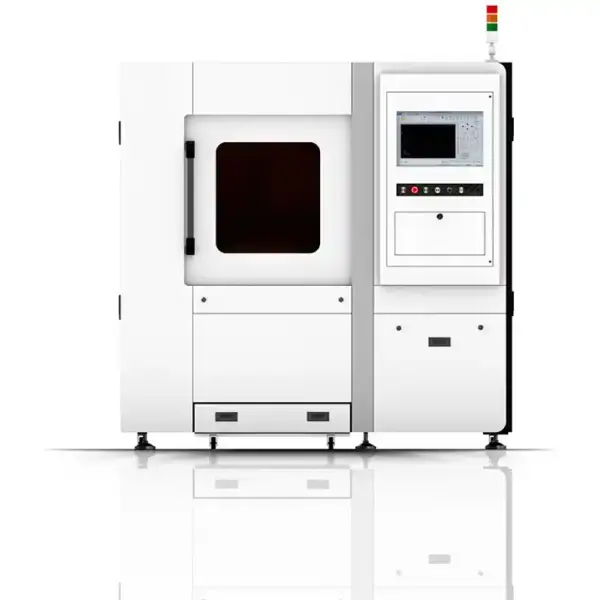
SF6060 fiber laser cutting machine
