Field Report: Deployment of High-Speed MAG Collaborative Arc Welding System
Location: Industrial Fabrication Zone, Ivry-sur-Seine (Paris Metropolitan Area)
1. Executive Summary of Site Operations
This report details the technical implementation and operational performance of a Collaborative Arc Welding System within a medium-scale structural steel facility in the Paris suburbs. The facility’s primary output involves S355JR structural steel frames for urban infrastructure projects. The objective was to transition 40% of the manual MAG (Metal Active Gas) volume to an Automated Welding workflow to address labor shortages and increase deposition rates without expanding the shop’s physical footprint—a common constraint in the Île-de-France industrial zones.
The deployment focused on the synergy between high-speed MAG power sources and collaborative robotics. Unlike traditional industrial robots, the Collaborative Arc Welding System allows our senior welders to work in proximity to the arc, facilitating real-time adjustments to the Automated Welding parameters. After six weeks of operation, we have recorded a 35% increase in “arc-on” time and a measurable reduction in post-weld cleanup.
2. Practical Application of the Collaborative Arc Welding System
In the context of a Paris-based workshop where space is at a premium, the Collaborative Arc Welding System eliminates the need for bulky safety fencing and light curtains. We integrated the system onto a mobile cart that can be moved between various structural steel welding stations.
The practical advantage realized here is “lead-through programming.” Instead of a dedicated robotics engineer writing lines of code, our structural steel welders physically move the torch head to the start and end points of a fillet weld. The system then calculates the optimal path. This is the essence of collaborative technology: the machine handles the high-duty cycle execution, while the human provides the spatial reasoning and process oversight.
One specific “lesson learned” during the first week involved the collaborative sensors (torque sensors in the joints). In a busy Paris shop, floor vibrations from overhead cranes and heavy forklifts can occasionally trigger “collision” stops if the sensitivity is set too high. We had to recalibrate the force-limiting thresholds to distinguish between a genuine human impact and the ambient vibration of a heavy industrial environment.
3. Synergy Between Automated Welding and Collaborative Platforms
The distinction between a standard robot and an “Automated Welding” process is the intelligence of the arc. In our Paris deployment, we paired the collaborative arm with a high-speed MAG power source capable of pulse-on-pulse waveforms.
The synergy is found in the repeatability of the travel speed. A manual welder, no matter how skilled, will have a +/- 5% variance in travel speed over a two-meter beam. The Collaborative Arc Welding System maintains a constant 450mm/min travel speed with zero deviation. This allows us to push the MAG process into a high-deposition spray-transfer mode that would be too hot and too fast for a manual operator to sustain for long durations.
By treating Automated Welding as a subset of the collaborative workspace, we’ve shifted the welder’s role. They no longer “pull the trigger”; they “manage the puddle” by adjusting voltage offsets on the fly via a tablet interface. This synergy has effectively solved our bottleneck at the long-seam welding station, where the structural steel welding of built-up plate girders previously required three shifts of manual labor.
4. Technical Challenges in Structural Steel Welding
Structural steel welding, particularly with S355 grades used in French construction (EN 10025 standards), presents challenges regarding plate fit-up and heat-affected zones (HAZ).
Fit-up Variance: In the Paris workshop, we found that incoming plate girders often had gap variances of 1mm to 3mm due to thermal cutting tolerances. A rigid Automated Welding system would fail here. However, by using the Collaborative Arc Welding System’s “touch sensing” routine, the robot probes the joint before each pass to find the actual position of the steel.
Heat Input Management: To meet the toughness requirements of the project, we had to keep heat input below 2.5 kJ/mm. High-speed MAG can easily exceed this if the travel speed isn’t perfectly synchronized with the wire feed speed. The automated logic ensures that if the wire feed speed is increased to 12m/min, the travel speed scales proportionally to maintain the cooling rate. This precision is nearly impossible to guarantee with manual structural steel welding across a 10-hour shift.
5. Lessons Learned: High-Speed MAG Specifics
During the field test, we identified a critical issue with shielding gas coverage. At the high travel speeds used in our Automated Welding sequences (often exceeding 600mm/min on smaller fillets), the standard gas shroud was creating a Venturi effect, pulling in atmospheric oxygen and causing intermittent porosity.
The Solution: We switched to a high-flow, specialized gas diffuser and moved from a standard Ar/CO2 (82/18) mix to a more stable Ar/CO2/O2 ternary blend. This improved the arc stability at high speeds and reduced the spatter that can interfere with the Collaborative Arc Welding System’s sensors. Senior engineers should note that when automating structural steel welding, the consumables (tips and shrouds) must be rated for a 100% duty cycle, or the system will suffer from “contact tip flashback” midway through a critical joint.
6. Impact on the Paris Workshop Environment
The integration of a Collaborative Arc Welding System has had a significant “soft” impact on the shop floor. In the Paris region, the industrial workforce is aging, and the physical strain of structural steel welding—working in cramped positions, heat exposure, and fumes—is a major deterrent for new recruits.
By implementing Automated Welding, we have reduced the physical load on our senior staff. They now supervise two or three collaborative cells simultaneously. The “collaborative” nature means the robot is seen as a tool, like a high-end torch, rather than a replacement for the welder. This has fostered a culture of “technician-level” welding rather than “manual-labor” welding.
7. Operational KPIs and Future Recommendations
The data collected from the Ivry-sur-Seine site shows the following:
- Deposition Rate: Increased from 3.2 kg/hr (manual) to 5.8 kg/hr (automated).
- Rework Rate: Dropped from 4% to 0.8%, primarily due to the elimination of stop-starts on long structural steel seams.
- Gas Consumption: Increased by 12% due to higher flow rates required for high-speed stability, but offset by the reduction in weld time.
For future deployments of Collaborative Arc Welding Systems in similar urban fabrication environments, I recommend a heavy focus on the “first-meter” calibration. The synergy between the human operator and the machine is only effective if the welder trusts the machine’s pathing.
In conclusion, the deployment in Paris demonstrates that Automated Welding is no longer reserved for high-volume automotive lines. When applied to structural steel welding through a Collaborative Arc Welding System, it provides the flexibility needed for the diverse, small-batch projects typical of modern urban infrastructure. The key is not to automate the welder out of the process, but to automate the fatigue out of the welder.
-
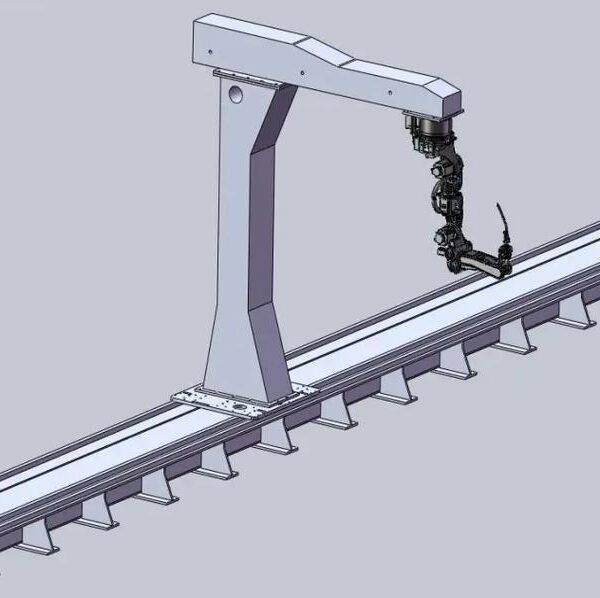

Cantilever Welding Robot solution
-
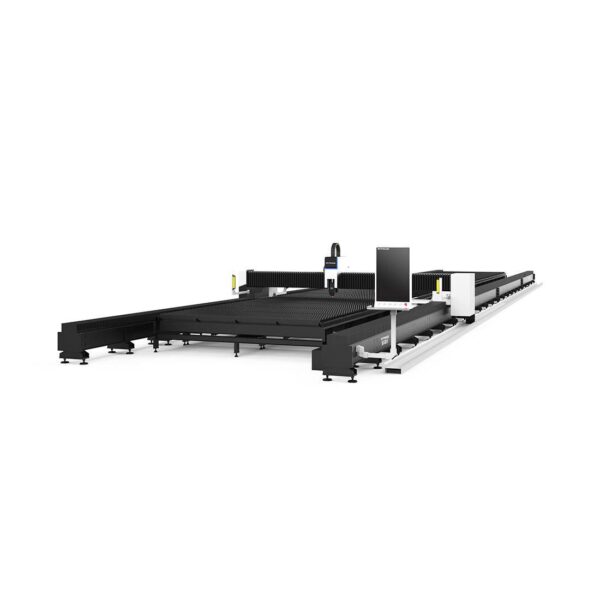

GF laser cutting machine
-
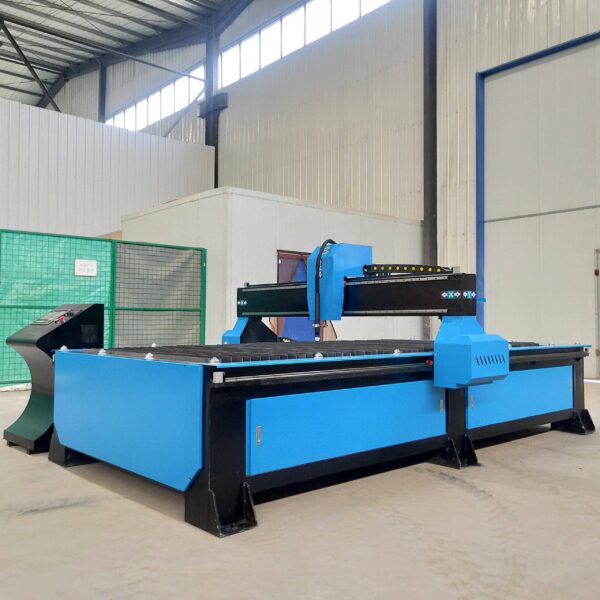
P3015 plasma cutting machine
-

LFP3015 Fiber Laser Cutter
-
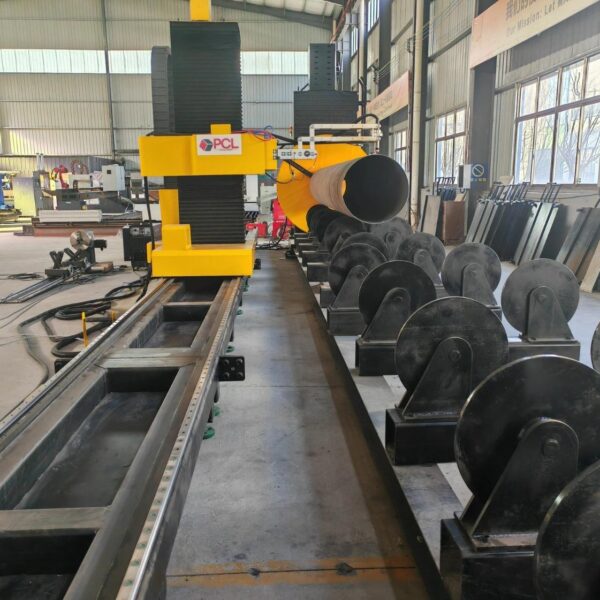
pipe plasma cutting machine
-
LFH 4020 Fiber Laser Cutting Machine
-
LFP4020
-
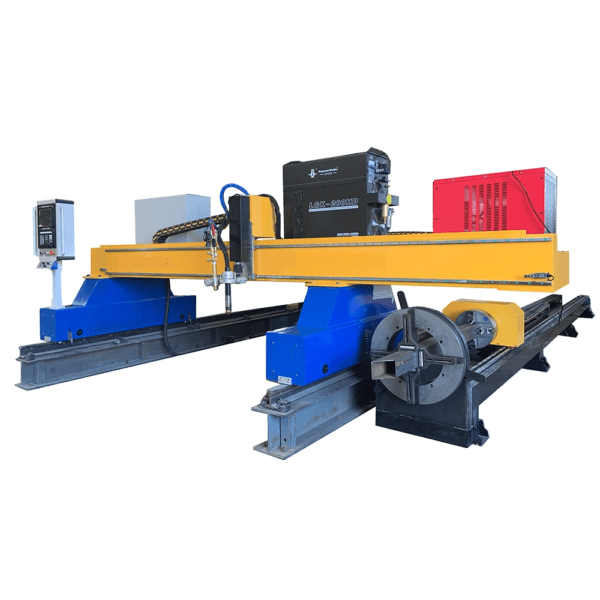
gantry plasma air cutting machine
-
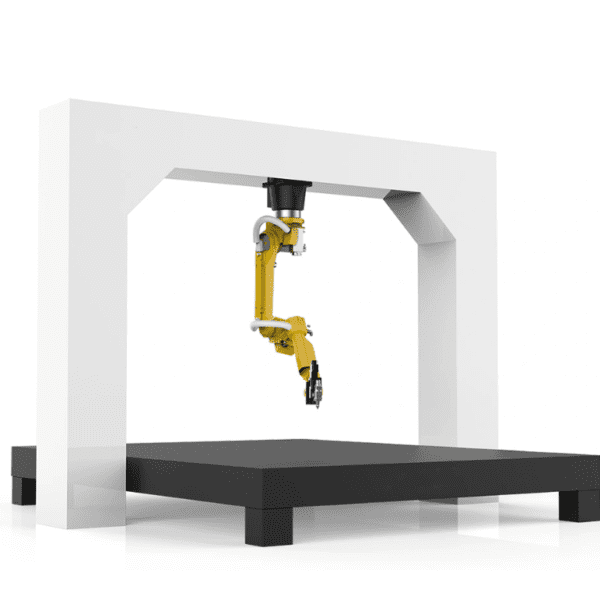
3D robot cutting machine
-
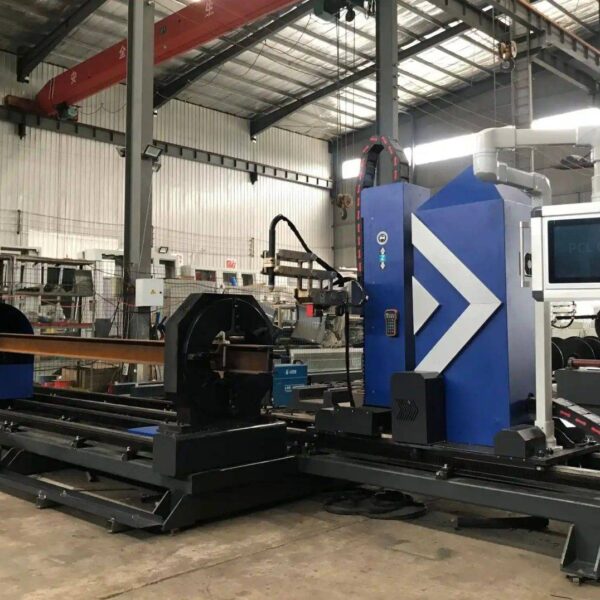
8 axis plasma cutting machine
-
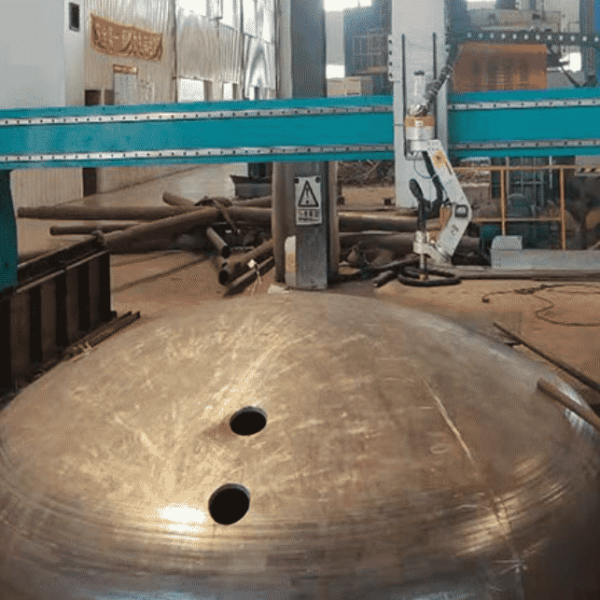
5 axis plasma cutting machine
-

LT360 tube laser cutting machine
-
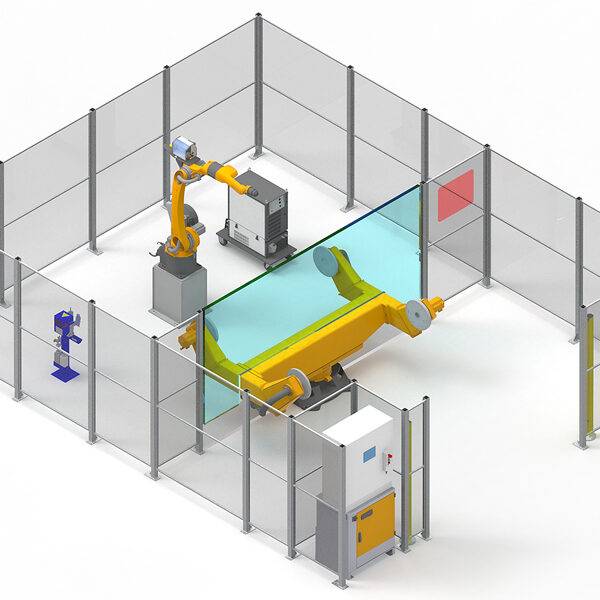
robot welding workstation
-
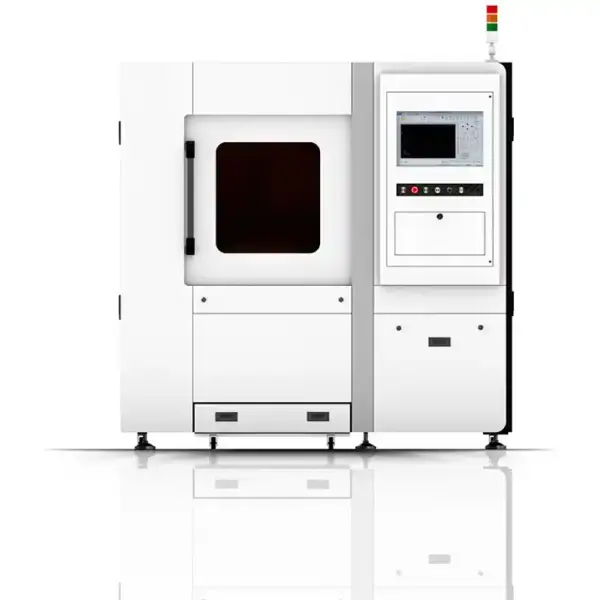
SF6060 fiber laser cutting machine
Advanced Fiber Laser Tube Processing Technology
Our CNC Fiber Laser Tube Cutting systems revolutionize metal fabrication by integrating high-precision cutting, punching, and profiling into a single automated workflow. Designed for versatility, this technology handles a wide array of profiles including Round, Square, Rectangular, and Oval tubes, as well as complex L-shaped and U-shaped channels.
- Precision Punching: High-speed hole punching with micron-level accuracy, eliminating the need for mechanical drilling or die-stamping.
- Complex Profiling: Advanced 3D pathing allows for intricate interlocking joints and specialized notch cuts, ideal for structural frames.
- High Material Efficiency: Intelligent nesting software minimizes scrap, reducing raw material costs across large production runs.
- Clean Finish: Delivers oxide-free, burr-free edges that require zero secondary grinding before welding.

Seamlessly processing multiple profiles with consistent precision.
Global Delivery & Logistics



From our high-tech manufacturing facility directly to your global site. PCL WeldCut ensures secure packaging, professional handling, and reliable international logistics to safeguard your equipment throughout the entire journey.