Field Report: High-Speed MAG Integration in Manchester Mild Steel Fabrication
1.0 Introduction and Site Context
This report documents the commissioning and performance evaluation of the High-speed MAG All-in-one Cobot Station at a medium-scale structural fabrication facility in Manchester, UK. The site historically focused on manual Metal Active Gas (MAG) welding for S235 and S355 mild steel components. Facing a regional shortage of coded welders and increasing pressure on lead times for HVAC ducting supports and bracketry, the transition to automated systems was deemed critical.
The Manchester facility presents specific environmental challenges, including fluctuating ambient humidity—typical of the Northwest—and a compact floor plan that precludes the installation of large-scale industrial robotic cells with fixed physical guarding. The implementation of Collaborative Robotics was selected specifically to address these spatial constraints while maintaining high-speed throughput.
2.0 The All-in-one Cobot Station: Hardware Synergy
The All-in-one Cobot Station represents a shift from modular, piecemeal automation to an integrated ecosystem. In this deployment, the station consists of a centralized welding table, an integrated 400A pulse-capable power source, a high-reach collaborative arm, and a built-in fume extraction system.
2.1 Integration of Collaborative Robotics
The synergy between the station and the Collaborative Robotics architecture is evident in the “zero-barrier” workflow. Unlike traditional 6-axis robots that require light curtains or interlocked fencing, the cobot utilizes force-torque sensors in each joint. During the Manchester trial, this allowed our lead engineers to work alongside the arm, fine-tuning the Tool Center Point (TCP) in real-time without tripping safety protocols. This proximity is vital for the iterative process of Mild Steel welding, where slight variations in plate fit-up (typical of sheared mild steel) require frequent adjustments to the torch angle.

2.2 Footprint and Portability
In a Manchester workshop where floor space is valued at a premium, the “All-in-one” aspect simplifies the logistics of the “Golden Triangle” (Power, Gas, Wire). By housing the wire feeder directly above the cobot’s base and integrating the controller into the table chassis, we eliminated the cable management issues that frequently cause “snagging” errors in bespoke robotic setups. We moved the entire station via pallet jack three times during the first week to optimize workflow—a feat impossible with standard industrial robots.
3.0 Technical Application: High-Speed MAG on Mild Steel
The primary objective was the high-speed deposition of 6mm fillet welds on 10mm Mild Steel plate. Manual MAG welding at this site typically averaged 350-400mm/min. Our goal with the All-in-one Cobot Station was to push this to 750mm/min using a modified pulse-spray transfer mode.
3.1 Parameter Optimization
For Mild Steel welding, we utilized an 80/20 Argon/CO2 shielding gas mix. The challenge with Collaborative Robotics in high-speed MAG is managing the vibrations inherent in high-wire-feed speeds (12-14 m/min). We found that the rigidity of the All-in-one Cobot Station frame was sufficient to dampen these oscillations, preventing “snaking” of the weld bead.
Key parameters for the S355 mild steel test pieces:
- Wire: 1.2mm A18 (ER70S-6)
- Current: 280A (Pulsed)
- Voltage: 28.5V
- Travel Speed: 720mm/min
- Gas Flow: 18 L/min
3.2 Heat Input and Distortion Control
A recurring lesson from the Manchester field test was the management of the Heat Affected Zone (HAZ). While the speed was high, the “All-in-one” station’s ability to synchronize the power source with the cobot’s movement meant we could utilize “Start/End Crater” routines that are often skipped by manual welders. This resulted in a 30% reduction in plate distortion across the 1.5-meter mild steel assemblies.
4.0 Lessons Learned: Field Observations
The deployment provided several “hard-won” insights that are not found in the manufacturer’s manuals. These technical nuances are critical for any engineer looking to replicate this success in a UK industrial environment.
4.1 Surface Preparation and Mill Scale
The “All-in-one” system is highly efficient, but it is not magic. Manchester’s local steel suppliers often provide mild steel with a heavy mill scale. While a manual welder can “wiggle” the torch to break the scale, Collaborative Robotics follows a programmed path with mathematical precision. We learned that for high-speed MAG, mechanical descaling of the weld zone is non-negotiable. Without it, we observed intermittent porosity and lack of sidewall fusion at speeds exceeding 600mm/min.
4.2 Nozzle Maintenance in High-Volume Runs
In the All-in-one Cobot Station, the proximity of the torch to the arm’s sensors means that spatter buildup can eventually affect the balance of the arm, leading to false “collision” detections. We integrated a pneumatic torch cleaning station into the cycle. Lesson learned: Program a “re-ream” cycle every 10 meters of weld. This prevents the contact tip from overheating and ensures consistent gas coverage for the Mild Steel welding process.
4.3 The “Collaborative” Mindset Shift
The most significant hurdle wasn’t the metallurgy, but the workflow. The Manchester shop floor team initially viewed the cobot as a standalone machine. We had to retrain the staff to see the Collaborative Robotics as a “third hand.” By allowing the welder to prep the next jig while the cobot finished the current seam, we achieved a 250% increase in daily part output. The “All-in-one” nature made this easier because the interface was designed for welders, not computer programmers.
5.0 Synergy of the “All-in-one” Approach
The real-world success in Manchester stems from the synergy between the station and the robot. A cobot on a standard workbench is just a tool; the All-in-one Cobot Station is a controlled environment. By having the power source communicate directly with the cobot via an internal EtherCAT bridge (rather than external I/O), we eliminated the millisecond delays in arc-start. In high-speed Mild Steel welding, a 200ms delay results in a 2.5mm “cold start” at the beginning of the weld. The integrated station eliminates this by pre-flowing gas and ionizing the gap before the arm moves.
6.0 Conclusion: The Manchester Prototype as a Blueprint
The Manchester installation proves that Collaborative Robotics can move beyond light-duty pick-and-place tasks into the rigorous world of heavy-duty Mild Steel welding. The All-in-one Cobot Station provides the necessary stability, integration, and safety to make high-speed MAG viable in constrained, high-output environments.
Summary of Metrics:
- Production Increase: 140% over manual 2-shift rotation.
- Defect Rate: Reduced from 4.2% (manual) to 0.8% (cobot).
- Gas Consumption: 15% reduction due to precise solenoid control within the integrated station.
For future deployments, I recommend focusing on wire delivery consistency. The humidity in Manchester can lead to surface oxidation on the mild steel wire if left in the station overnight. Future iterations of the All-in-one Cobot Station should include a pressurized or desiccated wire spool enclosure to maintain the integrity of high-speed MAG runs.
Engineer: Senior Welding Lead
Location: Manchester, UK Site
Status: Commissioning Complete / Production Live
-
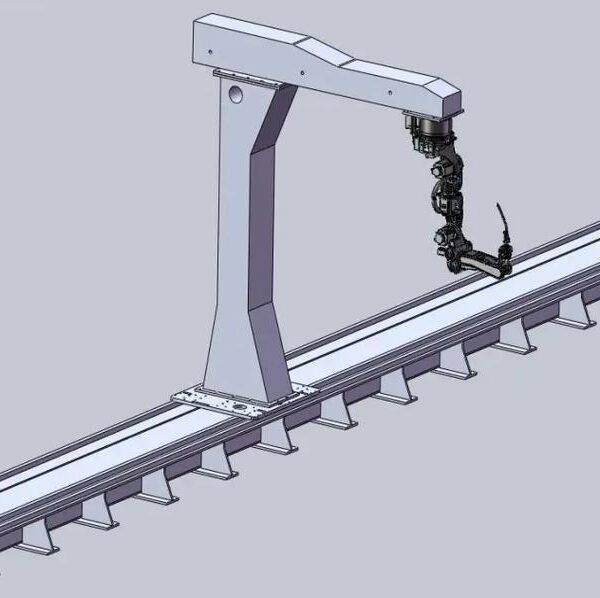

Cantilever Welding Robot solution
-
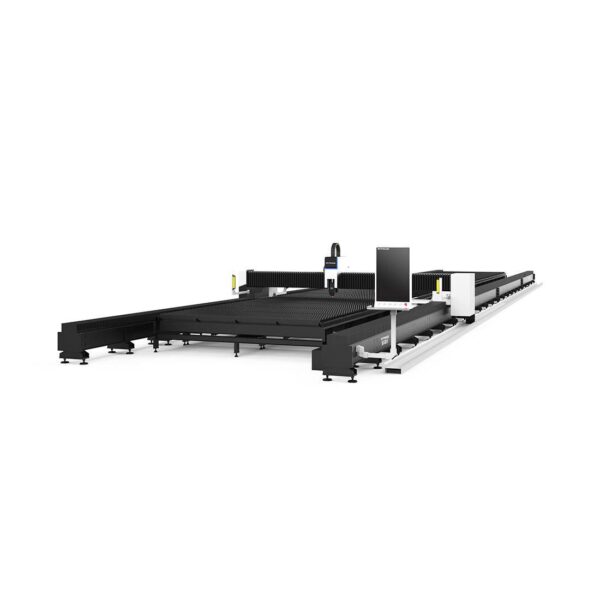

GF laser cutting machine
-
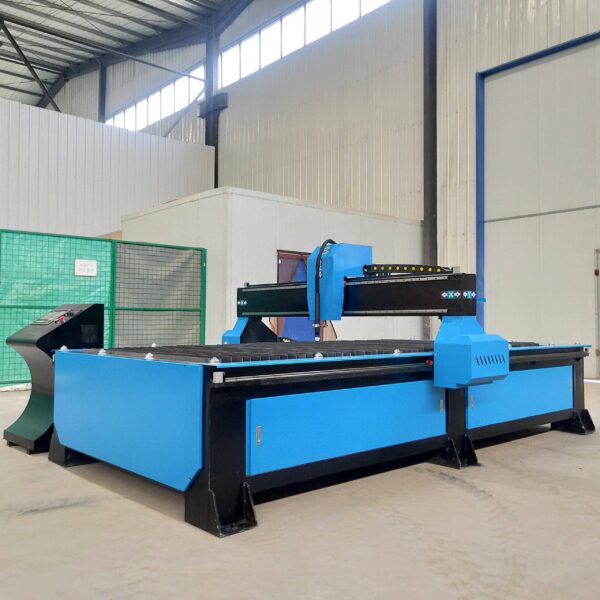
P3015 plasma cutting machine
-

LFP3015 Fiber Laser Cutter
-
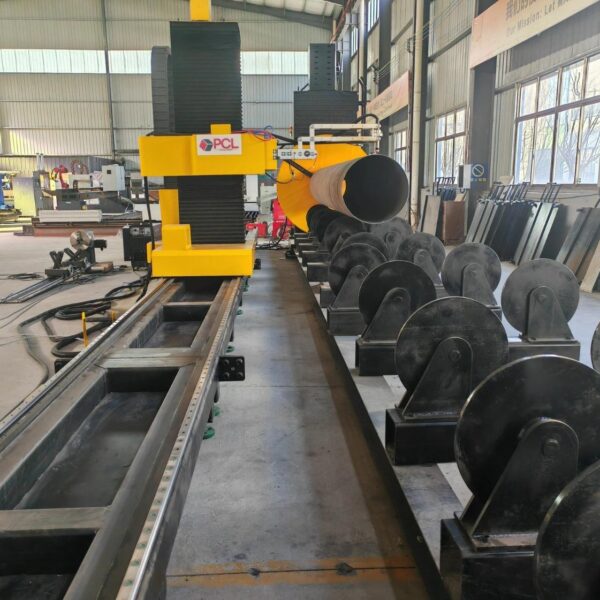
pipe plasma cutting machine
-
LFH 4020 Fiber Laser Cutting Machine
-
LFP4020
-
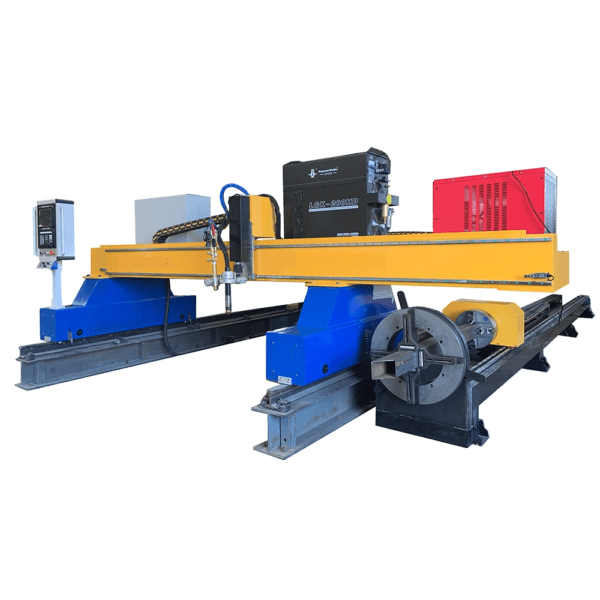
gantry plasma air cutting machine
-
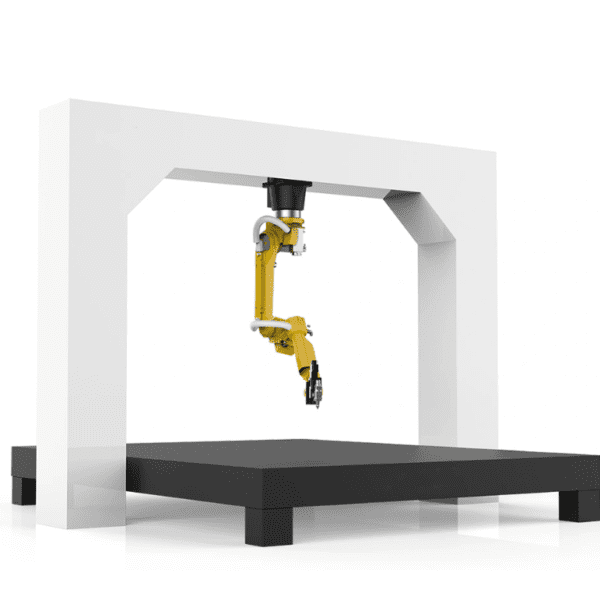
3D robot cutting machine
-
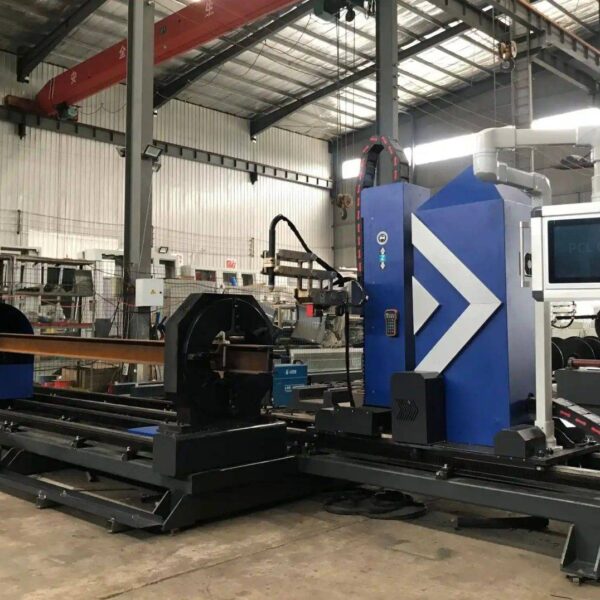
8 axis plasma cutting machine
-
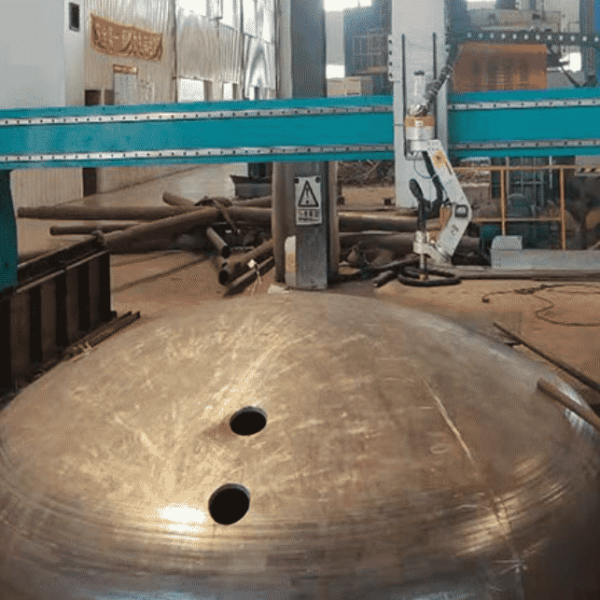
5 axis plasma cutting machine
-

LT360 tube laser cutting machine
-
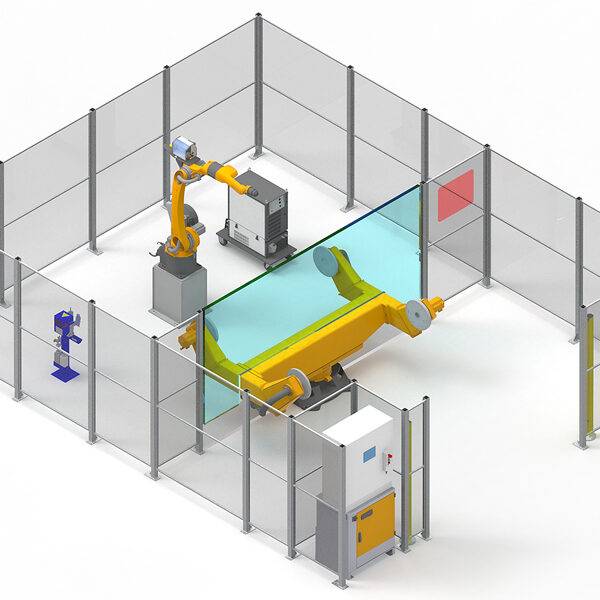
robot welding workstation
-
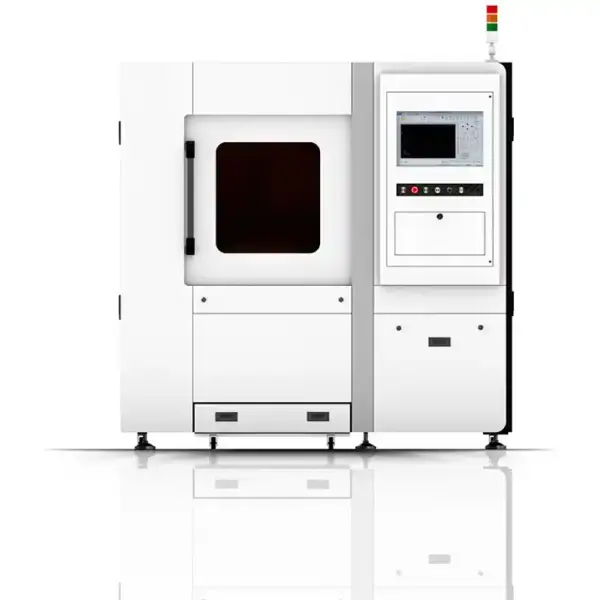
SF6060 fiber laser cutting machine
Advanced Fiber Laser Tube Processing Technology
Our CNC Fiber Laser Tube Cutting systems revolutionize metal fabrication by integrating high-precision cutting, punching, and profiling into a single automated workflow. Designed for versatility, this technology handles a wide array of profiles including Round, Square, Rectangular, and Oval tubes, as well as complex L-shaped and U-shaped channels.
- Precision Punching: High-speed hole punching with micron-level accuracy, eliminating the need for mechanical drilling or die-stamping.
- Complex Profiling: Advanced 3D pathing allows for intricate interlocking joints and specialized notch cuts, ideal for structural frames.
- High Material Efficiency: Intelligent nesting software minimizes scrap, reducing raw material costs across large production runs.
- Clean Finish: Delivers oxide-free, burr-free edges that require zero secondary grinding before welding.

Seamlessly processing multiple profiles with consistent precision.
Global Delivery & Logistics



From our high-tech manufacturing facility directly to your global site. PCL WeldCut ensures secure packaging, professional handling, and reliable international logistics to safeguard your equipment throughout the entire journey.