Field Commissioning Report: Robotic Systems Integration for Stainless Steel Fabrication
1. Project Overview and Site Context
This report details the field commissioning and operational assessment of the heavy-duty 6-axis Robotic Arm Welder units deployed at the Musaffah Industrial Area facility in Abu Dhabi, UAE. The primary objective of this deployment was to transition high-volume Stainless Steel welding operations from manual GTAW (Gas Tungsten Arc Welding) to a fully integrated Industrial Automation framework.
In the Abu Dhabi context, environmental variables play a significant role in equipment performance. With ambient workshop temperatures exceeding 45°C and high saline humidity, manual welding consistency often degrades during mid-day shifts due to operator fatigue and thermal stress. The implementation of the robotic cell was designed to maintain a 100% duty cycle while adhering to stringent ASME Section IX standards for pressure-retaining components.
2. The Synergy: Robotic Arm Welder and Industrial Automation
The success of this installation relies not merely on the Robotic Arm Welder itself, but on its seamless integration into the broader Industrial Automation ecosystem. In a modern Abu Dhabi workshop, “Automation” is the connective tissue between the ERP system, the weld data monitoring software, and the physical hardware on the floor.

Integrated Motion Control
By synchronizing the 6-axis arm with an external 2-axis rotary positioner, we achieved “8-axis coordinated motion.” This allows the Robotic Arm Welder to maintain a flat welding position (1G/1F) even on complex 3D geometries. Within the Industrial Automation loop, the positioner communicates its exact degree of rotation to the robot controller every 12 milliseconds, ensuring that the torch angle remains perpendicular to the weld pool at all times.
Digital Twin and Off-line Programming (OLP)
To maximize uptime, we utilized OLP to program the weld paths in a virtual environment. This is a cornerstone of Industrial Automation. Instead of “teaching” the robot point-by-point on the floor—which consumes valuable production time—we simulate the Stainless Steel welding parameters and collision envelopes offline. This approach reduced our on-site commissioning time by 40%.
3. Technical Application: Stainless Steel Welding Parameters
Stainless Steel welding (specifically Grades 316L and 304L) presents unique challenges, primarily regarding heat input and distortion control. Unlike carbon steel, stainless steel has lower thermal conductivity and a higher coefficient of thermal expansion.
Heat Input Management
The Robotic Arm Welder was configured with a Pulsed-GMAW (Gas Metal Arc Welding) power source. Through Industrial Automation sensors, we monitored the “arc-on” time and interpass temperatures in real-time. By utilizing a pulsed current, we achieved a “spray-transfer” effect at lower average heat inputs, which is critical for preventing carbide precipitation and maintaining the corrosion resistance of the 316L base metal.
Shielding Gas Dynamics
For the Abu Dhabi facility, we identified that standard gas lenses were insufficient due to the workshop’s cross-drafts. We upgraded the Robotic Arm Welder with specialized high-flow nozzles and implemented a triple-mix shielding gas (96.5% Argon, 3% Helium, 0.5% CO2). The Industrial Automation system included electronic flow meters that would trigger a “fault” and pause the program if the gas flow dropped below 18 L/min, preventing porosity before it occurred.
4. Lessons Learned from the Abu Dhabi Field Site
Senior engineering oversight during the first 90 days of operation revealed several critical “real-world” insights that differ from theoretical laboratory settings.
Lesson 1: Thermal Drift and Calibration
One of the most significant findings was the impact of ambient temperature fluctuations on the Robotic Arm Welder’s TCP (Tool Center Point) accuracy. As the workshop temperature rose from 28°C at 6:00 AM to 44°C at 2:00 PM, the metallic expansion in the arm’s casting caused a TCP drift of nearly 0.8mm.
Action Taken: We integrated an automated “Touch-Sense” routine into the Industrial Automation sequence. Every five cycles, the robot touches a fixed datum point to recalibrate its coordinates, ensuring the Stainless Steel welding bead stays exactly in the root of the joint.
Lesson 2: Humidity and Wire Feed Consistency
The high humidity in Abu Dhabi’s coastal environment led to microscopic surface oxidation on the stainless steel filler wire, despite the workshop being semi-enclosed. This increased friction in the liners of the Robotic Arm Welder, causing “bird-nesting” at the wire feeder.
Action Taken: We transitioned to hermetically sealed “marathon packs” for the wire and installed ceramic liners. Furthermore, we integrated a wire-pull sensor into the Industrial Automation cabinet to monitor motor torque, providing an early warning system for liner wear.
Lesson 3: Shielding Gas ‘Chimney Effect’
In large-scale Stainless Steel welding, the heat generated can create a localized updraft (chimney effect) that pulls in atmospheric oxygen, even when the robot is shielded.
Action Taken: We modified the Robotic Arm Welder‘s end-of-arm tooling to include a secondary “trailing shield” for long seams. This ensured the weld remained under an inert atmosphere until it cooled below the 400°C oxidation threshold.
5. Productivity and Quality Metrics
After implementing the Industrial Automation upgrades, the facility recorded the following performance deltas compared to the previous manual baseline:
- Deposition Rate: Increased from 1.2 kg/hr (manual) to 3.8 kg/hr (robotic).
- Repair Rate: Decreased from 4.5% (manual) to 0.2% (robotic) on X-ray quality welds.
- Consumable Efficiency: 15% reduction in shielding gas waste due to precision solenoid control via the Industrial Automation interface.
6. Maintenance Protocol for Harsh Environments
To ensure the longevity of the Robotic Arm Welder in the UAE, a specialized maintenance schedule is required. The fine dust prevalent in Abu Dhabi can be abrasive to the robotic joints’ seals.
Enclosure Pressurization
The Industrial Automation control cabinets must be fitted with heat exchangers rather than simple filter fans. We utilized Rittal climate control units to keep the internal electronics at a constant 25°C, preventing the premature failure of the IGBT modules in the welding power source.
Joint Integrity Checks
Monthly inspections of the axis-4, 5, and 6 seals are mandatory. Any ingress of particulate matter will rapidly degrade the grease, leading to backlash and loss of precision during Stainless Steel welding. We have mandated the use of high-temperature, synthetic lubricants specifically rated for the Middle Eastern climate.
7. Conclusion
The integration of the Robotic Arm Welder within an Industrial Automation framework has proven to be the most effective strategy for handling high-spec Stainless Steel welding in the Abu Dhabi region. The system not only mitigates the environmental challenges faced by human operators but also provides a level of data traceability that is increasingly required by ADNOC and other regional energy stakeholders.
Moving forward, the focus will remain on refining the “Sense and Follow” software to handle slight variations in fit-up, further reducing the reliance on high-precision tack welding. The data harvested from this site will serve as the blueprint for our upcoming expansion in Dubai and Saudi Arabia.
Prepared by:
Senior Welding Engineer
Date: October 24, 2023
-
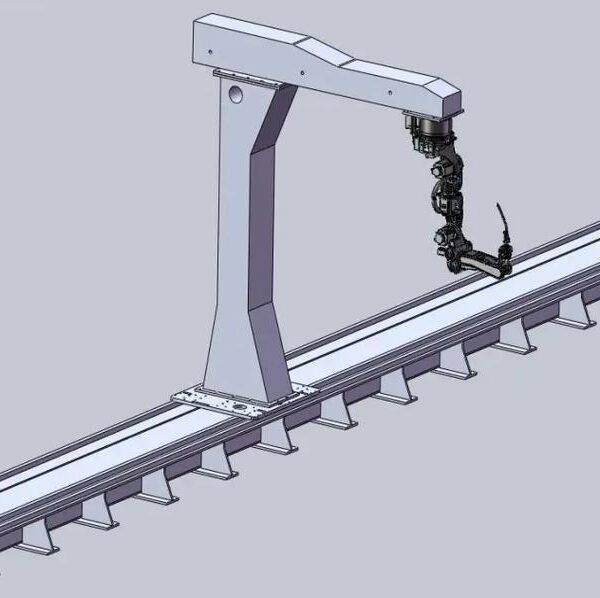

Cantilever Welding Robot solution
-
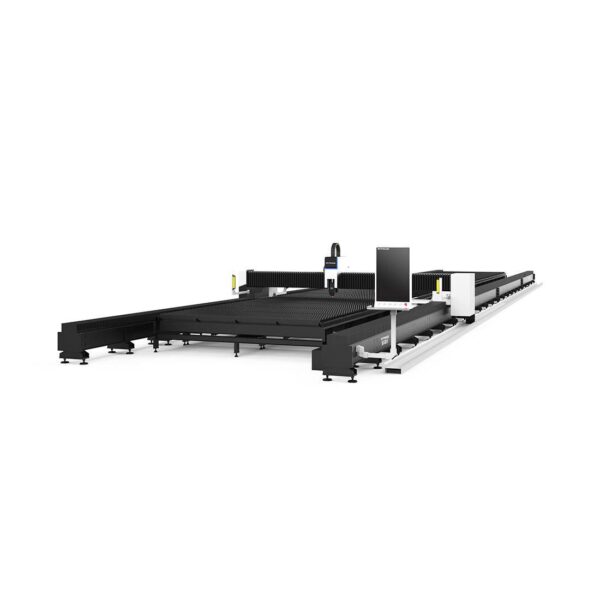

GF laser cutting machine
-
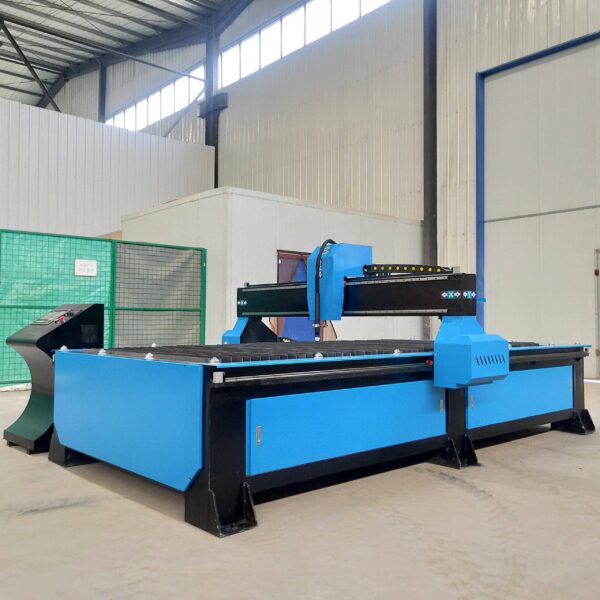
P3015 plasma cutting machine
-

LFP3015 Fiber Laser Cutter
-

pipe plasma cutting machine
-
LFH 4020 Fiber Laser Cutting Machine
-
LFP4020
-
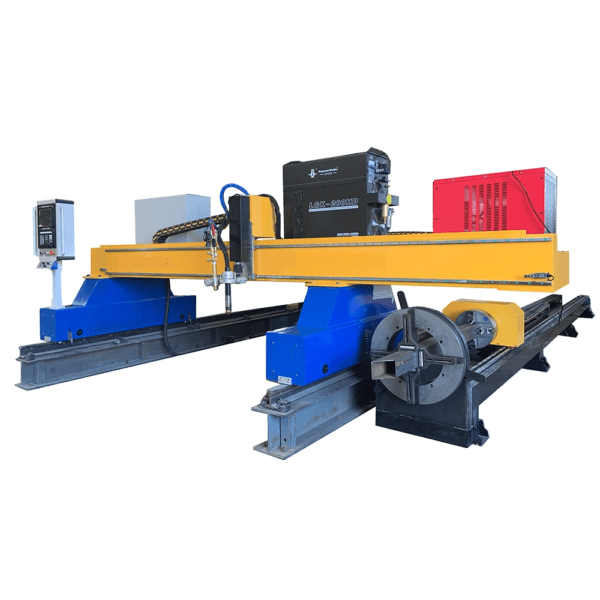
gantry plasma air cutting machine
-
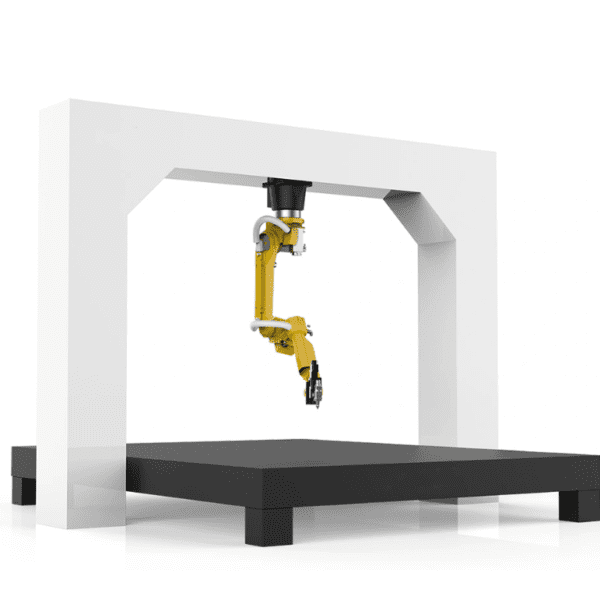
3D robot cutting machine
-
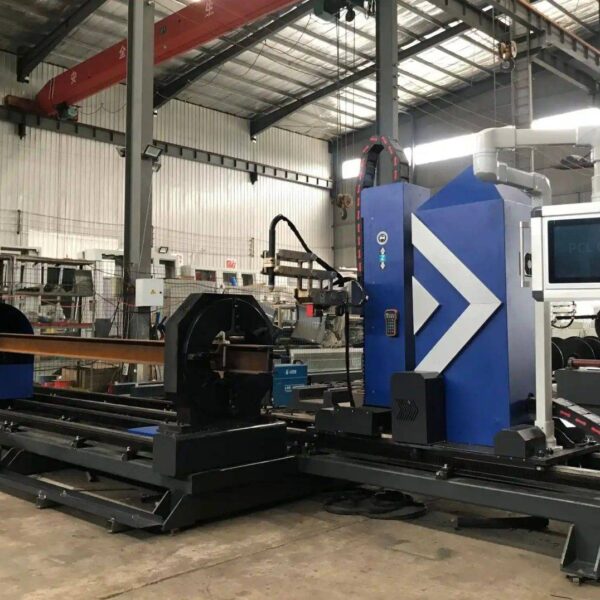
8 axis plasma cutting machine
-
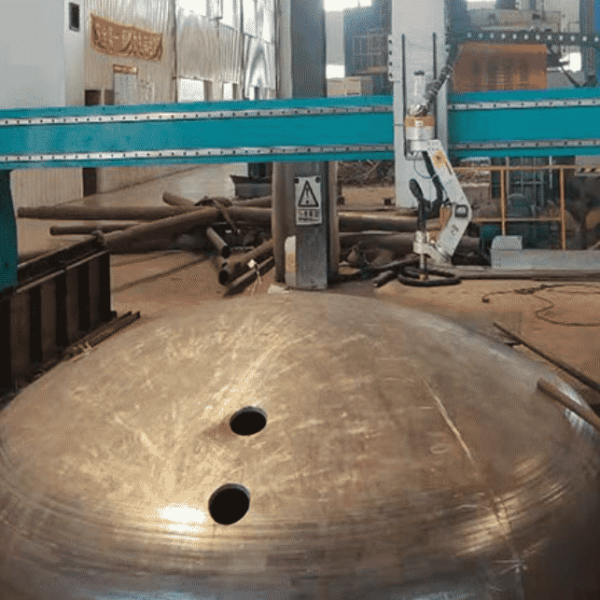
5 axis plasma cutting machine
-

LT360 tube laser cutting machine
-
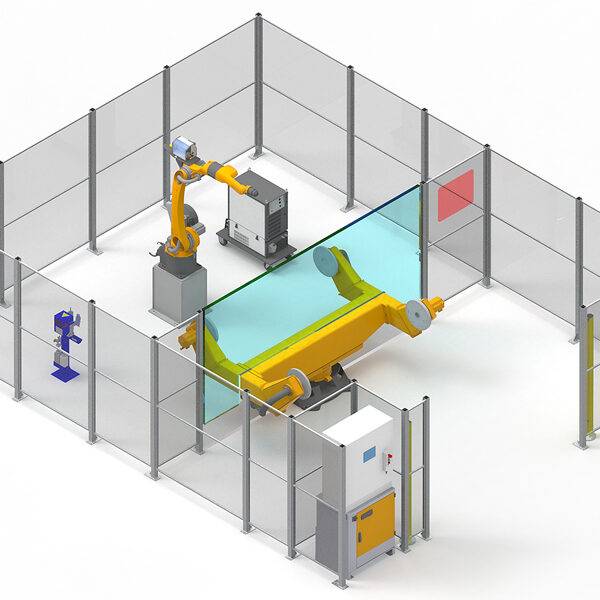
robot welding workstation
-
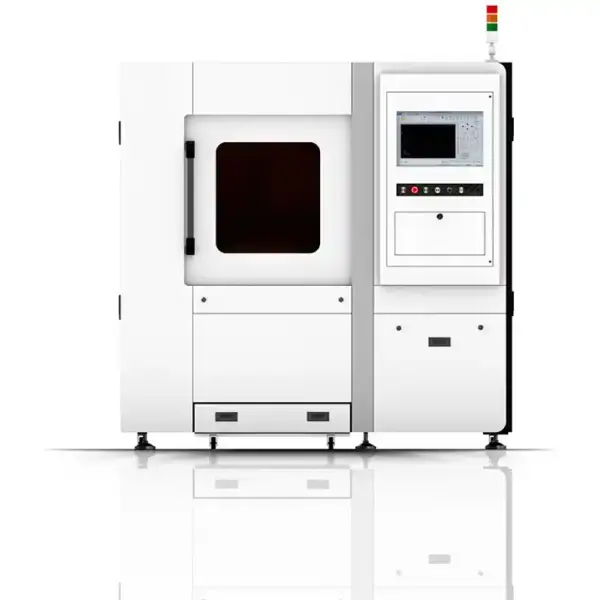
SF6060 fiber laser cutting machine
Advanced Fiber Laser Tube Processing Technology
Our CNC Fiber Laser Tube Cutting systems revolutionize metal fabrication by integrating high-precision cutting, punching, and profiling into a single automated workflow. Designed for versatility, this technology handles a wide array of profiles including Round, Square, Rectangular, and Oval tubes, as well as complex L-shaped and U-shaped channels.
- Precision Punching: High-speed hole punching with micron-level accuracy, eliminating the need for mechanical drilling or die-stamping.
- Complex Profiling: Advanced 3D pathing allows for intricate interlocking joints and specialized notch cuts, ideal for structural frames.
- High Material Efficiency: Intelligent nesting software minimizes scrap, reducing raw material costs across large production runs.
- Clean Finish: Delivers oxide-free, burr-free edges that require zero secondary grinding before welding.

Seamlessly processing multiple profiles with consistent precision.
Global Delivery & Logistics



From our high-tech manufacturing facility directly to your global site. PCL WeldCut ensures secure packaging, professional handling, and reliable international logistics to safeguard your equipment throughout the entire journey.