Field Report: Deployment of Heavy-Duty All-in-one Cobot Station – Krakow, Poland
This report details the technical deployment and operational integration of a high-capacity All-in-one Cobot Station at a heavy industrial fabrication facility in Krakow, Poland. The primary objective was to transition a high-mix, low-volume production line for 316L stainless steel components from manual TIG/MIG processes to an automated framework utilizing Collaborative Robotics. This shift was necessitated by the increasing demand for weld consistency and the local shortage of specialized high-grade welders in the Małopolska region.
System Architecture: The All-in-one Cobot Station
The “All-in-one Cobot Station” deployed at the Krakow site is a turnkey solution that integrates the robotic manipulator, the power source, the wire feeder, and the cooling system into a single, mobile skid. Unlike traditional industrial cells that require extensive floor preparation and safety fencing, this unit was commissioned within 48 hours of delivery.
Hardware Integration and Power Management
The station utilizes a 10kg payload collaborative arm with a reach of 1300mm, mounted on a central column that houses a 400A pulse-capable power source. In heavy-duty stainless steel welding, power stability is non-negotiable. We observed that the integrated nature of the station significantly reduced electromagnetic interference (EMI) that often plagues modular setups where the power source and robot controller are separated by long cable runs. For the Krakow facility, we utilized a 400V three-phase input, ensuring the duty cycle remained at 100% for 220A outputs, which is the “sweet spot” for our 6mm wall thickness stainless components.

Tool Center Point (TCP) Calibration and Precision
Precision in an all-in-one unit depends on the rigidity of the mounting. During the initial setup in the Krakow workshop, we identified a minor vibration issue caused by an uneven concrete floor. This was rectified by utilizing the station’s integrated leveling jacks. Once stabilized, the TCP calibration showed a repeatability of ±0.05mm. This level of precision is critical when performing multi-pass welds on stainless steel where the groove geometry is tight.
Collaborative Robotics: Synergy on the Shop Floor
The core philosophy of Collaborative Robotics in this application isn’t just about “fenceless” operation; it’s about the interaction between the human operator’s intuition and the robot’s repeatability. In the Krakow plant, we implemented a “Lead-Through” programming method, allowing senior welders to physically move the torch head to define the weld path.
Operational Safety and Shared Workspace
In Krakow, floor space is at a premium. By utilizing collaborative robotics, we eliminated the 15-square-meter footprint typically required for light curtains and physical guarding. The station utilizes area scanners that reduce the robot’s speed to 25% when an operator enters the “caution zone” and executes a category 0 stop if the “danger zone” is breached. This allows the operator to perform part fit-up on one side of the dual-zone table while the cobot welds on the other, effectively doubling the station’s throughput without increasing the footprint.
Human-Machine Interface (HMI) for Complex Geometry
One of the “lessons learned” during the Krakow deployment was the necessity of a simplified HMI. We customized the tablet interface to include “Stainless Steel welding” presets. Instead of the operator calculating wire feed speeds and voltages, they select the material thickness and joint type (e.g., Fillet, Butt, Lap). The All-in-one Cobot Station then pulls the optimized synergic lines from its internal database, reducing the margin for human error during shift changes.
Advanced Stainless Steel Welding Techniques
The Krakow project focused heavily on 304L and 316L stainless steel. The primary challenges were managing the Heat Affected Zone (HAZ) and preventing carbide precipitation (sensitization), which compromises the corrosion resistance of the material.
Thermal Management and Distortion Control
Stainless steel has a lower thermal conductivity and a higher coefficient of thermal expansion compared to carbon steel. This leads to significant warping if heat input isn’t strictly controlled. We utilized the All-in-one Cobot Station’s “Pulse-on-Pulse” capability. This technique alternates between a high-energy peak and a low-energy background current. In the field, we found this reduced the average heat input by 18% while maintaining the necessary penetration profiles for 8mm lap joints.
Shielding Gas Optimization
For the stainless steel welding sequences in Krakow, we moved away from pure Argon for MIG processes, opting for a 98% Argon / 2% CO2 mixture. The addition of CO2 stabilizes the arc and improves the wetting of the weld pool edges. The cobot’s ability to maintain a consistent torch angle of 15 degrees (pushing) ensured that the gas coverage was laminar, preventing atmospheric contamination that results in the dreaded “black weld” or heavy oxidation. We also integrated a post-flow gas delay of 5 seconds to protect the cooling crater, a parameter easily adjusted in the collaborative software.
Field Observations and Lessons Learned in Krakow
Deploying an All-in-one Cobot Station in an established European workshop like the one in Krakow provided several technical insights that are often overlooked in laboratory settings.
Addressing the “High-Mix” Challenge
The Krakow facility produces over 40 different SKU components. We found that the greatest bottleneck wasn’t the weld speed, but the changeover of jigs. To solve this, we developed a modular “grid-plate” system for the cobot station. By using standardized dowel pins, the operator can switch from a pipe-clamping fixture to a flat-plate jig in under three minutes. The collaborative robotics software allows for “Job Offsetting,” where the robot detects the new jig position using a touch-sensing routine, automatically adjusting its pathing to compensate for any slight misalignment.
The “Krakow Humidity” Factor
A specific environmental challenge we faced was the seasonal humidity in the Vistula river basin, which led to moisture pickup in the shielding gas lines during overnight shutdowns. This resulted in porosity in the first few welds of the morning shift. The lesson learned was to implement a 30-second “gas purge” routine into the cobot’s start-up sequence. Since the All-in-one Cobot Station controls the gas solenoid directly, this was a simple software fix that eliminated 95% of our morning scrap rate.
Sensor Calibration in High-EMF Environments
While the all-in-one design minimizes EMI, the surrounding workshop in Krakow had several old-school high-frequency TIG machines. We noticed occasional “ghost collisions” where the cobot’s force sensors would trigger a false stop. We resolved this by increasing the force threshold during the “travel” movements (non-welding) and grounding the station’s chassis to a dedicated earth stake rather than the common shop ground. This refined the collaborative robotics sensitivity to ignore high-frequency noise while remaining responsive to human touch.
Technical Summary and ROI
The integration of the All-in-one Cobot Station in Krakow has proven that heavy-duty stainless steel welding is no longer the exclusive domain of manual experts or massive, expensive robotic cells. By leveraging the synergy of collaborative robotics and high-end power sources, the facility achieved a 35% increase in arc-on time. The “All-in-one” aspect reduced the total cost of ownership by eliminating the need for external systems integration and specialized safety engineering.
Future Recommendations
Moving forward, the Krakow site should look into integrating “Through-Arc Seam Tracking” (TAST). As we push for faster weld speeds on larger stainless steel tanks, TAST will allow the cobot to dynamically adjust its path based on real-time voltage feedback, compensating for the natural thermal distortion of the stainless steel as the weld progresses. This represents the next logical step in the evolution of collaborative robotics for heavy industry.
Final assessment: The system is stable, the operators are trained, and the weld quality on the 316L lines exceeds ISO 5817 Level B requirements.
-
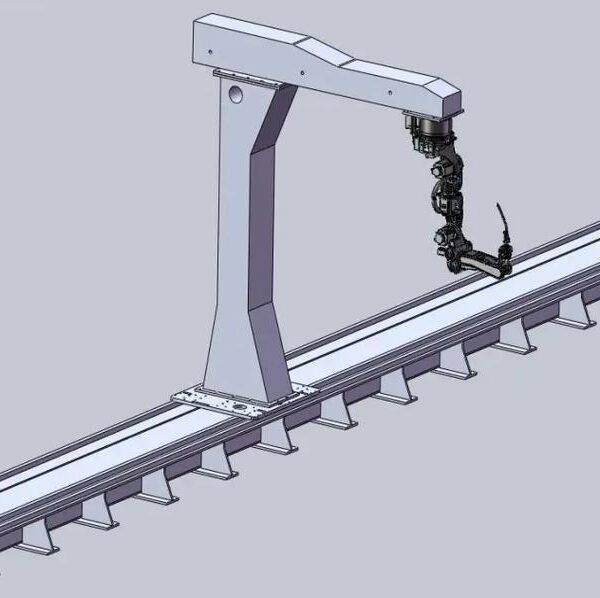

Cantilever Welding Robot solution
-
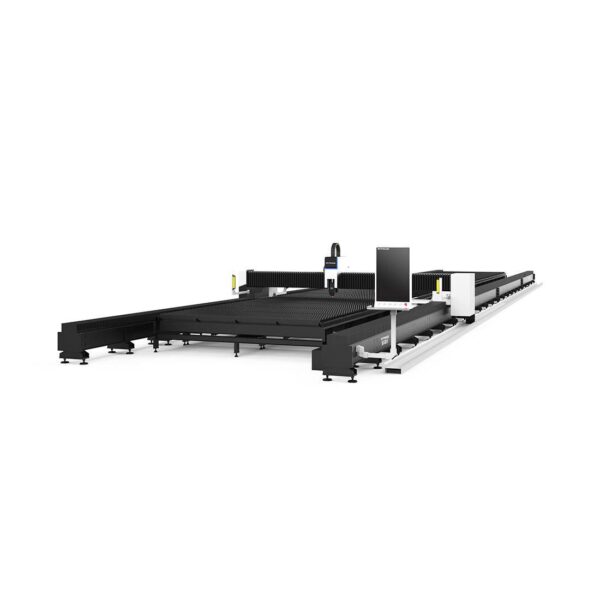

GF laser cutting machine
-
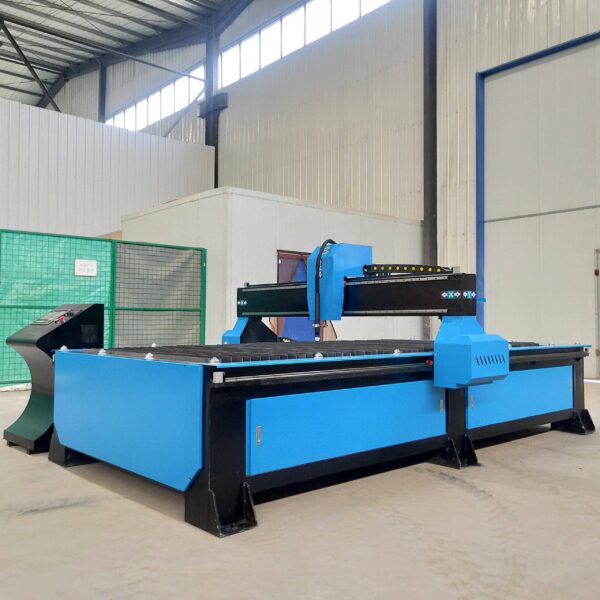
P3015 plasma cutting machine
-

LFP3015 Fiber Laser Cutter
-
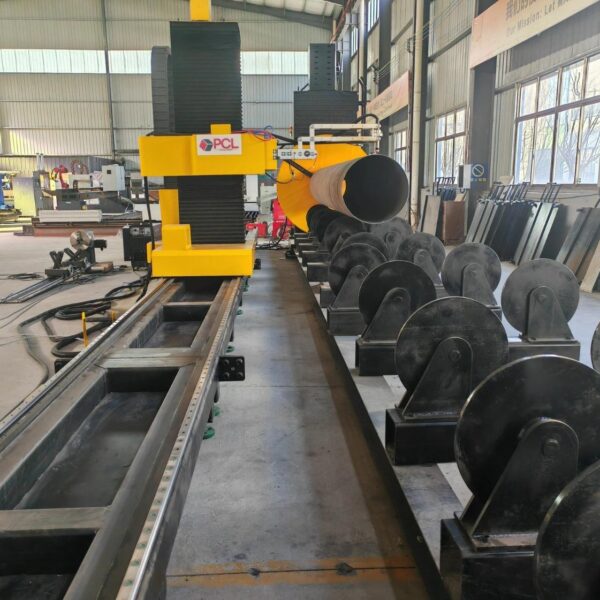
pipe plasma cutting machine
-
LFH 4020 Fiber Laser Cutting Machine
-
LFP4020
-
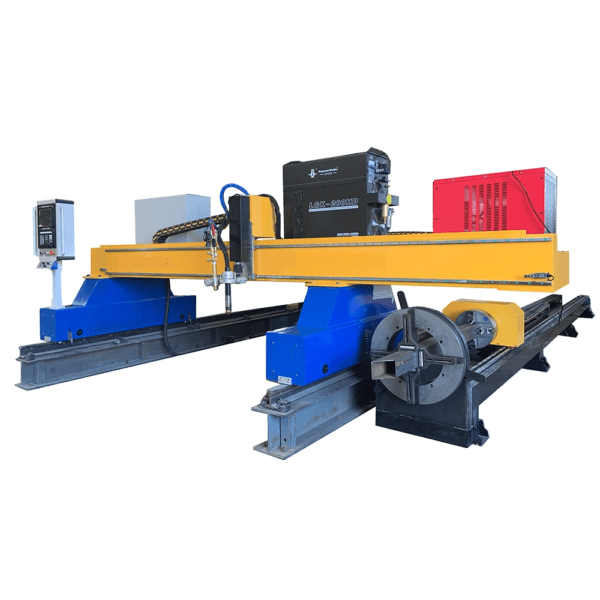
gantry plasma air cutting machine
-
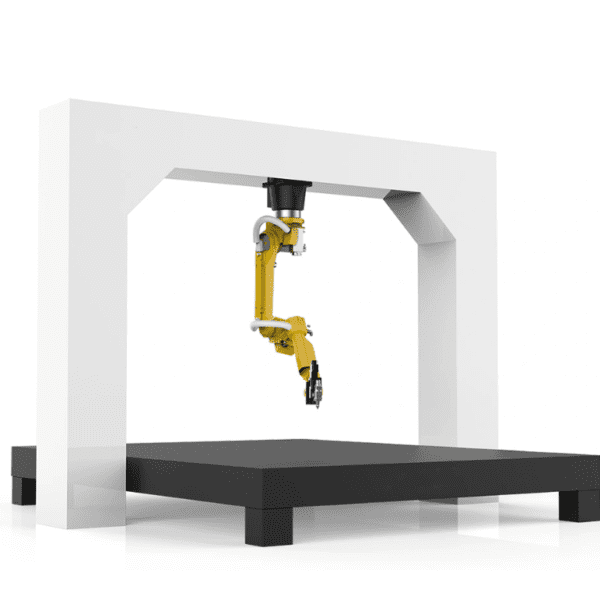
3D robot cutting machine
-
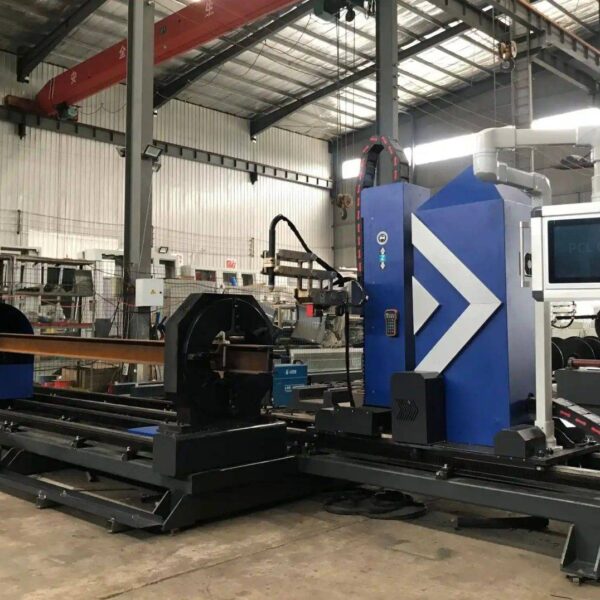
8 axis plasma cutting machine
-
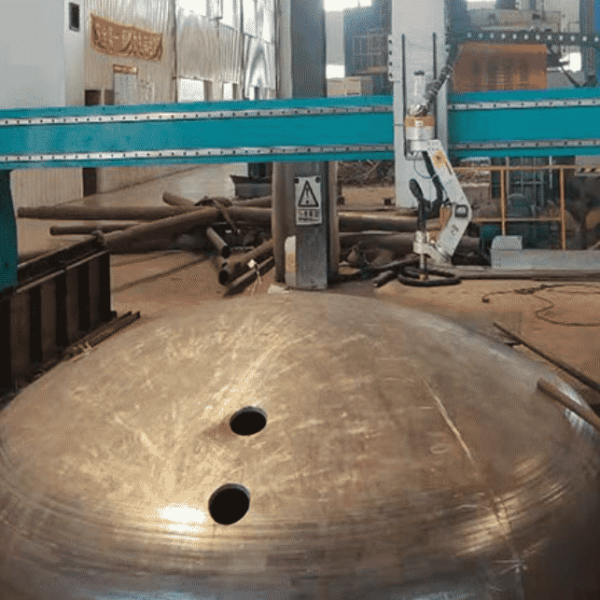
5 axis plasma cutting machine
-

LT360 tube laser cutting machine
-
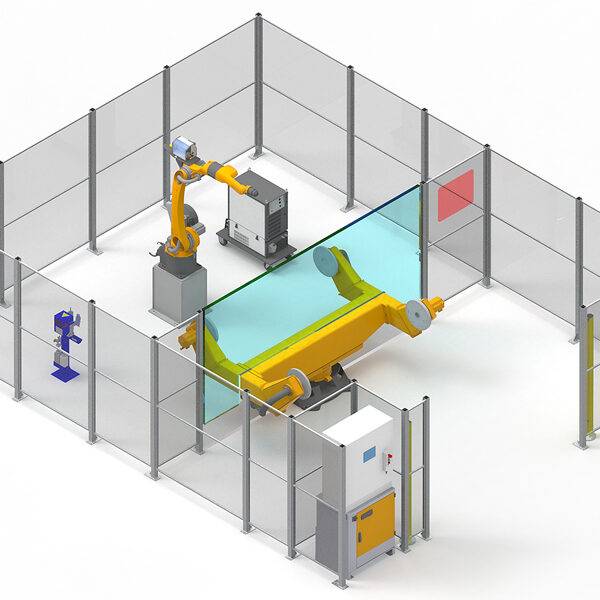
robot welding workstation
-
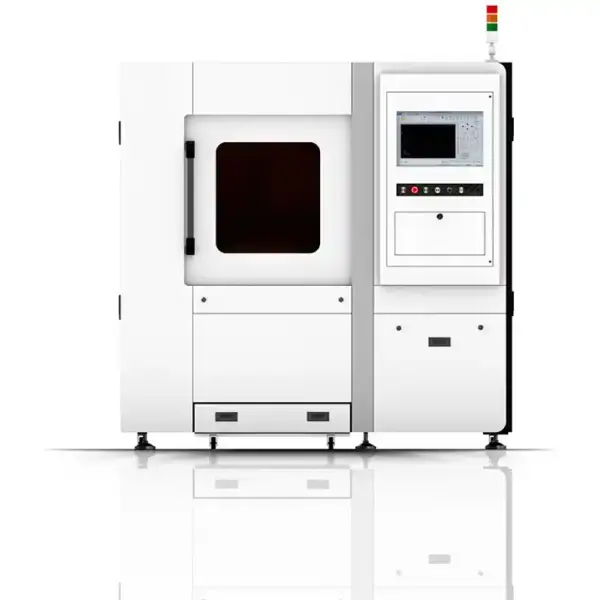
SF6060 fiber laser cutting machine
Advanced Fiber Laser Tube Processing Technology
Our CNC Fiber Laser Tube Cutting systems revolutionize metal fabrication by integrating high-precision cutting, punching, and profiling into a single automated workflow. Designed for versatility, this technology handles a wide array of profiles including Round, Square, Rectangular, and Oval tubes, as well as complex L-shaped and U-shaped channels.
- Precision Punching: High-speed hole punching with micron-level accuracy, eliminating the need for mechanical drilling or die-stamping.
- Complex Profiling: Advanced 3D pathing allows for intricate interlocking joints and specialized notch cuts, ideal for structural frames.
- High Material Efficiency: Intelligent nesting software minimizes scrap, reducing raw material costs across large production runs.
- Clean Finish: Delivers oxide-free, burr-free edges that require zero secondary grinding before welding.

Seamlessly processing multiple profiles with consistent precision.
Global Delivery & Logistics



From our high-tech manufacturing facility directly to your global site. PCL WeldCut ensures secure packaging, professional handling, and reliable international logistics to safeguard your equipment throughout the entire journey.