Field Report: Double Pulse Implementation and Automation Synergy
Location: Tier-1 Automotive Supplier, Nilüfer Organized Industrial Zone (OSB), Bursa, Turkey
Date: October 14, 2023
Subject: Optimization of Robotic Arm Welder for High-Volume Mild Steel Chassis Components
1. Executive Summary of Site Conditions
The facility in Bursa operates as a primary supplier for major European automotive OEMs. The objective of this field visit was to finalize the commissioning of a six-axis Robotic Arm Welder integrated into a modular Industrial Automation cell. The primary material focus is 4.0mm to 6.0mm Mild Steel welding, specifically targeting structural brackets that require both high aesthetic quality and deep penetration. We are transitioning from traditional CV (Constant Voltage) MIG to a Double Pulse GMAW process to mitigate heat distortion and reduce post-weld cleanup.
2. The Synergy: Robotic Arm Welder and Industrial Automation
In the Bursa workshop, the Robotic Arm Welder does not operate in a vacuum. The true efficiency gain comes from its deep integration into the Industrial Automation ecosystem. This synergy is managed via a centralized PLC (Programmable Logic Controller) that coordinates the robot’s movement with a dual-station rotary positioner.
Lessons learned from the first week of deployment highlight that the Industrial Automation framework must account for the specific “handshake” between the power source and the robot controller. In Bursa, we encountered initial latency issues where the gas pre-flow was triggering before the positioner had fully locked into its zero-degree tolerance. We rectified this by rewriting the safety logic to include a physical “pin-seated” sensor feedback into the automation loop. Without this synergy, the Robotic Arm Welder is simply a fast tool; with it, it becomes a predictable production node.
3. Technical Deep Dive: Mild Steel Welding via Double Pulse
Mild Steel welding in high-volume environments often suffers from spatter and excessive heat-affected zones (HAZ). By utilizing a Double Pulse waveform, we effectively modulate the current between a high peak (for penetration) and a lower base (for cooling/shaping).

Waveform Parameters:
- Peak Current: 280A
- Base Current: 110A
- Pulse Frequency: 1.8 Hz to 2.5 Hz
- Wire: 1.2mm ER70S-6 (Local Erdemir sourced stock)
- Shielding Gas: 82% Argon / 18% CO2
The “stacked-dimes” appearance traditionally reserved for TIG is now achievable on Mild Steel welding at speeds exceeding 60 cm/min. This is critical for the Bursa facility because it eliminates the need for a secondary grinding station, which was previously a bottleneck in their Industrial Automation flow.
4. Real-World Challenges and Technical Corrections
4.1. Local Material Variability
A specific challenge in the Bursa region is the slight variance in mill scale thickness on locally sourced Mild Steel. Even within the same batch, the Robotic Arm Welder encountered “arc wandering” due to surface conductivity fluctuations.
Lesson Learned: We implemented a peripheral wire-brushing station within the Industrial Automation cell. The robot now performs a quick cleaning pass on critical joint areas if the laser sensor detects excessive oxidation. This added 4 seconds to the cycle time but reduced the scrap rate by 12%.
4.2. TCP (Tool Center Point) Drift
In a 24/7 operation, thermal expansion of the Robotic Arm Welder‘s wrist can lead to TCP drift. During the midday shift in the Bursa summer heat, we noticed a 0.8mm deviation. In Mild Steel welding of thin-walled tubes, 0.8mm is the difference between a perfect root pass and a burn-through.
Lesson Learned: We integrated an automated TCP check routine every 50 cycles. The robot moves to a fixed touch-off point; if the deviation exceeds 0.3mm, the Industrial Automation software automatically applies a coordinate offset.
5. Industrial Automation Integration: The “Bursa” Setup
The Bursa workshop layout is tight. We had to optimize the Industrial Automation footprint to allow for forklift access while maintaining ISO safety standards. We utilized “Safety-over-Ethernet” to reduce the physical wiring between the Robotic Arm Welder and the light curtains. This allows for a more modular setup, where the welding power source is mounted on a gantry above the robot to save floor space.
Furthermore, we addressed the power grid stability issues common in the Nilüfer district. Voltage drops during peak industrial hours were causing the inverter to throw “Error 05” (Under-voltage). We installed a dedicated 50kVA stabilizer for the welding cell to ensure that the Mild Steel welding parameters remained consistent regardless of external grid load.
6. The Economic Impact of the Robotic Arm Welder
Prior to this installation, the Bursa site used six manual welders per shift for these chassis parts. The manual approach to Mild Steel welding resulted in inconsistent penetration and a 15% rework rate due to distortion.
By shifting to a Robotic Arm Welder, the facility now produces the same volume with one operator per shift (primarily for loading/unloading). The Industrial Automation system has reduced the “Arc-On” time variability to near zero. The Double Pulse technology also reduced wire consumption by 8% due to the precision of the droplet transfer compared to standard globular transfer modes.
7. Maintenance Protocols and Long-Term Reliability
For a Robotic Arm Welder to survive a heavy-duty Mild Steel welding environment, the maintenance schedule must be rigid. In the Bursa plant, we have established the following:
Daily Check:
- Nozzle cleaning and anti-spatter spray verification.
- Wire feeder tension check (essential for 1.2mm wire consistency).
Weekly Check:
- Inspection of the conduit liner. Mild Steel welding is dirty; metal dust accumulation in the liner is the #1 cause of arc instability.
- Verification of the Industrial Automation interlocks and E-stop response times.
8. Senior Engineer’s Conclusion: “The Bursa Blueprint”
The success of this project proves that Mild Steel welding is no longer a manual-only domain in high-spec automotive work. The Robotic Arm Welder provides the repeatability, while the Industrial Automation provides the scale. However, the senior engineer must remain vigilant about “The Last Mile”—the specific nuances of the local material, the local power grid, and the local operator training.
In Bursa, we didn’t just install a robot; we installed a process. The Double Pulse settings have been locked into the job library, and the Industrial Automation logic has been backed up to the cloud. We are moving to the next phase: integrating an AI-based vision system for real-time weld pool monitoring. For now, the “Bursa Blueprint” of Mild Steel welding stands as our most robust Robotic Arm Welder implementation to date.
Report End.
Signed,
Senior Welding Engineer
-
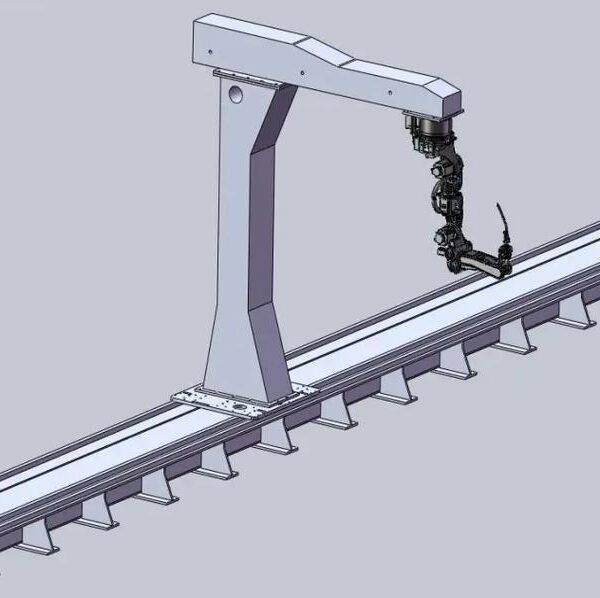

Cantilever Welding Robot solution
-
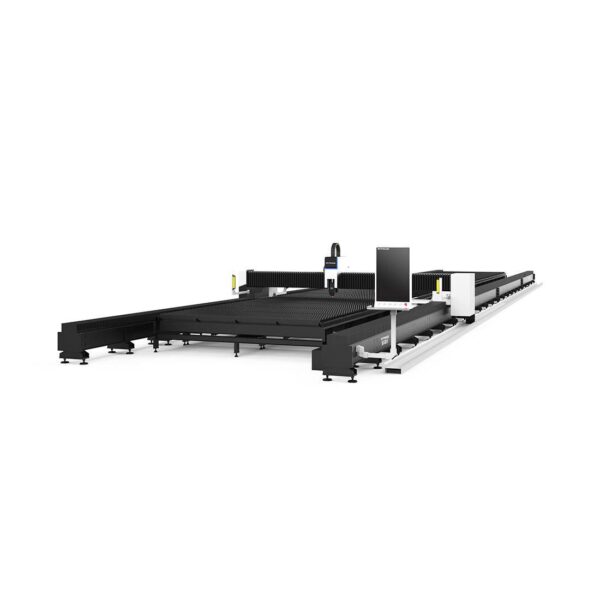

GF laser cutting machine
-
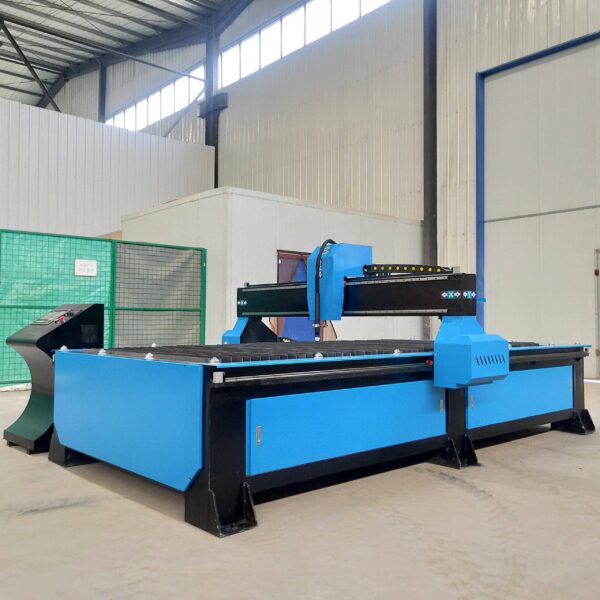
P3015 plasma cutting machine
-

LFP3015 Fiber Laser Cutter
-
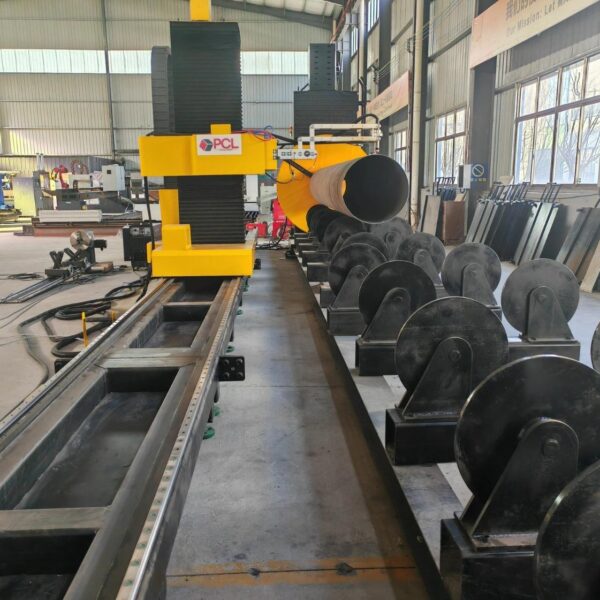
pipe plasma cutting machine
-
LFH 4020 Fiber Laser Cutting Machine
-
LFP4020
-
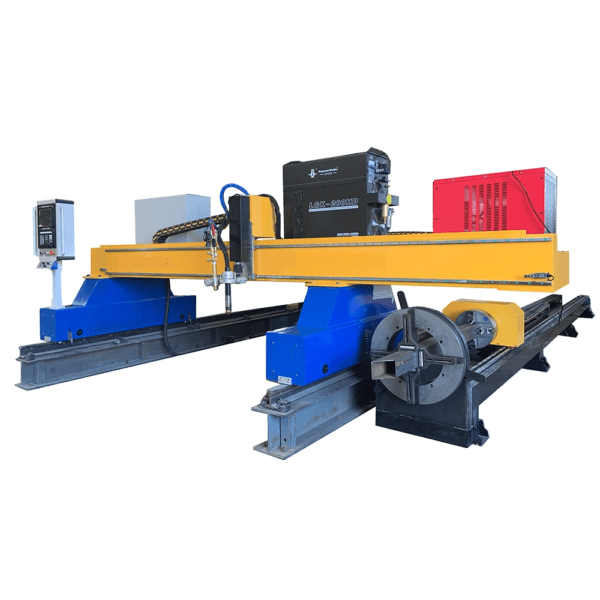
gantry plasma air cutting machine
-
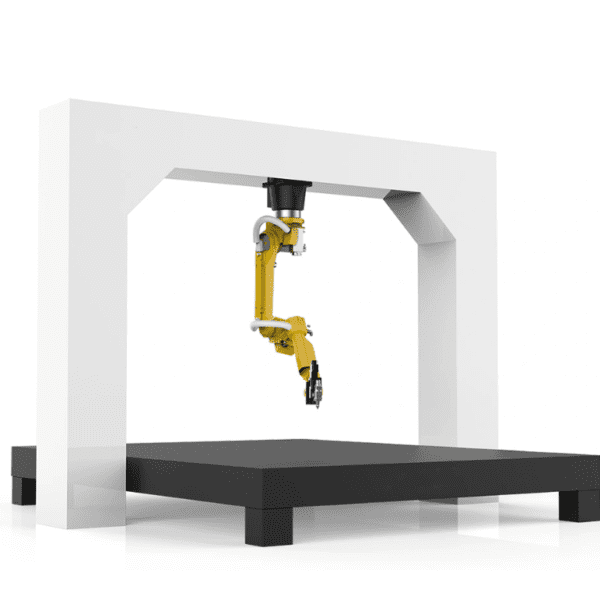
3D robot cutting machine
-
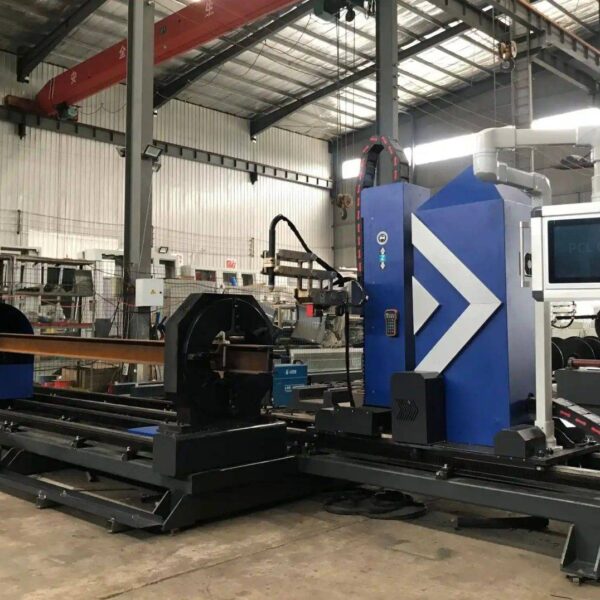
8 axis plasma cutting machine
-
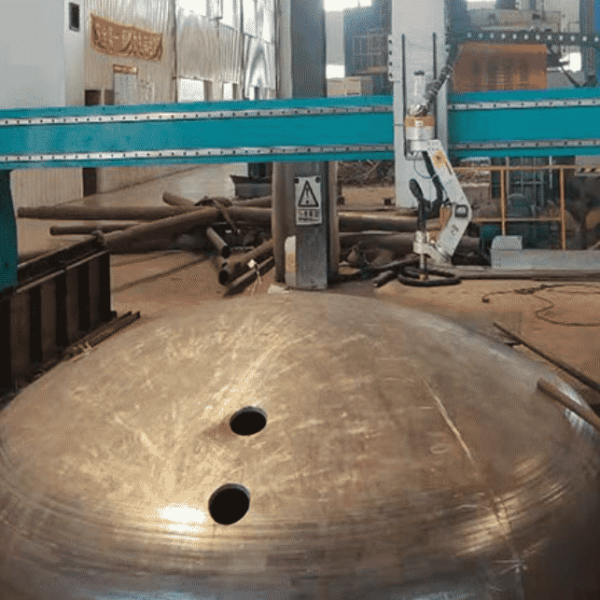
5 axis plasma cutting machine
-

LT360 tube laser cutting machine
-
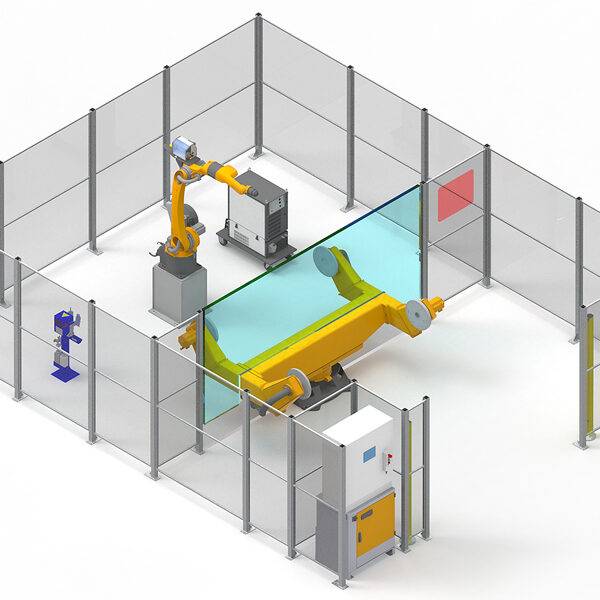
robot welding workstation
-
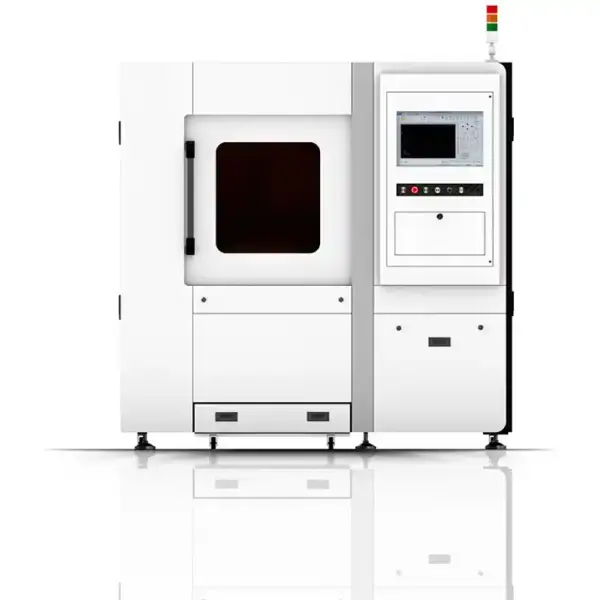
SF6060 fiber laser cutting machine
Advanced Fiber Laser Tube Processing Technology
Our CNC Fiber Laser Tube Cutting systems revolutionize metal fabrication by integrating high-precision cutting, punching, and profiling into a single automated workflow. Designed for versatility, this technology handles a wide array of profiles including Round, Square, Rectangular, and Oval tubes, as well as complex L-shaped and U-shaped channels.
- Precision Punching: High-speed hole punching with micron-level accuracy, eliminating the need for mechanical drilling or die-stamping.
- Complex Profiling: Advanced 3D pathing allows for intricate interlocking joints and specialized notch cuts, ideal for structural frames.
- High Material Efficiency: Intelligent nesting software minimizes scrap, reducing raw material costs across large production runs.
- Clean Finish: Delivers oxide-free, burr-free edges that require zero secondary grinding before welding.

Seamlessly processing multiple profiles with consistent precision.
Global Delivery & Logistics



From our high-tech manufacturing facility directly to your global site. PCL WeldCut ensures secure packaging, professional handling, and reliable international logistics to safeguard your equipment throughout the entire journey.