Field Report: Implementing Double Pulse MIG/MAG Welding Robot Systems in Seoul’s High-Tech Manufacturing Sector
1. Introduction and Project Scope
This report details the technical deployment and optimization of a high-speed MIG/MAG Welding Robot at a Tier-1 aerospace and electronics fabrication facility in Seoul, South Korea. The objective was to replace traditional manual TIG (Tungsten Inert Gas) processes with an automated system capable of handling thin-gauge materials and reactive alloys, specifically focusing on Titanium welding.
In the competitive landscape of Seoul’s industrial districts, the transition to Arc Welding Solutions that integrate robotics is no longer optional. The project’s success hinged on the synergy between the robotic motion control and the double-pulse power source parameters to achieve TIG-like aesthetics with MIG productivity.
2. The Synergy: MIG/MAG Welding Robot and Integrated Arc Welding Solutions
One of the primary lessons learned during this deployment is that a MIG/MAG Welding Robot is only as effective as the holistic Arc Welding Solutions surrounding it. In the Seoul workshop, we didn’t just install a mechanical arm; we synchronized a complex ecosystem.
2.1 Hardware Synchronization
The robot, a 6-axis high-speed variant, was paired with a digital power source capable of a 200Hz pulse frequency. The synergy here lies in the communication speed between the robot controller and the power source. Using a dedicated Fieldbus interface, we reduced the latency to less than 2 milliseconds. This allowed the Arc Welding Solutions to adjust the voltage and wire feed speed in real-time as the robot navigated tight radii on the workpiece.
2.2 Software Integration and Offline Programming (OLP)
In Seoul’s high-cost labor market, minimizing downtime is critical. We utilized OLP to program the MIG/MAG Welding Robot while the cell was still running the previous batch. The synergy here involves the “digital twin” of the welding environment. By simulating the arc characteristics within the software, we predicted heat-induced distortion before the first arc was struck.
3. Technical Deep-Dive: Titanium Welding via Double Pulse MIG
Titanium welding is notoriously difficult due to the metal’s high reactivity with oxygen, nitrogen, and hydrogen at temperatures above 350°C. Traditionally, this required manual TIG in a glove box. However, our field test in Seoul proved that a MIG/MAG Welding Robot using a double-pulse regime could achieve the necessary metallurgical integrity.
3.1 Managing the Heat Affected Zone (HAZ)
The “Double Pulse” function alternates between a high-energy pulse and a low-energy pulse. This creates a “shingled” bead appearance similar to manual TIG. More importantly, it allows for cooling periods between the high-current peaks. During the Titanium welding process, this reduced the overall heat input by 30% compared to standard spray-transfer MIG, significantly narrowing the HAZ and preventing grain growth that typically leads to joint embrittlement.
3.2 Gas Shielding Challenges in the Seoul Facility
The atmospheric conditions in a standard Seoul workshop require rigorous gas management. For Titanium welding, we implemented a custom-engineered trailing shield attached to the robot’s torch. We utilized 99.999% pure Argon. The Arc Welding Solutions package included an integrated gas flow sensor that would trigger an emergency stop if the flow dropped below 25 Liters/Minute, ensuring no titanium component was ever “cooked” in an oxygen-rich environment.
4. Practical Application: The Seoul Case Study
The specific application involved the fabrication of lightweight heat exchangers for a local aerospace contractor. The geometry required long, continuous fillets on 2.0mm Grade 2 Titanium sheets.
4.1 Parameter Optimization
We established the following baseline for the MIG/MAG Welding Robot:
- Wire: 1.2mm ERTi-2 (Titanium Grade 2)
- Base Frequency: 1.5 Hz (Double Pulse)
- Peak Current: 220A
- Background Current: 85A
- Travel Speed: 65 cm/min
Compared to manual TIG, which averaged 12 cm/min, the robotic Arc Welding Solutions provided a 5x increase in throughput while maintaining a 0% reject rate over a 100-unit test run.
4.2 Wire Feeding Criticality
Titanium wire is stiff and prone to “bird-nesting” if the feed path isn’t perfect. We employed a push-pull torch system integrated into the MIG/MAG Welding Robot. The synchronization between the internal motor of the robot torch and the main wire feeder ensured constant tension, which is vital for the stability of the double-pulse arc.
5. Lessons Learned from the Field
Engineering in a high-tech hub like Seoul teaches you that precision is cumulative. Small errors in the setup of Arc Welding Solutions lead to catastrophic failures in Titanium welding.
5.1 Grounding and EMI
In the densely packed industrial zones of Seoul, Electromagnetic Interference (EMI) from neighboring machines can wreak havoc on robotic sensors. We found that standard grounding was insufficient for the high-frequency pulses used in our MIG/MAG Welding Robot. We had to implement a dedicated copper grounding grid for the welding cell to prevent arc instability.
5.2 Tip Longevity
Titanium is abrasive. We noticed that standard copper contact tips wore out after only 4 hours of continuous robotic operation. Switching to chrome-zirconium-copper tips, specifically designed for heavy-duty Arc Welding Solutions, extended the life to 12 hours. This is a crucial “field fact” for any engineer calculating the ROI of a robotic cell.
5.3 The Importance of “Slope-Down”
When Titanium welding with a robot, the crater at the end of the weld is a primary failure point. We programmed a sophisticated “slope-down” routine where the MIG/MAG Welding Robot dwells for 1.5 seconds while the gas continues to flow (post-flow) even after the arc is extinguished. This ensures the crater is fully shielded until it cools below the critical oxidation temperature.
6. Strategic Conclusion for the Seoul Workshop
The implementation of the MIG/MAG Welding Robot in this facility has redefined the local standard for Titanium welding. By leveraging comprehensive Arc Welding Solutions—including double-pulse power, trailing gas shields, and push-pull wire feeding—we have bridged the gap between manual quality and industrial-scale speed.
The primary takeaway for senior engineering management is that the hardware is secondary to the integration. The synergy between the robot’s motion and the power source’s pulse characteristics is what allows for the successful automation of sensitive alloys like titanium. Moving forward, we recommend a quarterly calibration of the gas delivery systems and a move toward AI-driven seam tracking to further enhance the capabilities of the robotic cell.
Final Field Recommendation:
Ensure that all technicians on the Seoul floor are trained not just in robot operation, but in the metallurgy of titanium. A MIG/MAG Welding Robot is a tool of precision, but it requires an operator who understands why a blue tint on a titanium weld signifies a failure in the Arc Welding Solutions protocol. Keep the shielding tight, the wire clean, and the pulses synchronized.
Report Prepared By:
Senior Welding Engineer, Seoul Field Office
Specialization: Robotic Automation & Reactive Metals
-
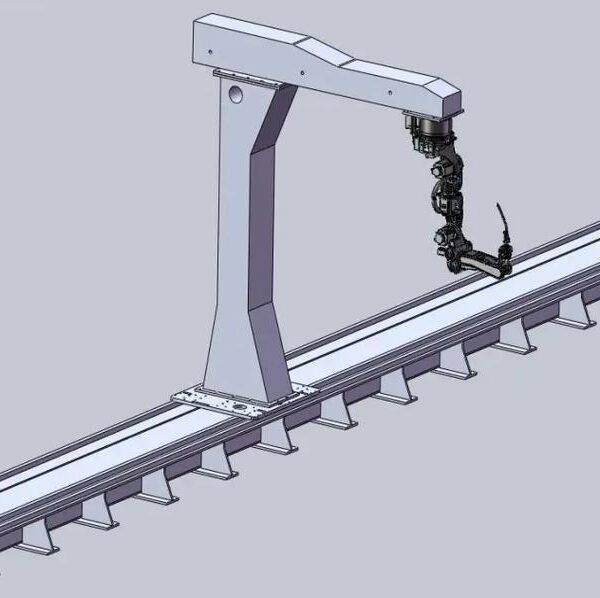

Cantilever Welding Robot solution
-
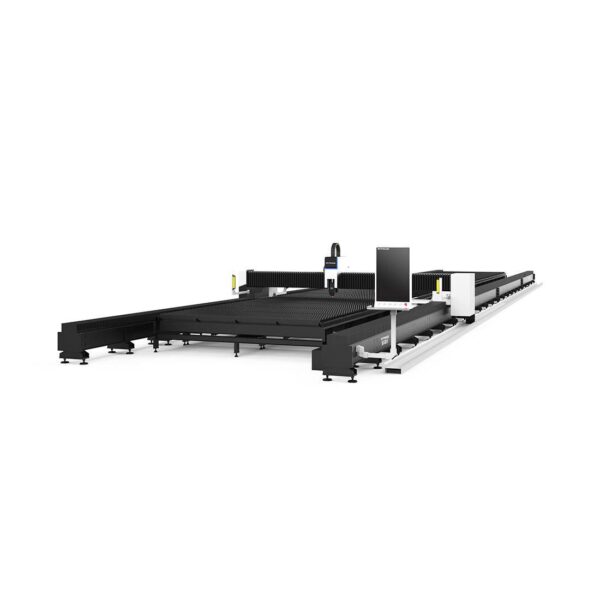

GF laser cutting machine
-
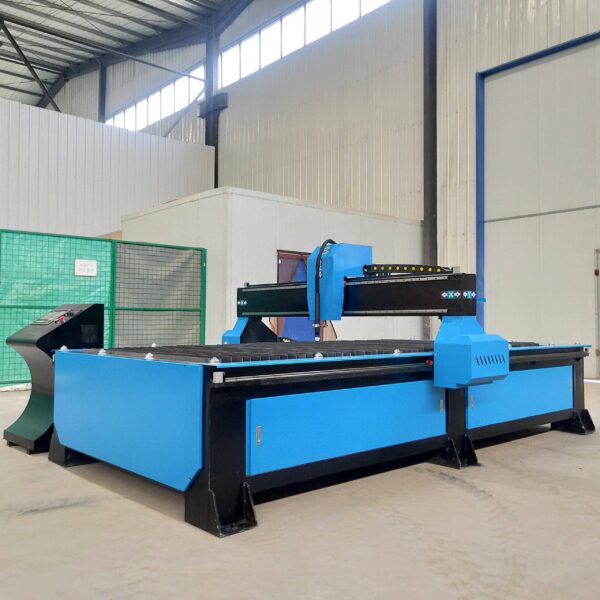
P3015 plasma cutting machine
-

LFP3015 Fiber Laser Cutter
-
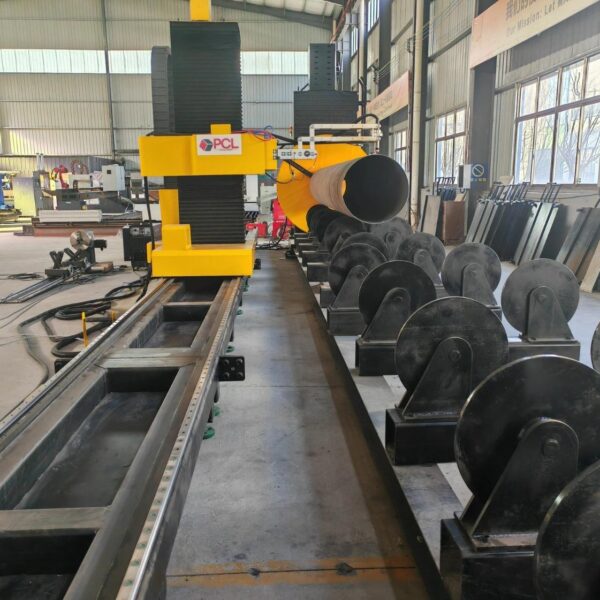
pipe plasma cutting machine
-
LFH 4020 Fiber Laser Cutting Machine
-
LFP4020
-
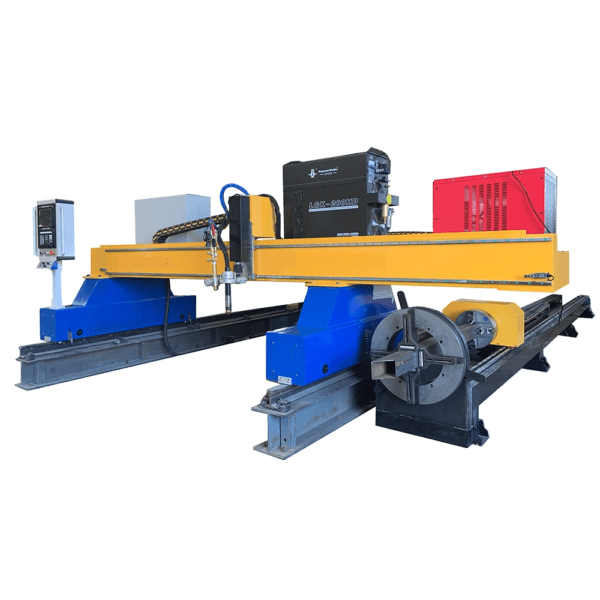
gantry plasma air cutting machine
-
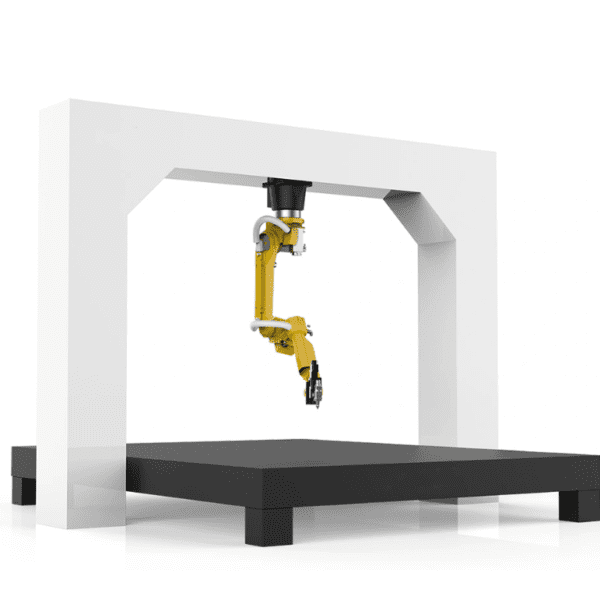
3D robot cutting machine
-
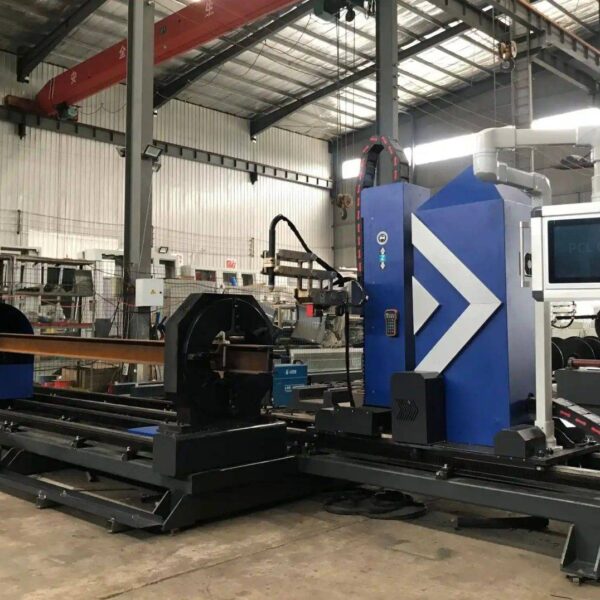
8 axis plasma cutting machine
-
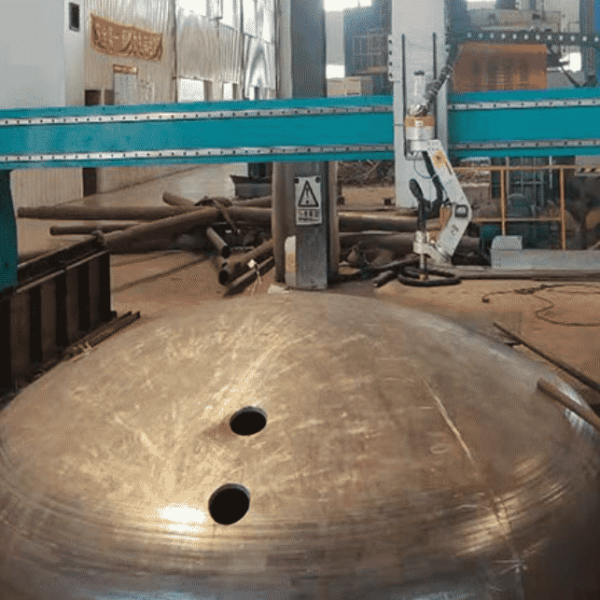
5 axis plasma cutting machine
-

LT360 tube laser cutting machine
-
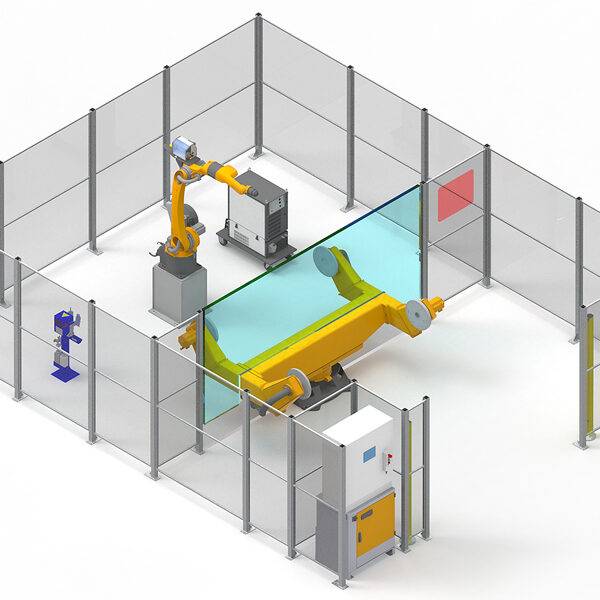
robot welding workstation
-
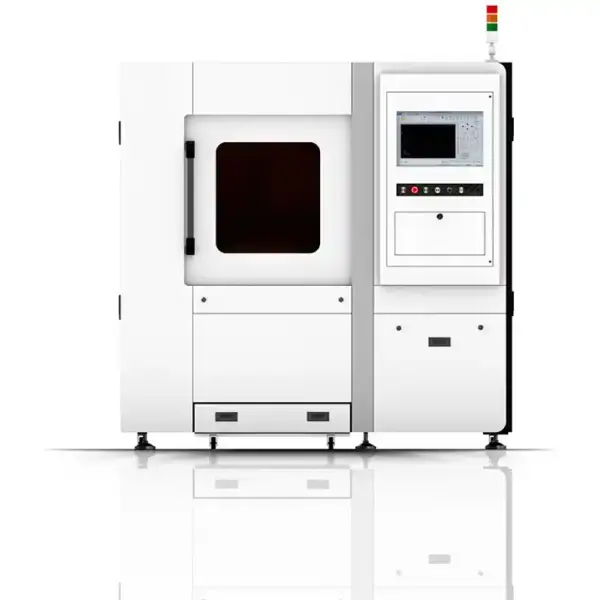
SF6060 fiber laser cutting machine
Advanced Fiber Laser Tube Processing Technology
Our CNC Fiber Laser Tube Cutting systems revolutionize metal fabrication by integrating high-precision cutting, punching, and profiling into a single automated workflow. Designed for versatility, this technology handles a wide array of profiles including Round, Square, Rectangular, and Oval tubes, as well as complex L-shaped and U-shaped channels.
- Precision Punching: High-speed hole punching with micron-level accuracy, eliminating the need for mechanical drilling or die-stamping.
- Complex Profiling: Advanced 3D pathing allows for intricate interlocking joints and specialized notch cuts, ideal for structural frames.
- High Material Efficiency: Intelligent nesting software minimizes scrap, reducing raw material costs across large production runs.
- Clean Finish: Delivers oxide-free, burr-free edges that require zero secondary grinding before welding.

Seamlessly processing multiple profiles with consistent precision.
Global Delivery & Logistics



From our high-tech manufacturing facility directly to your global site. PCL WeldCut ensures secure packaging, professional handling, and reliable international logistics to safeguard your equipment throughout the entire journey.