Field Report: High-Performance Double Pulse MIG/MAG Welding Robot Integration
Location: Johannesburg (Industrial Precinct), South Africa
Senior Engineer Site Notes: Commissioning and Optimization Phase
This report details the technical implementation and performance optimization of a 6-axis **MIG/MAG Welding Robot** unit deployed at a heavy-vehicle chassis manufacturing facility in Johannesburg. The primary objective was to transition from manual CO2 welding to automated **Arc Welding Solutions** to address consistency issues in **Carbon Steel welding**, specifically targeting S355JR structural sections.
The Johannesburg environment presents unique challenges, including high altitude (approx. 1750m), which affects gas density and arc stability, and the persistent threat of voltage fluctuations from the municipal grid. The following technical breakdown focuses on the synergy between hardware automation and process control.
Technical Integration: The MIG/MAG Welding Robot and Arc Welding Solutions
The core of the installation is a high-speed **MIG/MAG Welding Robot** integrated with a 500A digital power source. In the context of the Johannesburg workshop, “off-the-shelf” settings are insufficient. We implemented a comprehensive suite of **Arc Welding Solutions** that includes real-time seam tracking and a specialized double-pulse waveform generator.
The synergy here is critical. A **MIG/MAG Welding Robot** is merely a motion platform; its effectiveness is dictated by how the **Arc Welding Solutions** manage the physics of the molten pool. For this specific project, the double-pulse function was utilized to mimic the aesthetic of TIG welding while maintaining the high deposition rates required for heavy **Carbon Steel welding**. By oscillating the wire feed speed and current between two distinct levels, we achieved superior grain refinement in the weld metal—a necessity for the vibration-prone chassis components being produced.
Waveform Management and Gas Shielding Dynamics
In Johannesburg’s thinner air, gas ionization behaves differently. During the commissioning of the **MIG/MAG Welding Robot**, we observed that standard Ar/CO2 (80/20) flow rates used at sea level (e.g., Durban) resulted in atmospheric contamination. We adjusted the **Arc Welding Solutions** parameters to increase the pre-flow and post-flow durations and bumped the flow rate to 18-22 L/min to ensure a stable plasma column during the high-frequency pulse phases of the **Carbon Steel welding** process.
Deep Dive: Carbon Steel Welding Optimization
The material profile consisted primarily of 6mm to 12mm S355 carbon steel. While **Carbon Steel welding** is often viewed as a “forgiving” process, the structural integrity requirements for the South African transport sector are stringent.
The Double Pulse Advantage
Using the **MIG/MAG Welding Robot**’s double pulse capability, we addressed two specific issues:
1. **Burn-through on Root Passes:** The low-frequency pulse allows the weld pool to solidify momentarily, preventing sagging.
2. **Spatter Reduction:** Traditional MAG welding on carbon steel often results in significant post-weld cleaning. Our integrated **Arc Welding Solutions** utilized a “short-circuit bridge” control that cuts current the microsecond before the droplet detaches, virtually eliminating spatter.
Thermal Management in Heavy Sections
For the 12mm thick-walled sections, the **MIG/MAG Welding Robot** was programmed with a multi-pass strategy. The first pass utilized a high-energy spray transfer to ensure root penetration, while the subsequent capping passes used the double-pulse mode. This hybrid approach, part of our tailored **Arc Welding Solutions**, reduced the heat-affected zone (HAZ) by 15% compared to manual methods, preserving the mechanical properties of the **Carbon Steel welding** zone.
Operational Challenges in the Johannesburg Workshop
Power Grid Instability and Surge Protection
One of the most significant hurdles in South Africa is the instability of the electrical supply. The **MIG/MAG Welding Robot**’s control cabinet was fitted with a dedicated industrial UPS and surge filtration system. We found that even minor voltage drops would cause the **Arc Welding Solutions**’ digital communication bus to glitch, leading to arc outages.
**Lesson Learned:** Never trust the “cleanliness” of industrial power in the Highveld. Always install a dedicated line filter before the power source to protect the delicate inverter electronics of the **MIG/MAG Welding Robot**.
Atmospheric Conditions and Wire Feed Integrity
The dust levels in Johannesburg’s industrial zones (Elandsfontein/City Deep) are notorious. This dust acts as an abrasive in the wire liners. During **Carbon Steel welding**, we noticed a “stuttering” in the arc. The solution was the implementation of a pressurized wire delivery system and ceramic liners, a modification to our standard **Arc Welding Solutions** package to suit the local environment.
Performance Metrics and Data Analysis
After 30 days of operation, the data collected from the **MIG/MAG Welding Robot**’s monitoring software provided the following insights into our **Carbon Steel welding** efficiency:
* **Cycle Time Reduction:** Manual welding of a chassis sub-assembly took 4.5 hours. The automated **Arc Welding Solutions** reduced this to 55 minutes.
* **Consumable Efficiency:** Wire wastage was reduced by 22% due to the precision of the **MIG/MAG Welding Robot**’s start/stop parameters.
* **Defect Rate:** Non-destructive testing (NDT) showed a reduction in porosity and lack-of-fusion defects from 8% (manual) to less than 0.5% (robotic).
The success of the **Carbon Steel welding** on this site is directly attributed to the fine-tuning of the pulse-on-pulse frequency. By setting the base frequency to 1.5 Hz and the peak frequency to 120 Hz, we achieved a “ripple” effect that passed all visual inspections for South African Bureau of Standards (SABS) compliance without requiring secondary grinding.
Technical Lessons Learned for Senior Engineering Staff
Implementing a **MIG/MAG Welding Robot** in a high-demand environment like Johannesburg requires more than just mechanical installation. The “lessons learned” on this project are vital for future deployments:
1. **Earth Grounding is Non-Negotiable:** High-frequency pulsing in **Arc Welding Solutions** creates significant electromagnetic interference (EMI). We had to install a 2-meter copper earth spike specifically for the **MIG/MAG Welding Robot** to prevent signal noise from affecting the encoders.
2. **Synergic Lines vs. Manual Overrides:** While the **MIG/MAG Welding Robot** comes with pre-programmed synergic lines for **Carbon Steel welding**, these are calibrated for European steel chemistries. Local South African steel often has higher manganese content. We had to create custom lookup tables within the **Arc Welding Solutions** software to optimize the arc length and trim.
3. **Operator Skill Gap:** The transition to a **MIG/MAG Welding Robot** requires manual welders to become “process technicians.” We found that training the local staff on the logic of the **Arc Welding Solutions**—rather than just button-pressing—reduced downtime by 40% during the second week of operation.
Conclusion: The Path Forward
The integration of the **MIG/MAG Welding Robot** in this Johannesburg facility has proven that automated **Arc Welding Solutions** are not just about speed; they are about consistency in harsh industrial climates. The specific challenges of **Carbon Steel welding**—namely heat management and structural integrity—are best met through the precision of double-pulse technology.
Moving forward, we recommend a quarterly calibration of the wire feed tachometers and a bi-monthly deep clean of the cooling units to combat the Highveld dust. This setup now serves as the regional benchmark for high-output **Carbon Steel welding** automation.
-
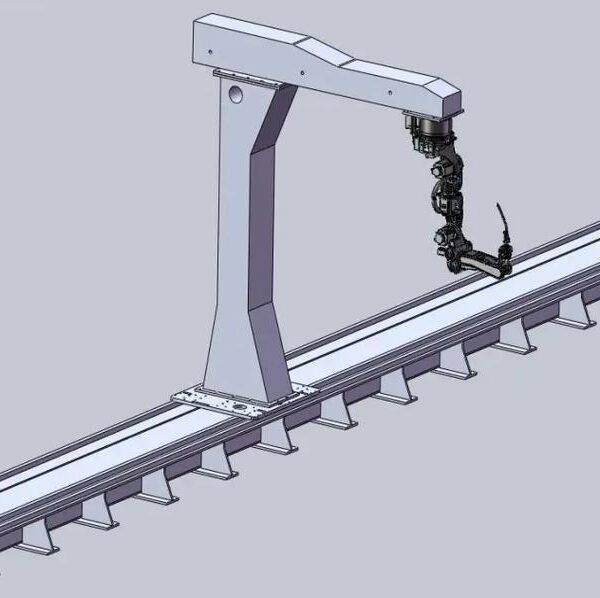

Cantilever Welding Robot solution
-
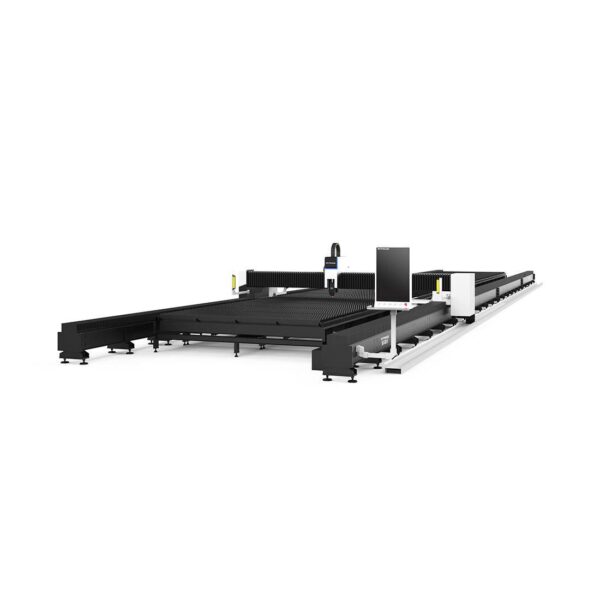

GF laser cutting machine
-
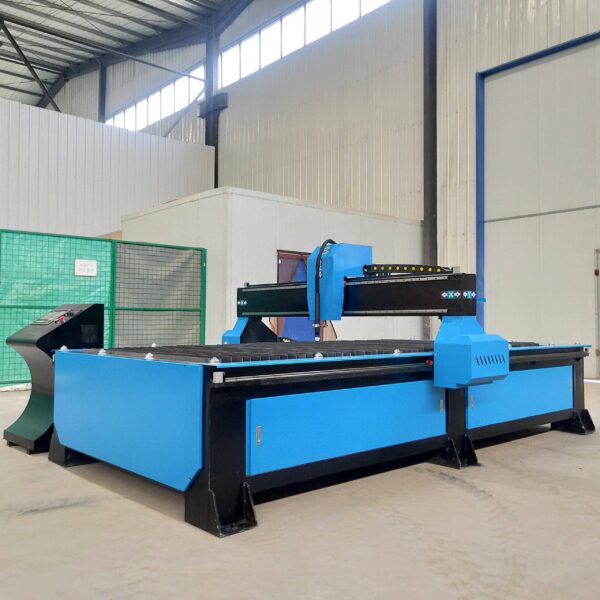
P3015 plasma cutting machine
-

LFP3015 Fiber Laser Cutter
-
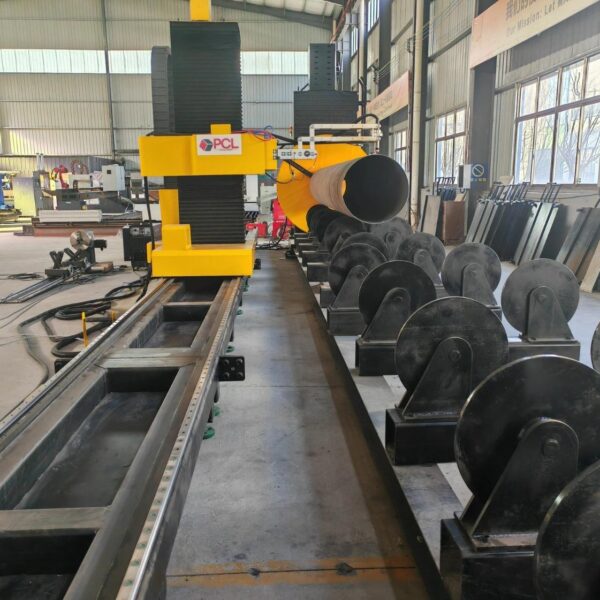
pipe plasma cutting machine
-
LFH 4020 Fiber Laser Cutting Machine
-
LFP4020
-
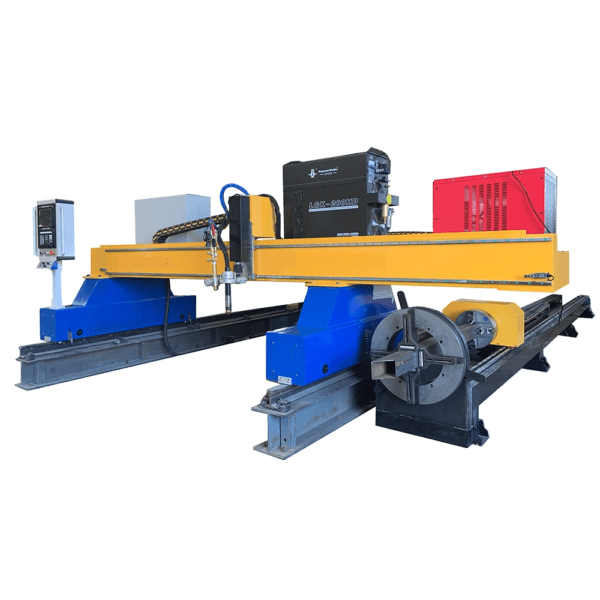
gantry plasma air cutting machine
-
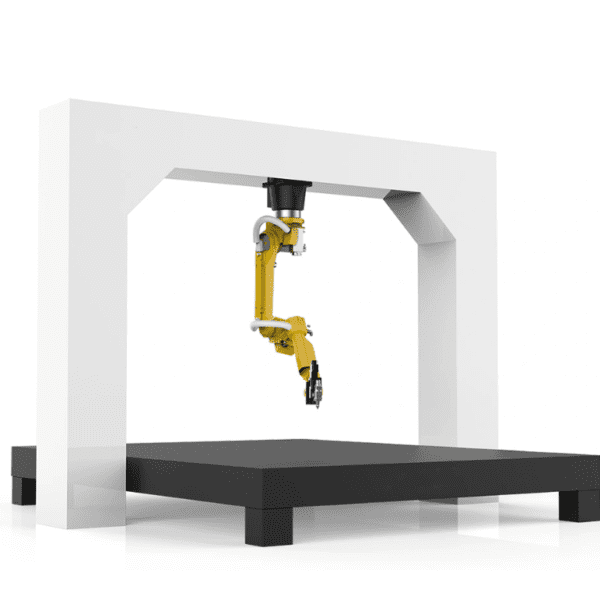
3D robot cutting machine
-
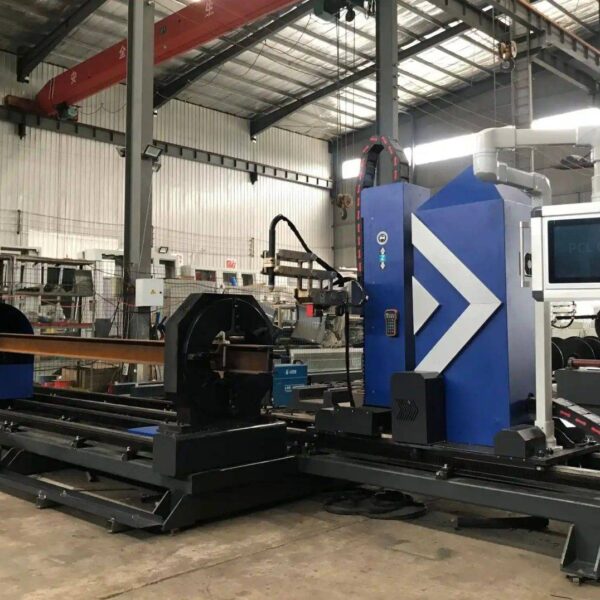
8 axis plasma cutting machine
-
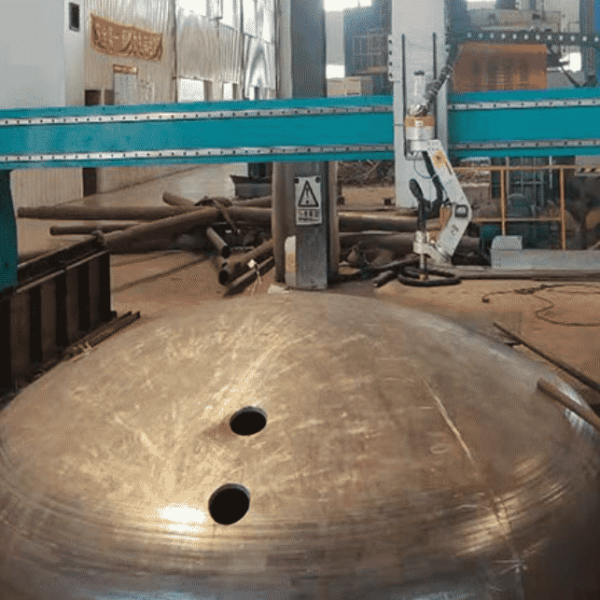
5 axis plasma cutting machine
-

LT360 tube laser cutting machine
-
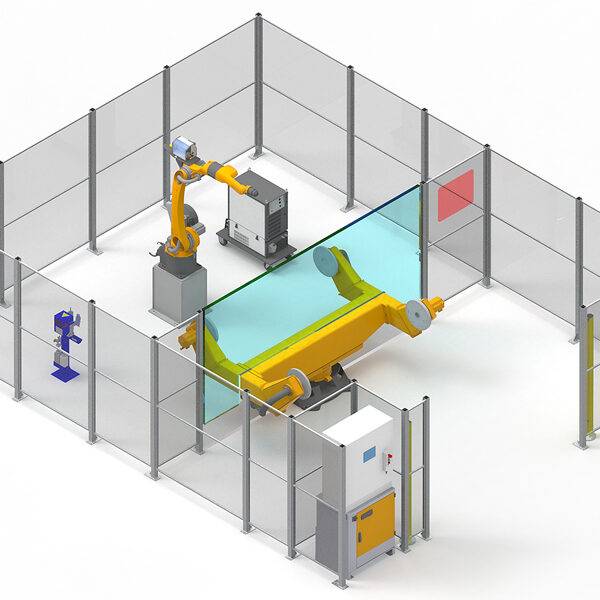
robot welding workstation
-
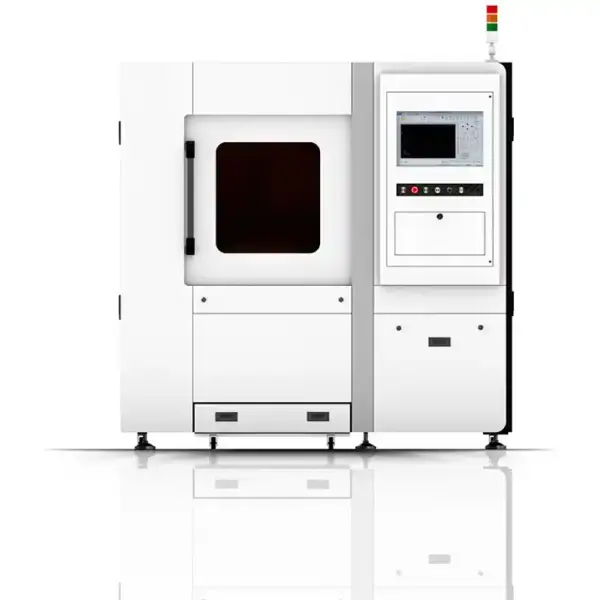
SF6060 fiber laser cutting machine
Advanced Fiber Laser Tube Processing Technology
Our CNC Fiber Laser Tube Cutting systems revolutionize metal fabrication by integrating high-precision cutting, punching, and profiling into a single automated workflow. Designed for versatility, this technology handles a wide array of profiles including Round, Square, Rectangular, and Oval tubes, as well as complex L-shaped and U-shaped channels.
- Precision Punching: High-speed hole punching with micron-level accuracy, eliminating the need for mechanical drilling or die-stamping.
- Complex Profiling: Advanced 3D pathing allows for intricate interlocking joints and specialized notch cuts, ideal for structural frames.
- High Material Efficiency: Intelligent nesting software minimizes scrap, reducing raw material costs across large production runs.
- Clean Finish: Delivers oxide-free, burr-free edges that require zero secondary grinding before welding.

Seamlessly processing multiple profiles with consistent precision.
Global Delivery & Logistics



From our high-tech manufacturing facility directly to your global site. PCL WeldCut ensures secure packaging, professional handling, and reliable international logistics to safeguard your equipment throughout the entire journey.