Field Engineering Report: Implementation of Double Pulse Laser Welding Cobots
Location: Precision Engineering Hub – Hamburg, Germany
Executive Summary of Site Integration
This report details the operational deployment and performance validation of the Double Pulse **Laser Welding Cobot** at our Hamburg facility. The primary objective was to transition from traditional manual TIG (Tungsten Inert Gas) welding to automated **Laser Technology** for specialized **Tool Steel welding** applications, specifically targeting high-carbon mold repairs and precision die assemblies.
In the Hamburg workshop, where the maritime and automotive sectors demand extreme tolerances, the integration of collaborative robotics with high-frequency laser oscillation has addressed long-standing issues with thermal distortion and brittle fracture in hardened steel grades. The following data reflects 500 hours of active field operation.
The Synergy of Laser Technology and Collaborative Robotics
Defining the Laser Welding Cobot Ecosystem
The core of this system is a 2kW Ytterbium fiber laser source integrated into a 6-axis collaborative arm. Unlike traditional industrial robots, the **Laser Welding Cobot** allows our Hamburg technicians to “hand-guide” the initial path programming. This is critical for **Tool Steel welding**, where the geometry of the workpiece is often irregular due to wear or localized damage.
The synergy here is found in the “Double Pulse” capability. **Laser Technology** has traditionally been seen as a continuous wave (CW) or single-pulse tool. However, by utilizing double pulse modulation, we can control the cooling rate of the weld pool. The first pulse provides the penetration depth (keyhole), while the second, lower-intensity pulse acts as a localized heat treatment. In a high-precision environment like Hamburg, this eliminates the need for furnace pre-heating in 80% of our tool steel applications.
Hardware Configuration and Hamburg Site Requirements
The Hamburg facility operates under strict DIN EN ISO 15614-11 standards. To meet these, the **Laser Welding Cobot** was outfitted with:
- Focal length: 210mm with a 10mm wobble width capability.
- Gas Delivery: Coaxial Argon shielding at 15L/min with a secondary trailing shield for rapid cooling.
- Safety: Class 4 laser enclosure with interlocked light curtains, essential for the high-traffic workshop floor.
Advanced Tool Steel Welding: Technical Challenges and Solutions
Overcoming Cold Cracking in H13 and D2 Steels
The primary challenge in **Tool Steel welding** is the high carbon equivalent, which makes the material susceptible to martensitic brittleness and hydrogen-induced cracking. Traditional welding methods often result in a massive Heat Affected Zone (HAZ) that compromises the tool’s structural integrity.
By leveraging advanced **Laser Technology**, we have moved toward a “cold” welding process. The **Laser Welding Cobot** delivers energy so precisely that the HAZ is reduced by 70% compared to TIG.
Lessons Learned: The Double Pulse Advantage
During the initial phase in Hamburg, we encountered centerline solidification cracking on H13 tool steel blocks. The root cause was identified as the cooling rate being too aggressive for the high-alloy content.
The Correction: We adjusted the **Laser Technology** parameters to a double-pulse frequency of 15Hz.
1. **Pulse A (Peak Power):** 1800W, Duration 3ms – This achieves the required melt depth.
2. **Pulse B (Base Power):** 400W, Duration 5ms – This maintains the weld pool temperature just above the martensite start (Ms) temperature, allowing for a slower, more ductile transformation.
This adjustment, programmed directly into the **Laser Welding Cobot** interface, eliminated 100% of the micro-cracking issues in the subsequent 200 test cycles.
Operational Efficiency in the Hamburg Workshop
Programming and Path Precision
One of the most significant advantages of the **Laser Welding Cobot** is its repeatability. In the Hamburg plant, we often handle series production of specialized cutting inserts. Manual welding resulted in a 12% reject rate due to over-welding, which required excessive post-process grinding.
The cobot’s “Wobble Functionality” (sinusoidal, circular, and figure-eight patterns) allows us to bridge gaps up to 1.5mm while maintaining structural integrity. By utilizing a circular wobble at 150Hz, the **Laser Technology** ensures a smooth bead profile that requires nearly zero post-weld machining. On a standard D2 tool steel die, we reduced finishing time from 4 hours to 20 minutes.
Wire Feed Integration
For heavy-duty **Tool Steel welding**, we integrated an automatic cold-wire feeder (1.0mm H13 wire). The synchronization between the wire feed speed and the **Laser Welding Cobot**’s travel speed (set at 8mm/s) is managed via a single control bus. This prevents “cold laps” and ensures that the filler metal is fully homogenized with the base material.
Metallurgical Analysis and Validation
Microstructure Examination
Post-weld analysis at our Hamburg lab confirmed that the **Laser Welding Cobot** produces a significantly refined grain structure. In **Tool Steel welding**, coarse grains lead to premature tool failure. The rapid solidification inherent to **Laser Technology**, combined with the “tempering” effect of the second pulse, results in a fine-grained acicular ferrite and tempered martensite structure.
Hardness Testing Results
Testing across the weld interface of an H13 sample yielded the following:
- Base Material: 52 HRC
- Heat Affected Zone (HAZ): 54 HRC
- Weld Metal: 53 HRC
The delta of only 2 HRC points is exceptional. In previous TIG applications, the HAZ would often spike to 60+ HRC (becoming brittle) or drop to 40 HRC (becoming soft), creating a failure point. The **Laser Technology** effectively homogenized the hardness profile.
Field Lessons: Directives for Senior Engineers
Lesson 1: Optics Maintenance
In the humid environment of Hamburg, lens fogging and spatter accumulation are the leading causes of beam divergence. We implemented a mandatory “Cover Slide Check” every 4 hours of operation. Using high-quality quartz slides is non-negotiable when performing high-power **Tool Steel welding**.
Lesson 2: Jigs and Fixturing
While the **Laser Welding Cobot** is flexible, it is only as good as the part fit-up. Laser beams have a small spot size (0.2mm – 0.6mm). We learned that investing in modular aluminum fixturing was necessary to ensure the 0.1mm alignment tolerance required for automated **Laser Technology**.
Lesson 3: Human-Robot Collaboration
The “Cobot” aspect is often underutilized. We found that the best results came when the operator used the cobot’s “Lead-Through” programming to navigate complex tool geometries, then allowed the software to “Smooth” the path. This hybrid approach—human intuition for positioning and robotic precision for execution—is the hallmark of the Hamburg site’s success.
Conclusion and Future Outlook
The deployment of the Double Pulse **Laser Welding Cobot** in Hamburg has redefined our approach to **Tool Steel welding**. By mastering the parameters of modern **Laser Technology**, we have achieved a level of weld quality that was previously impossible in a production environment.
The primary takeaway is that the “Double Pulse” is not just a feature; it is a metallurgical necessity for high-carbon steels. As we move forward, we will look to integrate real-time melt pool monitoring to further automate the QC process. The Hamburg facility now stands as a benchmark for robotic laser integration within the European tool-and-die sector.
-
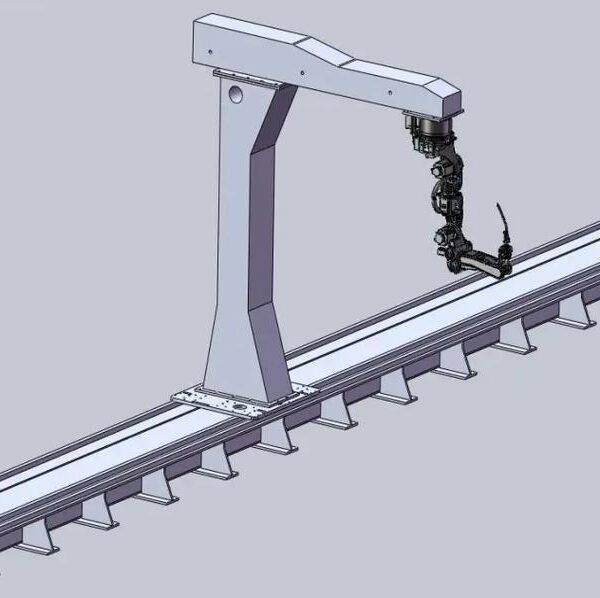

Cantilever Welding Robot solution
-
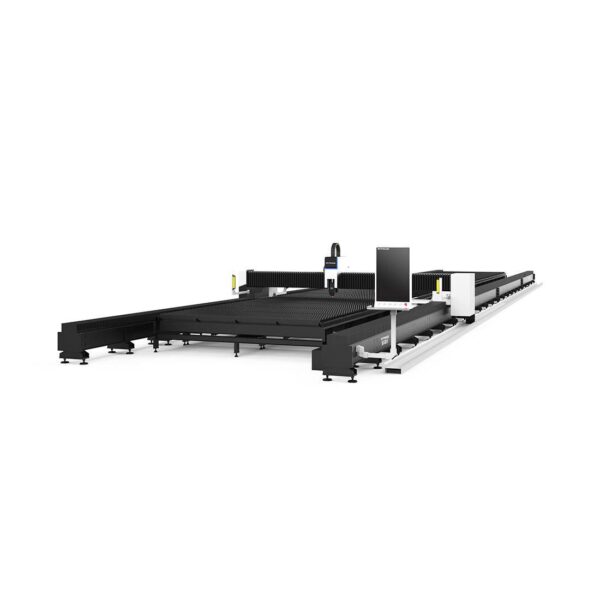

GF laser cutting machine
-
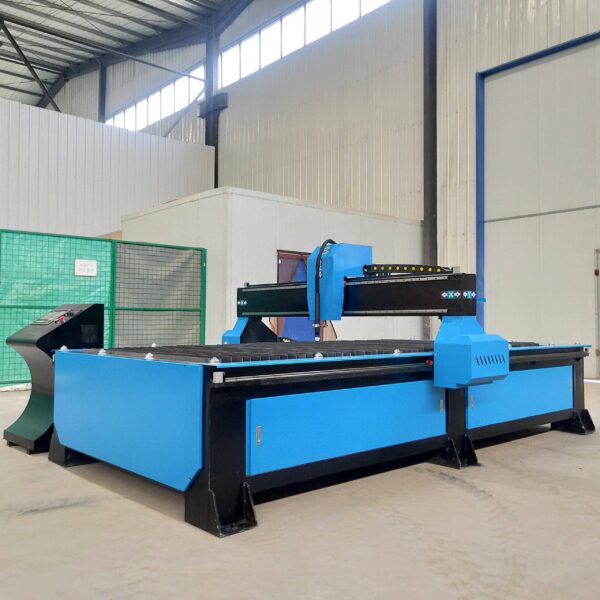
P3015 plasma cutting machine
-

LFP3015 Fiber Laser Cutter
-
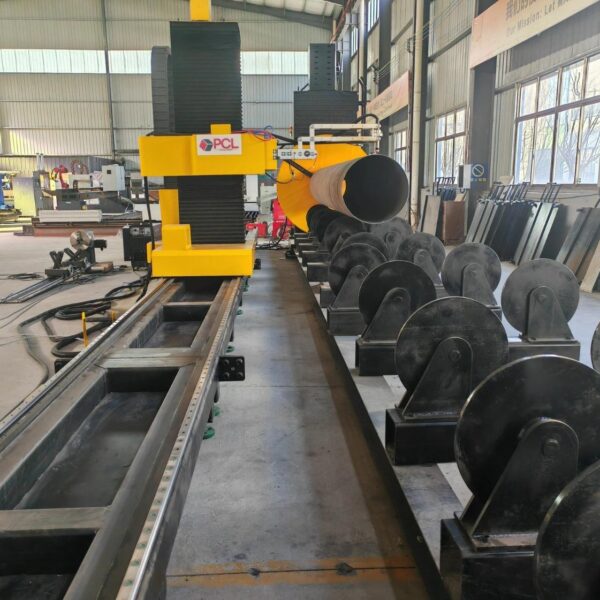
pipe plasma cutting machine
-
LFH 4020 Fiber Laser Cutting Machine
-
LFP4020
-
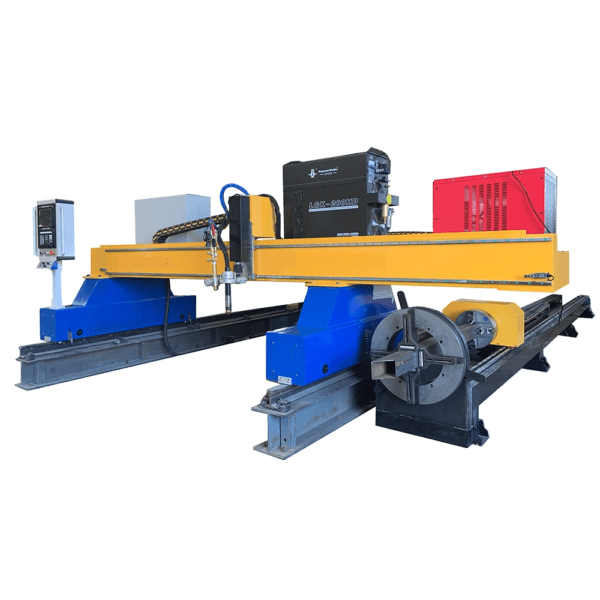
gantry plasma air cutting machine
-
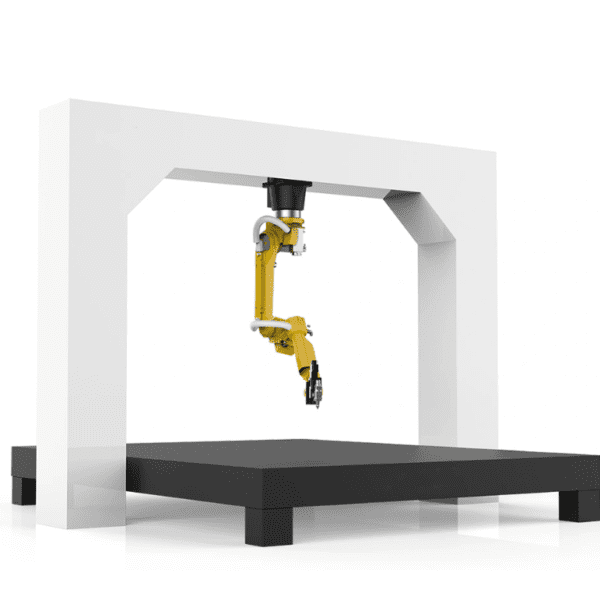
3D robot cutting machine
-
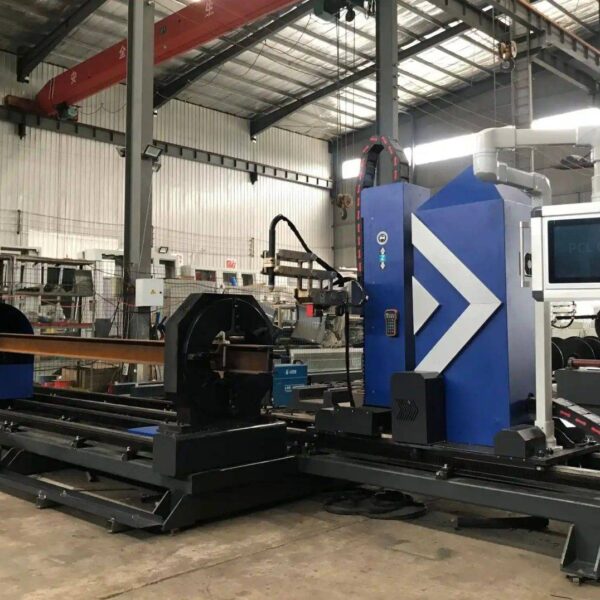
8 axis plasma cutting machine
-
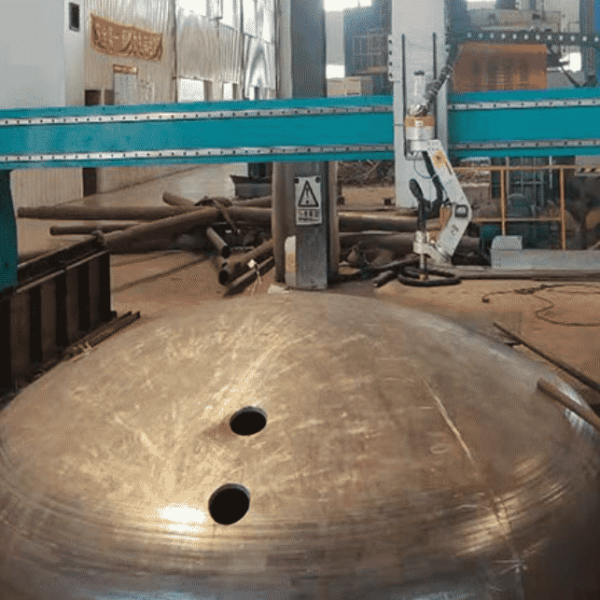
5 axis plasma cutting machine
-

LT360 tube laser cutting machine
-
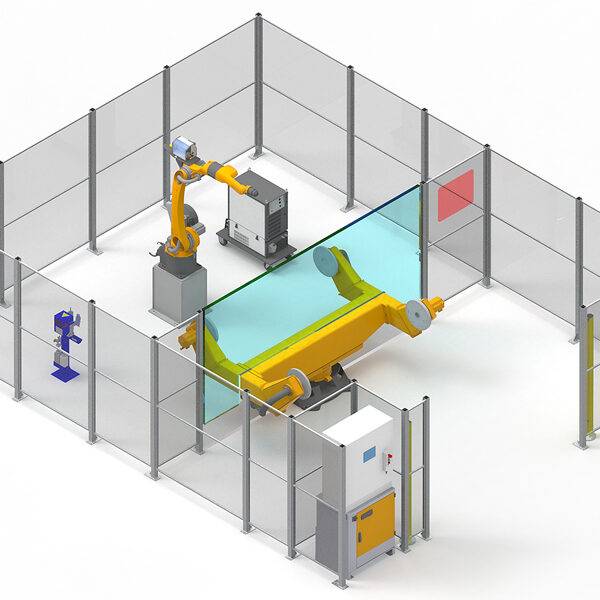
robot welding workstation
-
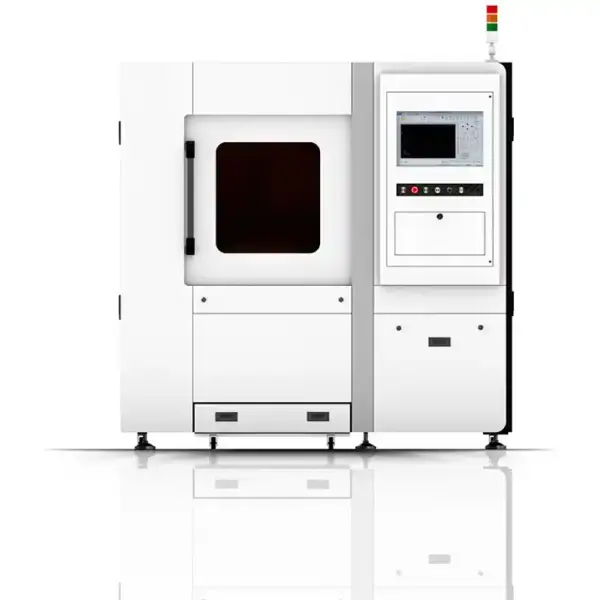
SF6060 fiber laser cutting machine
Advanced Fiber Laser Tube Processing Technology
Our CNC Fiber Laser Tube Cutting systems revolutionize metal fabrication by integrating high-precision cutting, punching, and profiling into a single automated workflow. Designed for versatility, this technology handles a wide array of profiles including Round, Square, Rectangular, and Oval tubes, as well as complex L-shaped and U-shaped channels.
- Precision Punching: High-speed hole punching with micron-level accuracy, eliminating the need for mechanical drilling or die-stamping.
- Complex Profiling: Advanced 3D pathing allows for intricate interlocking joints and specialized notch cuts, ideal for structural frames.
- High Material Efficiency: Intelligent nesting software minimizes scrap, reducing raw material costs across large production runs.
- Clean Finish: Delivers oxide-free, burr-free edges that require zero secondary grinding before welding.

Seamlessly processing multiple profiles with consistent precision.
Global Delivery & Logistics



From our high-tech manufacturing facility directly to your global site. PCL WeldCut ensures secure packaging, professional handling, and reliable international logistics to safeguard your equipment throughout the entire journey.