Field Report: Deployment of Double Pulse Fiber Laser Cobot in Chennai Automotive Cluster
1. Introduction and Environmental Context
This report details the operational integration and performance validation of a 2kW Double Pulse Fiber Laser Cobot within a Tier-1 automotive tooling facility in Chennai, India. The primary objective was to replace traditional manual Gas Tungsten Arc Welding (GTAW) for high-precision Tool Steel welding and die repair.
Chennai’s industrial environment presents unique challenges for Laser Technology. With ambient temperatures often exceeding 40°C and relative humidity levels frequently peaking at 85%, the stabilization of the fiber source and the delivery optics is paramount. Unlike standard industrial robots, the Fiber Laser Cobot was selected for its small footprint and the ability to operate in shared workspaces with minimal fencing, provided high-density laser safety curtains were installed.
2. The Hardware Synergy: Laser Technology and Automation
The core of this deployment rests on the synergy between advanced Laser Technology and the agility of the Fiber Laser Cobot. The system utilizes a 1070nm ytterbium fiber source. The “Double Pulse” functionality is critical here; it allows for a modulated power delivery where the first pulse initiates the melt pool and the second pulse controls the cooling rate and grain refinement.
2.1. Motion Control and Beam Delivery
In manual laser welding, the human hand cannot maintain a consistent travel speed or stand-off distance, leading to fluctuations in energy density ($W/cm^2$). The Fiber Laser Cobot eliminates this variable. By utilizing a 6-axis collaborative arm, we achieved a path repeatability of ±0.03mm. This precision is vital when performing Tool Steel welding on intricate injection mold cavities where the margin for error in the Heat Affected Zone (HAZ) is non-existent.
3. Technical Application: Tool Steel Welding Parameters
The primary metallurgy involved focused on AISI H13 and D2 Tool Steel welding. These materials are notorious for their susceptibility to cold cracking and martensitic embrittlement if the thermal cycle is not strictly controlled.

3.1. Mitigating Cracking through Double Pulse Modulation
Using standard continuous wave (CW) lasers often results in a rapid quench rate in the Chennai workshop environment. By implementing the Double Pulse feature within the Fiber Laser Cobot interface, we programmed a ‘pre-heat’ pulse and a ‘refining’ pulse.
- Base Pulse: Provides the penetration depth required for the v-groove preparation.
- Secondary Pulse: Agitates the melt pool, allowing entrapped gases to escape and reducing the cooling gradient.
This specific application of Laser Technology reduced the post-weld hardness spikes that typically lead to stress fractures in D2 tool steel.
3.2. Shielding Gas Optimization
In the humid Chennai climate, hydrogen-induced cracking is a constant threat. We transitioned from standard Argon to a high-purity (99.999%) Argon-Helium mix. The Fiber Laser Cobot was fitted with a customized coaxial nozzle to ensure laminar flow over the weld pool, preventing atmospheric contamination that is often common in manual setups due to inconsistent torch angling.
4. Real-World Synergy in the Chennai Workshop
The deployment of the Fiber Laser Cobot in a local workshop environment revealed several practical advantages and a few site-specific hurdles. The synergy between the Laser Technology and the cobot’s intuitive programming allowed local technicians—previously only trained in TIG—to become proficient in laser path programming within three days.
4.1. Thermal Management of Optics
A significant lesson learned involved the chiller unit. In the Oragadam industrial belt, power fluctuations can cause chiller hiccups. For Fiber Laser Cobot systems, even a 2°C rise in the cooling water can shift the laser’s focal point (thermal lensing). We had to install a dedicated voltage stabilizer and an oversized industrial chiller to maintain the Laser Technology at a constant 24°C, regardless of the Chennai heatwaves.
4.2. Surface Preparation Protocols
For successful Tool Steel welding, surface cleanliness is non-negotiable. We observed that the high humidity in Chennai led to rapid flash rusting on tool steel surfaces after grinding. Our protocol was updated to include a laser-cleaning pass—using the same Fiber Laser Cobot but with modified parameters—immediately prior to the welding pass. This dual-use of the Laser Technology for cleaning and welding ensured a zero-defect bond.
5. Comparative Analysis: Manual vs. Cobot Laser Welding
To justify the CAPEX for the Chennai facility, we conducted a side-by-side comparison between manual laser welding and the Fiber Laser Cobot on a standard P20 tool steel bolster repair.
5.1. Consistency and Throughput
Manual laser welding showed a 15% rework rate due to underfill or excessive porosity at the start/stop points. The Fiber Laser Cobot, utilizing ramp-up and ramp-down power profiles, reduced the rework rate to less than 1%. The integration of Laser Technology with automated motion allowed for a 40% increase in “arc-on” time, as the operator could prep the next die while the cobot completed the current weldment.
5.2. Metallurgical Integrity
Cross-sectional analysis of the Tool Steel welding samples showed a significantly narrower HAZ in the cobot-welded pieces. The controlled travel speed ensured that the energy input was kept to the absolute minimum required for fusion, preserving the base metal’s tempered properties better than any manual process could achieve.
6. Lessons Learned and Engineering Recommendations
Reflecting on the deployment in Chennai, several ‘hard-won’ lessons emerged for any senior engineer considering a Fiber Laser Cobot for heavy industrial use.
6.1. The “Dust and Humidity” Factor
The fiber optic cable is the lifeline of the system. In Chennai’s dusty environment, any particulate matter at the connection points can lead to catastrophic fiber burn-back.
Lesson: Never disconnect the fiber in an open workshop. All maintenance on the Laser Technology head must be done in a pressurized, clean-air enclosure.
6.2. Grounding and EMI
Indian industrial grids often have poor grounding. The Fiber Laser Cobot‘s sensitive control electronics suffered from electromagnetic interference (EMI) when nearby heavy presses were operational.
Lesson: Dedicated earthing pits and EMI filters are mandatory for Laser Technology deployments in older Chennai manufacturing zones.
6.3. Training Over Tooling
While the Fiber Laser Cobot is “collaborative,” the safety parameters for 4kW class 4 lasers are stringent. We found that the greatest bottleneck wasn’t the Tool Steel welding parameters, but the mindset shift of the operators. Training must focus on “Laser Safety Officers” (LSO) protocols as much as on the welding parameters themselves.
7. Conclusion
The integration of a Double Pulse Fiber Laser Cobot in Chennai has proven that high-precision Tool Steel welding can be de-skilled and scaled effectively. The combination of advanced Laser Technology and collaborative robotics solves the two greatest problems in die repair: heat control and path consistency. As the Chennai automotive hub moves toward EV manufacturing, the requirement for lightweight, high-strength tool steels will only increase, making this technological synergy not just an advantage, but a necessity for maintaining global quality standards.
Report Prepared By:
Senior Welding Engineer
Specialized Laser Division, Chennai Operations
-
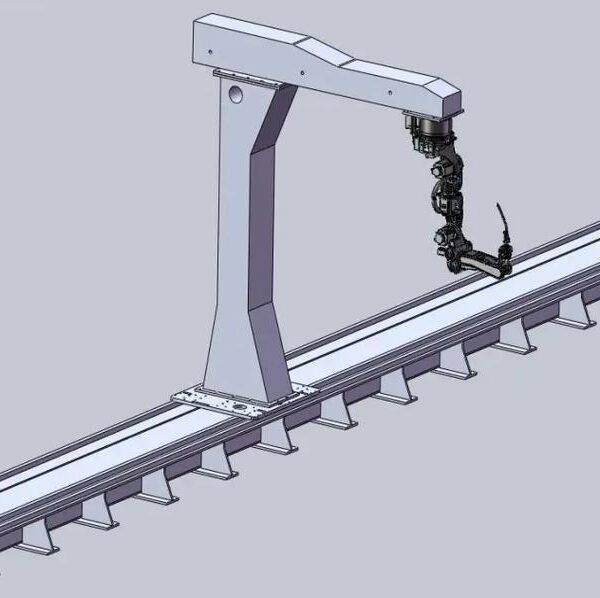

Cantilever Welding Robot solution
-
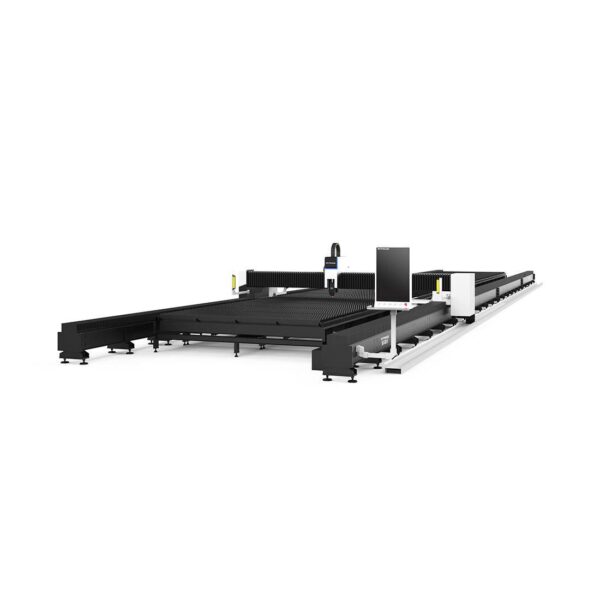

GF laser cutting machine
-
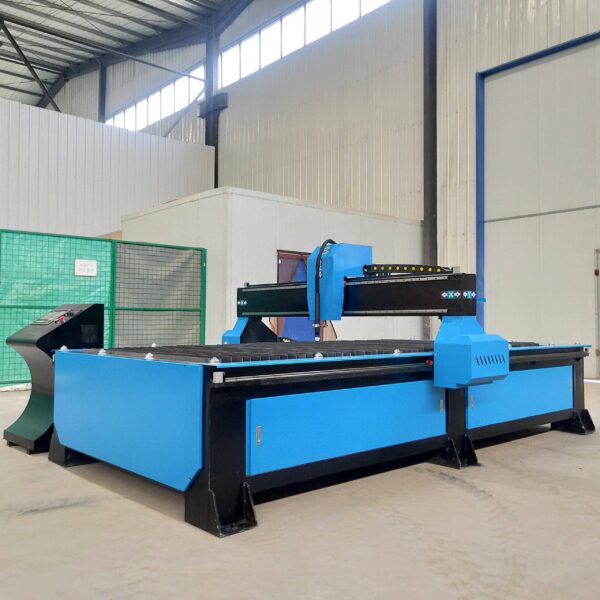
P3015 plasma cutting machine
-

LFP3015 Fiber Laser Cutter
-
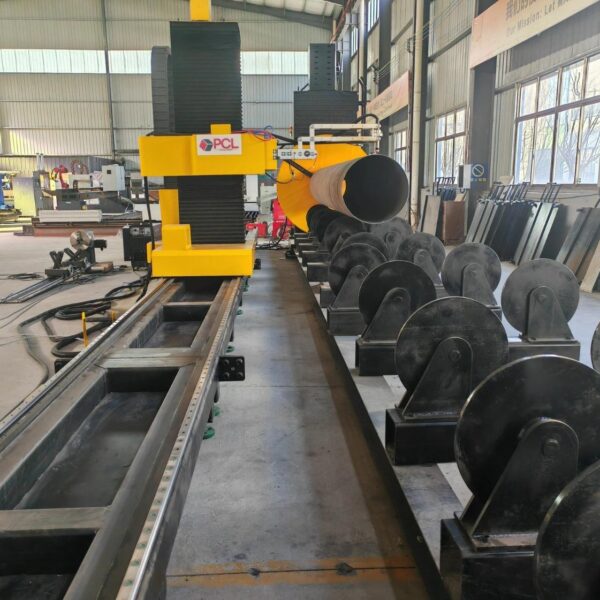
pipe plasma cutting machine
-
LFH 4020 Fiber Laser Cutting Machine
-
LFP4020
-
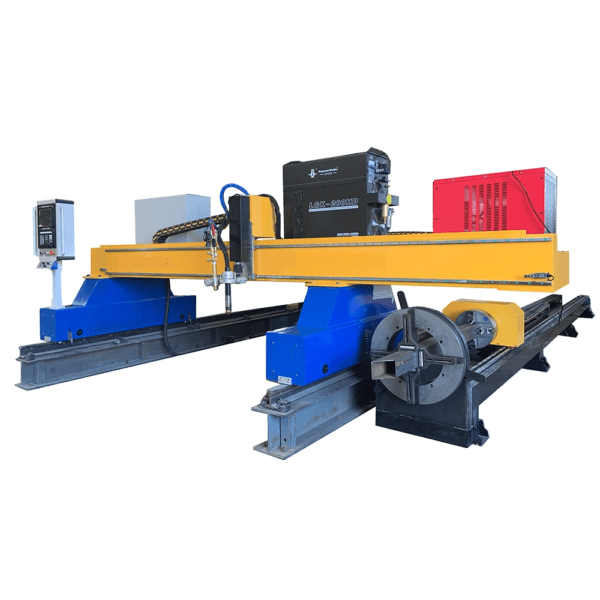
gantry plasma air cutting machine
-
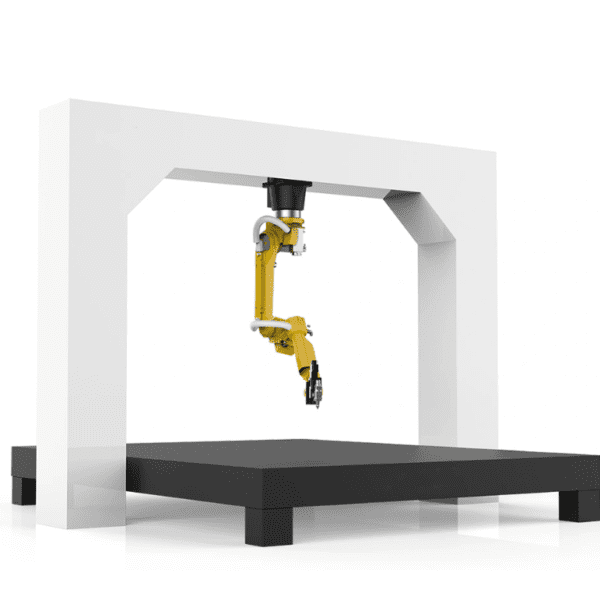
3D robot cutting machine
-
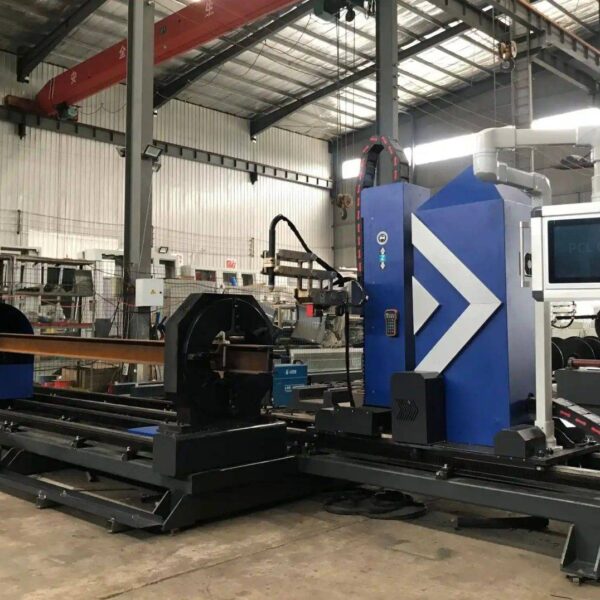
8 axis plasma cutting machine
-
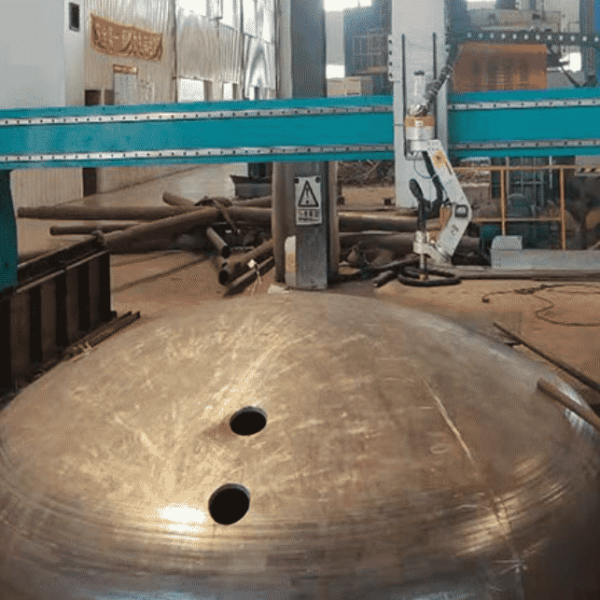
5 axis plasma cutting machine
-

LT360 tube laser cutting machine
-
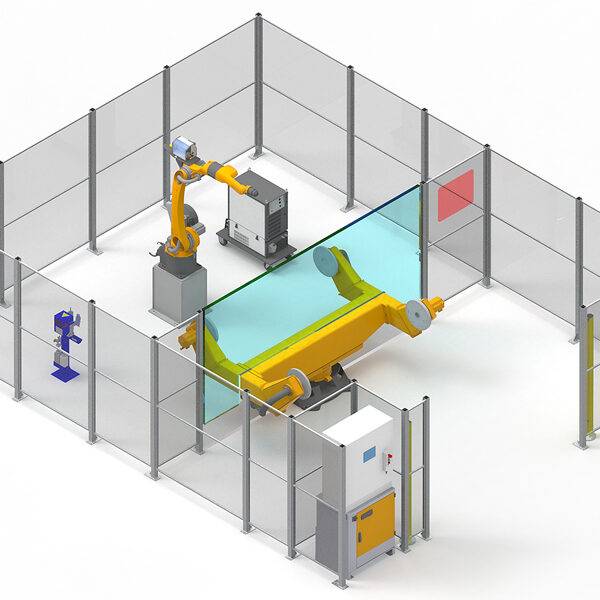
robot welding workstation
-
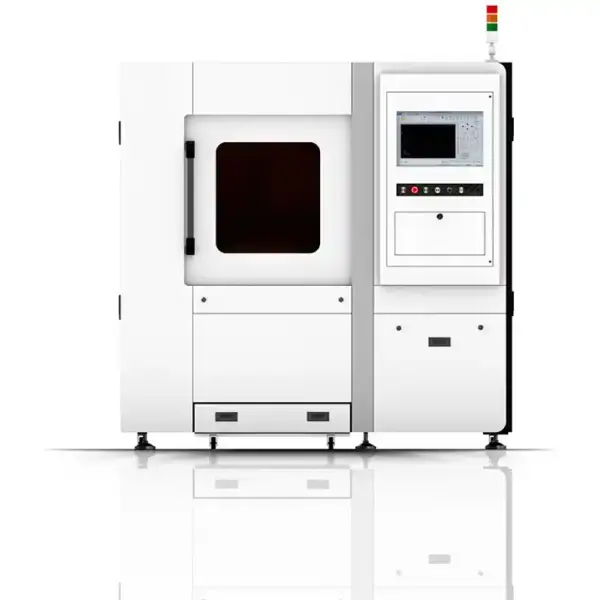
SF6060 fiber laser cutting machine
Advanced Fiber Laser Tube Processing Technology
Our CNC Fiber Laser Tube Cutting systems revolutionize metal fabrication by integrating high-precision cutting, punching, and profiling into a single automated workflow. Designed for versatility, this technology handles a wide array of profiles including Round, Square, Rectangular, and Oval tubes, as well as complex L-shaped and U-shaped channels.
- Precision Punching: High-speed hole punching with micron-level accuracy, eliminating the need for mechanical drilling or die-stamping.
- Complex Profiling: Advanced 3D pathing allows for intricate interlocking joints and specialized notch cuts, ideal for structural frames.
- High Material Efficiency: Intelligent nesting software minimizes scrap, reducing raw material costs across large production runs.
- Clean Finish: Delivers oxide-free, burr-free edges that require zero secondary grinding before welding.

Seamlessly processing multiple profiles with consistent precision.
Global Delivery & Logistics



From our high-tech manufacturing facility directly to your global site. PCL WeldCut ensures secure packaging, professional handling, and reliable international logistics to safeguard your equipment throughout the entire journey.