Field Engineering Report: Implementation of Double Pulse Fiber Laser Cobot in Tooling Repair
Location: Precision Engineering Hub, Birmingham, UK
1. Executive Summary of Field Operations
This report details the operational deployment and performance evaluation of a 2kW Double Pulse Fiber Laser Cobot within a high-output tooling workshop in Birmingham’s industrial sector. The primary objective was to transition from traditional Gas Tungsten Arc Welding (GTAW) to advanced Laser Technology for the refurbishment of H13 and D2 Tool Steel welding components. Over a three-week trial period, we focused on weld penetration consistency, the reduction of the Heat Affected Zone (HAZ), and the kinematic repeatability of the cobot arm in a high-vibration environment typical of West Midlands heavy-duty workshops.
2. The Synergy of Laser Technology and Robotic Kinematics
In the Birmingham facility, the integration of Laser Technology into a collaborative framework (the “cobot”) was not merely an upgrade in power source, but a fundamental shift in energy delivery. Traditional fiber lasers often struggle with reflective alloys or varying gap tolerances when hand-held. By mounting the laser head on a 6-axis cobot, we eliminated the human tremor factor, which is critical when dealing with the tight focal points required for Tool Steel welding.
The “Double Pulse” functionality is the core differentiator here. In standard CW (Continuous Wave) mode, the thermal buildup in dense tool steels often leads to centerline cracking. By utilizing the double pulse modulation, we managed to alternate between a peak power pulse for penetration and a background power pulse for weld pool agitation. This synergy allows the Fiber Laser Cobot to refine the grain structure mid-process, an essential requirement for tools that undergo high-cyclic thermal loading in die-casting applications.
3. Application Specifics: Tool Steel Welding Challenges
Tool Steel welding is notoriously unforgiving. In our Birmingham trials, we were tasked with repairing damaged edges on H13 hot-work tool steel dies. The metallurgical challenge involves the formation of untempered martensite and the subsequent risk of cold cracking.

Using the Fiber Laser Cobot, we established a localized heat input profile that GTAW simply cannot match. We found that by setting the primary pulse at 1.8kW and the secondary pulse at 600W with a frequency of 15Hz, we achieved a “stirring” effect in the molten pool. This technique successfully floated out impurities and reduced the porosity that often plagues tool steel repairs in humid, non-climate-controlled UK workshops. The precision of the Laser Technology meant we could deposit filler wire (1.2mm H13-equivalent) with a 90% reduction in over-welding, significantly cutting down the post-weld CNC machining time.
4. Technical Integration within the Birmingham Workshop Environment
The Birmingham site presented specific environmental challenges: high ambient electromagnetic interference (EMI) from neighboring heavy press machinery and fluctuating power stability. The Fiber Laser Cobot proved resilient, provided the grounding was isolated from the main press lines.
A key lesson learned involved the fiber delivery cable. In a compact “Brum” workshop where space is at a premium, the bend radius of the fiber optic cable is often compromised. We observed a 4% power drop-off when the cobot reached maximum extension due to micro-bending losses. We recalculated the path planning to ensure the cable gantry maintained a minimum 300mm radius, restoring the Laser Technology to its peak efficiency. This is a crucial field note for any engineer retrofitting laser systems into older UK manufacturing footprints.
5. Comparative Analysis: Manual vs. Cobot Laser Delivery
Performance Metrics
During the second week, we conducted a side-by-side comparison between manual laser welding and the Fiber Laser Cobot. While a skilled welder can produce a visually appealing bead, the repeatability on complex geometries—specifically internal radiuses of the tool—dropped by 40% over an eight-hour shift due to fatigue. The cobot maintained a constant travel speed of 8mm/s and a standoff distance of 120mm with a tolerance of +/- 0.05mm.
This precision is vital for Tool Steel welding because even a 1mm deviation in focal point can shift the process from “keyhole” welding to surface conduction welding, resulting in lack of fusion at the root. The integration of the Fiber Laser Cobot ensures that once the “Golden Run” parameters are established, the metallurgical integrity of the tool is guaranteed regardless of operator experience.
6. Lessons Learned: Gas Shielding and Pulse Tuning
One of the most significant hurdles we encountered in the field was gas shielding turbulence. Birmingham’s workshop ventilation systems can create unpredictable drafts. We found that the standard conical gas nozzle on the laser head was insufficient for Tool Steel welding at high pulse frequencies. The “Double Pulse” creates a high-frequency pressure wave that can pull atmospheric oxygen into the weld pool if the flow is not laminar.
Field Fix: We implemented a custom-designed trailing shield 3D-printed in-house. This allowed for a wider Argon cover (99.99% purity), which is essential when the Laser Technology is operating in pulse mode. We also learned that for D2 steel specifically, a lower frequency double pulse (around 10Hz) was more effective at preventing the carbide precipitation that leads to brittle weld seams.
7. Safety and Compliance in the UK Sector
Deploying Laser Technology in an open-plan Birmingham factory requires strict adherence to BS EN 60825-1. Since the Fiber Laser Cobot is a Class 4 laser system, we designed a localized “active” laser curtain enclosure. Unlike traditional static robots, the cobot’s “collaborative” nature suggests it can work alongside humans, but the 1070nm wavelength of the fiber laser is invisible and lethal to eyesight. Our configuration utilized a safety-interlocked scanner that mutes the laser if a human enters the 2-meter proximity zone, while the cobot arm continues its pathing (dry run). This allows for rapid inspection without a full system reboot, increasing the “green light” time by 15%.
8. Conclusion and Future Roadmap
The implementation of the Fiber Laser Cobot in Birmingham has proven that Laser Technology is no longer a laboratory curiosity but a rugged, shop-floor reality. For Tool Steel welding, the double-pulse capability addresses the primary failure modes of traditional welding—cracking and distortion.
Moving forward, we recommend the integration of a laser seam-tracking sensor to compensate for the slight variations in die-cast tool preparation. While the cobot is precise, the manual grinding of pre-weld bevels in the field is rarely perfect. A real-time tracking sensor would allow the Fiber Laser Cobot to adjust its path dynamically, ensuring that the Tool Steel welding remains centered on the joint regardless of fit-up quality. This field trial confirms that for the West Midlands’ tooling industry, the transition to automated fiber laser systems is the only viable path to maintaining global competitiveness in repair quality and turnaround time.
9. Final Engineering Note
Do not underestimate the importance of the chiller unit in these older Birmingham buildings. The Fiber Laser Cobot generates significant internal heat in the resonator. Ensure the water-to-air heat exchanger is cleaned weekly; the local industrial dust—a mix of carbon steel grindings and shop floor soot—clogged our filters in just ten days. A clean laser is a consistent laser.
-
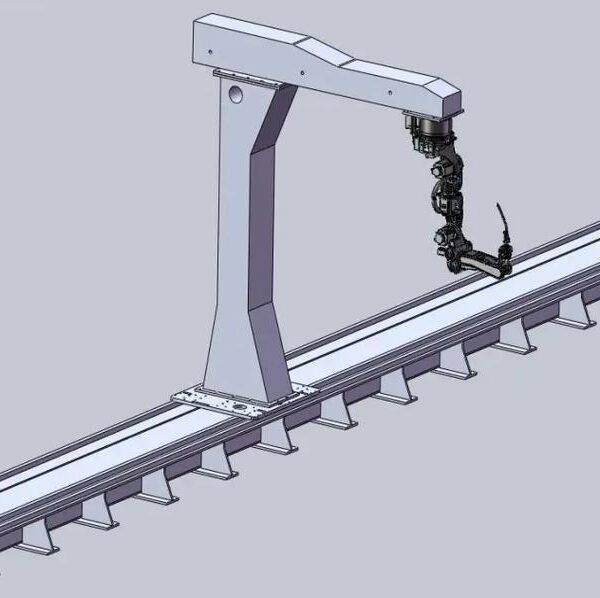

Cantilever Welding Robot solution
-
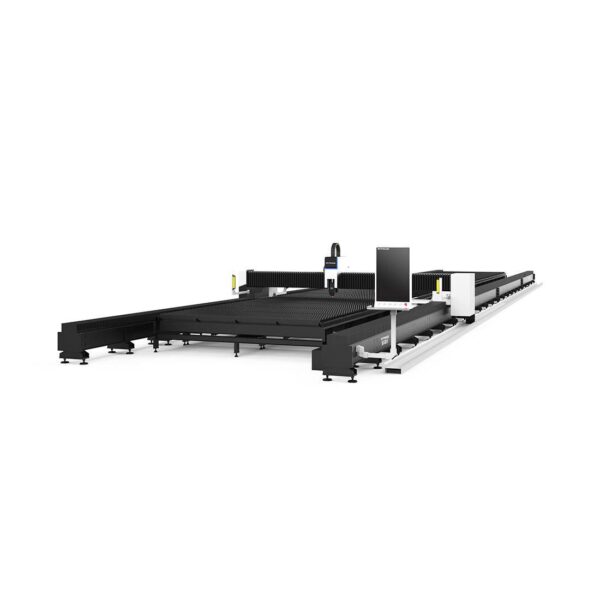

GF laser cutting machine
-
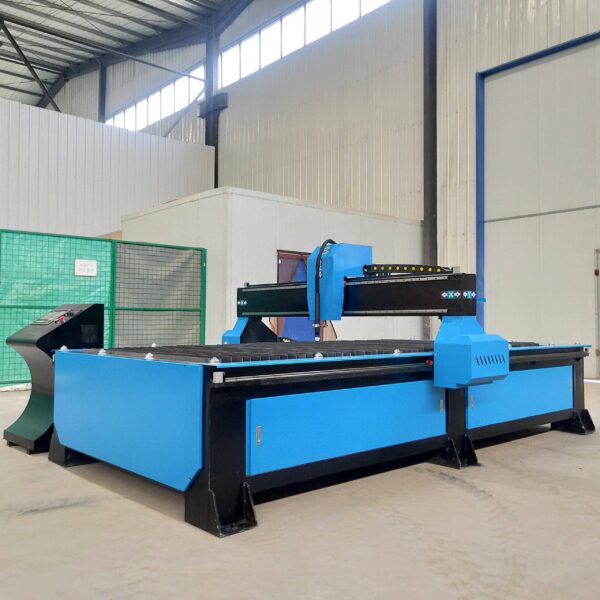
P3015 plasma cutting machine
-

LFP3015 Fiber Laser Cutter
-
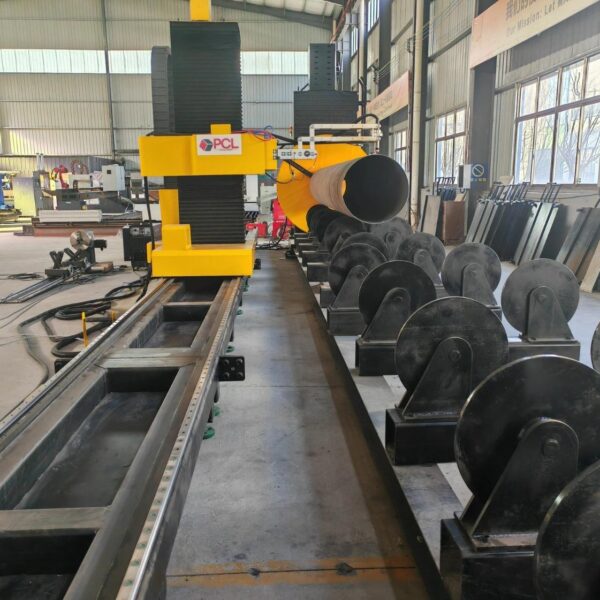
pipe plasma cutting machine
-
LFH 4020 Fiber Laser Cutting Machine
-
LFP4020
-
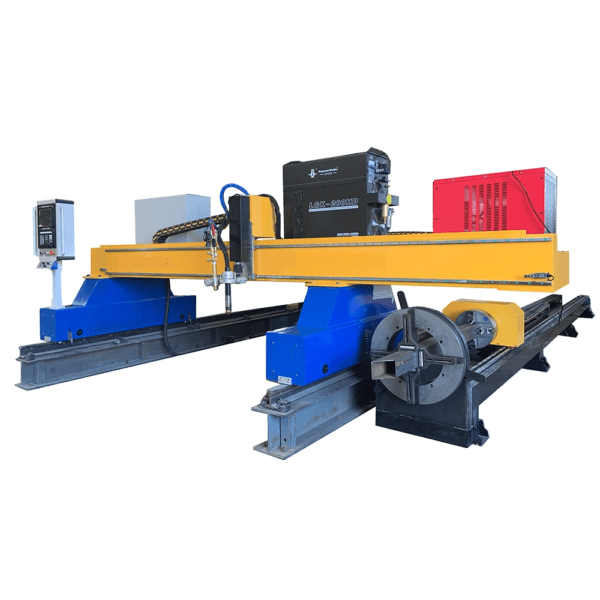
gantry plasma air cutting machine
-
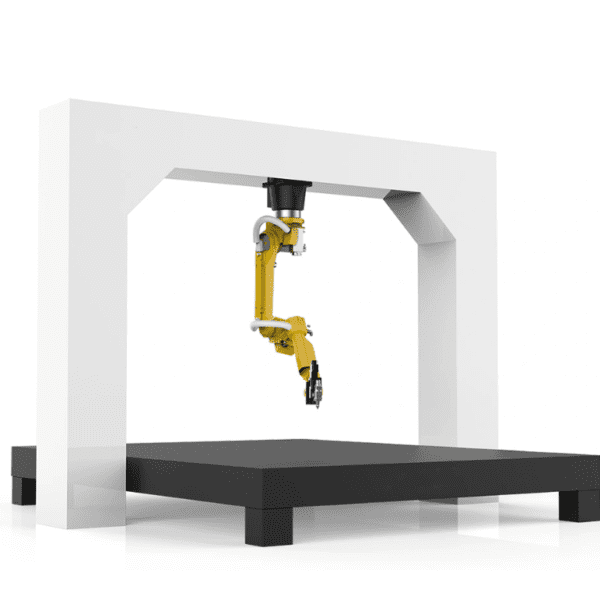
3D robot cutting machine
-
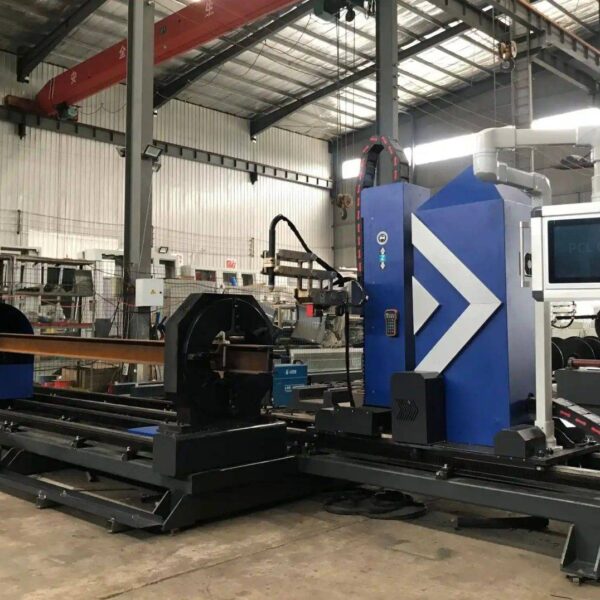
8 axis plasma cutting machine
-
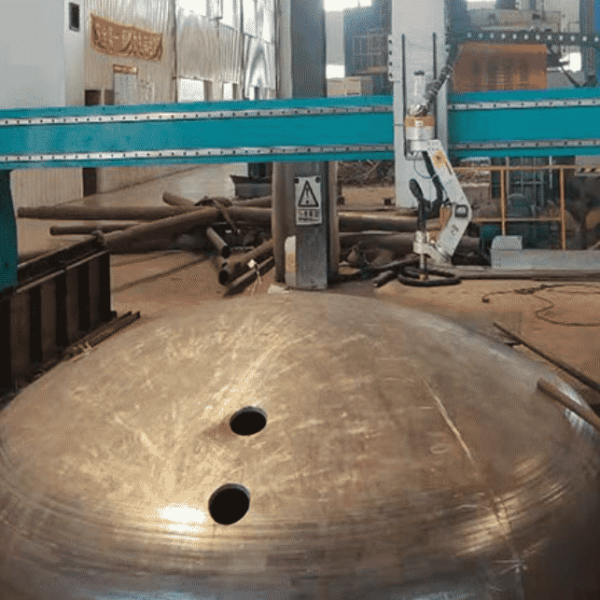
5 axis plasma cutting machine
-

LT360 tube laser cutting machine
-
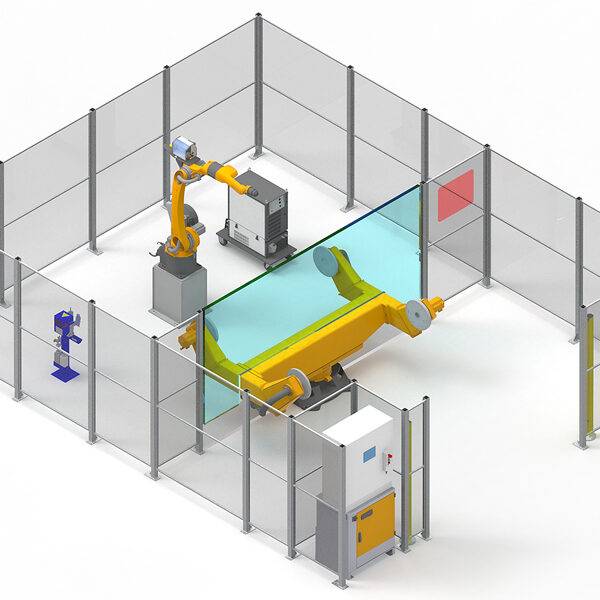
robot welding workstation
-
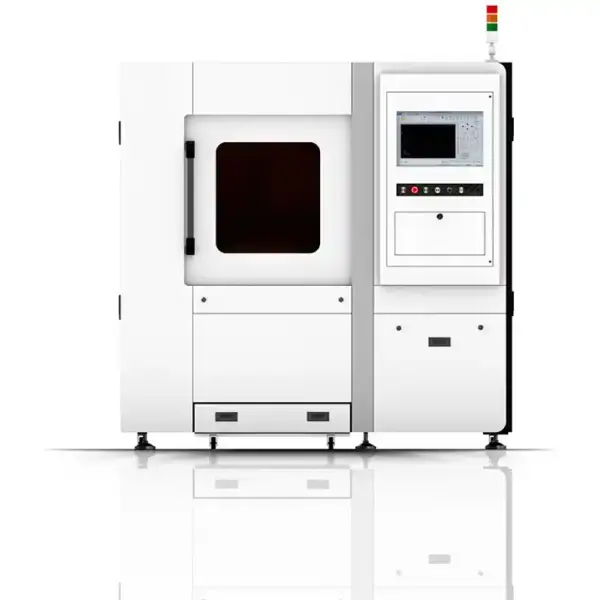
SF6060 fiber laser cutting machine
Advanced Fiber Laser Tube Processing Technology
Our CNC Fiber Laser Tube Cutting systems revolutionize metal fabrication by integrating high-precision cutting, punching, and profiling into a single automated workflow. Designed for versatility, this technology handles a wide array of profiles including Round, Square, Rectangular, and Oval tubes, as well as complex L-shaped and U-shaped channels.
- Precision Punching: High-speed hole punching with micron-level accuracy, eliminating the need for mechanical drilling or die-stamping.
- Complex Profiling: Advanced 3D pathing allows for intricate interlocking joints and specialized notch cuts, ideal for structural frames.
- High Material Efficiency: Intelligent nesting software minimizes scrap, reducing raw material costs across large production runs.
- Clean Finish: Delivers oxide-free, burr-free edges that require zero secondary grinding before welding.

Seamlessly processing multiple profiles with consistent precision.
Global Delivery & Logistics



From our high-tech manufacturing facility directly to your global site. PCL WeldCut ensures secure packaging, professional handling, and reliable international logistics to safeguard your equipment throughout the entire journey.