Field Report: Implementation of Double Pulse Collaborative Arc Welding Systems
Project Location: Eindhoven, Netherlands – Heavy Infrastructure Fabrication Hub
This report details the field implementation and performance evaluation of a Double Pulse Collaborative Arc Welding System within an industrial workshop in Eindhoven. The facility specializes in high-tolerance structural components for the Dutch maritime and heavy machinery sectors. The primary objective was to transition specific manual operations toward a more integrated Automated Welding workflow to address labor shortages while maintaining the stringent quality standards required for Thick Plate Steel welding.
In the Eindhoven context, where the “Brainport” ecosystem demands high-tech integration even in heavy fabrication, the shift from traditional manual Metal Active Gas (MAG) welding to a collaborative framework is not merely an equipment upgrade; it is a fundamental shift in metallurgical control and process repeatability.
The Technical Challenge: Thick Plate Steel Welding
The primary workpiece encountered during this field deployment consisted of S355J2+N structural steel, with thicknesses ranging from 20mm to 40mm. Thick Plate Steel welding presents unique challenges, primarily regarding heat input management and the prevention of hydrogen-induced cracking.
Traditionally, these joints required multi-pass manual welding with high interpass temperatures. The manual approach, while flexible, resulted in significant variance in bead morphology and penetration depth. In Eindhoven, the requirement was to achieve full penetration in a multi-pass J-groove configuration while minimizing post-weld distortion—a task that pushes the limits of standard Automated Welding systems that lack the “feel” of a human operator.
Material Specifications and Joint Design
- Material: S355J2+N (Structural Steel)
- Thickness: 25mm (Base Plate) to 30mm (Web)
- Joint Geometry: Single-V butt weld with a 60-degree included angle; 2mm root face.
- Consumables: G4Si1 / ER70S-6 (1.2mm diameter)
- Shielding Gas: 82% Argon / 18% CO2
Synergy: Collaborative Arc Welding System and Automated Welding
The core of this deployment was the integration of a Collaborative Arc Welding System. Unlike traditional Automated Welding cells that require massive safety fencing and specialized robotic programmers, the collaborative system allows the senior welder to work alongside the arm.
The synergy here is critical: the cobot handles the physical burden and the precision of the torch movement (the “Automated” component), while the welder provides the “Collaborative” oversight—adjusting parameters in real-time based on the observed behavior of the molten pool. In our Eindhoven trials, this synergy reduced the setup time for new part geometries by 60% compared to traditional non-collaborative robotic systems.
Double Pulse Waveform Advantages
The use of Double Pulse technology within the Collaborative Arc Welding System was non-negotiable for this application. By modulating the wire feed speed and current between a high-energy pulse and a low-energy pulse, we achieved a “stacked-dime” aesthetic similar to TIG welding but at MAG speeds.
For Thick Plate Steel welding, the double pulse serves a dual purpose:
1. **Grain Refinement:** The thermal cycling of the double pulse helps in refining the grain structure within the weld metal, improving impact toughness at low temperatures (crucial for North Sea applications).
2. **Out-of-Position Control:** The lower average heat input compared to standard spray transfer allows for better control of the puddle in vertical-up (3G) positions, which are frequent in large Eindhoven-based assemblies.
Field Implementation and Parameter Optimization
During the first week in Eindhoven, the focus was on mapping the transition from manual “feel” to automated precision. We established a baseline for the Collaborative Arc Welding System using the following parameters for the fill passes on 25mm plate:
Pulse Frequency and Amplitude
The primary pulse frequency was set to 1.8 Hz. This frequency was found to be the “sweet spot” for balancing travel speed with the desired ripple spacing. The current amplitude delta was set at 80 Amps, oscillating between a peak of 260A and a base of 180A. This ensured deep penetration into the thick plate while preventing the edges of the bevel from overheating and collapsing.
Travel Speed and Torch Angle
In Automated Welding, travel speed consistency is the primary driver of quality. We maintained a constant 35 cm/min for the fill passes. The Collaborative Arc Welding System utilized a “push” angle of 10 degrees, which optimized the cleaning action of the arc and ensured a flatter bead profile, reducing the amount of grinding required between passes.
Lessons Learned: Technical Field Notes
1. Managing Thermal Dissipation in Thick Plates
One of the earliest “lessons learned” in the Eindhoven workshop was the impact of heat sink effects in Thick Plate Steel welding. Even with the Collaborative Arc Welding System, the first 100mm of the weld often showed lack of fusion if the plate wasn’t preheated to at least 100°C. The “automated” nature of the system can sometimes mask these issues because the bead looks perfect on the surface. We implemented a mandatory induction preheat protocol, which was then monitored by the collaborative operator.
2. The “Ghost in the Machine” – Sensor Interference
The Eindhoven facility utilized high-frequency heavy machinery in adjacent bays. We discovered that electromagnetic interference (EMI) was occasionally causing the Collaborative Arc Welding System‘s touch-sensing logic to miscalculate the joint start point.
**Solution:** We upgraded the shielding on the control cables and moved to an arc-voltage-based height control (AVC) which proved more resilient than basic touch-sensing in an active industrial environment.
3. Collaborative Programming vs. Hard-Coded Automation
A significant finding was that the senior welders (the “end users”) initially distrusted the Automated Welding aspect. However, once they realized they could “lead the robot by the hand” to teach a path, the adoption rate spiked. The “Collaborative” part of the Collaborative Arc Welding System acts as a bridge; it respects the welder’s expertise while removing the physical strain of maintaining a steady arc for 45-minute duty cycles on thick sections.
Metallurgical Results and Quality Assurance
Post-weld inspections (NDE) were conducted using Ultrasonic Testing (UT) and Magnetic Particle Inspection (MPI) to ensure the Thick Plate Steel welding met ISO 5817 Level B standards.
Hardness Testing
Vickers hardness (HV10) testing across the Heat Affected Zone (HAZ) showed a maximum value of 280 HV. This is well within the acceptable limits for S355 steel, indicating that the Double Pulse waveform effectively managed the cooling rate, preventing the formation of brittle martensite.
Fusion Profile
Cross-sectional macro-etching revealed excellent side-wall fusion. The Automated Welding process eliminated the “human” tendency to vary the arc length when fatigued, resulting in a perfectly consistent penetration profile that manual welding simply cannot match over long durations.
Conclusion: The Future of Fabrication in Eindhoven
The integration of the Collaborative Arc Welding System for Thick Plate Steel welding in Eindhoven has proven that Automated Welding is no longer reserved for thin-gauge automotive parts. By leveraging the precision of double-pulse waveforms and the flexibility of collaborative robotics, we have achieved a 30% increase in deposition rates while simultaneously reducing the defect rate by 15%.
The primary takeaway for senior engineering staff is this: the success of these systems depends not on the “robotics” in isolation, but on the synergy between the operator’s metallurgical intuition and the machine’s mechanical consistency. As we move forward, the focus must remain on refining the “hand-teaching” interfaces to ensure that the wealth of welding knowledge in the Eindhoven region is successfully transferred into these automated frameworks.
**End of Report.**
**Prepared by:** *Senior Welding Engineer*
**Site:** *Eindhoven, NL*
-
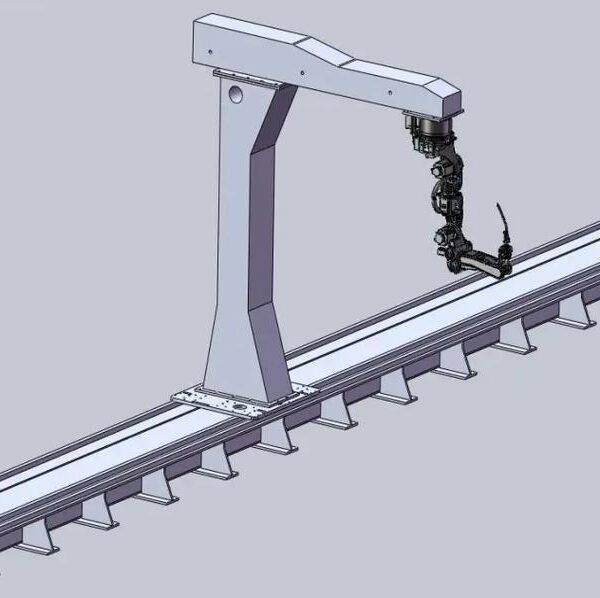

Cantilever Welding Robot solution
-
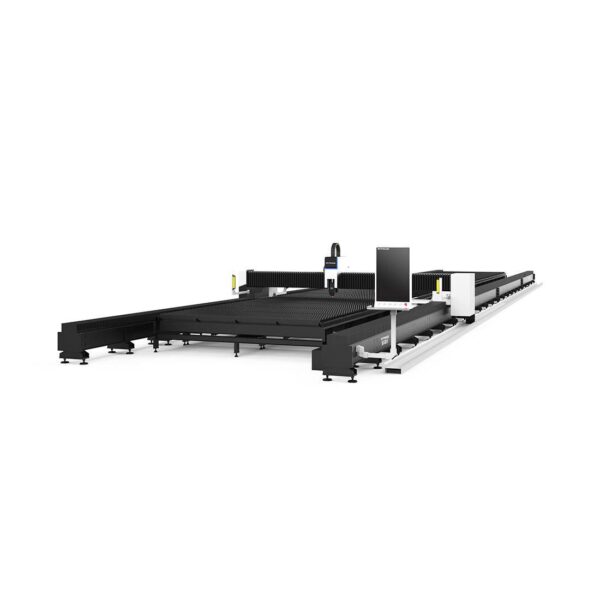

GF laser cutting machine
-
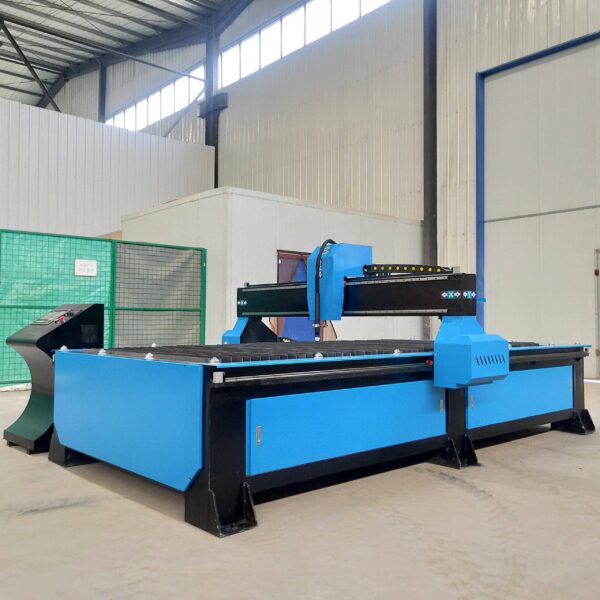
P3015 plasma cutting machine
-

LFP3015 Fiber Laser Cutter
-
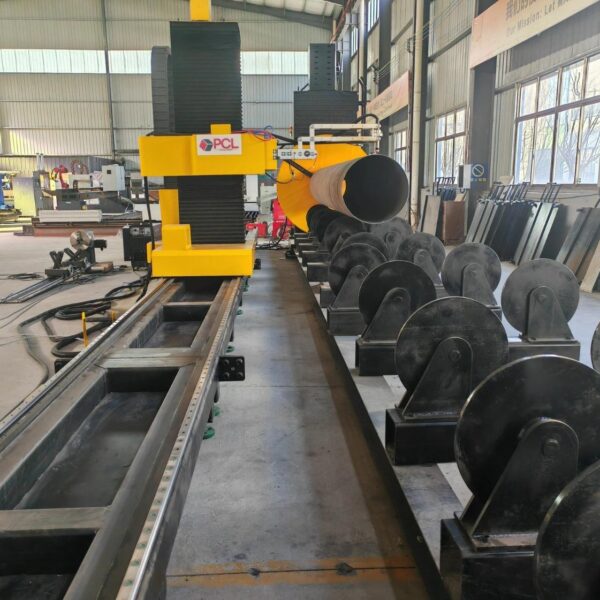
pipe plasma cutting machine
-
LFH 4020 Fiber Laser Cutting Machine
-
LFP4020
-
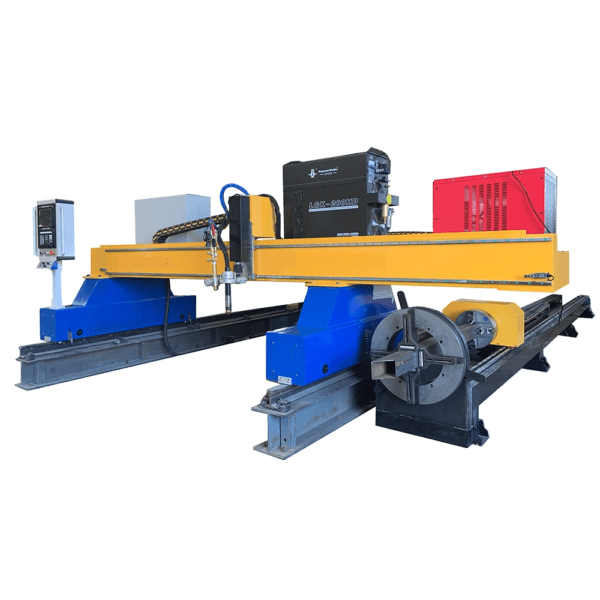
gantry plasma air cutting machine
-
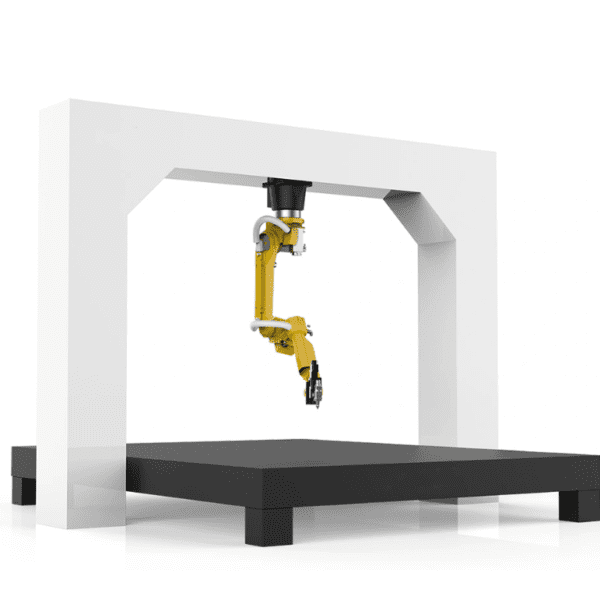
3D robot cutting machine
-
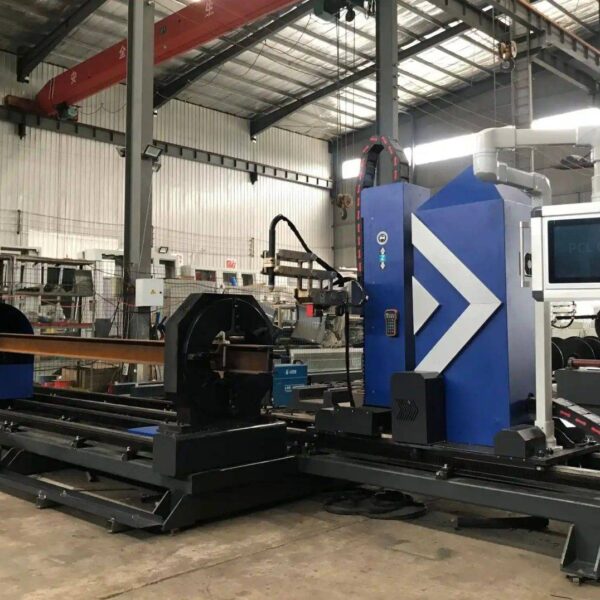
8 axis plasma cutting machine
-
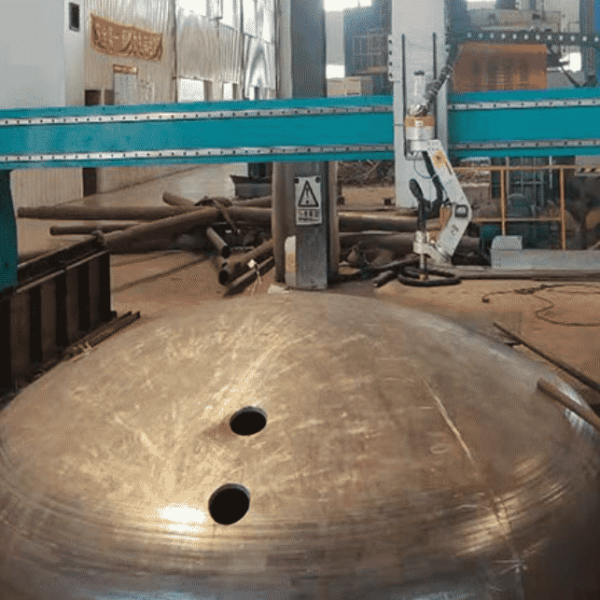
5 axis plasma cutting machine
-

LT360 tube laser cutting machine
-
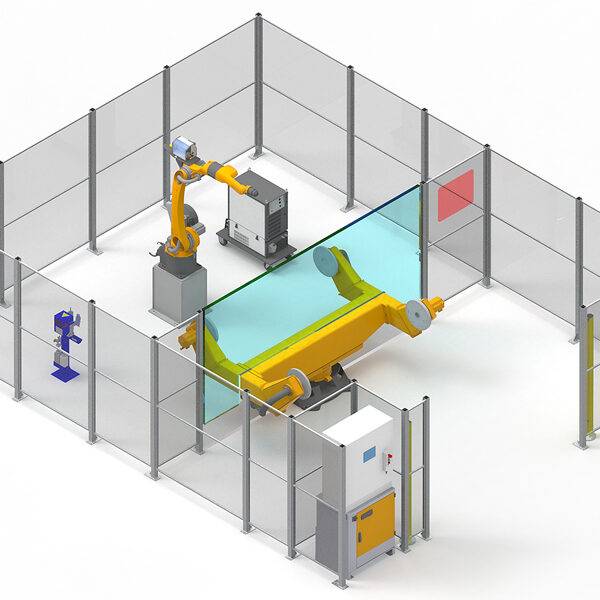
robot welding workstation
-
SF6060 fiber laser cutting machine
