Field Engineering Report: Implementation of Double Pulse 6-Axis Collaborative Welder
Site Overview: Bologna Industrial District
The following report details the field deployment and calibration of a 6-Axis Collaborative Welder (Cobot) integrated into an Automated Welding cell in Bologna, Italy. The facility specializes in high-end transport components, primarily focused on aluminum alloy welding for lightweight chassis structures. The objective was to replace manual TIG processes with a high-speed, double-pulse MIG/MAG automated system to reduce heat-affected zone (HAZ) distortion and increase throughput.
1. Technical Specification of the 6-Axis Collaborative Welder
The core of the installation is a high-precision 6-Axis Collaborative Welder with a 10kg payload capacity and a 1300mm reach. Unlike traditional industrial robots, the 6-axis kinematics of a collaborative system allow for significant maneuverability in the cramped workshop environments typical of Northern Italian manufacturing hubs.
Kinematic Advantages in Complex Geometries
In the Bologna facility, the workpiece geometry involves complex curvatures and tight-access internal fillet welds. A 6-axis configuration is non-negotiable here. The ability to articulate the torch through the sixth axis allows for the maintenance of a consistent torch-to-workpiece angle, which is critical for gas shielding integrity. During the field test, we observed that the collaborative nature of the arm—specifically its lead-through programming—reduced the setup time for new weld paths by 70% compared to traditional pendant-coded automation.
2. The Integration of Automated Welding Logic
Automated welding is more than just a robotic arm moving a torch; it is the seamless communication between the motion controller and the power source. In this deployment, we utilized a high-speed Fieldbus interface to synchronize the 6-axis movements with the double-pulse power supply.

Synergic Control and Feedback Loops
One of the “lessons learned” during the first week in Bologna was the impact of wire-feed consistency on the automated welding cycle. Aluminum wire is notoriously soft and prone to bird-nesting. To achieve true automation, we integrated a push-pull torch system directly into the cobot’s tool center point (TCP). This allowed the 6-Axis Collaborative Welder to communicate real-time motor torque data back to the central controller, adjusting the travel speed if wire drag was detected. This level of synergy ensures that the weld bead remains uniform even when the wire spool enters the final, more tightly coiled 20% of its volume.
3. Challenges in Aluminum Alloy Welding
Aluminum alloy welding presents unique metallurgical challenges, specifically regarding thermal conductivity and the rapid formation of surface oxides. In the Bologna project, we were working primarily with 6061-T6 and 5083 alloys.
Double Pulse Waveform Optimization
To manage the high thermal conductivity of the aluminum alloy welding process, we implemented a double-pulse waveform. The “primary” pulse provides the penetration required to break the oxide layer, while the “secondary” lower-frequency pulse allows the puddle to cool slightly, creating the characteristic “stacked dimes” aesthetic without the manual labor of TIG welding.
Field data indicated that by using the 6-Axis Collaborative Welder to maintain a precise 15-degree push angle, we could minimize porosity. We found that a pulse frequency of 1.5 Hz to 2.5 Hz was the “sweet spot” for the 3mm 5083 plate, balancing aesthetic requirements with structural penetration depth.
4. Synergy: Collaborative Motion Meets Automated Execution
The true value proposition observed in the Bologna workshop was the synergy between the 6-Axis Collaborative Welder and the broader automated welding ecosystem. In a traditional setup, the robot is a black box. In this collaborative environment, the human welder acts as a “process supervisor.”
The “Expert-in-the-Loop” Model
During the integration of the aluminum alloy welding phase, we encountered issues with heat sink variability across the jigging fixture. A traditional automated system would have required a programmer to rewrite the G-code. However, the 6-Axis Collaborative Welder allowed the shop floor lead to manually “nudge” the path and adjust the weave parameters mid-process using the tablet interface. This hybrid approach—combining the repeatability of automated welding with the intuition of a senior welder—resulted in a 15% reduction in scrap rates during the first month.
5. Lessons Learned and Field Observations
Grounding and HF Interference
A significant technical hurdle in Bologna was high-frequency (HF) interference. Aluminum welding often requires a clean arc start. We found that the collaborative arm’s sensors were occasionally tripped by electromagnetic interference (EMI) from the power source.
Lesson: Always ensure the cobot frame and the welding power source share a common, dedicated ground, and use shielded communication cables for the 6-axis encoders.
Shielding Gas Dynamics
For aluminum alloy welding, gas coverage is everything. In the Bologna facility, ambient drafts from the cooling fans interfered with the argon curtain. Because the 6-Axis Collaborative Welder moves at higher travel speeds than a manual welder, the “trailing” edge of the gas shield often becomes turbulent. We solved this by installing a custom gas lens and increasing the flow rate to 20L/min, specifically calibrated for the cobot’s 400mm/min travel speed.
TCP Calibration Rigor
In automated welding, the Tool Center Point (TCP) is the difference between a perfect fillet and a failed part. Aluminum’s high expansion coefficient means the workpiece moves during the weld. We implemented a “touch-sensing” routine where the 6-Axis Collaborative Welder uses the welding wire itself to sense the part’s position before striking the arc. This compensated for the 1.2mm thermal expansion observed across the 1200mm chassis rail.
6. Production Impact and Conclusion
The transition to a 6-Axis Collaborative Welder in the Bologna plant has redefined their aluminum alloy welding workflow. By leveraging automated welding protocols, the facility has moved from a three-shift manual rotation to a two-shift “lights-out” or “lean-attendance” model for the sub-assembly line.
Key Metrics Achieved:
- Cycle Time Reduction: 45% compared to manual TIG.
- Rework Rate: Dropped from 12% to 2.5% due to consistent double-pulse heat control.
- Consumable Efficiency: 18% reduction in shielding gas waste due to optimized arc-on/arc-off timing in the automated sequence.
The synergy between the flexible 6-axis kinematics and the rigid requirements of aluminum metallurgy proves that collaborative automation is no longer just for pick-and-place tasks. When properly calibrated for double-pulse MIG, the 6-Axis Collaborative Welder is a formidable tool for high-precision aluminum alloy welding in demanding industrial environments like those found here in Bologna.
End of Report.
Lead Engineering Consultant, Bologna Site Visit.
-
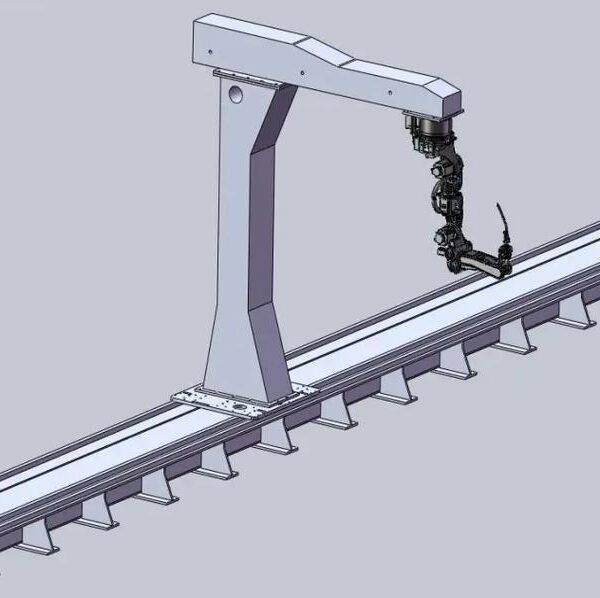

Cantilever Welding Robot solution
-
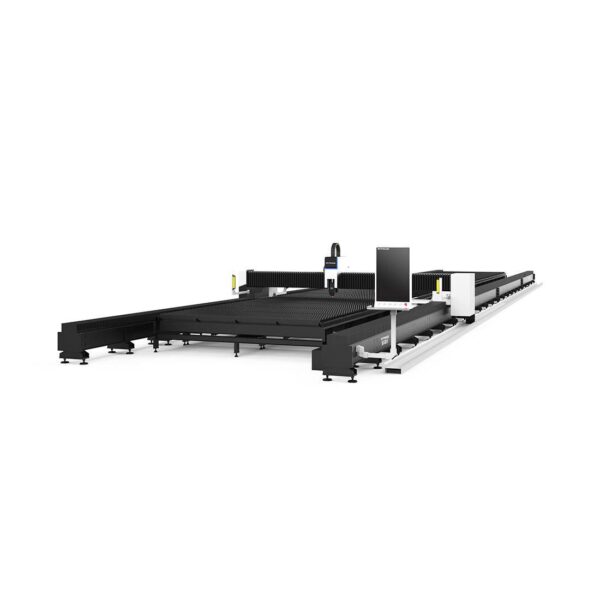

GF laser cutting machine
-
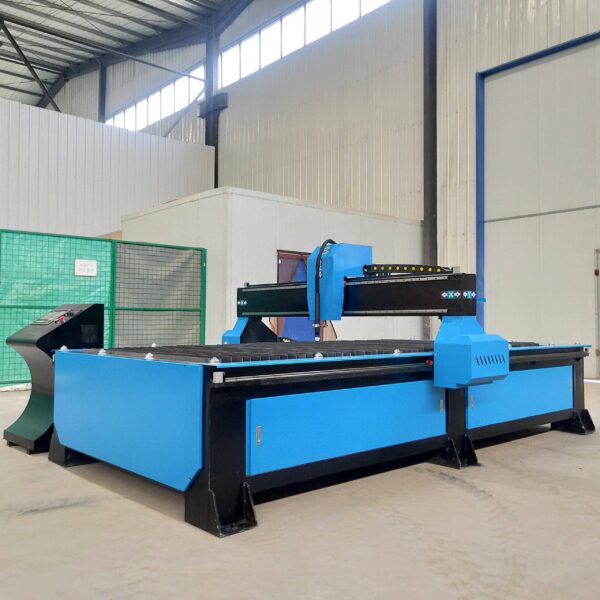
P3015 plasma cutting machine
-

LFP3015 Fiber Laser Cutter
-
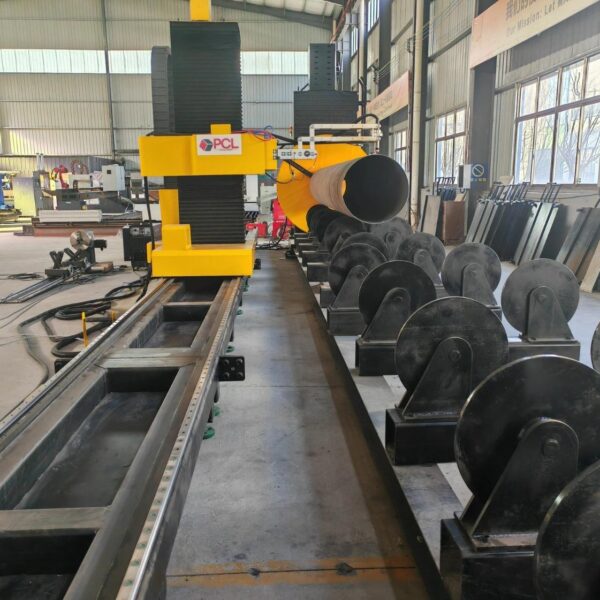
pipe plasma cutting machine
-
LFH 4020 Fiber Laser Cutting Machine
-
LFP4020
-
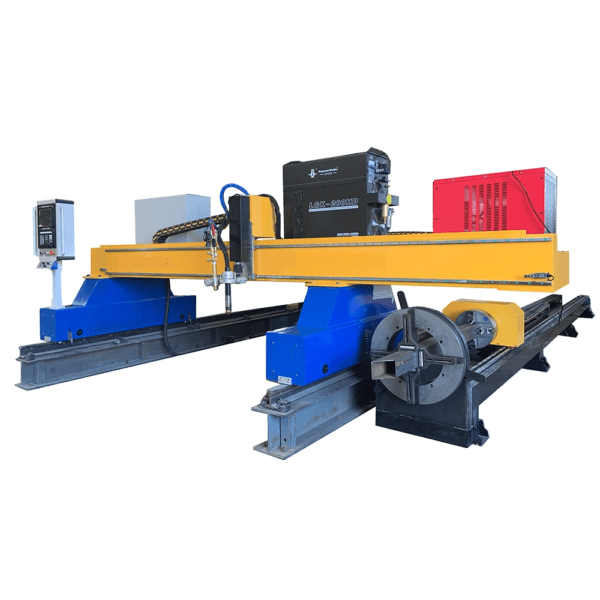
gantry plasma air cutting machine
-
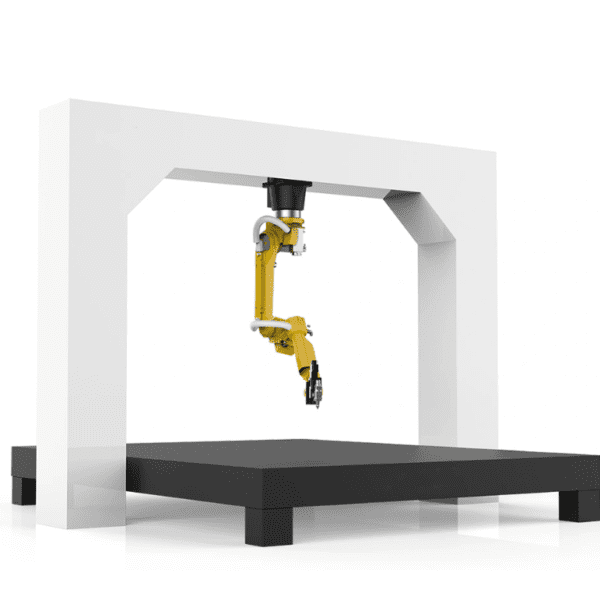
3D robot cutting machine
-
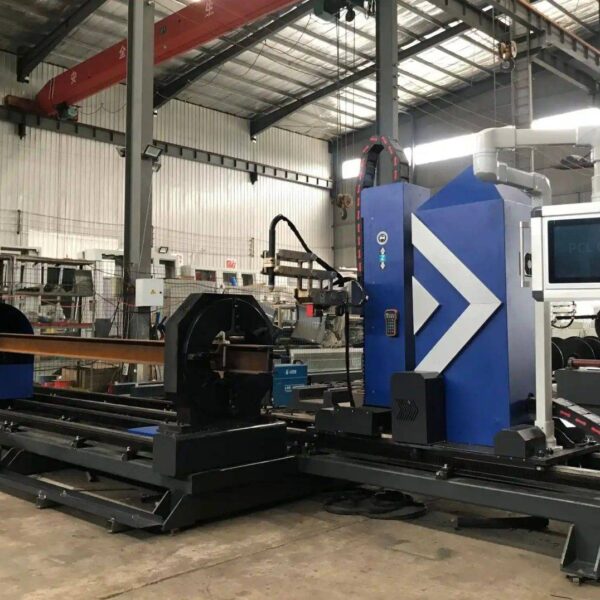
8 axis plasma cutting machine
-
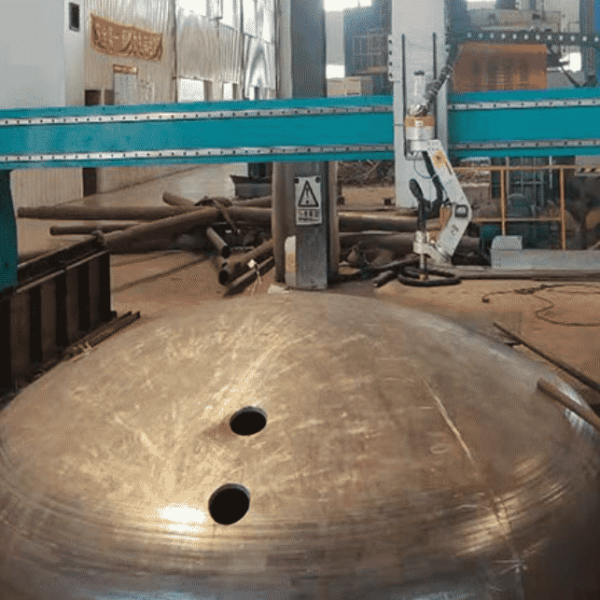
5 axis plasma cutting machine
-

LT360 tube laser cutting machine
-
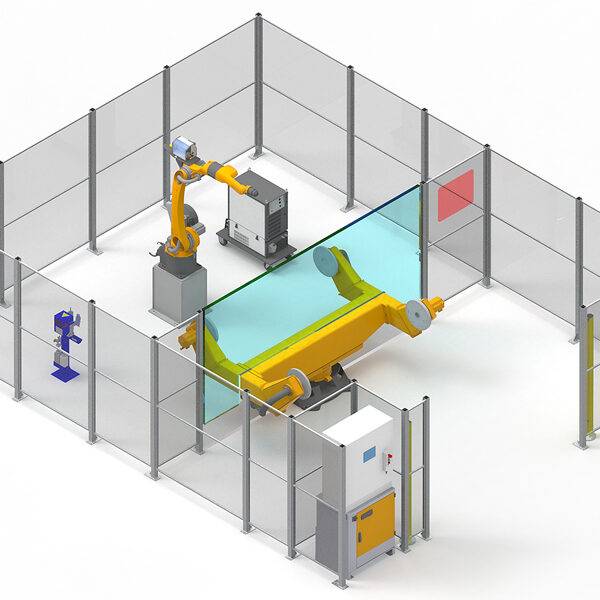
robot welding workstation
-
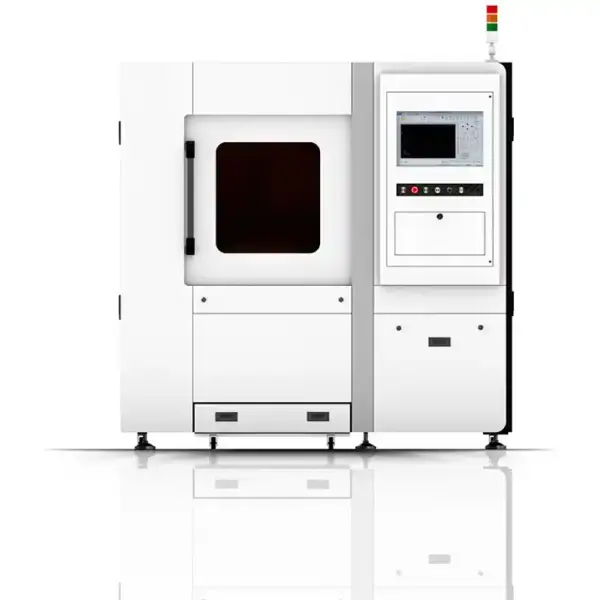
SF6060 fiber laser cutting machine
Advanced Fiber Laser Tube Processing Technology
Our CNC Fiber Laser Tube Cutting systems revolutionize metal fabrication by integrating high-precision cutting, punching, and profiling into a single automated workflow. Designed for versatility, this technology handles a wide array of profiles including Round, Square, Rectangular, and Oval tubes, as well as complex L-shaped and U-shaped channels.
- Precision Punching: High-speed hole punching with micron-level accuracy, eliminating the need for mechanical drilling or die-stamping.
- Complex Profiling: Advanced 3D pathing allows for intricate interlocking joints and specialized notch cuts, ideal for structural frames.
- High Material Efficiency: Intelligent nesting software minimizes scrap, reducing raw material costs across large production runs.
- Clean Finish: Delivers oxide-free, burr-free edges that require zero secondary grinding before welding.

Seamlessly processing multiple profiles with consistent precision.
Global Delivery & Logistics



From our high-tech manufacturing facility directly to your global site. PCL WeldCut ensures secure packaging, professional handling, and reliable international logistics to safeguard your equipment throughout the entire journey.