Field Report: High-Penetration Implementation of Cobot Welding in Bologna’s Automotive Cluster
1. Site Overview and Objective
The following report details the field implementation and performance evaluation of a Deep Penetration Cobot Welding Machine at a Tier-1 automotive fabrication facility in Bologna, Italy. The facility specializes in high-performance chassis components, primarily utilizing 6000 and 5000 series aluminum. The objective was to replace manual TIG/MIG stations with Collaborative Robotics to address throughput bottlenecks and inconsistent penetration depth in critical structural joints.
Bologna’s manufacturing environment demands a high degree of flexibility. Unlike rigid mass-production lines in larger industrial hubs, this workshop manages small-to-medium batches with frequent design iterations. The implementation focused on bridging the gap between manual dexterity and industrial-scale automation through a mobile, high-output welding cell.
2. The Synergy of Collaborative Robotics and Shop Floor Integration
In the context of this Bologna workshop, the transition to Collaborative Robotics was driven by floor space constraints and the need for operators to work in proximity to the machine without bulky safety fencing. Traditional industrial robots were deemed impractical due to the “dead space” required for light curtains and physical barriers.

2.1 Operator-Machine Interaction
The Cobot Welding Machine functions as a power-tool extension of the welder rather than a standalone replacement. We observed that the most successful synergy occurred during the “teaching” phase. In Bologna, our senior welders—craftsmen with decades of experience in Aluminum Alloy welding—were able to lead the cobot arm by hand to define complex weld paths. This “lead-through programming” captures the nuance of torch angles that a pure programmer might miss, while the cobot provides the travel speed consistency that a human hand cannot maintain over an eight-hour shift.
2.2 Safety and Compliance
Operating under EU safety standards, the collaborative system utilized torque sensors in every joint. In the event of a collision with an operator or a misplaced jig, the machine enters a Category 0 stop. This allowed the Bologna team to perform “shadowing,” where an operator preps the next workpiece in a dual-station setup while the cobot completes a weld cycle less than two meters away.
3. Technical Analysis: Aluminum Alloy Welding Challenges
Aluminum Alloy welding presents a unique set of metallurgical challenges, specifically regarding high thermal conductivity and the rapid formation of surface oxides. In this field application, we focused on 6061-T6 and 5083 alloys.
3.1 Managing Thermal Conductivity
Aluminum dissipates heat nearly five times faster than carbon steel. This often leads to “cold starts” and lack of fusion at the beginning of a bead, followed by excessive heat buildup and potential burn-through at the end. To counter this, the Cobot Welding Machine was programmed with a dynamic current profile. We utilized a high-amperage “hot start” for the first 15mm of the weld, tapering down to a steady-state current as the base material reached equilibrium temperature.
3.2 Oxide Cleaning and Porosity Control
The Bologna facility faces high humidity during certain seasonal shifts, which exacerbates hydrogen porosity in aluminum welds. The cobot’s integration with an advanced pulse-power source allowed for high-frequency “wobble” parameters. By oscillating the wire at 15-20Hz in a circular pattern, we effectively agitated the weld pool, allowing entrapped gases to escape before solidification. This resulted in X-ray quality welds that surpassed previous manual benchmarks.
4. Deep Penetration Parameters and Results
A primary requirement for the Bologna project was achieving deep penetration in 8mm thick 5083 plate without the need for extensive V-groove edge preparation. Traditionally, this would require multiple passes or high-amperage manual welding that risks warping the thin-walled sections of the chassis.
4.1 Waveform Optimization
We implemented a “Deep Arc” waveform on the Cobot Welding Machine. This proprietary mode focuses the arc plasma into a narrower, more intense column. By leveraging Collaborative Robotics to maintain a precise 1.5mm contact-tip-to-work distance (CTWD), we achieved a 6mm penetration depth in a single pass. A manual welder would find it nearly impossible to maintain this tight CTWD without risking the wire “burning back” into the tip.
4.2 Distortion Control
Aluminum’s high coefficient of thermal expansion leads to significant distortion. The cobot’s ability to travel at speeds of up to 80 cm/min—nearly double that of a manual welder—drastically reduced the Heat Affected Zone (HAZ). Measurements taken on the Bologna shop floor showed a 35% reduction in post-weld straightening requirements for the 6061 frames.
5. Lessons Learned from the Bologna Field Test
Technical implementation is only half the battle. The “Bologna Experience” taught us several practical lessons regarding the deployment of Collaborative Robotics in a high-precision environment.
5.1 The Importance of Precise Jigging
We learned quickly that while a cobot is “smart,” it is only as good as the part presentation. In manual Aluminum Alloy welding, a welder can compensate for a 2mm gap variation on the fly. The Cobot Welding Machine, unless equipped with expensive laser-seam tracking, will follow the programmed path regardless of fit-up issues. We had to upgrade the workshop’s modular fixturing to ensure a tolerance of ±0.5mm. Lesson: Don’t invest in a cobot if you aren’t willing to invest in your jigs.
5.2 Shielding Gas Dynamics
The Bologna workshop is an open-air style facility typical of the region. Even slight drafts can disrupt the argon shield, leading to oxidation in Aluminum Alloy welding. We found that the cobot’s higher travel speeds required an increase in gas flow rates (from 15 L/min to 22 L/min) and the use of larger gas lenses to ensure a stable envelope of protection at the higher velocity.
5.3 Wire Feed Consistency
Aluminum wire is soft and prone to “bird-nesting.” Because the cobot arm moves through complex 6-axis orientations, the liner inside the torch cable experiences varying degrees of tension. We switched to a graphite liner and a push-pull torch system integrated into the Cobot Welding Machine. This eliminated the micro-stuttering in the wire feed that was causing intermittent porosity in the 5083 alloy welds.
6. Productivity and ROI Analysis
Over a three-month period in Bologna, the data showed a marked improvement in production metrics:
- Arc-on Time: Increased from 25% (manual) to 65% (cobot).
- Scrap Rate: Reduced by 12% due to the elimination of human fatigue-related defects in the final two hours of the shift.
- Post-Weld Processing: Grinding and cleaning time was reduced by 40% because of the cleaner, more consistent bead profile produced by the Collaborative Robotics system.
7. Conclusion
The deployment of the Cobot Welding Machine in Bologna has proven that Collaborative Robotics is not merely a replacement for labor, but a sophisticated tool for enhancing the quality of Aluminum Alloy welding. The ability to achieve deep penetration with minimal distortion has given the facility a competitive edge in the local automotive market.
Future iterations will focus on integrating AI-driven vision systems to allow the cobot to compensate for the fit-up variations we observed. However, for current structural aluminum applications, the synergy between the artisan’s knowledge and the machine’s precision is the new gold standard for the Emilian manufacturing sector.
Report Filed By:
Senior Welding Engineer, Field Operations
Bologna District Office
-
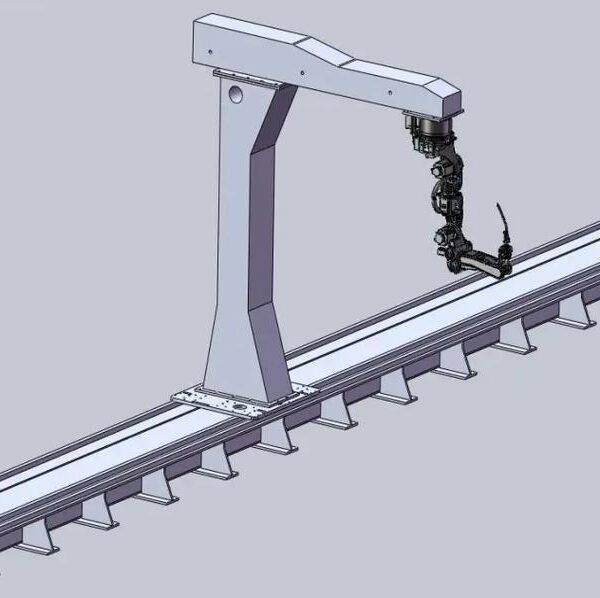

Cantilever Welding Robot solution
-
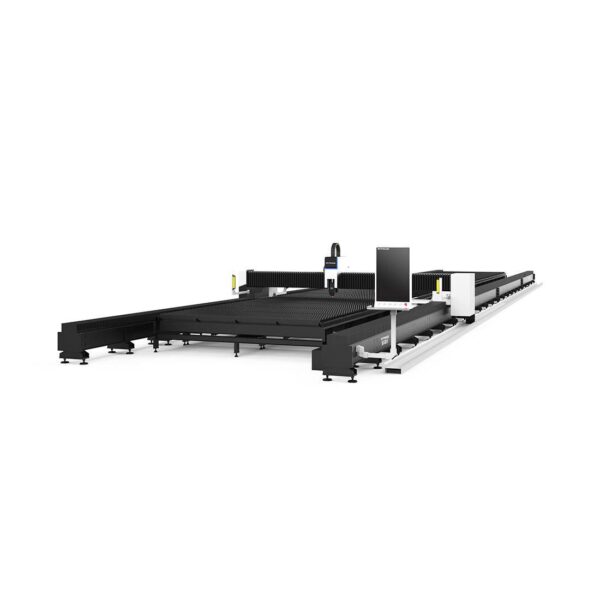

GF laser cutting machine
-
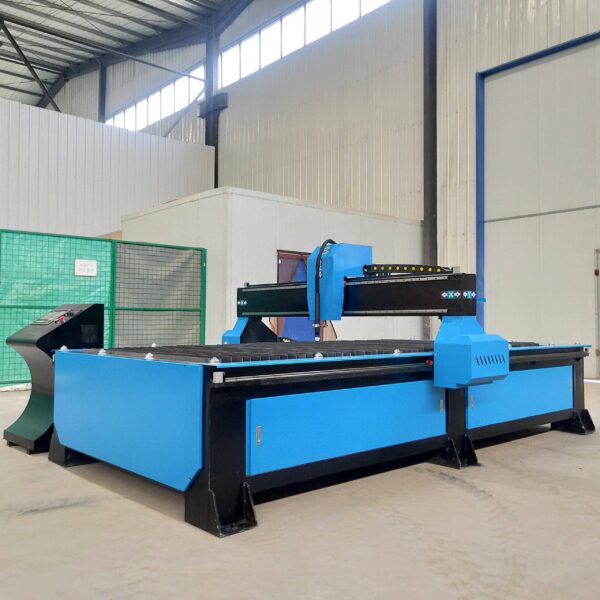
P3015 plasma cutting machine
-

LFP3015 Fiber Laser Cutter
-
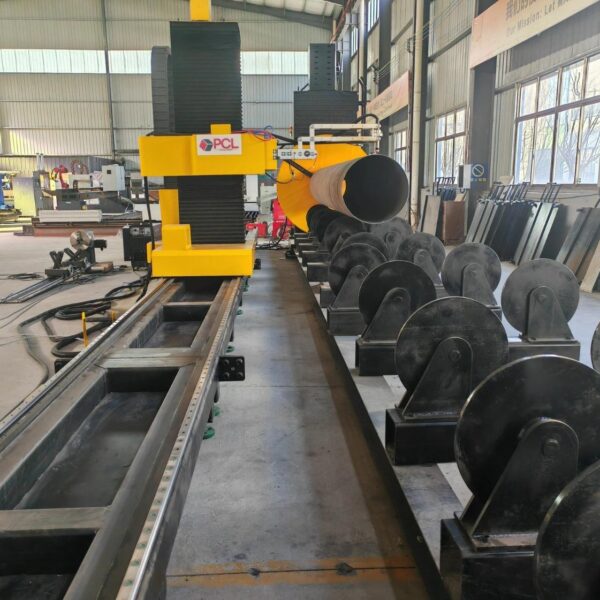
pipe plasma cutting machine
-
LFH 4020 Fiber Laser Cutting Machine
-
LFP4020
-
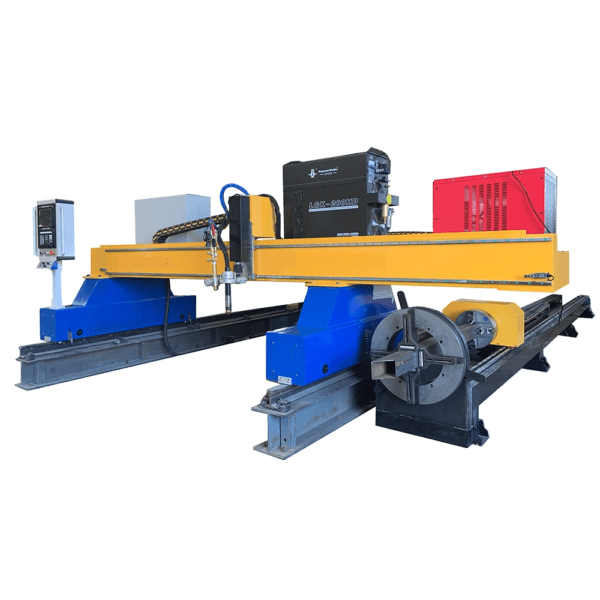
gantry plasma air cutting machine
-
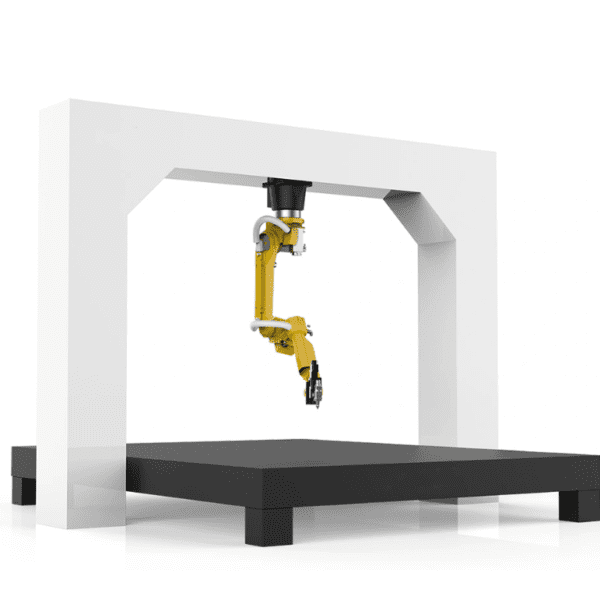
3D robot cutting machine
-
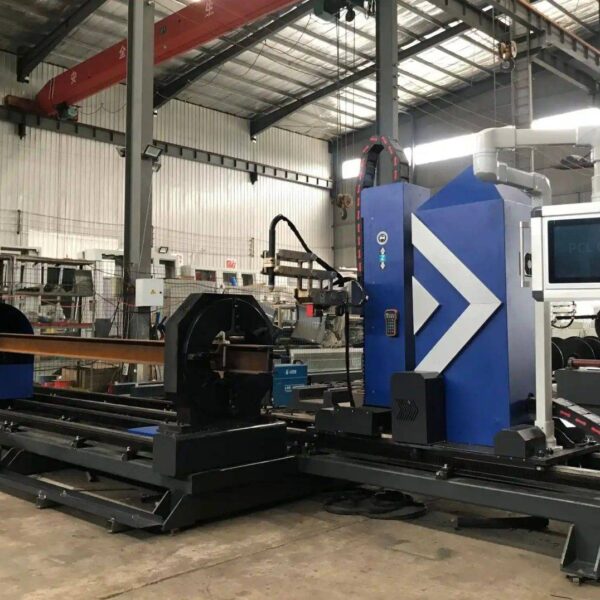
8 axis plasma cutting machine
-
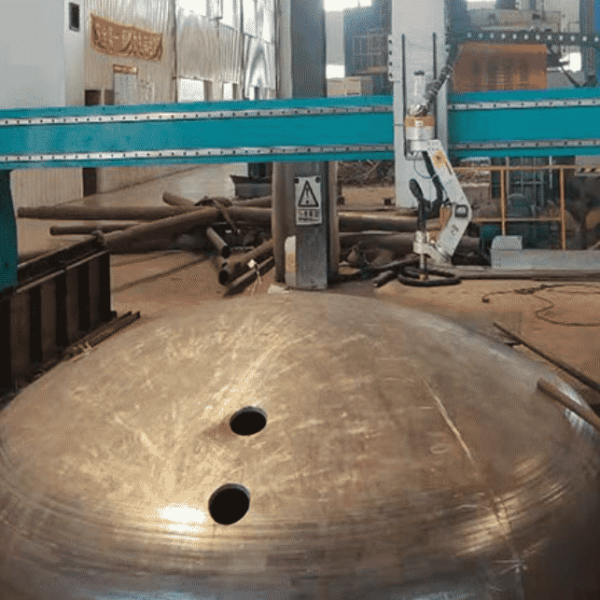
5 axis plasma cutting machine
-

LT360 tube laser cutting machine
-
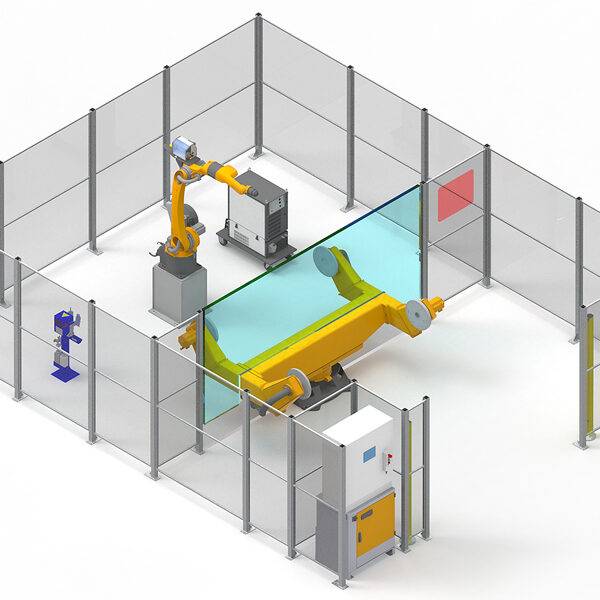
robot welding workstation
-
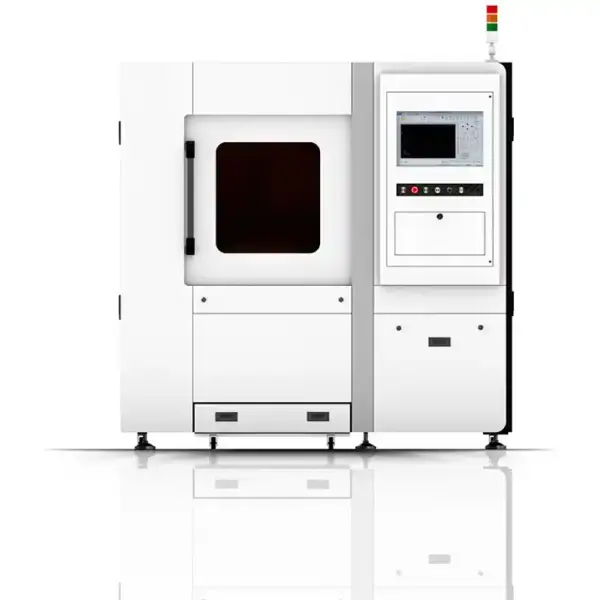
SF6060 fiber laser cutting machine
Advanced Fiber Laser Tube Processing Technology
Our CNC Fiber Laser Tube Cutting systems revolutionize metal fabrication by integrating high-precision cutting, punching, and profiling into a single automated workflow. Designed for versatility, this technology handles a wide array of profiles including Round, Square, Rectangular, and Oval tubes, as well as complex L-shaped and U-shaped channels.
- Precision Punching: High-speed hole punching with micron-level accuracy, eliminating the need for mechanical drilling or die-stamping.
- Complex Profiling: Advanced 3D pathing allows for intricate interlocking joints and specialized notch cuts, ideal for structural frames.
- High Material Efficiency: Intelligent nesting software minimizes scrap, reducing raw material costs across large production runs.
- Clean Finish: Delivers oxide-free, burr-free edges that require zero secondary grinding before welding.

Seamlessly processing multiple profiles with consistent precision.
Global Delivery & Logistics



From our high-tech manufacturing facility directly to your global site. PCL WeldCut ensures secure packaging, professional handling, and reliable international logistics to safeguard your equipment throughout the entire journey.