Field Commissioning Report: Integrated MAG Cobot Welder Implementation
Project Overview: Bologna Automotive Component Facility
This report summarizes the field implementation and performance optimization of an air-cooled **MAG Cobot Welder** system at a Tier-2 automotive supplier facility in Bologna, Italy. The objective was to transition a manual station responsible for high-precision structural components to an automated workflow using advanced **Arc Welding Solutions**.
The primary technical challenge involved the high-speed deposition required for **Aluminum Alloy welding** on 6061 and 5083 grades, maintaining structural integrity while managing the thermal limitations of an air-cooled torch configuration. In the Bologna workshop, space is at a premium, making the compact footprint of a collaborative robot (cobot) more viable than traditional caged industrial cells.
1. Technical Configuration of the MAG Cobot Welder
The selection of an air-cooled **MAG Cobot Welder** was driven by the need for maximum dexterity and a reduction in the payload on the cobot’s sixth axis. By eliminating water-cooling hoses, we achieved a 15% increase in Tool Center Point (TCP) velocity during non-welding movements, which was critical for meeting the 90-second cycle time requested by the client.
1.1. Torch Geometry and Heat Management
In the context of **Aluminum Alloy welding**, heat dissipation is usually the Achilles’ heel of air-cooled systems. We compensated for this by utilizing a high-performance neck design with a heavy-duty copper-chrome contact tip. During the Bologna trials, we monitored the interpass temperature of the torch body. The air-cooled system maintained a stable operating temperature provided the duty cycle remained below 60% at 200 Amps—sufficient for the pulsed-arc parameters required for 3.0mm aluminum plates.
1.2. Integration with Arc Welding Solutions
The synergy between the **MAG Cobot Welder** and the digital **Arc Welding Solutions** was established via a high-speed EtherCAT interface. This allowed for real-time adjustments of the arc length and pulse frequency. In Bologna, we found that the standard “out-of-the-box” settings for MAG welding were insufficient for the specific silicon-content variations in the local aluminum stock. We had to rewrite the synergic lines to accommodate a faster “crater fill” routine to prevent piping porosity at the end of the weld beads.
2. Specialized Aluminum Alloy Welding Parameters
**Aluminum Alloy welding** presents unique challenges regarding thermal conductivity and oxide layers. Unlike mild steel, aluminum’s narrow window between liquidus and solidus temperatures requires precise control over the heat input.
2.1. Managing Thermal Conductivity
The Bologna facility’s components are primarily 6061-T6. During the initial setup of the **MAG Cobot Welder**, we observed excessive burn-through on the trailing edge of the circular welds. This was mitigated by implementing a “sloping” amperage program. As the **Arc Welding Solutions** software detected the cobot approaching the weld start point (completing a 360-degree joint), it triggered a 20% reduction in current to compensate for the heat build-up in the substrate.
2.2. Gas Shielding and Porosity Control
We utilized an Argon-Helium mix (70/30) to increase the puddle fluidity. When using a **MAG Cobot Welder** in an air-cooled configuration, the gas flow rate is a critical variable. Too high, and you induce turbulence; too low, and the aluminum oxidizes instantly. We found the “sweet spot” at 18 Liters/Min. The stability provided by the **Arc Welding Solutions** power source ensured that the pulse-on-pulse waveform broke the oxide layer effectively without overheating the air-cooled torch neck.
3. Synergy Between Cobot Dexterity and Arc Stability
The real-world advantage of the **MAG Cobot Welder** in the Bologna workshop was its ability to maintain a consistent torch angle in tight radii where manual welders struggled with ergonomics.
3.1. TCP Calibration and Path Precision
For successful **Aluminum Alloy welding**, the arc gap must be held within +/- 0.5mm. Manual operators often vary this gap, leading to inconsistent penetration. The **Arc Welding Solutions** integrated into this system utilized “Through-Arc Seam Tracking” (TAST) at a limited capacity. While TAST is typically difficult on aluminum due to the high frequency of the pulse, the cobot’s high-resolution encoders allowed us to pre-program the path with sub-millimeter accuracy, negating the need for complex vision systems in this specific application.
3.2. Wire Feed Consistency
Feeding aluminum wire is notoriously difficult due to its softness. We installed a “push-pull” system directly interfaced with the **MAG Cobot Welder**. The synchronization between the master motor in the wire feeder and the slave motor in the torch was managed by the **Arc Welding Solutions** control cabinet. In Bologna, we encountered occasional “bird-nesting” at the inlet guide. The lesson learned was to use only U-grooved rollers with polished ceramic liners—standard V-grooves used for steel MAG welding will shave the aluminum wire, leading to liner clogs and arc instability.
4. Lessons Learned and Field Observations
After four weeks of operation in the Bologna plant, several critical engineering insights were documented:
Lesson 1: Air-Cooled Limits
While the air-cooled **MAG Cobot Welder** is lighter, it is unforgiving of poor ground connections. Any resistance in the ground clamp caused the arc to hunt, which increased the heat load on the torch. We upgraded the ground to a dual-clamp configuration, which stabilized the **Arc Welding Solutions** feedback loop and reduced the torch operating temperature by roughly 15 degrees Celsius.
Lesson 2: Cleaning Protocols
**Aluminum Alloy welding** is 70% preparation. The Bologna facility initially used stainless steel brushes for 48 hours post-cleaning. We found that if the aluminum was not welded within 4 hours of cleaning, the oxide layer thickness exceeded the “cleansing” capability of the pulsed arc. We implemented a strict “clean-and-weld” window, which reduced the X-ray failure rate from 8% to under 0.5%.
Lesson 3: Programming for “Tack” Consistency
The cobot is only as good as the jigging. We learned that the **MAG Cobot Welder** required tacks to be exactly 15mm in length to be consistently “over-welded” without creating a hump in the final bead. The **Arc Welding Solutions** were programmed to detect the tack (via a slight change in voltage) and momentarily increase the arc force to ensure full fusion of the tack-to-bead transition.
5. Conclusion: The Bologna Benchmark
The deployment of the **MAG Cobot Welder** in Bologna demonstrates that air-cooled systems are highly capable of high-spec **Aluminum Alloy welding** when paired with the right **Arc Welding Solutions**. The key to success was not just the robotic movement, but the deep integration of the power source’s waveform control with the cobot’s path planning.
For future installations, we recommend a secondary gas purge cycle to be programmed into the cobot’s “End of Weld” routine. This protects the air-cooled contact tip from the radiant heat of the cooling aluminum puddle, extending the consumable life by an estimated 25%. This project serves as a technical blueprint for small-to-medium enterprises in the Italian motor valley looking to automate complex alloy fabrications without the overhead of heavy industrial robotics.
-
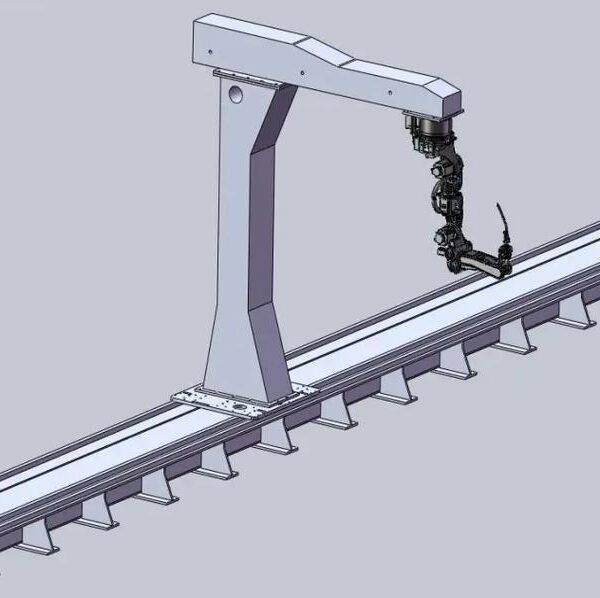

Cantilever Welding Robot solution
-
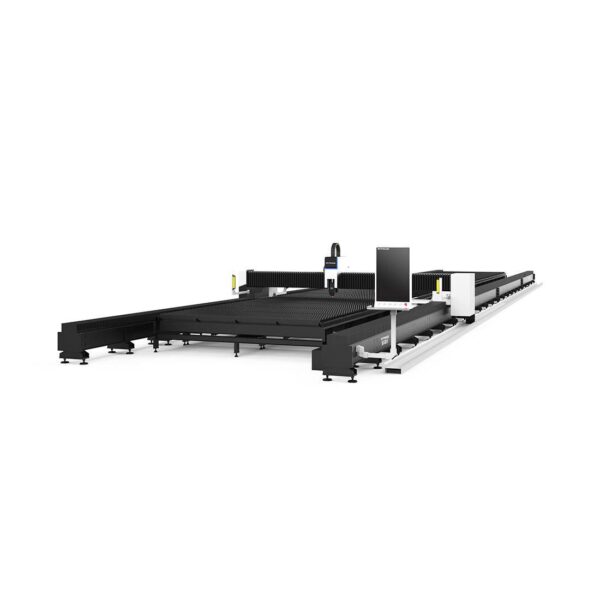

GF laser cutting machine
-
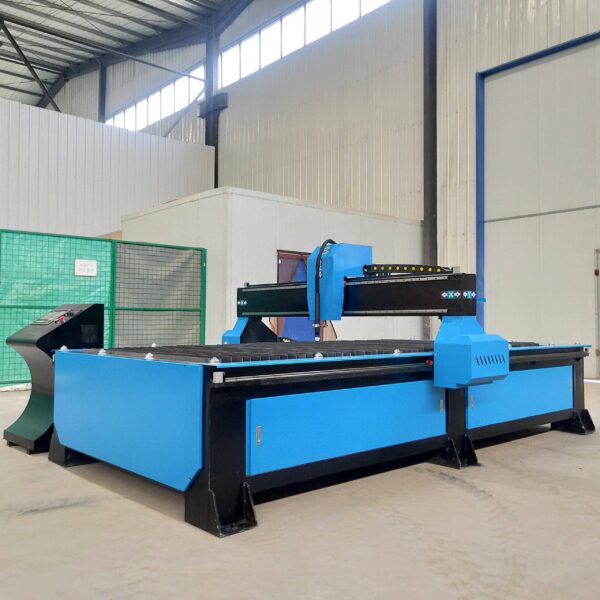
P3015 plasma cutting machine
-

LFP3015 Fiber Laser Cutter
-
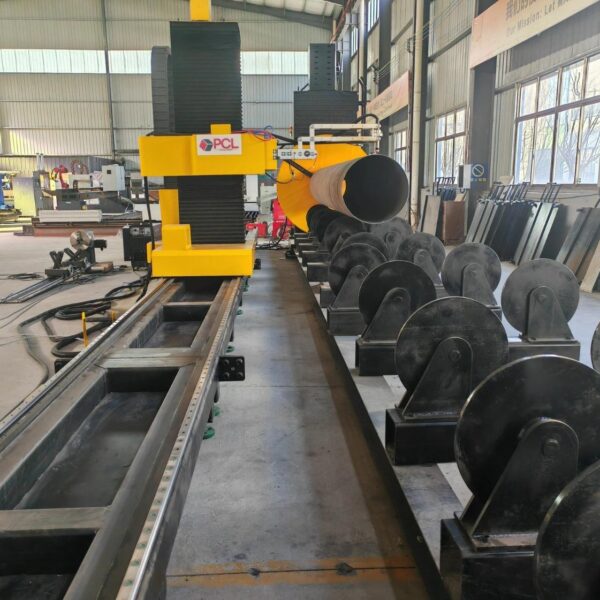
pipe plasma cutting machine
-
LFH 4020 Fiber Laser Cutting Machine
-
LFP4020
-
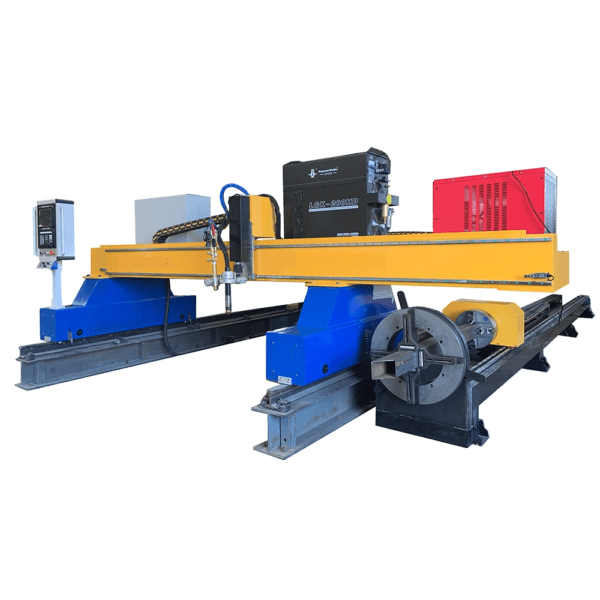
gantry plasma air cutting machine
-
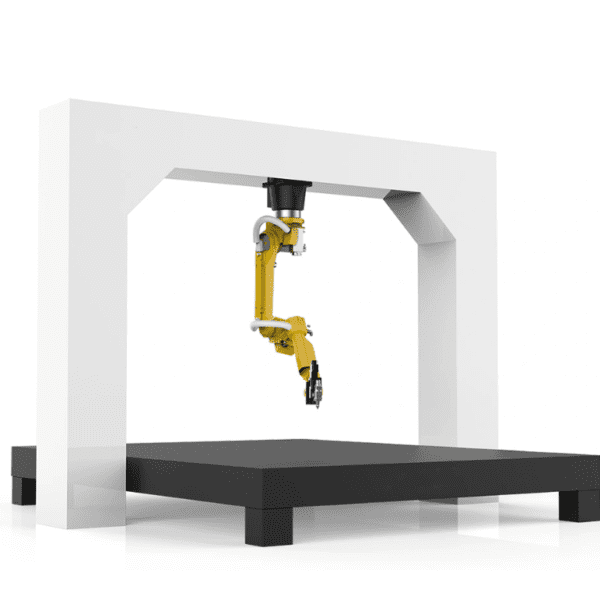
3D robot cutting machine
-
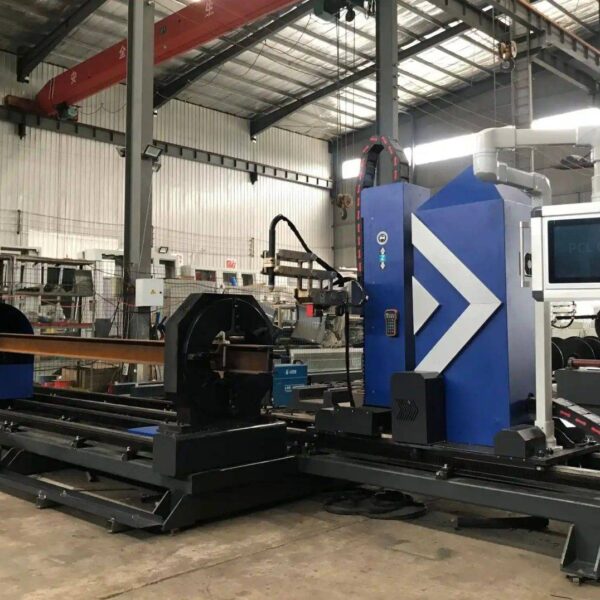
8 axis plasma cutting machine
-
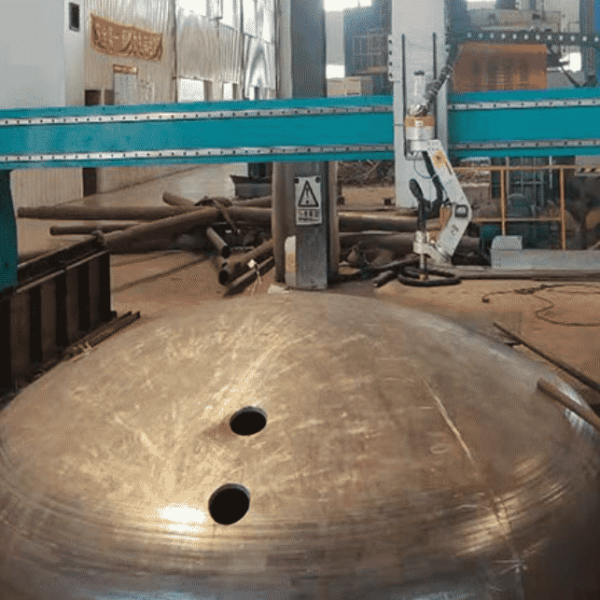
5 axis plasma cutting machine
-

LT360 tube laser cutting machine
-
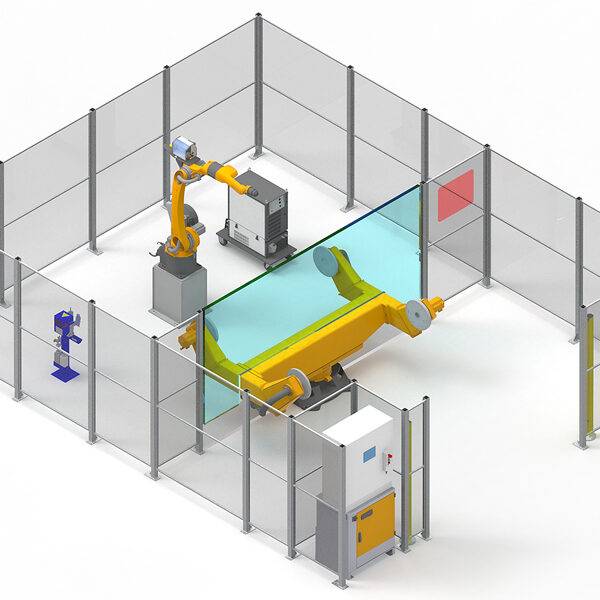
robot welding workstation
-
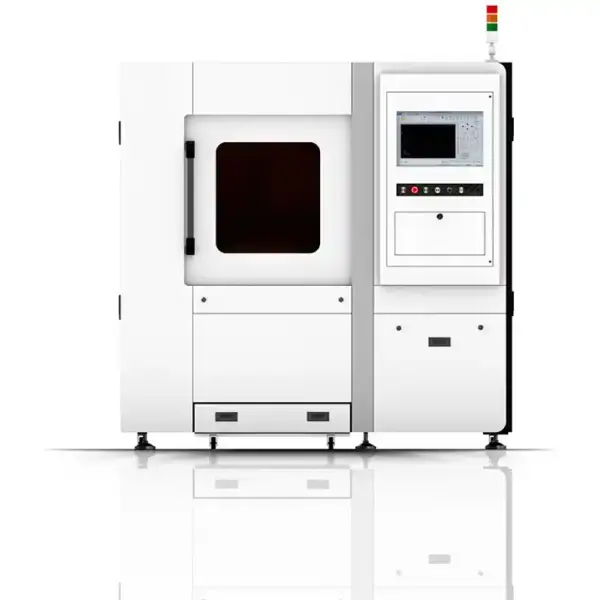
SF6060 fiber laser cutting machine
Advanced Fiber Laser Tube Processing Technology
Our CNC Fiber Laser Tube Cutting systems revolutionize metal fabrication by integrating high-precision cutting, punching, and profiling into a single automated workflow. Designed for versatility, this technology handles a wide array of profiles including Round, Square, Rectangular, and Oval tubes, as well as complex L-shaped and U-shaped channels.
- Precision Punching: High-speed hole punching with micron-level accuracy, eliminating the need for mechanical drilling or die-stamping.
- Complex Profiling: Advanced 3D pathing allows for intricate interlocking joints and specialized notch cuts, ideal for structural frames.
- High Material Efficiency: Intelligent nesting software minimizes scrap, reducing raw material costs across large production runs.
- Clean Finish: Delivers oxide-free, burr-free edges that require zero secondary grinding before welding.

Seamlessly processing multiple profiles with consistent precision.
Global Delivery & Logistics



From our high-tech manufacturing facility directly to your global site. PCL WeldCut ensures secure packaging, professional handling, and reliable international logistics to safeguard your equipment throughout the entire journey.