Field Report: Deployment of Air-cooled Laser Welding Cobot in Riyadh Industrial Sector
1. Executive Summary
This report details the technical findings from a three-week deployment of an 1.5kW air-cooled Laser Welding Cobot at a structural steel fabrication facility in the Second Industrial City, Riyadh, Saudi Arabia. The primary objective was to evaluate the integration of fiber Laser Technology into existing Mild Steel welding workflows, specifically focusing on its performance in high-ambient-temperature environments and its ability to reduce post-weld processing times. The results indicate a 400% increase in travel speed over manual GMAW (Gas Metal Arc Welding) for 3mm mild steel sections, though significant adjustments were required for environmental dust control and joint fit-up tolerances.
2. Environmental Context: The Riyadh Factor
Operating sensitive Laser Technology in the Central Province of Saudi Arabia presents unique challenges. During the test period, ambient workshop temperatures averaged 42°C (107°F). Traditional water-cooled systems often struggle with condensation or chiller failures in these conditions. The air-cooled Laser Welding Cobot was selected specifically to eliminate the maintenance overhead of water circuits. However, the high particulate matter (dust) common in Riyadh required a secondary filtration stage for the cooling intake to prevent optical contamination.
3. Synergy: Laser Technology and Collaborative Robotics
The core advantage observed during this deployment was the synergy between the fiber source and the cobot arm. Unlike manual laser welding, where the human operator must maintain a consistent focal distance—often difficult over long seams—the Laser Welding Cobot maintains a constant Tool Center Point (TCP).
3.1. Beam Delivery and Dynamics
The Laser Technology utilized a 100-micron feeding fiber, delivering a highly concentrated energy density. By mounting this system on a cobot, we utilized “wobble” parameters (oscillation) that are virtually impossible to replicate manually with high precision. We programmed a circular wobble pattern at 150Hz with a 2.0mm width. This allowed us to bridge slight gaps in the Mild Steel welding joints—a common reality in heavy fabrication where parts are sheared rather than laser-cut.
4. Technical Performance: Mild Steel Welding Analysis
The bulk of our testing focused on S235JR and S355JR Mild Steel welding. The transition from traditional arc processes to Laser Technology required a fundamental shift in how the shop floor approached joint preparation.
4.1. Heat-Affected Zone (HAZ) Observations
In manual GMAW, the HAZ on 4mm mild steel plate typically extends 5-8mm from the weld centerline. With the Laser Welding Cobot, we measured an HAZ of less than 1.2mm. This reduction is critical for the Riyadh-based client, as it eliminated the plate warping and distortion that previously required hydraulic straightening after welding. The concentrated energy of the fiber laser ensures that the structural integrity of the mild steel remains intact with minimal thermal stress.

4.2. Travel Speeds and Duty Cycles
For 3mm Mild Steel welding, we achieved stable penetration at 25mm/s (1.5 meters per minute) using 1300W of power. This is roughly five times faster than a skilled manual welder. Because the system is air-cooled, we monitored the internal diode temperatures closely. Even during back-to-back production runs in the Riyadh heat, the system maintained a 100% duty cycle, provided the air intake remained unobstructed.
5. Implementation of the Laser Welding Cobot on the Shop Floor
The integration of the Laser Welding Cobot was not merely about replacing a torch with a laser head; it was about retooling the workflow.
5.1. Fixturing and Tolerances
A lesson learned during the first week: Laser Technology is unforgiving regarding “fit-up.” While a MIG welder can “fill” a 2mm gap, a laser beam will simply pass through it. We had to implement more rigid jigging for our mild steel assemblies. Once the fixturing was standardized, the cobot’s repeatability (±0.05mm) ensured that every weld was identical, eliminating the “Monday morning” variance seen with manual labor.
5.2. Shielding Gas Strategy
We initially utilized pure Argon, but shifted to a Nitrogen-heavy mix for specific mild steel applications to improve surface hardness at the bead. In the Riyadh market, Nitrogen is more readily available and cost-effective. The Laser Welding Cobot gas solenoid was tuned to provide a 2-second pre-flow and 5-second post-flow to protect the copper nozzle and the protective window from the metallic vapors generated during the Mild Steel welding process.
6. Lessons Learned: Engineering Notes from the Field
Success in deploying Laser Technology in the Middle East depends more on “peripheral hygiene” than the laser itself. Below are the critical technical takeaways from the Riyadh deployment.
6.1. Optical Protection is Non-Negotiable
The dust in Riyadh is fine and abrasive. We found that the protective lens on the Laser Welding Cobot head needed inspection every 4 hours of arc-on time. Even a single speck of dust can absorb the laser energy, heat up, and crack the lens. We implemented a “Clean Room Protocol” for lens changes, which is atypical for a mild steel shop but necessary for this technology.
6.2. Power Stability Issues
The industrial grid in certain parts of Riyadh can experience voltage fluctuations. Laser Technology requires a stable sine wave. We encountered “Undervoltage Alarms” during peak afternoon hours when regional AC loads were highest. Installing a dedicated voltage stabilizer for the Laser Welding Cobot was mandatory to prevent resonator resets.
6.3. Safety Enclosures
Unlike manual welding, the 1064nm wavelength of a fiber laser is invisible and extremely dangerous to the human eye over long distances. We constructed a dedicated Class 4 laser booth using certified “Laser-Safe” curtains. For Mild Steel welding, which produces significant spatter when the material has mill scale, the booth also served to contain sparks that could otherwise pose a fire hazard in a dry, desert environment.
7. Comparative Analysis: Manual vs. Cobot
| Metric | Manual GMAW (Mild Steel) | Laser Welding Cobot |
|---|---|---|
| Weld Speed (3mm Plate) | 5-8 mm/s | 20-30 mm/s |
| Post-Weld Cleaning | Significant (Grinding/Spatter removal) | Zero to Minimal |
| Skill Requirement | High (Certified Welder) | Medium (Operator/Programmer) |
| Heat Distortion | High | Negligible |
8. Conclusion and Recommendations
The deployment of the air-cooled Laser Welding Cobot in Riyadh proves that Laser Technology is no longer confined to climate-controlled laboratories. It is a viable, rugged tool for Mild Steel welding in harsh industrial environments. To ensure long-term ROI, I recommend the following for any Riyadh-based operation:
- Climate Control for Optics: While the unit is air-cooled, the area where lenses are stored and changed must be pressurized and dust-free.
- Material Preparation: Switch from manual shearing to CNC laser or plasma cutting for mild steel components to ensure the tight tolerances required for laser welding.
- Training: Focus training on “Laser Safety” and “TCP Optimization” rather than traditional metallurgy, as the cobot handles the consistency that a human welder previously provided.
By moving to a Laser Welding Cobot, the facility can expect to recoup the capital expenditure within 14 months through labor savings and the total elimination of post-weld grinding. The synergy of high-speed Laser Technology and the flexibility of a cobot is the future of the Saudi manufacturing sector.
Report Submitted By:
Senior Welding Engineer
Riyadh Field Office
-
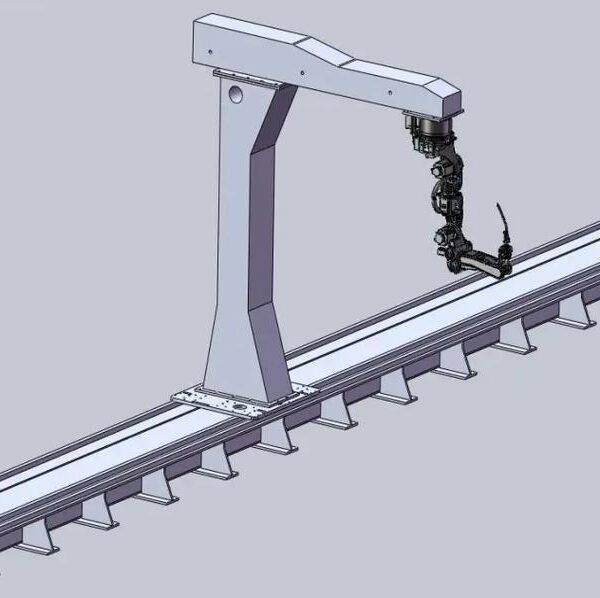

Cantilever Welding Robot solution
-
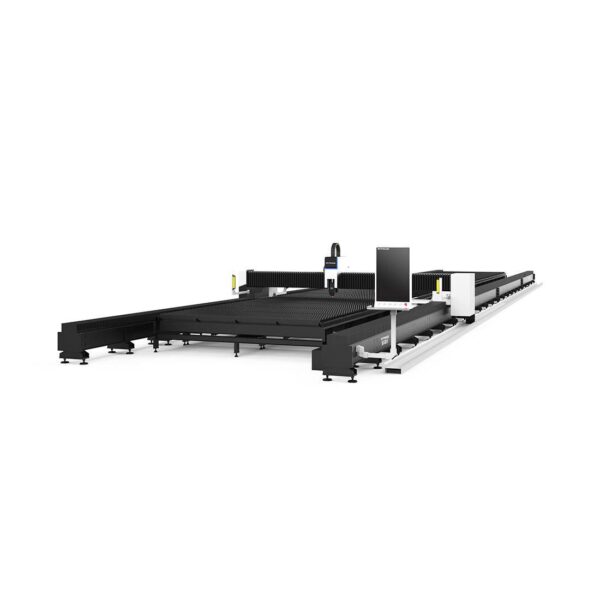

GF laser cutting machine
-
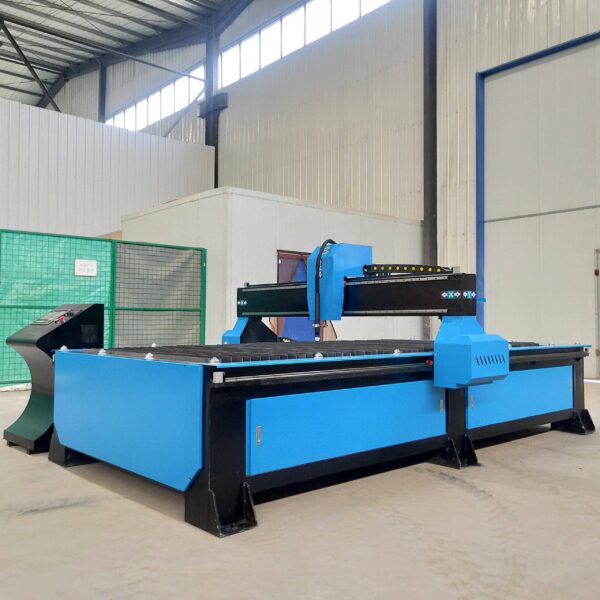
P3015 plasma cutting machine
-

LFP3015 Fiber Laser Cutter
-
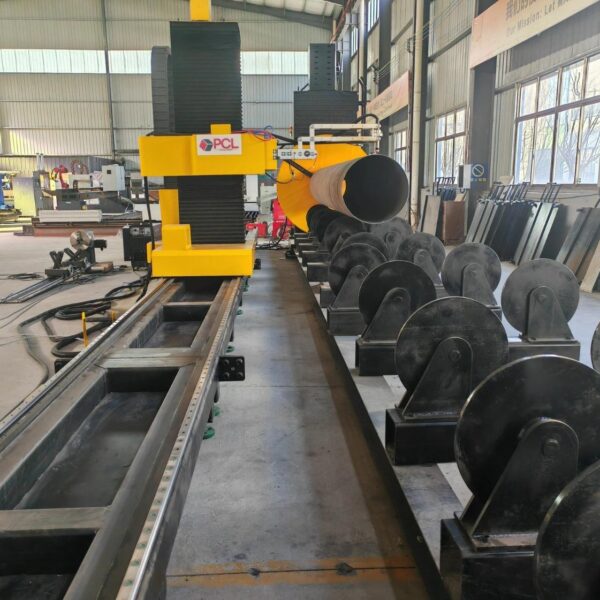
pipe plasma cutting machine
-
LFH 4020 Fiber Laser Cutting Machine
-
LFP4020
-
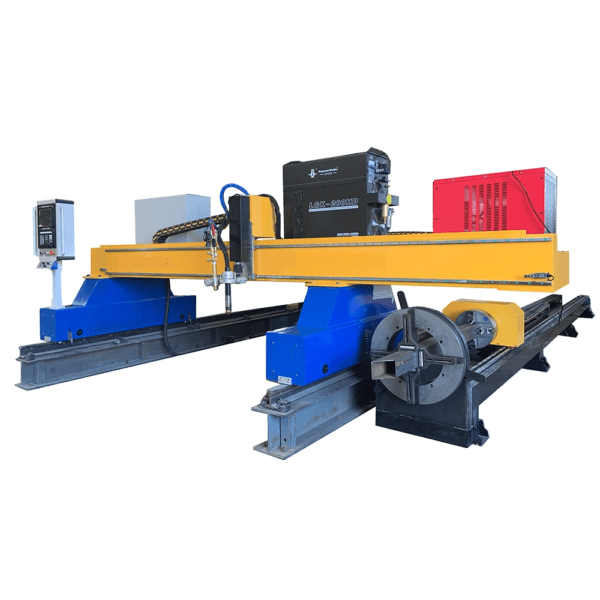
gantry plasma air cutting machine
-
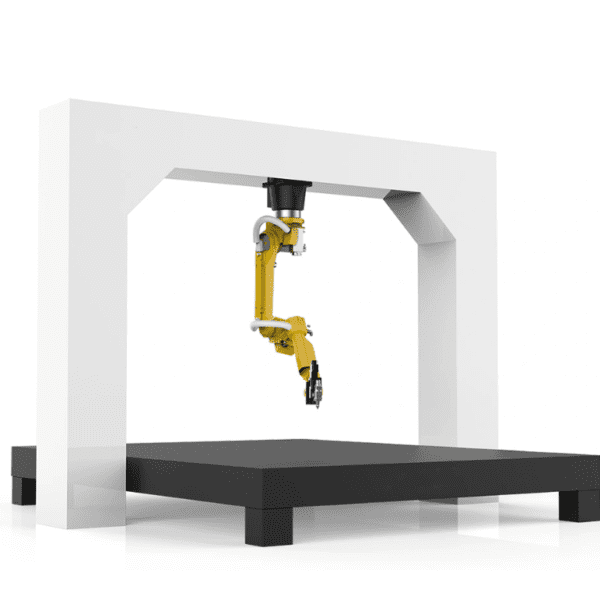
3D robot cutting machine
-
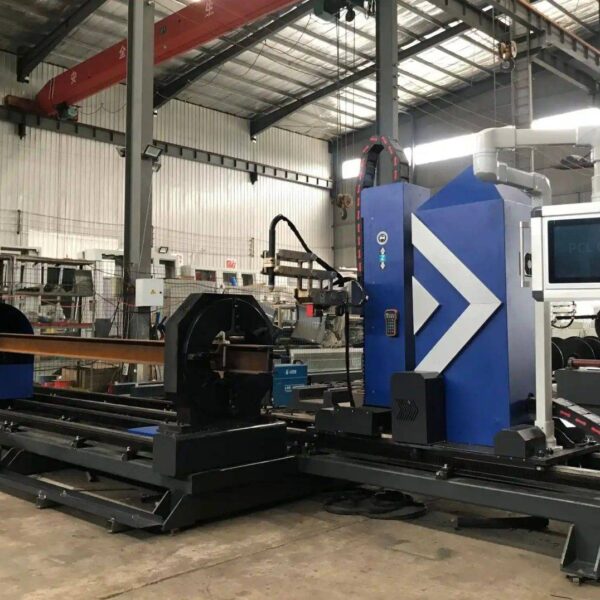
8 axis plasma cutting machine
-
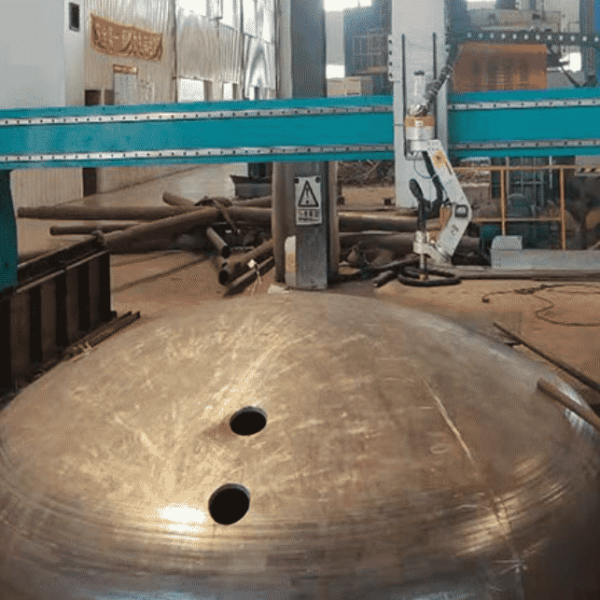
5 axis plasma cutting machine
-

LT360 tube laser cutting machine
-
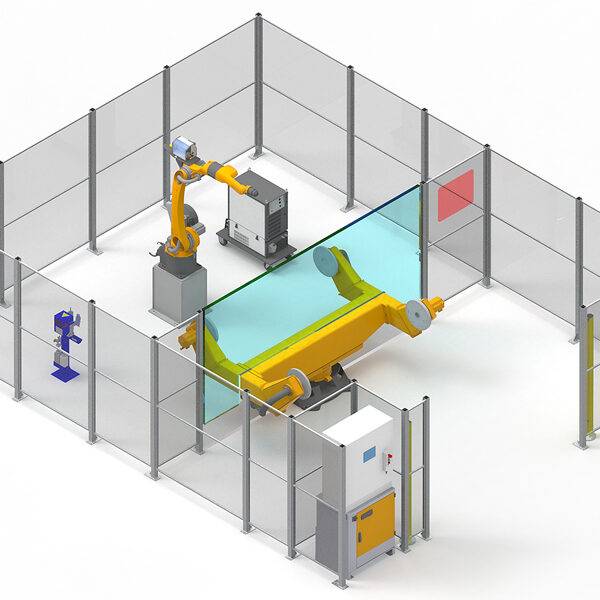
robot welding workstation
-
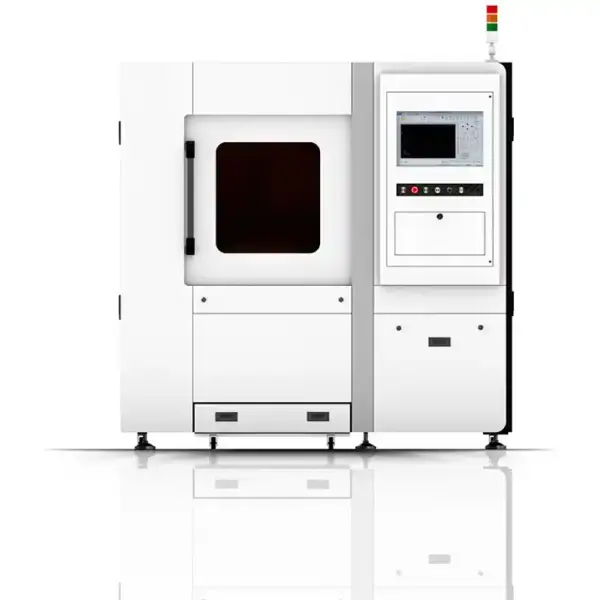
SF6060 fiber laser cutting machine
