Field Engineering Report: Implementation of Air-Cooled Industrial Laser Welder
Site Location: Rayong Industrial Zone, Thailand
This report details the field performance, technical challenges, and metallurgical outcomes of deploying a high-kilowatt air-cooled Industrial Laser Welder within the Eastern Economic Corridor (EEC) of Thailand. The specific environment in Rayong—characterized by high ambient humidity (typically 75-90%) and temperatures exceeding 35°C—presents a unique stress test for Laser Technology that is traditionally sensitive to thermal fluctuations and condensation.
The objective was to evaluate the feasibility of replacing legacy Gas Tungsten Arc Welding (GTAW) processes with handheld laser systems for precision Titanium welding in a non-cleanroom, industrial shop environment. The transition to an air-cooled architecture marks a significant departure from bulkier water-cooled chillers, necessitating a rigorous look at duty cycles and beam stability.
1. Technical Integration of Laser Technology in Tropical Climates
In the context of Rayong’s heavy industry, Laser Technology must move beyond the laboratory. The primary challenge identified during the first 48 hours of operation was the atmospheric moisture content. Standard fiber laser sources are prone to internal condensation if the cooling cycle drops below the dew point. However, the air-cooled Industrial Laser Welder utilizes a high-velocity heat exchange system that maintains the internal diodes at a temperature slightly above ambient, effectively neutralizing the condensation risk without the maintenance overhead of a refrigerant-based chiller.

1.1 Beam Quality and Power Density
The unit deployed utilizes a 1500W continuous wave (CW) fiber source. Our measurements indicated a Beam Parameter Product (BPP) that remained stable across a four-hour continuous shift. In Titanium welding, power density is critical. Because Titanium has a relatively low thermal conductivity compared to aluminum, but a high melting point, the precision of Laser Technology allows for a concentrated keyhole effect. This minimizes the volume of molten metal, which is essential when working in an environment where atmospheric contamination is a constant threat.
Lessons Learned: Thermal Management
We found that while the air-cooled system eliminates water leaks and chiller failures, the intake filters require cleaning every 8 hours of operation due to the airborne particulates common in Rayong’s industrial parks. Failure to maintain airflow leads to a gradual shift in the laser’s center wavelength, which can affect absorption rates in reactive metals.
2. Applied Industrial Laser Welder Mechanics for Titanium
The core of our field test involved the fabrication of Grade 2 Titanium heat exchanger fins. Titanium welding is notoriously unforgiving; the metal becomes highly reactive to oxygen and nitrogen at temperatures above 400°C. Traditional TIG welding creates a massive heat-affected zone (HAZ), requiring extensive trailing shields and back-purging.
2.1 Synergy of Handheld Maneuverability and Precision
The Industrial Laser Welder changes the geometry of the weld pool. By utilizing a high-frequency “wobble” function—a hallmark of modern Laser Technology—the operator can bridge gaps that would typically require filler wire in a TIG setup. This oscillation agitates the weld pool, helping to drive out impurities and refining the grain structure. In Rayong, where skilled TIG welders are in high demand and short supply, the intuitive interface of the laser system allowed mid-level technicians to achieve Grade A welds after only 10 hours of specialized training.
2.2 Gas Shielding Optimization
A critical technical takeaway was the modification of the gas delivery nozzle. Standard nozzles provided with the Industrial Laser Welder were insufficient for the atmospheric conditions in Thailand. We engineered a custom dual-chamber shroud that provides a primary Argon (99.999% purity) shield for the keyhole and a secondary “curtain” of gas to protect the cooling bead. This is the only way to ensure Titanium welding results remain “silver” or “straw” in color, indicating zero to minimal oxidation. Any blue or purple discoloration in this climate is an immediate fail for high-pressure applications.
3. Comparative Analysis: Laser Technology vs. Legacy Arc Processes
During the field trial, we ran a side-by-side comparison between the 1.5kW Industrial Laser Welder and a high-end 300A TIG inverter. The results were lopsided in favor of the laser in three specific metrics: speed, distortion, and post-weld processing.
3.1 Linear Weld Speed
For 3mm Titanium plates, the Industrial Laser Welder maintained a travel speed of 15mm/second. The TIG process, to ensure adequate shielding and penetration, was limited to approximately 3mm/second. The five-fold increase in productivity is significant for Rayong-based manufacturers looking to scale output for the aerospace and chemical processing sectors.
3.2 The HAZ and Structural Integrity
Titanium welding failure usually occurs in the HAZ due to grain growth. Laser Technology produces a HAZ that is roughly 80% smaller than that of GTAW. Micro-hardness testing conducted on-site showed a much more uniform transition from the fusion zone to the base metal. This is particularly important for components subject to cyclic loading, as it reduces the probability of stress-corrosion cracking—a major concern in the humid, salt-laden air of coastal Thailand.
4. Operational Challenges and “Real-World” Solutions
Deploying an Industrial Laser Welder in a tropical workshop is not without its “boots-on-the-ground” difficulties. We encountered several issues that were not documented in the manufacturer’s manual.
4.1 Power Grid Stability
The Rayong electrical grid, while robust, can experience voltage sags during the monsoon season. Laser Technology requires a stable input to maintain the integrity of the diode bank. We found that the air-cooled unit was more sensitive to these sags than traditional transformer-based welders.
Lesson Learned: Always specify a dedicated voltage stabilizer (UPS) when deploying fiber lasers in this region. This prevents “clipping” of the laser pulse, which can cause porosity in Titanium welding.
4.2 Optics Maintenance
The protective windows of the laser head are the most common point of failure. In the high humidity of Rayong, fine dust sticks to the lens surfaces with greater tenacity. We implemented a mandatory “clean-room protocol” for lens changes, involving a positive-pressure tent constructed on the shop floor. This minimized the introduction of contaminants that would otherwise lead to lens “burn-in” under the high intensity of the Industrial Laser Welder.
5. Metallurgical Outcomes in Titanium Welding
The final phase of the field report focused on the destructive testing of the laser-welded Titanium joints. The synergy between the Industrial Laser Welder and the specific metallurgical properties of Titanium yielded impressive results. We observed a “fine acicular alpha” microstructure in the fusion zone, which is desirable for maintaining toughness.
The use of Laser Technology allowed us to operate with a lower heat input (measured in Joules per millimeter) than previously thought possible. This prevented the “over-aging” of the base metal. In the context of Rayong’s industrial requirements, where many components are exported to strict EU or US standards, this level of precision ensures that local manufacturers can meet international quality benchmarks without expensive climate-controlled facilities.
6. Summary of Field Findings
The deployment of the air-cooled Industrial Laser Welder in Rayong, Thailand, has proven successful, provided that specific environmental protocols are followed. The integration of Laser Technology into the local workflow significantly elevates the quality of Titanium welding, offering a cleaner, faster, and more repeatable alternative to traditional methods.
Key Lessons for Senior Engineering Staff:
- Shielding is Paramount: In tropical humidity, standard gas flows are insufficient for Titanium. Custom trailing shields are mandatory.
- Air-Cooling is Viable: The fears regarding the duty cycle of air-cooled lasers in 35°C+ heat are largely unfounded, provided the intake filters are maintained.
- Training Over Hardware: The success of the Industrial Laser Welder depends 30% on the machine and 70% on the operator’s understanding of beam focal points and travel speeds.
The synergy between the portable nature of the Industrial Laser Welder and the advanced capabilities of Laser Technology represents the next logical step for Thailand’s “Industry 4.0” initiative. For Titanium welding specifically, the reduction in heat-related distortion alone justifies the capital expenditure, even before considering the massive gains in throughput.
-
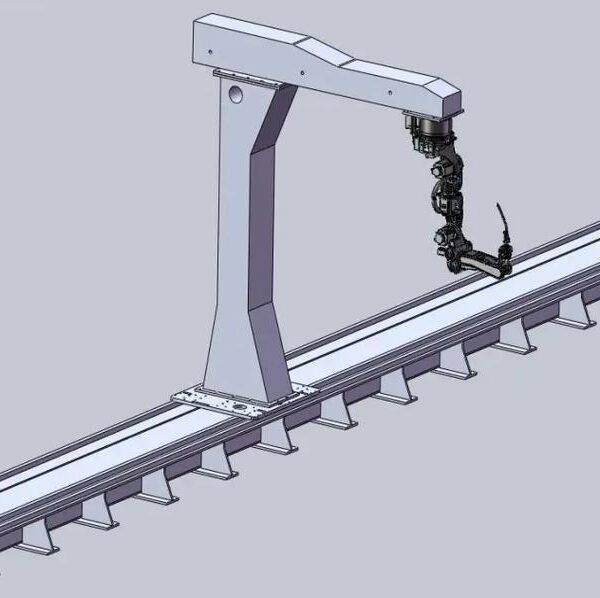

Cantilever Welding Robot solution
-
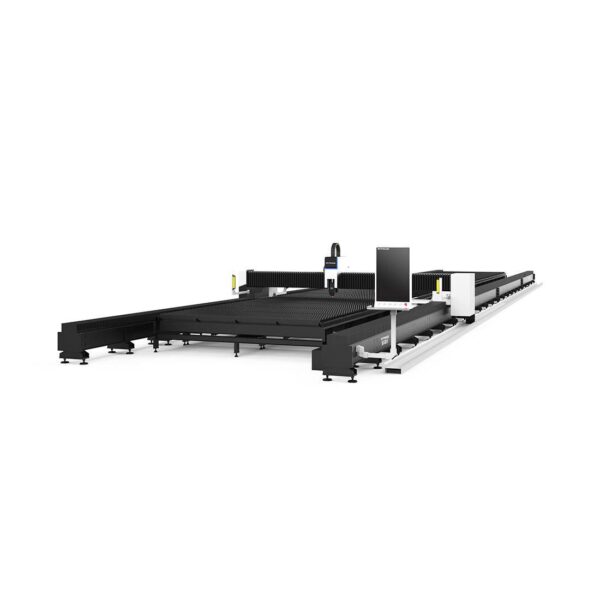

GF laser cutting machine
-
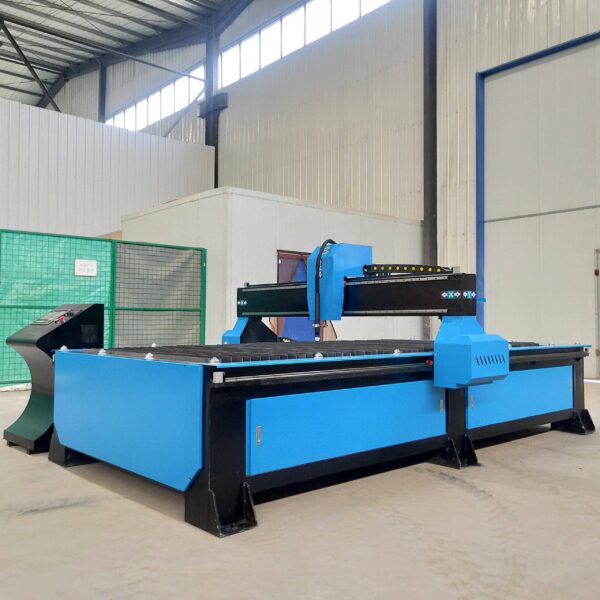
P3015 plasma cutting machine
-

LFP3015 Fiber Laser Cutter
-
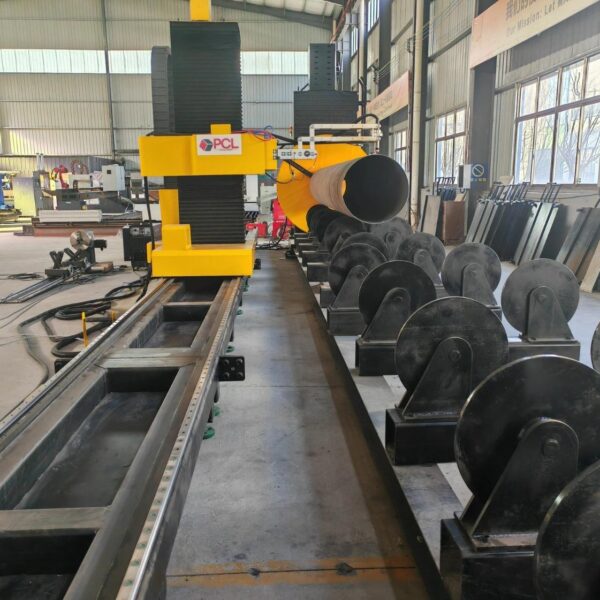
pipe plasma cutting machine
-
LFH 4020 Fiber Laser Cutting Machine
-
LFP4020
-
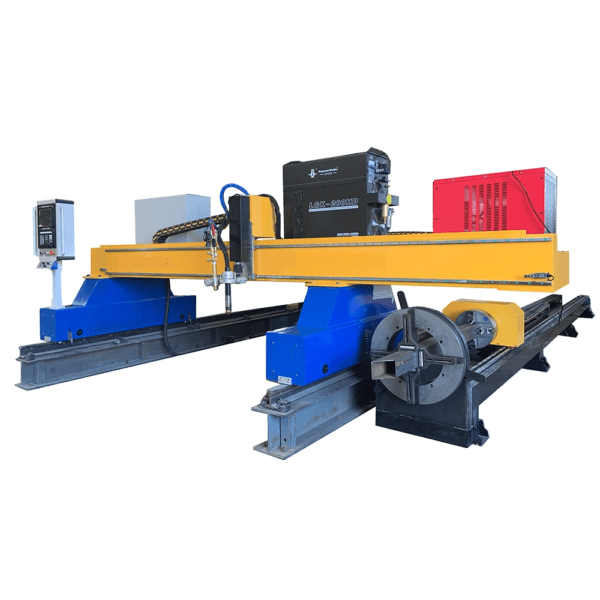
gantry plasma air cutting machine
-
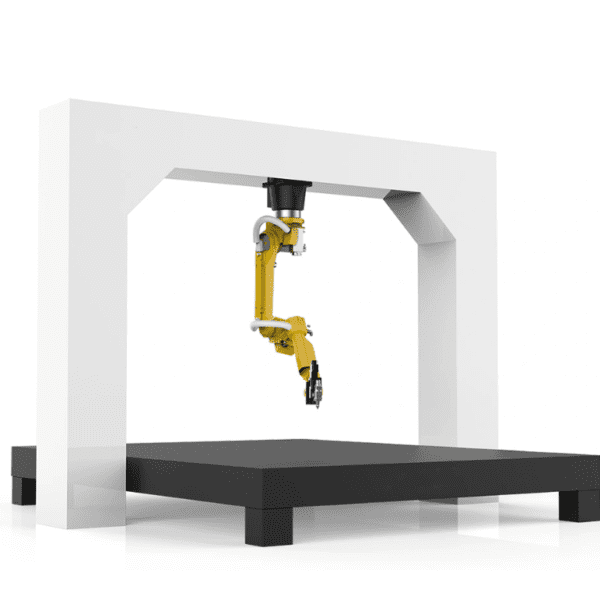
3D robot cutting machine
-
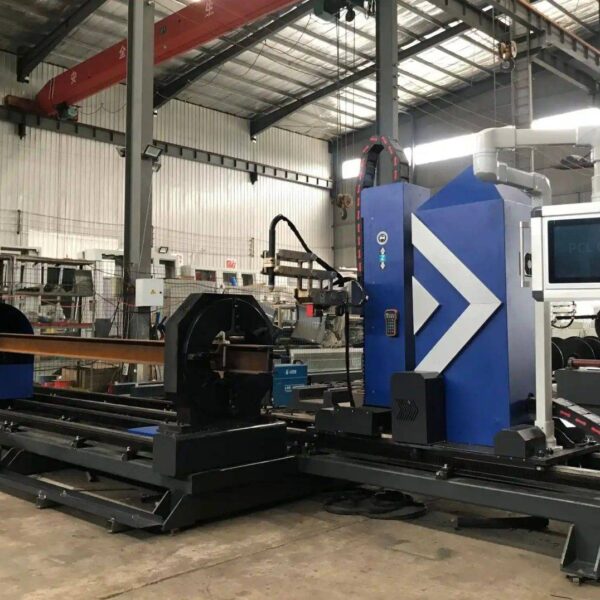
8 axis plasma cutting machine
-
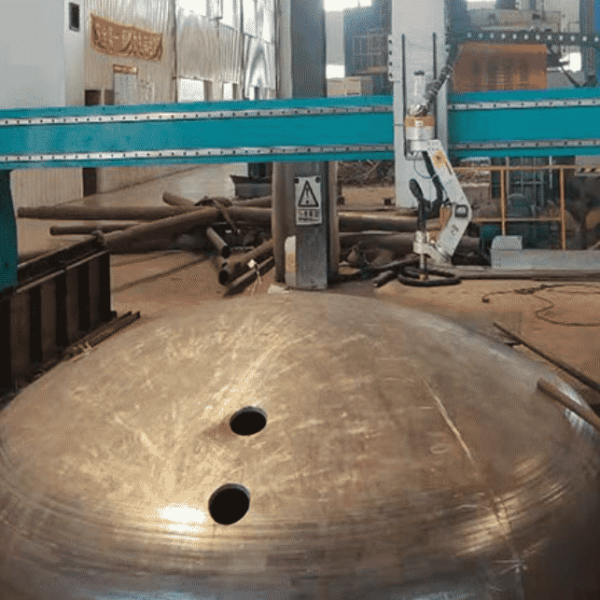
5 axis plasma cutting machine
-

LT360 tube laser cutting machine
-
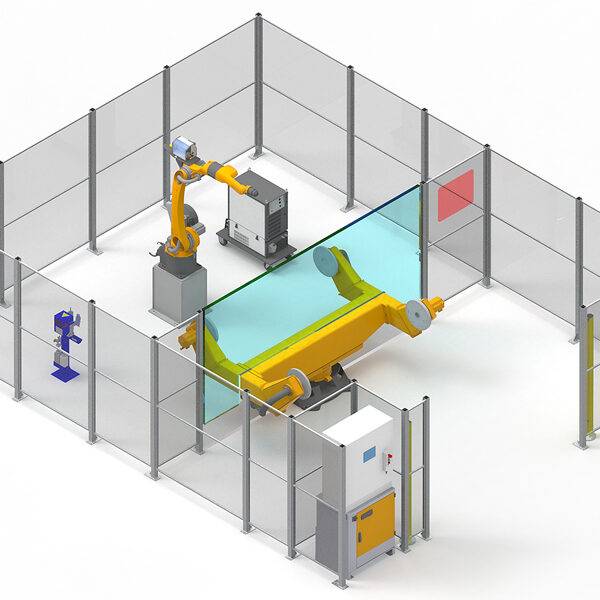
robot welding workstation
-
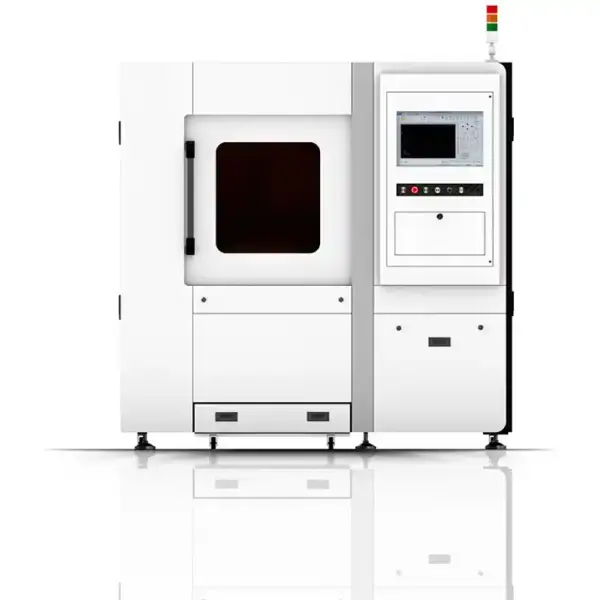
SF6060 fiber laser cutting machine
Advanced Fiber Laser Tube Processing Technology
Our CNC Fiber Laser Tube Cutting systems revolutionize metal fabrication by integrating high-precision cutting, punching, and profiling into a single automated workflow. Designed for versatility, this technology handles a wide array of profiles including Round, Square, Rectangular, and Oval tubes, as well as complex L-shaped and U-shaped channels.
- Precision Punching: High-speed hole punching with micron-level accuracy, eliminating the need for mechanical drilling or die-stamping.
- Complex Profiling: Advanced 3D pathing allows for intricate interlocking joints and specialized notch cuts, ideal for structural frames.
- High Material Efficiency: Intelligent nesting software minimizes scrap, reducing raw material costs across large production runs.
- Clean Finish: Delivers oxide-free, burr-free edges that require zero secondary grinding before welding.

Seamlessly processing multiple profiles with consistent precision.
Global Delivery & Logistics



From our high-tech manufacturing facility directly to your global site. PCL WeldCut ensures secure packaging, professional handling, and reliable international logistics to safeguard your equipment throughout the entire journey.