Field Engineering Report: Implementation of Air-Cooled Collaborative Robotics in Curitiba
1. Introduction and Site Context
This report outlines the technical deployment and performance evaluation of an integrated Cobot Welding Machine at a Tier-2 automotive supplier facility in the Cidade Industrial de Curitiba (CIC), Brazil. The primary objective was to transition a high-volume assembly line for structural brackets from manual GMAW (Gas Metal Arc Welding) to a semi-automated workflow leveraging Collaborative Robotics.
Curitiba presents a specific environmental profile—notably high ambient humidity and fluctuating seasonal temperatures—which significantly impacts wire storage and gas shielding stability. For this installation, we opted for an air-cooled system over a water-cooled variant to minimize the footprint and maintenance overhead in a workshop where floor space is at a premium. The focus of the evaluation remains on the consistent execution of Carbon Steel welding on 6.0mm ASTM A36 plates.
2. Hardware Configuration: The Cobot Welding Machine
The unit deployed is a 6-axis collaborative arm with a 10kg payload, integrated with a 400A pulse-capable power source. Unlike traditional industrial robots that require extensive light curtains and physical fencing, this Cobot Welding Machine relies on torque sensors in each joint to detect collisions, allowing the operator to work in the same envelope for part loading and unloading.
2.1 Air-Cooled vs. Water-Cooled Logic
In the Curitiba facility, the decision to use an air-cooled torch was driven by two factors:
1. **Maintenance Simplification:** Water chillers in this specific region often suffer from mineral buildup if the deionized water supply isn’t strictly monitored.
2. **Mobility:** The air-cooled unit is mounted on a heavy-duty caster base, allowing it to be moved between three different work cells.
The trade-off, however, is the duty cycle. At a 100% duty cycle, the torch is rated for 200A. Since our Carbon Steel welding procedures for 6mm plate required 240A-260A, we had to program specific cooling intervals and path optimizations to prevent contact tip premature wear.
3. Technical Synergy: Collaborative Robotics in the Workshop
The synergy between the Cobot Welding Machine and the local workforce in Curitiba defines the success of this implementation. Collaborative Robotics is not merely about the hardware; it is about the “lead-through” programming capability.
3.1 Operator Integration
The Curitiba welders, many with 15+ years of manual experience, were initially skeptical. However, the “teach-by-demonstration” feature allowed them to physically grab the torch head and move it to the start and end points of the weld. The Collaborative Robotics software then calculated the linear interpolation. This transformed the welder from a manual laborer into a “Cell Supervisor.” They now focus on fit-up quality and gas flow monitoring, while the cobot handles the repetitive, ergonomically taxing 500mm fillet welds.
3.2 Real-Time Path Adjustment
During the first week, we identified that the A36 carbon steel plates had a ±1.5mm variance in fit-up due to upstream stamping issues. By utilizing the cobot’s “Touch Sensing” routines, we programmed the machine to search for the plate edge before initiating the arc. This level of adaptability is where the Cobot Welding Machine outperforms legacy fixed automation in a “brownfield” factory setting like the one in CIC.
4. Carbon Steel Welding: Parameters and Metallurgy
The core of the operation is Carbon Steel welding using an ER70S-6 solid wire (1.2mm diameter). The shielding gas selected was a standard 80/20 Argon/CO2 mix, which provides a stable spray transfer mode at the required voltages.
4.1 Parameter Selection
To manage the heat input on the air-cooled torch, we utilized a pulsed-spray transfer.
– **Peak Current:** 320A
– **Background Current:** 140A
– **Frequency:** 120Hz
– **Travel Speed:** 35 cm/min
This configuration allowed for deep penetration into the 6mm carbon steel while keeping the average current low enough to protect the air-cooled torch neck. The pulsed mode also significantly reduced spatter—a critical requirement for this client to eliminate post-weld grinding.
4.2 Managing the “Curitiba Factor”
High humidity in Paraná can lead to hydrogen-induced cracking or porosity if the wire becomes contaminated. We implemented a heated wire enclosure on the Cobot Welding Machine to keep the spool dry. Furthermore, because carbon steel is prone to surface oxidation, we adjusted the pre-flow gas settings to 0.5 seconds to ensure the weld zone was fully inert before the arc strike.
5. Lessons Learned from the Field
After 300 hours of arc-on time, several technical lessons have surfaced regarding the use of Collaborative Robotics in a high-production environment.
5.1 Duty Cycle Realities
The primary “lesson learned” involves the air-cooled torch’s thermal limit. We found that after four consecutive 400mm welds, the contact tip temperature exceeded 250°C, leading to “burn-back” issues where the wire fuses to the tip.
*Solution:* We integrated a “Tool Center Point (TCP) Cleaning Station” that the cobot visits every five cycles. This station sprays anti-spatter and allows for a 15-second “air-cool” dwell time. This solved the wire feeding consistency issues.
5.2 Grounding Consistency
In many Curitiba workshops, the electrical grounding of the worktables is often overlooked. Collaborative Robotics hardware is sensitive to High-Frequency (HF) interference and “stray” currents. We had to install a dedicated copper busbar to the welding table to ensure the cobot’s control electronics didn’t experience signal noise during the high-amperage Carbon Steel welding phases.
5.3 Software vs. Reality
The “Easy Programming” marketed with many a Cobot Welding Machine is true for simple geometry. However, for Carbon Steel welding in multi-pass scenarios, the engineer must still manually override the travel angle (push vs. pull) to ensure proper tie-in at the toes of the weld. You cannot remove the welding engineer from the equation; the cobot simply makes the engineer’s intent more repeatable.
6. Productivity Gains and ROI
Prior to the implementation, the manual stations produced 42 units per shift with a 12% reject rate due to weld inconsistency. With the Cobot Welding Machine, production increased to 68 units per shift, and the reject rate dropped to 0.5%.
The Collaborative Robotics setup allowed for a “tandem” workflow: while the cobot welds on the left side of the table, the operator loads parts on the right side. The safety sensors ensure that if the operator reaches into the active welding zone, the robot slows to a “safe speed” (250mm/s) or stops entirely, satisfying the NR-12 safety standards prevalent in Brazilian industry.
7. Conclusion
The deployment in Curitiba confirms that an air-cooled Cobot Welding Machine is a viable solution for heavy-gauge Carbon Steel welding, provided that thermal management is integrated into the programming. The synergy achieved through Collaborative Robotics has not only improved throughput but has also upskilled the local workforce, moving them away from the arc and into process management roles. For future installations in the Paraná region, focus should remain on wire moisture control and robust grounding to ensure the longevity of the electronic components in the humid industrial climate.
Signed,
Senior Welding Engineer
Curitiba Field Office
-
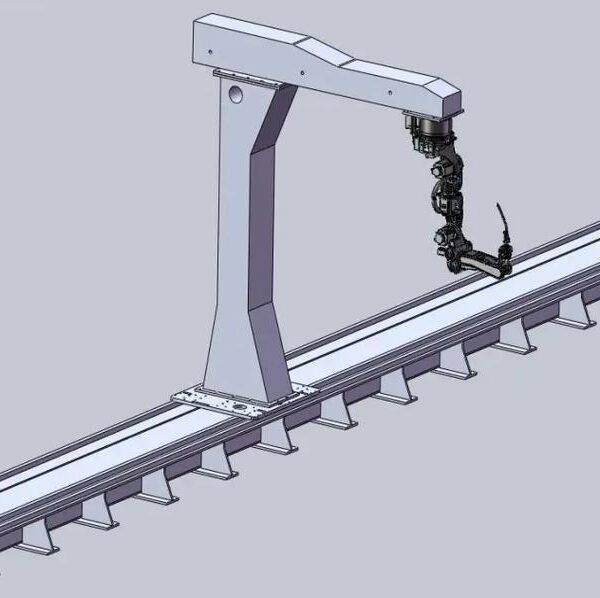

Cantilever Welding Robot solution
-
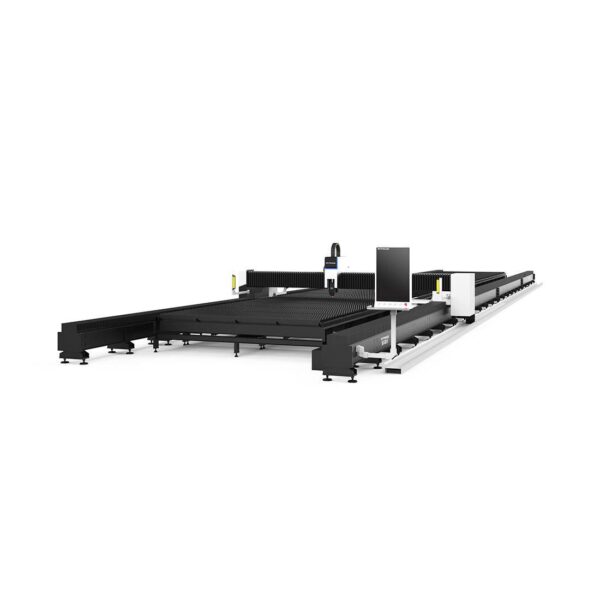

GF laser cutting machine
-
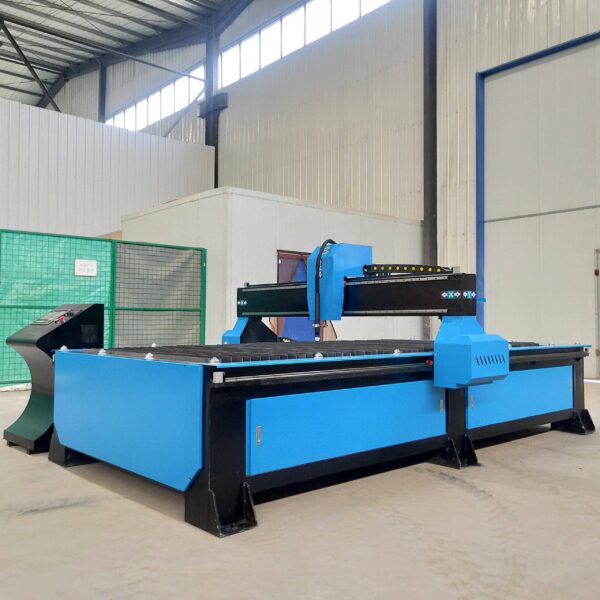
P3015 plasma cutting machine
-

LFP3015 Fiber Laser Cutter
-

pipe plasma cutting machine
-
LFH 4020 Fiber Laser Cutting Machine
-
LFP4020
-
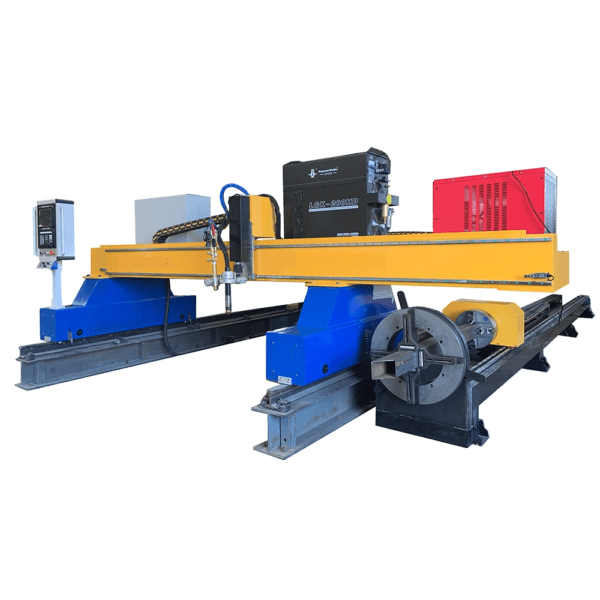
gantry plasma air cutting machine
-
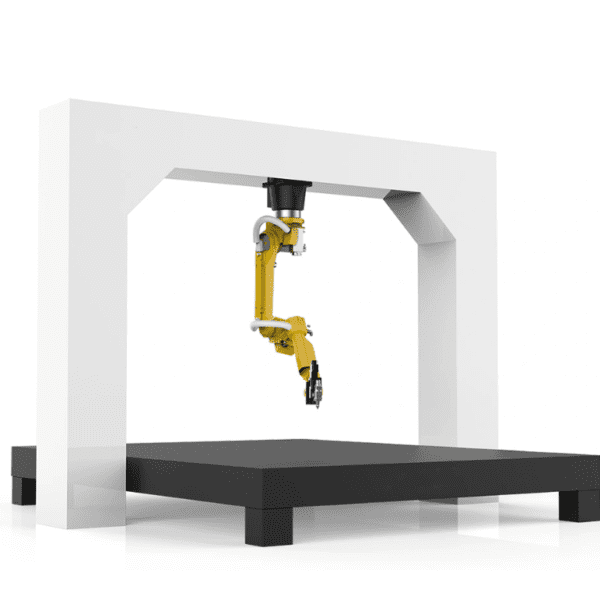
3D robot cutting machine
-
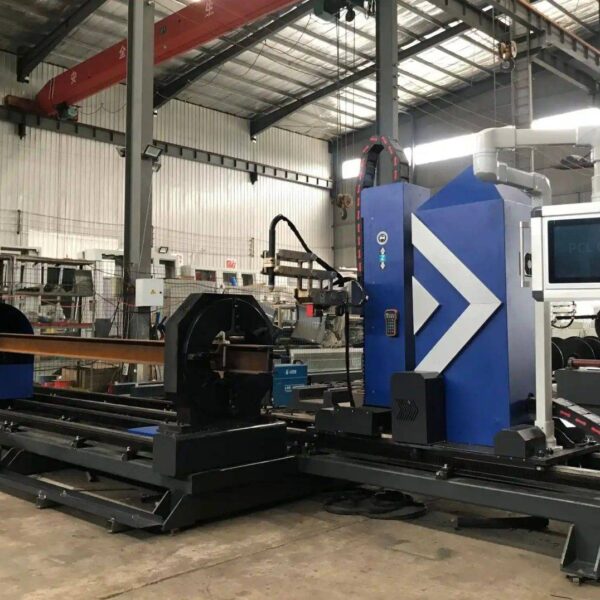
8 axis plasma cutting machine
-
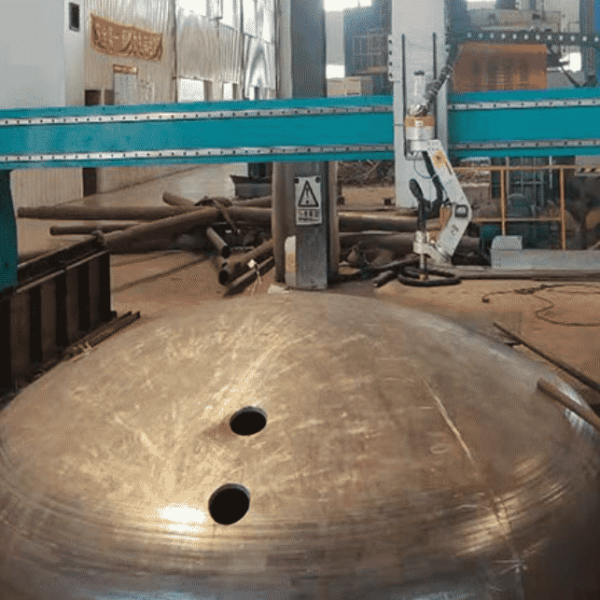
5 axis plasma cutting machine
-

LT360 tube laser cutting machine
-
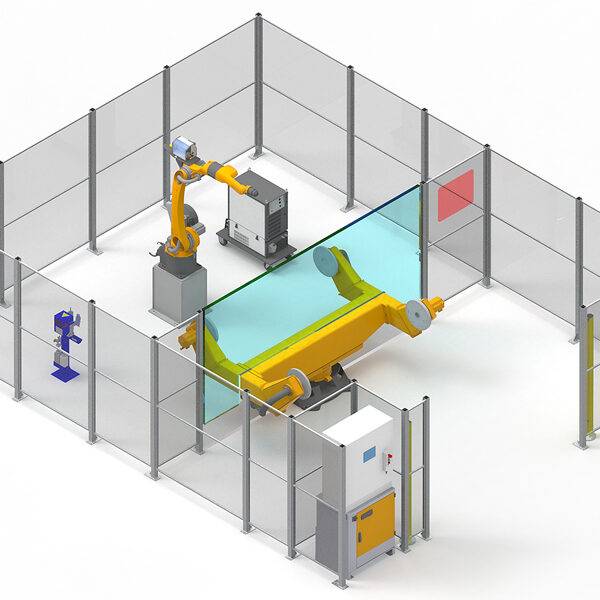
robot welding workstation
-
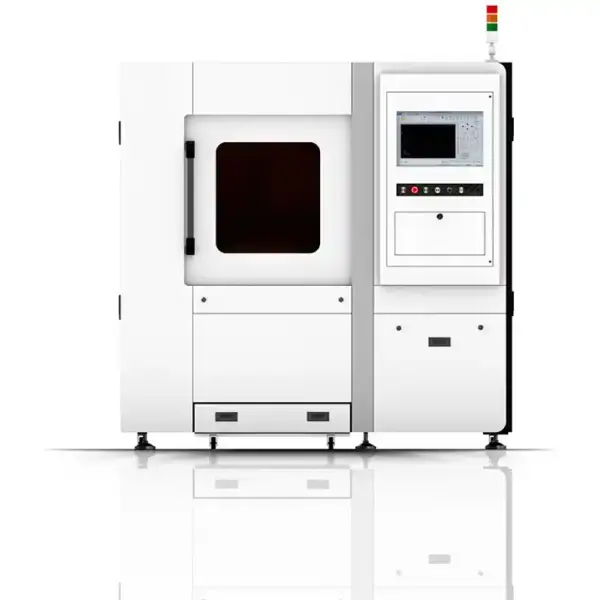
SF6060 fiber laser cutting machine
Advanced Fiber Laser Tube Processing Technology
Our CNC Fiber Laser Tube Cutting systems revolutionize metal fabrication by integrating high-precision cutting, punching, and profiling into a single automated workflow. Designed for versatility, this technology handles a wide array of profiles including Round, Square, Rectangular, and Oval tubes, as well as complex L-shaped and U-shaped channels.
- Precision Punching: High-speed hole punching with micron-level accuracy, eliminating the need for mechanical drilling or die-stamping.
- Complex Profiling: Advanced 3D pathing allows for intricate interlocking joints and specialized notch cuts, ideal for structural frames.
- High Material Efficiency: Intelligent nesting software minimizes scrap, reducing raw material costs across large production runs.
- Clean Finish: Delivers oxide-free, burr-free edges that require zero secondary grinding before welding.

Seamlessly processing multiple profiles with consistent precision.
Global Delivery & Logistics



From our high-tech manufacturing facility directly to your global site. PCL WeldCut ensures secure packaging, professional handling, and reliable international logistics to safeguard your equipment throughout the entire journey.