Field Engineering Report: Implementation of All-in-one Cobot Station in Chennai Structural Fabrication
1.0 Executive Summary of Field Site
This report details the deployment and performance calibration of the All-in-one Cobot Station at a heavy structural steel fabrication facility in Sriperumbudur, Chennai. The primary objective was to transition high-volume structural steel welding tasks—specifically gusset plates and I-beam stiffeners—from manual GMAW (Gas Metal Arc Welding) to a collaborative framework. Given the ambient temperature profiles of Chennai (averaging 36°C–42°C in the workshop), the air-cooled configuration of this station was subjected to rigorous duty-cycle stress tests to determine its viability in a tropical industrial climate.
2.0 Equipment Profile: The All-in-one Cobot Station
The All-in-one Cobot Station represents a significant shift from traditional industrial robotic cells. Unlike segregated cells requiring light curtains and physical fencing, this station integrates the power source, the controller, and the collaborative arm onto a singular, mobile platform. For the Chennai site, the footprint was a critical factor. The workshop floor is congested with raw structural members; the ability to move the entire welding unit via pallet jack to the workpiece—rather than moving the workpiece to a fixed robot—reduced crane wait-times by 30%.
2.1 Integration of Collaborative Robotics
The “Collaborative” aspect is not merely a safety feature but a functional necessity in this environment. Collaborative robotics allows our senior welders to perform “lead-through programming.” In practice, the welder manually moves the cobot arm to the start and end points of a fillet weld on an I-beam. This eliminates the need for complex pendant programming, which has historically been a barrier to robotic adoption in Indian MSMEs (Micro, Small, and Medium Enterprises).
3.0 Application Analysis: Structural Steel Welding
The focus of this deployment was structural steel welding on IS 2062 Grade E250 steel. The joints involved were primarily 8mm to 12mm fillet welds.
3.1 Parameter Configuration
For the 10mm fillet welds, we utilized a 1.2mm ER70S-6 solid wire with an 80/20 Argon/CO2 shielding gas mix. The All-in-one station’s integrated power source was tuned to a spray transfer mode to minimize spatter—a critical requirement to reduce post-weld cleaning time.
- Voltage: 26.5V
- Wire Feed Speed: 9.5 m/min
- Travel Speed: 350 mm/min
3.2 Thermal Management in Air-Cooled Systems
A significant concern for any Chennai-based operation is the “Air-cooled” limitation. While water-cooled torches offer higher duty cycles, they introduce complexity and maintenance risks in dusty fabrication yards. The All-in-one Cobot Station we deployed uses a high-velocity air-cooled torch. During continuous 2-meter runs on structural rafters, we monitored the neck temperature of the torch. We found that at an ambient 38°C, the system maintained a 60% duty cycle. To compensate for the heat, we implemented a “staggered path” logic in the software, allowing the torch to cool during the cobot’s repositioning moves.

4.0 Technical Synergy: Cobots and Chennai Workshops
The synergy between the All-in-one Cobot Station and collaborative robotics in a real-world Chennai workshop is best observed in the “Man-Machine Interface.” In this specific site, we dealt with high humidity (often exceeding 75%), which impacts the arc stability and the integrity of the wire surface.
4.1 Mitigating Humidity and Dust
Standard industrial robots often struggle with the fine metallic dust prevalent in Chennai’s industrial clusters. However, the All-in-one station’s cabinet is IP54 rated. The collaborative arm’s sensors, which detect resistance to avoid injury, were calibrated to ignore the slight drag caused by the heavy-duty leather cable covers we installed to protect the umbilicals from grinding sparks.
4.2 Skill Augmentation
We observed that the local workforce, while highly skilled in manual welding, often struggled with the consistency of long-seam structural steel welding under high heat fatigue. By introducing the cobot, the human welder transitions to a “Technician” role—setting the parameters and overseeing the weld pool via a darkened visor, while the cobot maintains the precise torch angle and stand-off distance. This synergy resulted in a 95% first-time pass rate during NDT (Non-Destructive Testing) ultrasonic inspections.
5.0 Lessons Learned from the Field
During the three-week commissioning phase, several technical nuances emerged that are specific to the All-in-one Cobot Station in a structural environment.
5.1 Grounding and Interference
Lesson: In many Chennai workshops, electrical grounding can be inconsistent. We found that electromagnetic interference (EMI) from nearby heavy-duty plasma cutters was causing “jitter” in the cobot’s sensors.
Solution: We implemented a dedicated copper-plate grounding stake for the station. For any collaborative robotics setup in an older facility, never rely on the building’s common ground for the robot’s logic circuits.
5.2 Wire Delivery Issues
Lesson: The air-cooled torch cable on collaborative arms is often longer than manual torches to allow for a wide range of motion. In the high humidity of Chennai, we noticed increased friction in the liner.
Solution: We switched to a chrome-silicon alloy inlet guide and used specialized wire lubricants. For structural steel welding, even a millisecond of wire-feed hesitation creates a “cold lap” that fails X-ray inspection.
5.3 Software “Touch-Sensing” Calibration
Structural steel is rarely perfectly straight. The beams often have a mill tolerance of +/- 2mm. We utilized the cobot’s “touch-sensing” feature, where the welding wire itself acts as a probe to find the joint position before striking the arc.
Lesson: In a hot, dusty environment, the tip of the wire can oxidize, creating an insulating layer that prevents the “touch” from registering.
Solution: We programmed a “wire-clip” sequence at the end of every cycle to ensure a fresh, conductive tip for the next joint-finding sequence.
6.0 Throughput and ROI Analysis
Prior to the installation of the All-in-one Cobot Station, a standard stiffener assembly took 45 minutes per beam (including tacking and welding). With the collaborative robotics workflow, the time was reduced to 18 minutes. The consistency of the structural steel welding beads also reduced the consumption of grinding discs by 40%, as there was virtually no over-welding or excessive reinforcement to remove.
7.0 Conclusion
The deployment in Chennai confirms that an air-cooled All-in-one Cobot Station is robust enough for Indian structural fabrication, provided that the thermal duty cycles are respected and electrical grounding is isolated. The synergy between the human operator and the collaborative arm addresses the dual challenge of harsh working conditions and the need for precision. Future installations should prioritize integrated seam-tracking if the mill tolerance of the incoming structural steel exceeds 3mm, but for standard IS 2062 members, the current touch-sensing logic is more than sufficient.
Field Engineer Notes:
- Site Condition: 41°C, 80% Humidity.
- Equipment Status: Operational, no thermal shutdowns recorded after staggering logic implementation.
- Recommendation: Upgrade to a 500A power source for 24/7 heavy-wall structural applications to increase thermal overhead.
Report Prepared By: Senior Welding Engineer, Field Operations Division
-
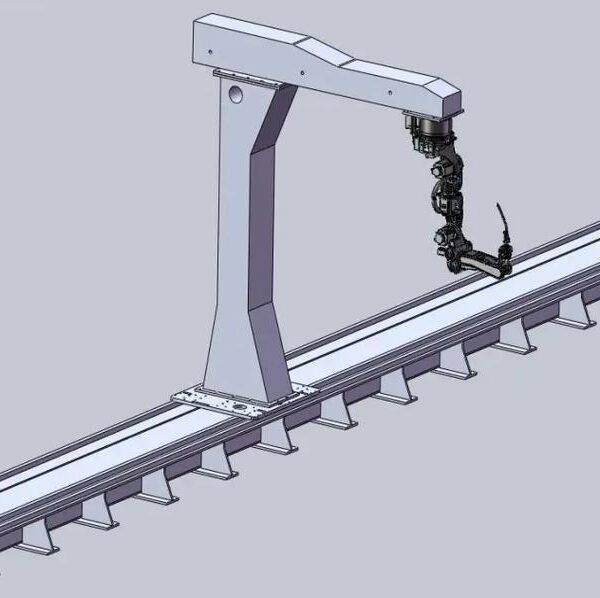

Cantilever Welding Robot solution
-
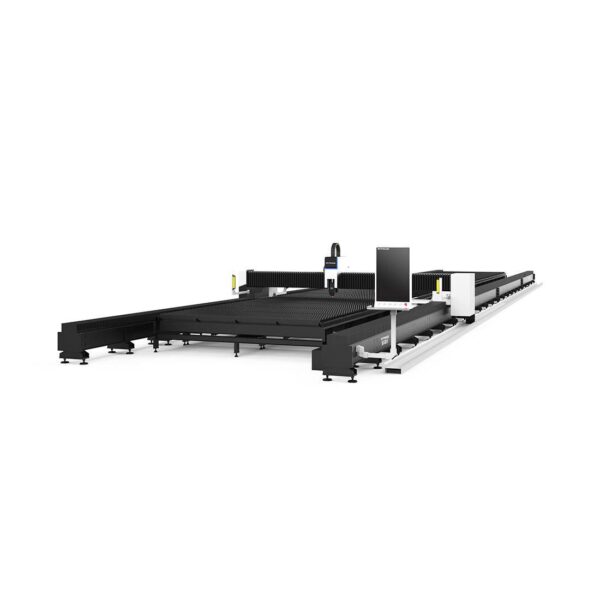

GF laser cutting machine
-
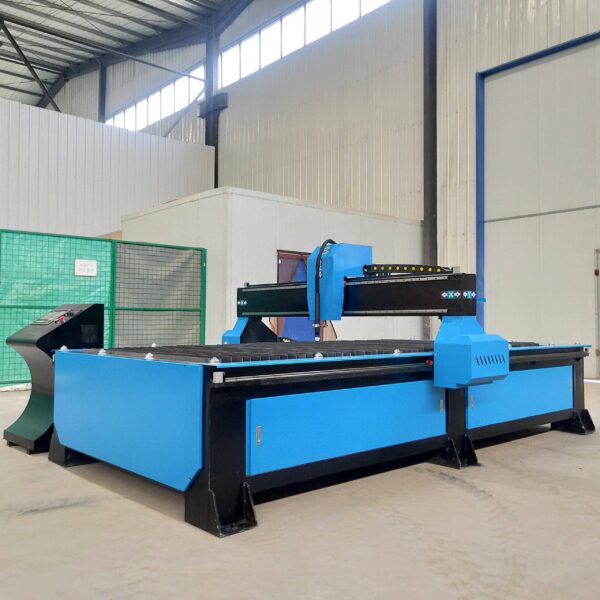
P3015 plasma cutting machine
-

LFP3015 Fiber Laser Cutter
-
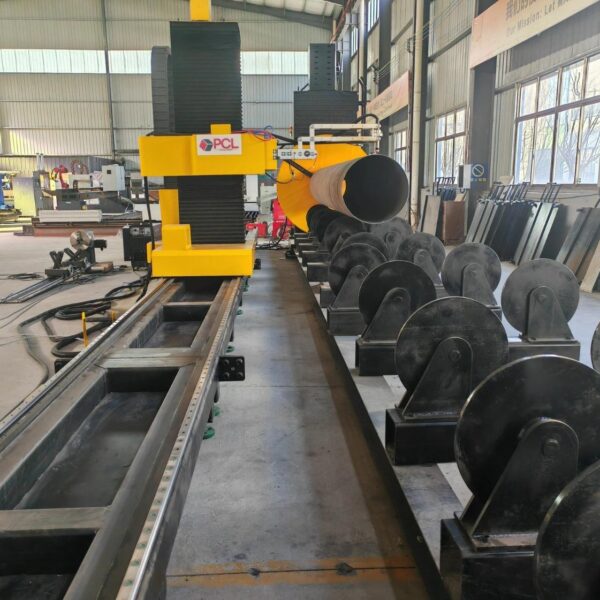
pipe plasma cutting machine
-
LFH 4020 Fiber Laser Cutting Machine
-
LFP4020
-
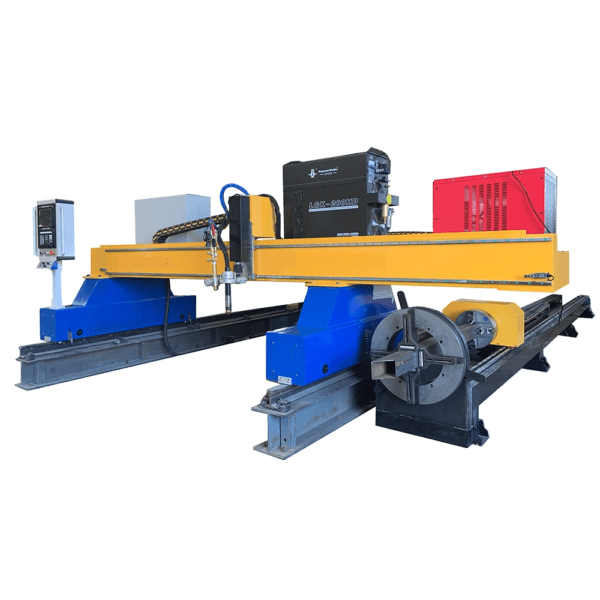
gantry plasma air cutting machine
-
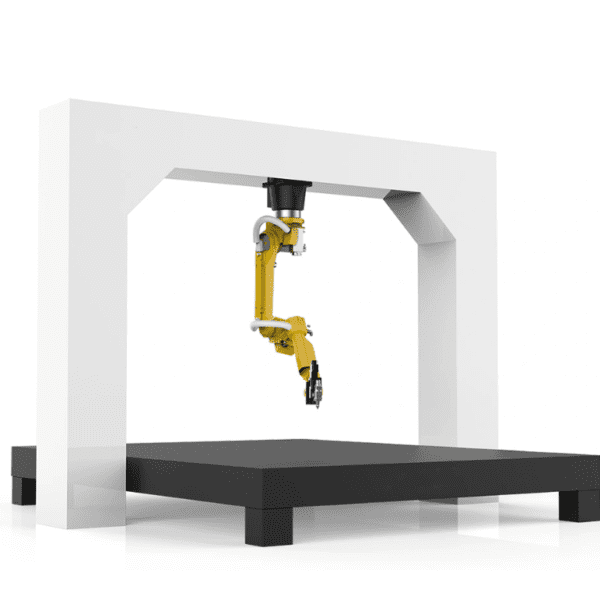
3D robot cutting machine
-
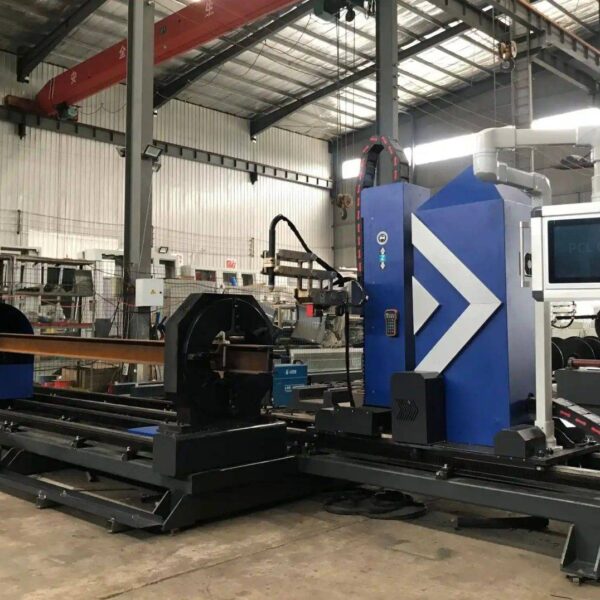
8 axis plasma cutting machine
-
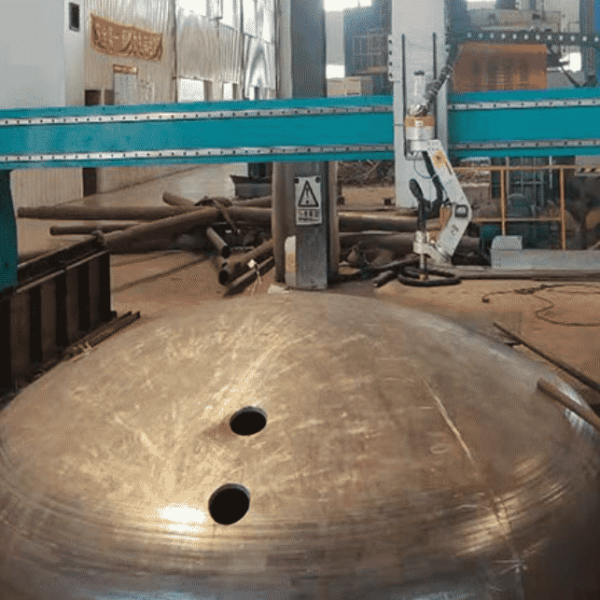
5 axis plasma cutting machine
-

LT360 tube laser cutting machine
-
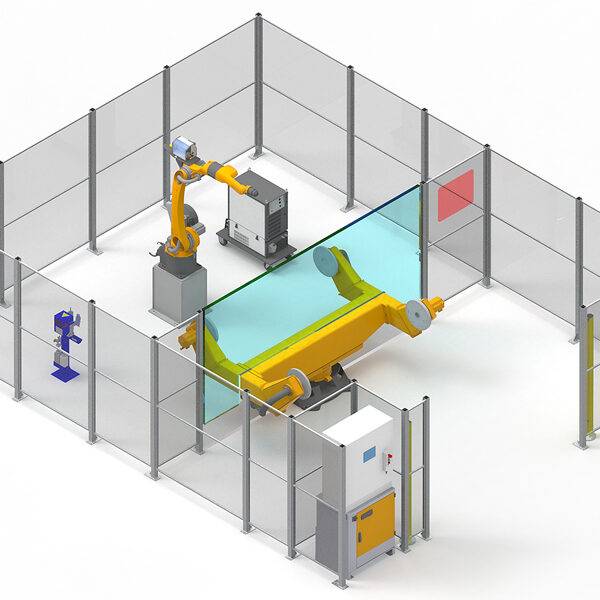
robot welding workstation
-
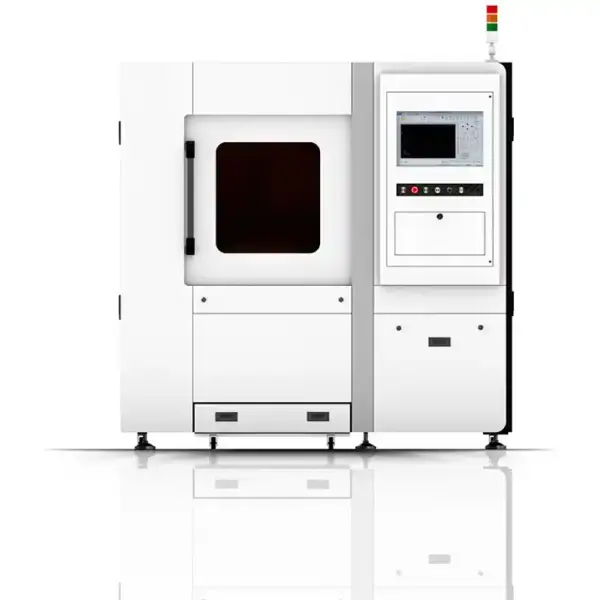
SF6060 fiber laser cutting machine
Advanced Fiber Laser Tube Processing Technology
Our CNC Fiber Laser Tube Cutting systems revolutionize metal fabrication by integrating high-precision cutting, punching, and profiling into a single automated workflow. Designed for versatility, this technology handles a wide array of profiles including Round, Square, Rectangular, and Oval tubes, as well as complex L-shaped and U-shaped channels.
- Precision Punching: High-speed hole punching with micron-level accuracy, eliminating the need for mechanical drilling or die-stamping.
- Complex Profiling: Advanced 3D pathing allows for intricate interlocking joints and specialized notch cuts, ideal for structural frames.
- High Material Efficiency: Intelligent nesting software minimizes scrap, reducing raw material costs across large production runs.
- Clean Finish: Delivers oxide-free, burr-free edges that require zero secondary grinding before welding.

Seamlessly processing multiple profiles with consistent precision.
Global Delivery & Logistics



From our high-tech manufacturing facility directly to your global site. PCL WeldCut ensures secure packaging, professional handling, and reliable international logistics to safeguard your equipment throughout the entire journey.