Field Engineering Report: Implementation of 6-Axis Collaborative Welding in Heavy Industry
This report details the deployment and performance evaluation of an air-cooled 6-Axis Collaborative Welder within a heavy-fabrication facility in Johannesburg, South Africa. The primary objective was to transition a significant portion of the facility’s thick plate steel welding from manual processes to Automated Welding to address throughput bottlenecks and consistency issues in structural mining components.
Site Conditions and Environmental Constraints
Johannesburg presents a unique set of variables for air-cooled automated systems. At an elevation of approximately 1,750 meters, the reduced air density directly impacts the convective cooling efficiency of the welding power source and the torch assembly. During the testing phase, we observed that the duty cycle of the air-cooled 6-Axis Collaborative Welder required a 15% de-rating compared to sea-level specifications to prevent thermal tripping during sustained multi-pass operations on 25mm carbon steel plates.
Furthermore, the local power grid stability necessitated the integration of high-capacity industrial surge protection and voltage regulation. Automated welding systems are sensitive to the voltage drops common in Gauteng’s industrial corridors; even a 5% fluctuation can lead to arc instability or logic errors in the cobot’s controller.
The Synergy of 6-Axis Kinematics and Automated Welding
The integration of a 6-Axis Collaborative Welder into a workshop environment traditionally dominated by manual stick and MIG welding represents a paradigm shift. The “6-axis” component is critical for the geometry of mining-grade structural components. Unlike 3-axis or 4-axis gantry systems, the 6-axis arm mimics the human wrist’s dexterity, allowing the torch to maintain a consistent work and travel angle throughout complex circular weldments and gusset reinforcements.

In this application, automated welding is not about replacing the welder but augmenting their capability. The synergy lies in “lead-through-teaching.” Our local artisans, who possess deep knowledge of weld pool behavior but perhaps limited coding experience, were able to manually move the cobot arm to define waypoints. This creates a bridge between traditional craftsmanship and high-tech thick plate steel welding.
Technical Deep-Dive: Thick Plate Steel Welding Applications
Joint Preparation and Root Pass Integrity
When dealing with thick plate steel welding (specifically Grade 350WA steel common in South Africa), joint preparation is unforgiving. We utilized a 60-degree V-groove preparation. The 6-Axis Collaborative Welder was programmed to execute a precise root pass using a short-circuit transfer mode to prevent burn-through, followed by multiple spray-transfer fill passes.
One lesson learned during the first week was the impact of “arc blow.” In heavy thick-plate sections, residual magnetism can deflect the arc. The cobot’s ability to maintain a consistent contact-to-work-distance (CTWD) of 15mm (+/- 0.5mm) was superior to manual intervention, which significantly reduced porosity in the root gap.
Heat Input Management
With thick plate steel welding, managing the Heat Affected Zone (HAZ) is paramount to prevent embrittlement. The automated welding parameters were locked at 28V and 240A for the fill passes. Because the 6-axis arm maintains a perfectly constant travel speed of 350mm/min, the heat input remained uniform at 1.15 kJ/mm. This level of precision is virtually impossible to maintain manually over an eight-hour shift, especially in the heat of a Johannesburg summer.
The Air-Cooled vs. Water-Cooled Debate in the Field
A frequent question in the South African context is why we opted for an air-cooled system over water-cooled for thick plate steel welding. The decision was driven by maintenance simplicity. Water-cooled systems require deionized water and are prone to algae growth and pump failures in dusty workshop environments. By utilizing a high-capacity air-cooled torch on our 6-Axis Collaborative Welder, we eliminated a common point of failure. However, this required the implementation of “inter-pass cooling intervals.” The automated welding sequence was programmed to pause for 120 seconds between passes to allow the torch and the base metal to stay within the 250°C inter-pass temperature limit.
Lessons Learned: Practical Field Observations
1. The “Grit and Dust” Factor
Johannesburg’s industrial sites are high-dust environments. We found that the cooling fans on the 6-Axis Collaborative Welder controller acted like vacuum cleaners for metallic dust. Lesson: We had to install replaceable HEPA-grade filters over the intake vents and implement a weekly compressed-air blow-out schedule. Failure to do so led to a control board overheat in week three.
2. Programming for “Real-World” Steel
Theoretical automated welding assumes perfect steel. In reality, the 20mm plates we received had slight warping. If we programmed the 6-Axis Collaborative Welder for a perfectly straight line, the wire would eventually miss the groove. Lesson: We integrated a simple “touch-sense” routine where the cobot uses the welding wire to find the plate’s actual position before striking the arc. This “find and weld” logic is essential for thick plate steel welding where material tolerances vary.
3. Safety and Collaboration
The “collaborative” nature of the welder was tested daily. In the Johannesburg shop floor, space is often at a premium. The cobot’s force-sensing meant we didn’t need expensive safety light curtains or cages. When a technician accidentally bumped the arm, the system performed a Category 0 stop. This allowed the automated welding process to exist right next to the grinding and prep stations, optimizing the floor layout.
Metallurgical Results and Quality Assurance
Non-Destructive Testing (NDT) results were conducted on 50 samples of the thick plate steel welding joints. The 6-Axis Collaborative Welder produced a 98% pass rate on first-instance Ultrasonic Testing (UT). The 2% failure rate was attributed to mill scale contamination, not robotic error. In comparison, the manual welding baseline for the same parts had a 12% repair rate, primarily due to slag inclusions and inconsistent penetration at the end of long runs where operator fatigue became a factor.
Economic Impact on the Johannesburg Facility
The implementation of automated welding via the 6-axis system resulted in a 40% increase in “arc-on time.” In a standard 8-hour shift, a manual welder typically achieves 2.5 to 3 hours of actual welding due to setup, fatigue, and positioning. The 6-Axis Collaborative Welder maintained 5.5 hours of arc-on time. Given the high cost of consumables and electricity in South Africa, the reduction in rework and the stabilization of the production schedule provided a projected ROI of 14 months.
Concluding Technical Summary
The deployment of an air-cooled 6-Axis Collaborative Welder in a Johannesburg workshop confirms that automated welding is viable for thick plate steel welding, provided that environmental factors like altitude and power stability are engineered into the solution. The 6-axis movement provides the necessary torch dexterity for heavy industrial geometry, while the collaborative software allows for rapid deployment by local staff. Moving forward, we recommend the standardization of voltage stabilizers for all Gauteng-based robotic installs and the mandatory use of touch-sensing for all plates exceeding 15mm in thickness to account for material variance.
Final Specification Checklist for Future Deployments:
- Power: 380V 3-Phase with minimum 10kVA surge protection.
- Gas: 82% Argon / 18% CO2 for optimal penetration on 350WA steel.
- Cooling: Air-cooled torch with de-rated duty cycle for 1700m+ AMSL.
- Software: Touch-sense and seam-tracking enabled for multi-pass thick plate.
-
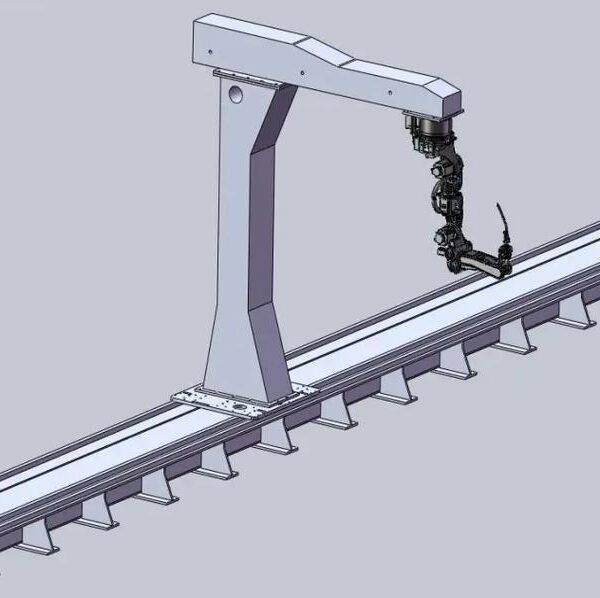

Cantilever Welding Robot solution
-
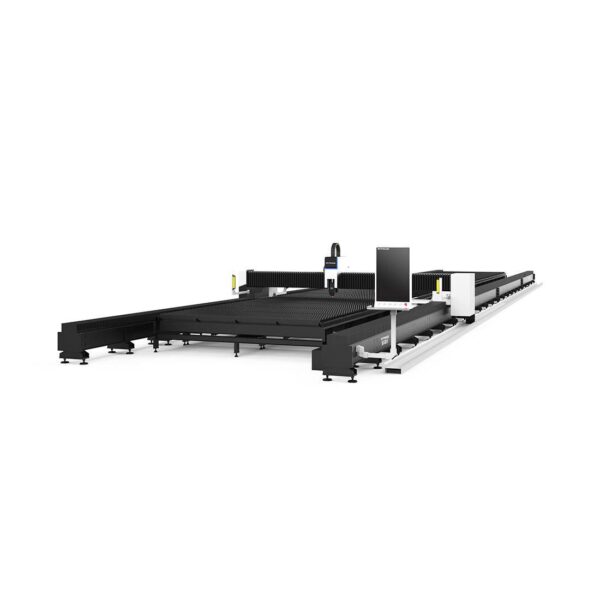

GF laser cutting machine
-
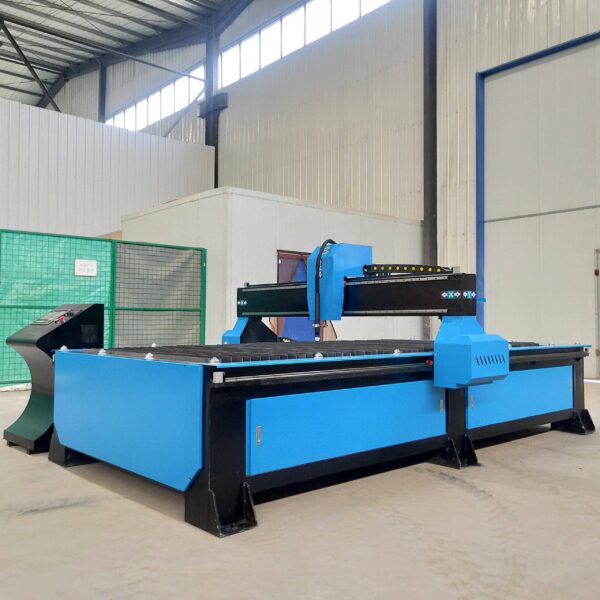
P3015 plasma cutting machine
-

LFP3015 Fiber Laser Cutter
-
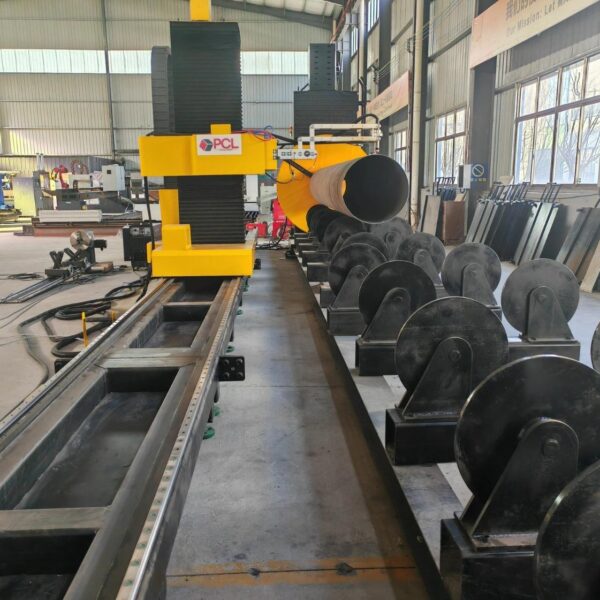
pipe plasma cutting machine
-
LFH 4020 Fiber Laser Cutting Machine
-
LFP4020
-
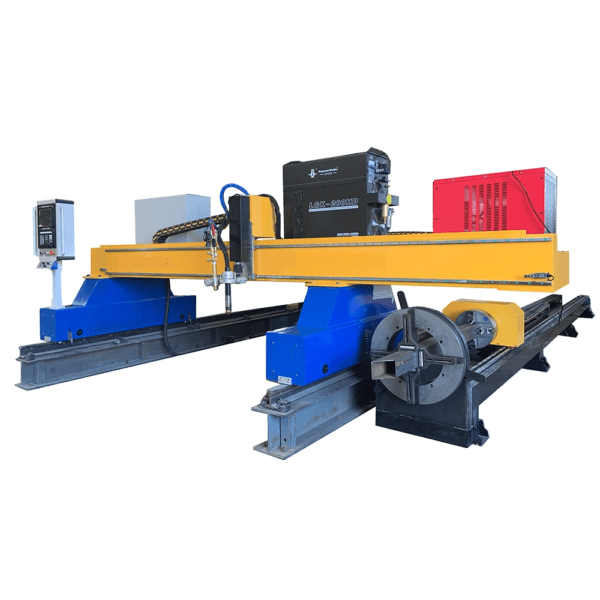
gantry plasma air cutting machine
-
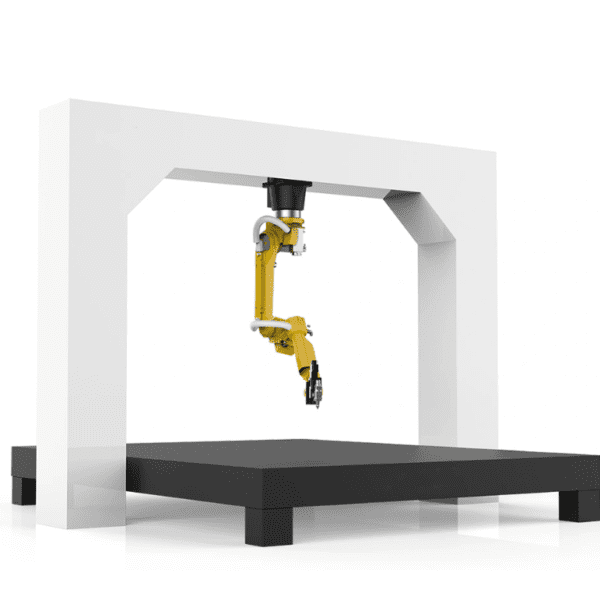
3D robot cutting machine
-
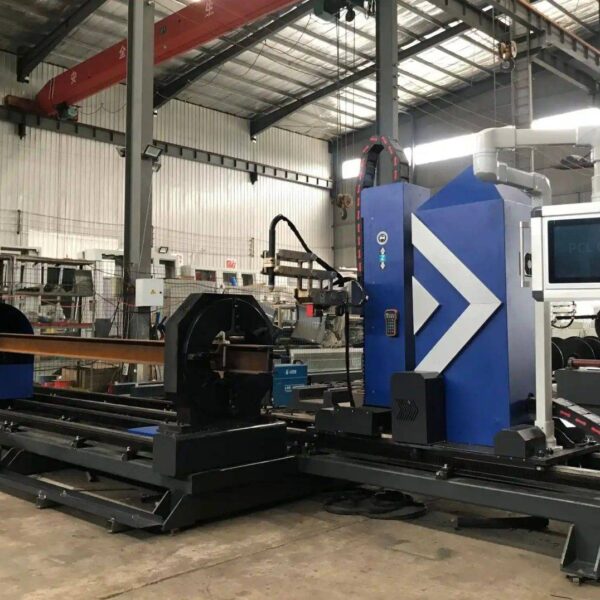
8 axis plasma cutting machine
-
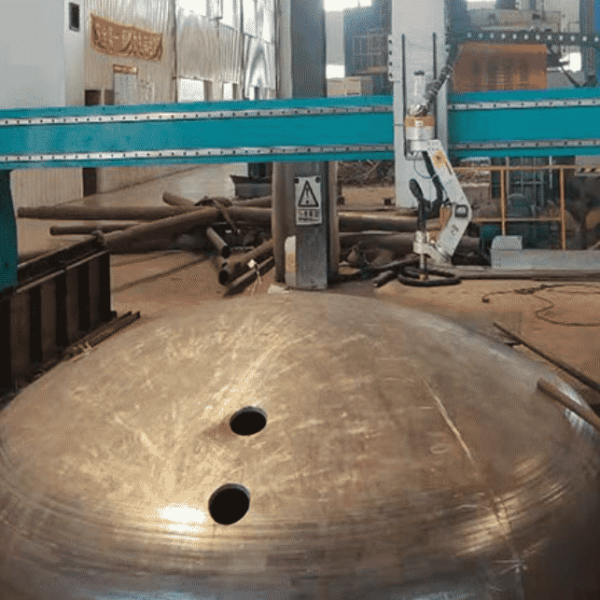
5 axis plasma cutting machine
-

LT360 tube laser cutting machine
-
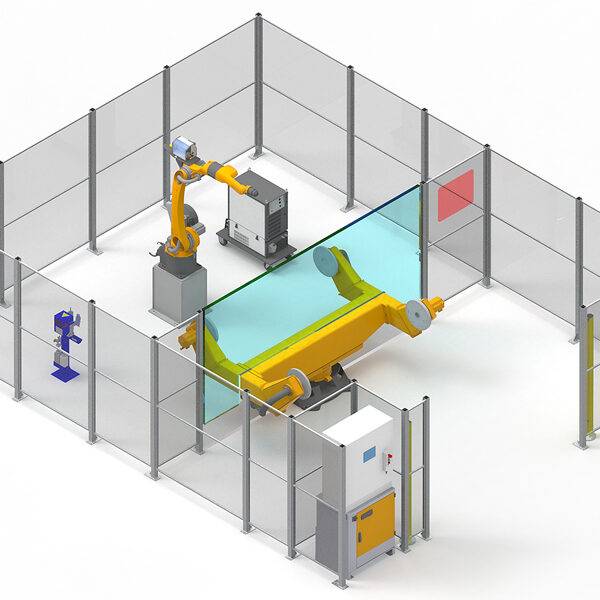
robot welding workstation
-
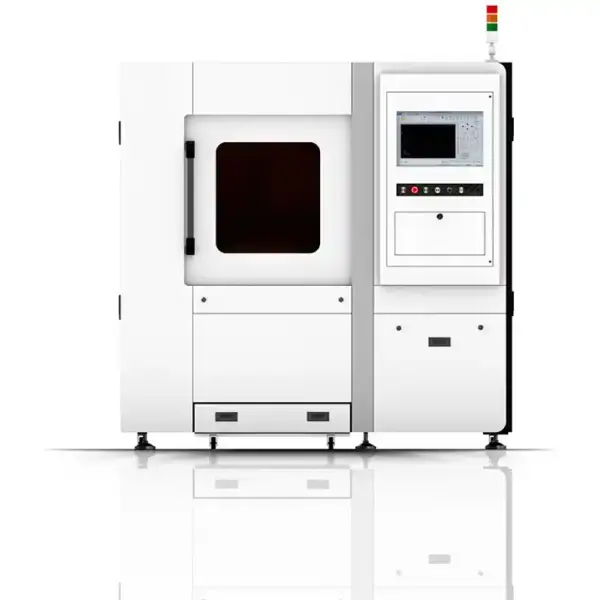
SF6060 fiber laser cutting machine
