Field Evaluation Report: Implementation of 3000W Industrial Laser Welder in Southern Ontario
1.0 Introduction and Site Overview
This report summarizes the three-month commissioning and operational assessment of a 3000W Industrial Laser Welder within a Tier-2 stainless steel fabrication facility located in Kitchener-Waterloo, Ontario. As the manufacturing sector in Ontario shifts toward higher precision and faster turnaround times to compete with global markets, the adoption of high-power Laser Technology has moved from a “luxury” to a “production necessity.”
The primary objective of this installation was to replace legacy GTAW (TIG) stations used for Stainless Steel welding of food-grade pressure vessels and custom enclosures. The facility operates in a typical Southern Ontario industrial environment, meaning the equipment must contend with significant seasonal humidity fluctuations and a 60Hz power grid that requires robust stabilization for sensitive electronics.
2.0 Technical Specifications of the Industrial Laser Welder
The unit under review is a fiber-sourced 3000W Industrial Laser Welder. Unlike the lower-wattage 1kW or 1.5kW units common in light hobbyist shops, the 3kW threshold allows for a significant increase in the “keyhole” welding capability, particularly on thicker gauges.
2.1 Beam Delivery and Fiber Source
The system utilizes a 50-micron transport fiber, delivering a high-energy density beam to the workpiece. The synergy between the hardware of an Industrial Laser Welder and the underlying Laser Technology is most evident in the beam’s “wobble” functionality. By oscillating the beam at frequencies up to 280Hz, we were able to compensate for the notoriously tight fit-up tolerances usually required for laser applications.
2.2 Cooling and Environmental Stability
In Ontario’s peak summer months, ambient shop temperatures often exceed 30°C with high humidity. The dual-circuit chiller integrated into this system is critical. One circuit cools the laser source while the other cools the delivery head. We observed that any deviation in coolant temperature resulted in immediate beam instability, emphasizing that “Industrial” grade means more than just power—it means environmental resilience.
3.0 Practical Application: Stainless Steel Welding Parameters
The core of our testing focused on Stainless Steel welding, specifically grades 304L and 316L ranging from 1.5mm to 6.0mm in thickness. Stainless steel is an ideal candidate for Laser Technology due to its relatively low thermal conductivity and high thermal expansion coefficient.
3.1 Heat-Affected Zone (HAZ) Reduction
One of the most significant “lessons learned” during this field trial was the drastic reduction in the Heat-Affected Zone. In traditional TIG welding, the wide thermal profile often leads to “oil-canning” or warping on thin-gauge stainless panels. With the 3000W Industrial Laser Welder, the energy is so concentrated that the material reaches its melting point and solidifies before the heat can propagate into the surrounding base metal.
We recorded a 75% reduction in post-weld straightening labor. For an Ontario shop paying competitive journeyman wages, this reduction in rework is the primary driver for the ROI of the equipment.
3.2 Shielding Gas Dynamics
During Stainless Steel welding, we experimented with various gas mixtures. While pure Argon is the standard, we found that for high-speed 3kW applications, a slight increase in flow rate (up to 20L/min) was necessary to prevent atmospheric contamination at the trailing edge of the weld pool. Because the laser moves so much faster than an arc, the gas lens must provide a longer “blanket” of protection.
4.0 Synergy Between Hardware and Advanced Laser Technology
The success of this deployment relies on the synergy between the physical Industrial Laser Welder (the power source, the chiller, the wire feeder) and the Laser Technology (the software, the pulse modulation, the beam optics).
4.1 Pulse Modulation and Frequency
By utilizing the pulse modulation features of the 3kW source, we were able to weld 6.0mm 316L stainless plate with full penetration in a single pass at 1.2 meters per minute. This would typically require a multi-pass V-groove preparation in a TIG environment. The Laser Technology allows us to “tune” the peak power to punch through the material while maintaining a lower average power to prevent burn-through.
4.2 Digital Integration in the Ontario Context
Many Ontario shops are currently facing a “skills gap.” The digital interface of a modern Industrial Laser Welder allows us to save “recipes.” A senior welding engineer can dial in the parameters for a specific Stainless Steel welding job, and a less-experienced operator can execute the weld with high repeatability. This democratization of high-quality welding is the direct result of the evolution in Laser Technology.
5.0 Lessons Learned and Field Observations
Transitioning to a 3000W system is not a “plug-and-play” process. It requires a fundamental shift in shop floor philosophy.
5.1 The Fit-Up Requirement
The biggest hurdle we faced was the precision of the upstream processes. Laser Technology is unforgiving. While a TIG welder can “fill a gap” with a filler rod, the Industrial Laser Welder requires tight tolerances (typically <10% of the material thickness). We had to recalibrate our CNC fiber laser cutter and our press brake to ensure the edges were perfectly square and the gaps were minimized. If the fit-up isn't right, the laser will simply pass through the gap without joining the metal.
5.2 Safety and Compliance (OHSA and CSA)
In Ontario, the Ministry of Labour takes Class 4 laser safety very seriously. We had to construct a dedicated “Laser Zone” with interlocked doors and light-tight enclosures. Standard welding curtains are insufficient for a 1070nm wavelength beam. The reflection off Stainless Steel welding surfaces can be specular and extremely dangerous to eyesight even at long distances.
5.3 Maintenance of Optics
The protective lens (cover glass) is a consumable that requires daily inspection. In a busy shop environment, dust is the enemy. We learned that even a single speck of dust on the lens will absorb the 3000W of energy, heat up, and crack the glass, potentially damaging the expensive focusing lenses above it. Cleanliness protocols are now mandatory.
6.0 Productivity and Economic Impact
The data gathered over 90 days shows a 400% increase in throughput for our standard stainless enclosure line.
- TIG Welding: 12 minutes per unit (including prep and cleaning).
- Industrial Laser Welder: 2.5 minutes per unit (minimal cleaning required).
Because Laser Technology produces a weld that is often “bright” and free of heavy oxidation, the need for chemical pickling or aggressive wire brushing is nearly eliminated. This is a secondary cost saving that is often overlooked in initial estimates but is vital for Ontario shops concerned with environmental regulations regarding pickling acid disposal.
7.0 Conclusion
The deployment of the 3000W Industrial Laser Welder in our Ontario facility has proven that high-power Laser Technology is the most effective path forward for high-volume Stainless Steel welding. The synergy between the machine’s raw power and its sophisticated control systems allows for a level of precision and speed that traditional arc welding cannot match.
However, success depends on the engineer’s ability to manage the “surroundings” of the laser: the fit-up, the gas flow, and the safety protocols. For any senior engineer looking to make this transition, the focus must remain on the upstream quality of the parts. If you give the laser a perfect joint, it will give you a perfect weld every single time.
Report Prepared By:
Senior Welding Engineer, Field Operations
Ontario, Canada
-
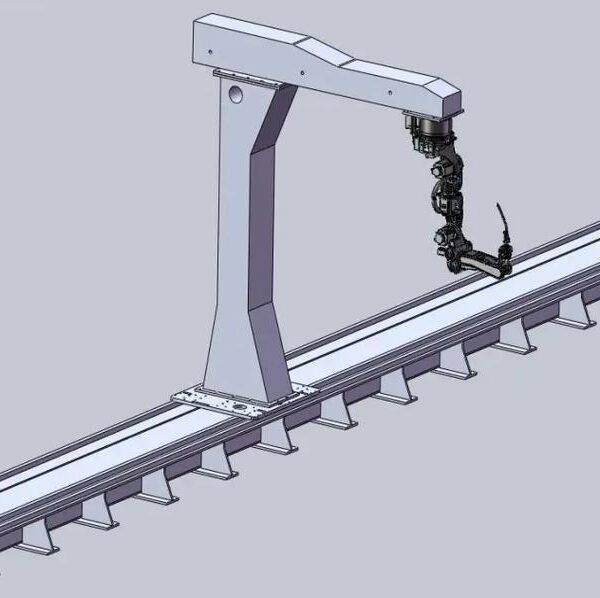

Cantilever Welding Robot solution
-
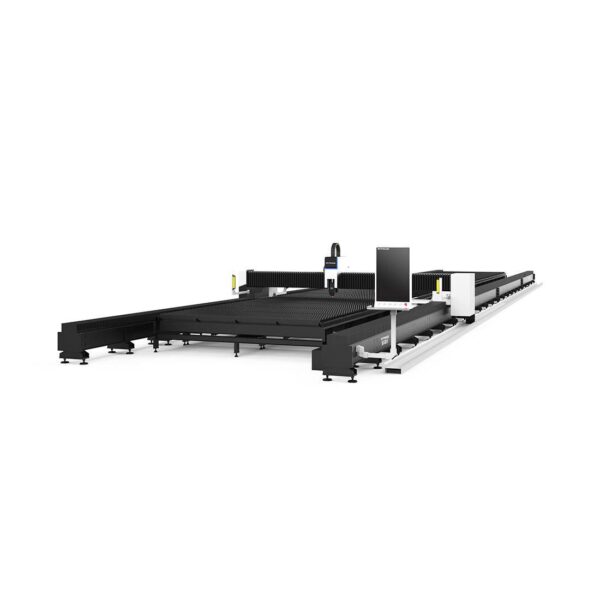

GF laser cutting machine
-
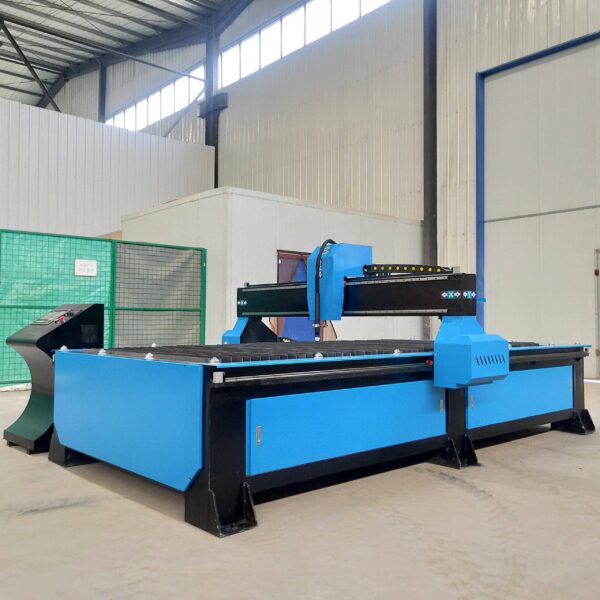
P3015 plasma cutting machine
-

LFP3015 Fiber Laser Cutter
-
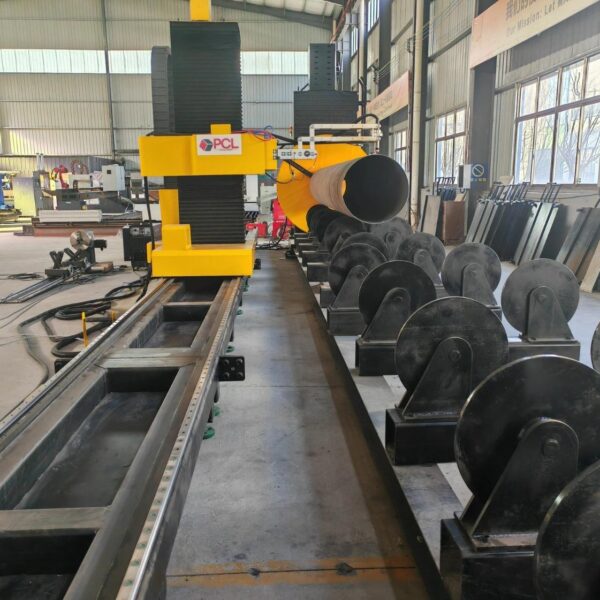
pipe plasma cutting machine
-
LFH 4020 Fiber Laser Cutting Machine
-
LFP4020
-
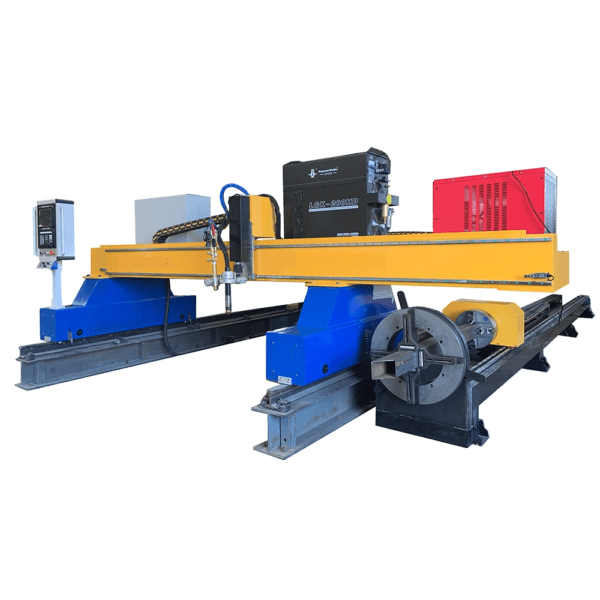
gantry plasma air cutting machine
-
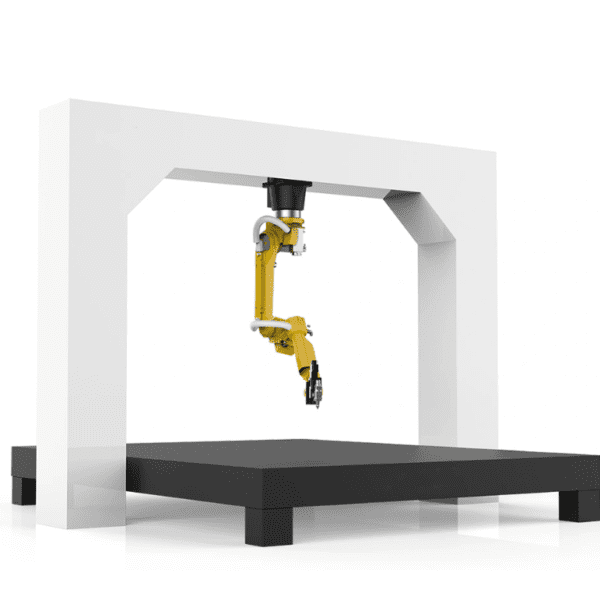
3D robot cutting machine
-
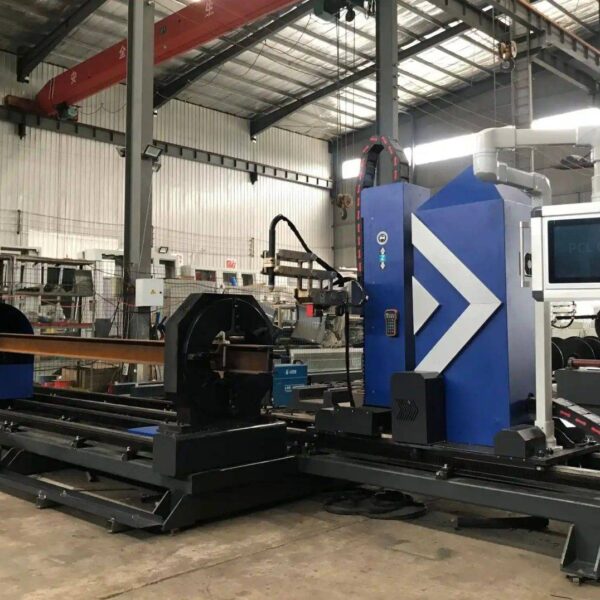
8 axis plasma cutting machine
-
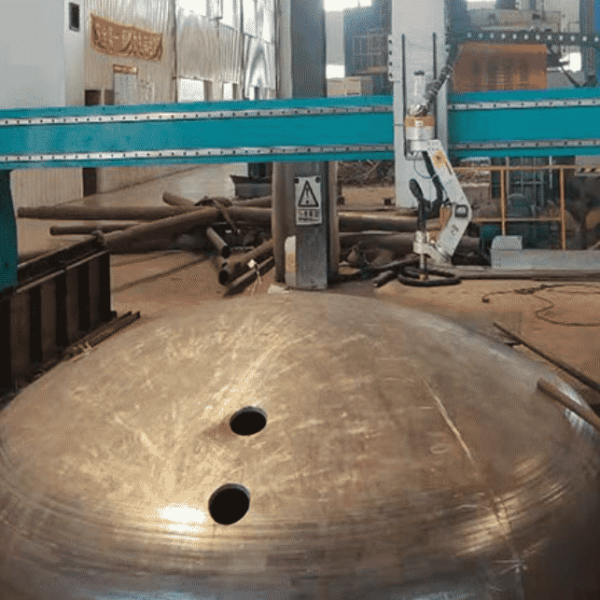
5 axis plasma cutting machine
-

LT360 tube laser cutting machine
-
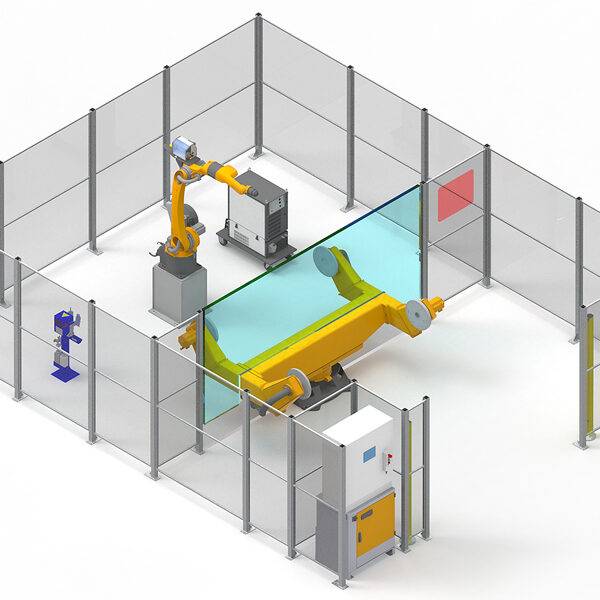
robot welding workstation
-
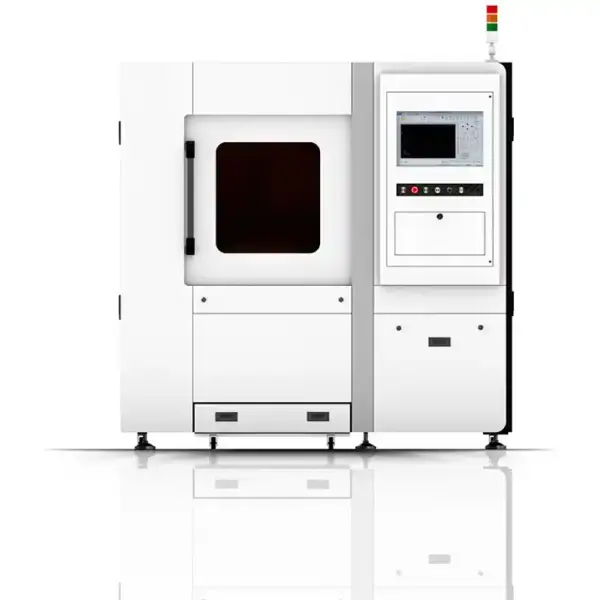
SF6060 fiber laser cutting machine
Advanced Fiber Laser Tube Processing Technology
Our CNC Fiber Laser Tube Cutting systems revolutionize metal fabrication by integrating high-precision cutting, punching, and profiling into a single automated workflow. Designed for versatility, this technology handles a wide array of profiles including Round, Square, Rectangular, and Oval tubes, as well as complex L-shaped and U-shaped channels.
- Precision Punching: High-speed hole punching with micron-level accuracy, eliminating the need for mechanical drilling or die-stamping.
- Complex Profiling: Advanced 3D pathing allows for intricate interlocking joints and specialized notch cuts, ideal for structural frames.
- High Material Efficiency: Intelligent nesting software minimizes scrap, reducing raw material costs across large production runs.
- Clean Finish: Delivers oxide-free, burr-free edges that require zero secondary grinding before welding.

Seamlessly processing multiple profiles with consistent precision.
Global Delivery & Logistics



From our high-tech manufacturing facility directly to your global site. PCL WeldCut ensures secure packaging, professional handling, and reliable international logistics to safeguard your equipment throughout the entire journey.