Field Engineering Report: Implementation of 3000W Fiber Laser Cobot Systems
Site Location: Industrial Fabrication Hub, Barcelona, Spain
Date: October 2023
This report details the technical deployment and operational assessment of a 3000W Fiber Laser Cobot at a high-output fabrication facility in Barcelona, Spain. The primary objective was to transition a significant portion of the facility’s Mild Steel welding workflow from manual Gas Tungsten Arc Welding (GTAW) to an automated solution. This site specializes in architectural components and industrial enclosures, where aesthetic finish and structural integrity are equally weighted.
1. The Evolution of Laser Technology in the Workshop
In the context of modern European manufacturing, particularly in competitive hubs like Barcelona, the shift toward Laser Technology is no longer a luxury—it is a survival mechanism. Traditional arc welding processes are limited by heat input. Excessive heat leads to thermal distortion, which in turn necessitates secondary straightening processes. In Mild Steel welding, specifically S235 and S355 grades commonly used here, managing the Heat Affected Zone (HAZ) is the primary engineering challenge.
The 3000W fiber source utilized in this deployment represents the current pinnacle of industrial Laser Technology. Unlike CO2 lasers of the past, the 1070nm wavelength of the fiber laser is absorbed more efficiently by mild steel. This efficiency allows for a high-density energy beam that creates a “keyhole” welding effect, achieving deep penetration with a fraction of the total heat input compared to MIG or TIG.
2. Synergy: The Fiber Laser Cobot Integration
The core of this installation is the synergy between the power source and the motion controller. A Fiber Laser Cobot differs from traditional industrial robots in its flexibility and ease of deployment. In the Barcelona workshop, space is at a premium. A traditional robotic cell with light curtains and rigid fencing would have disrupted the flow of the shop floor.
The Fiber Laser Cobot utilizes a 6-axis collaborative arm integrated directly with the laser’s PLC (Programmable Logic Controller). This allows for “hand-guided” programming. A senior welder can physically move the arm along the seam of a mild steel workpiece, recording waypoints. The Laser Technology then takes over, maintaining a consistent standoff distance and travel speed that no human hand could replicate over a 10-hour shift. This synergy addresses the “skills gap” currently felt across Spain’s industrial sectors by allowing master welders to act as system programmers rather than manual laborers.
3. Technical Specifications and Mild Steel Welding Performance
3.1. Power Density and Speed
During the validation phase in Barcelona, we tested the 3000W Fiber Laser Cobot on 6mm Mild Steel welding applications. Traditional MIG welding would require a travel speed of roughly 8–10 mm/s. The fiber laser system achieved full penetration at 25 mm/s. On thinner 2mm gauge material, speeds exceeded 60 mm/s. The resulting weld profile is exceptionally narrow, reducing the volume of molten metal and, consequently, the residual stress within the part.

3.2. Wobble Parameters
One of the most critical advancements in Laser Technology integrated into this cobot is the “wobble” function. By oscillating the laser beam in various patterns (circular, zigzag, or figure-8) at frequencies up to 300Hz, the Fiber Laser Cobot can bridge gaps in Mild Steel welding that were previously impossible for lasers. In the Barcelona facility, where part fit-up can vary by up to 0.5mm, the wobble function allowed us to maintain a consistent bead width without the need for expensive, high-precision jigging.
4. Lessons Learned: Environmental and Technical Hurdles
4.1. Atmospheric Conditions in Barcelona
One unforeseen challenge was the high humidity and ambient temperature in the Barcelona coastal environment. Laser Technology, particularly the 3000W resonators, is sensitive to dew point levels. We had to upgrade the workshop’s chiller system to a dual-circuit refrigeration unit to ensure the laser head and the fiber delivery cable remained at a constant 22°C to prevent condensation on the protective optics. Lesson learned: In Mediterranean climates, climate-controlled housing for the laser source is not optional; it is a requirement for uptime.
4.2. Surface Preparation in Mild Steel Welding
While Mild Steel welding is generally forgiving, Laser Technology demands higher cleanliness than MIG. We found that the mill scale on hot-rolled S235JR steel caused occasional “spitting” or porosity. We implemented a rapid mechanical cleaning protocol using a localized fiber laser cleaning tool (a secondary application of the same technology) prior to welding. This ensured that the Fiber Laser Cobot produced X-ray quality welds consistently.
5. Safety and Compliance (The Spanish Regulatory Framework)
Operating a Class 4 laser in an open workshop environment in Spain requires strict adherence to UNE-EN 60825-1. Because the Fiber Laser Cobot is collaborative, there is a misconception that it is “safe” by default. This is false. The laser beam is an ocular hazard for several hundred meters. We designed a custom “Laser Zone” in the Barcelona shop using certified laser-rated curtains (OD7+ protection) and an interlock system that kills the 3000W source if the curtain is breached. Safety is the one area where no engineer should ever compromise for the sake of speed.
6. Economic Impact and ROI
The data from the first 90 days in Barcelona is conclusive. For Mild Steel welding, the Fiber Laser Cobot has reduced the “Cost Per Part” by 45%. This is attributed to:
- Gas Savings: Utilizing Nitrogen or Argon/CO2 mixes at lower flow rates than MIG.
- Post-Processing: The elimination of grinding and spatter removal.
- Consumables: Fiber Laser Technology eliminates the need for contact tips, liners, and high volumes of filler wire (though wire-feeders can be used when needed).
7. Conclusion: The Future of Fabrication in Spain
The deployment of the 3000W Fiber Laser Cobot in Barcelona serves as a blueprint for the modernization of European fabrication. By combining the precision of Laser Technology with the flexibility of a cobot, we have unlocked a level of productivity that was previously reserved for the automotive assembly lines. For Mild Steel welding, the transition is no longer a matter of “if,” but “when.” The engineers who embrace this synergy will be the ones who define the next decade of industrial output.
End of Report
Signed,
Senior Welding Engineer, Lead Consultant
-
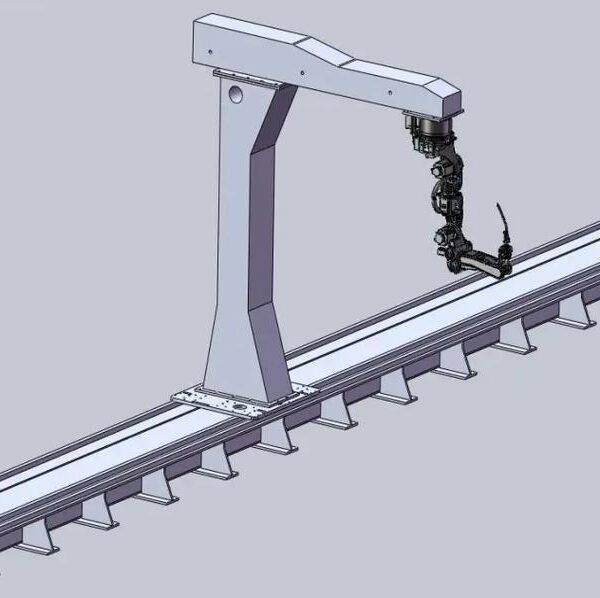

Cantilever Welding Robot solution
-
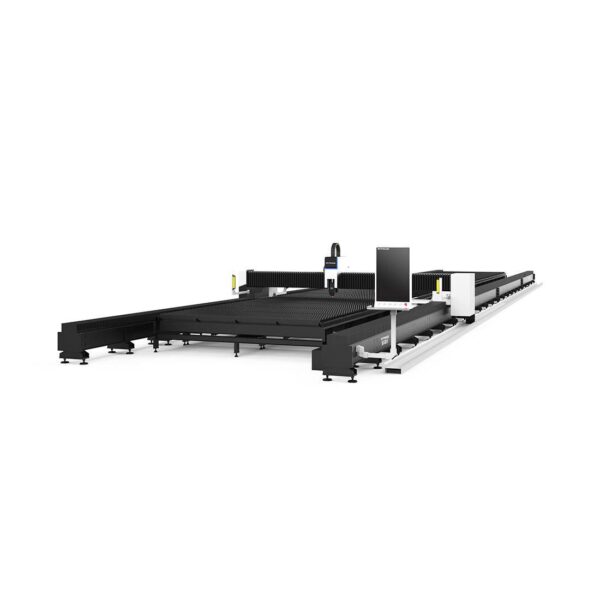

GF laser cutting machine
-
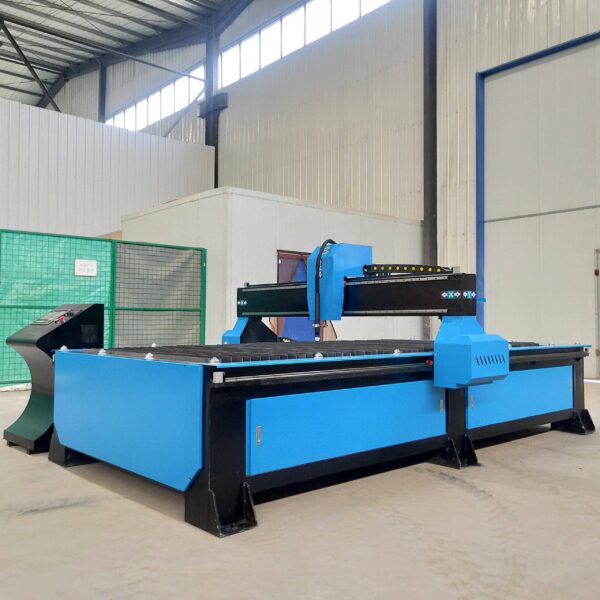
P3015 plasma cutting machine
-

LFP3015 Fiber Laser Cutter
-
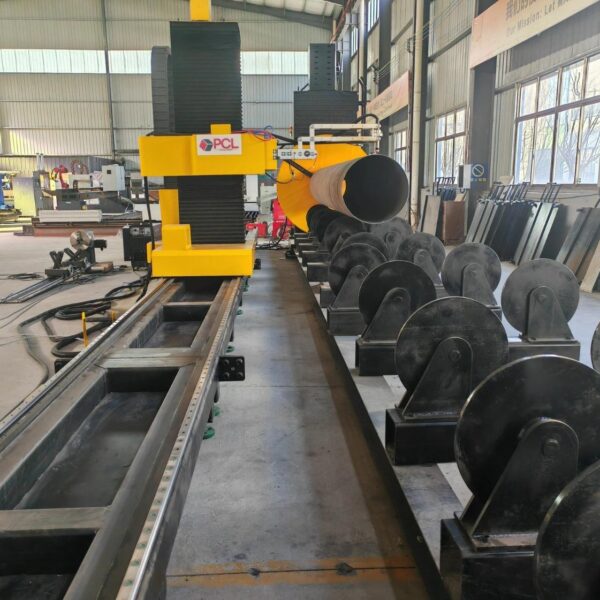
pipe plasma cutting machine
-
LFH 4020 Fiber Laser Cutting Machine
-
LFP4020
-
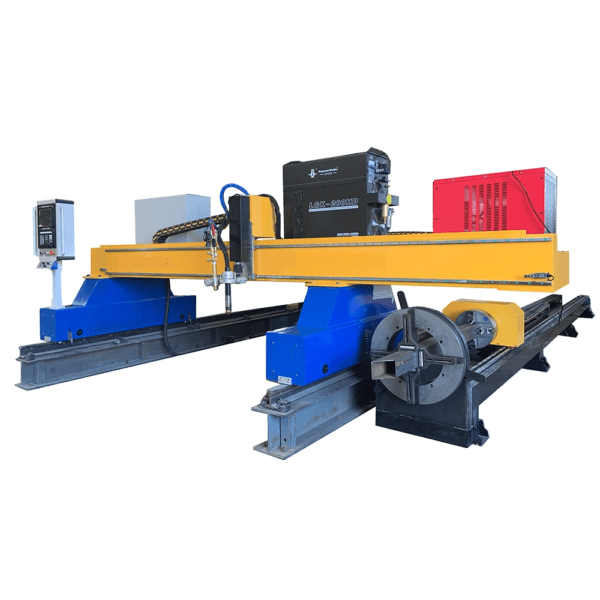
gantry plasma air cutting machine
-
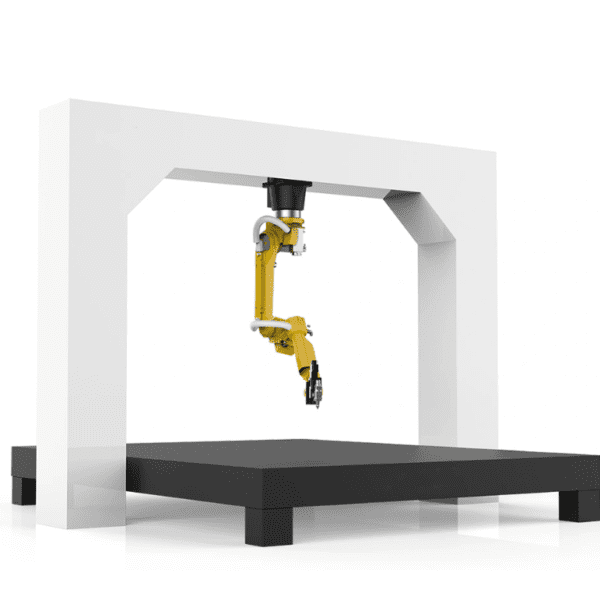
3D robot cutting machine
-
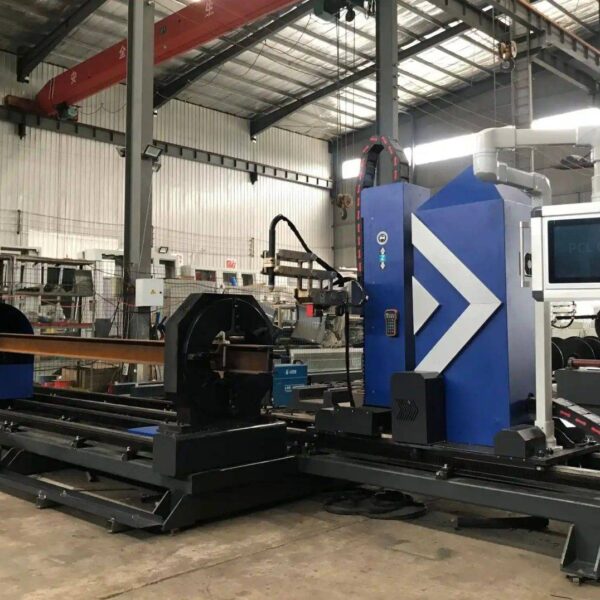
8 axis plasma cutting machine
-
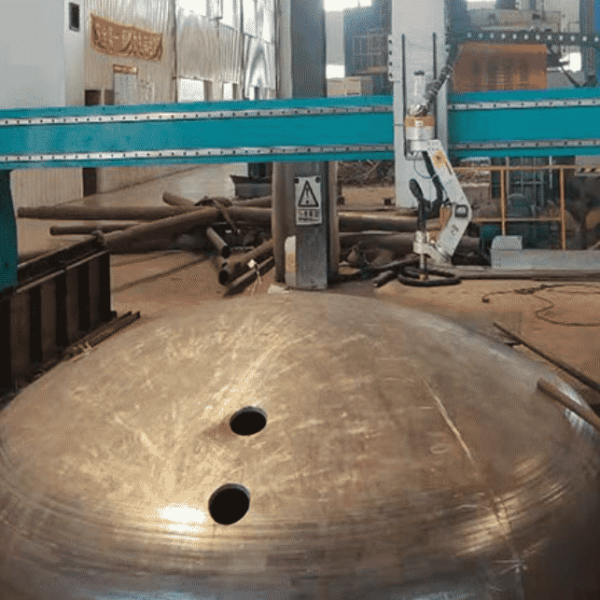
5 axis plasma cutting machine
-

LT360 tube laser cutting machine
-
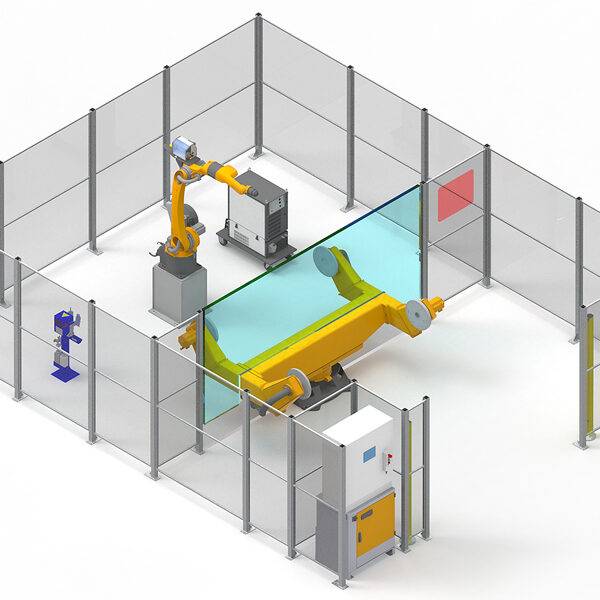
robot welding workstation
-
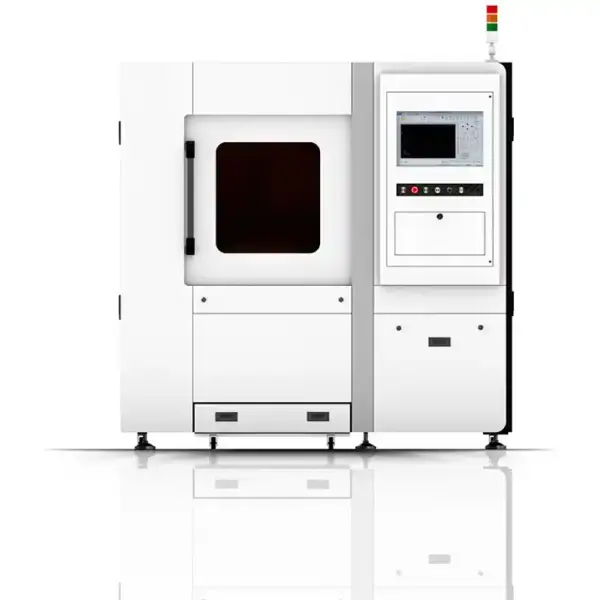
SF6060 fiber laser cutting machine
Advanced Fiber Laser Tube Processing Technology
Our CNC Fiber Laser Tube Cutting systems revolutionize metal fabrication by integrating high-precision cutting, punching, and profiling into a single automated workflow. Designed for versatility, this technology handles a wide array of profiles including Round, Square, Rectangular, and Oval tubes, as well as complex L-shaped and U-shaped channels.
- Precision Punching: High-speed hole punching with micron-level accuracy, eliminating the need for mechanical drilling or die-stamping.
- Complex Profiling: Advanced 3D pathing allows for intricate interlocking joints and specialized notch cuts, ideal for structural frames.
- High Material Efficiency: Intelligent nesting software minimizes scrap, reducing raw material costs across large production runs.
- Clean Finish: Delivers oxide-free, burr-free edges that require zero secondary grinding before welding.

Seamlessly processing multiple profiles with consistent precision.
Global Delivery & Logistics



From our high-tech manufacturing facility directly to your global site. PCL WeldCut ensures secure packaging, professional handling, and reliable international logistics to safeguard your equipment throughout the entire journey.
One thought on “Engineering Review: 3000W Fiber Laser Cobot – Barcelona, Spain”
The customer support for the Tube Cutting Machine was very helpful during installation.