Field Commissioning Report: 3000W Automated MAG Welding Cell Integration
1.0 Executive Summary: Site Context and Objectives
This report details the commissioning and optimization of a 3000W Automated MAG Welding Cell at a Tier-1 automotive structural facility in Navi Mumbai, India. The primary objective was the high-volume production of 6000-series structural frames, requiring rigorous Aluminum Alloy welding standards to meet fatigue resistance specifications.
The Mumbai deployment presented unique environmental challenges, specifically ambient humidity levels exceeding 85% and erratic power grid stability. Implementing advanced Arc Welding Solutions was not merely a throughput requirement but a metallurgical necessity to counteract hydrogen-induced porosity, which is endemic to aluminum fabrication in tropical maritime climates.
2.0 System Architecture: The Automated MAG Welding Cell
The 3000W Automated MAG Welding Cell deployed consists of a six-axis industrial manipulator integrated with a high-speed inverter power source. Unlike standard manual setups, this cell utilizes a synchronized “Push-Pull” wire drive system designed specifically for the low column strength of aluminum filler wires (ER4043 and ER5356).
2.1 Inverter Dynamics and Power Delivery
The 3000W rating refers to the peak stabilized output of the power source at a 100% duty cycle. In the Mumbai facility, we observed that local voltage fluctuations (±15%) often compromised the arc start integrity. To rectify this, we integrated a dedicated line conditioner. The synergy between the Automated MAG Welding Cell hardware and the software-driven Arc Welding Solutions allowed for “Instantaneous Arc Strike” logic, which pre-heats the wire tip to prevent “cold starts” on the highly conductive aluminum substrate.

3.0 Technical Challenges in Aluminum Alloy Welding
Aluminum Alloy welding in a coastal environment like Mumbai is fraught with contamination risks. Aluminum’s high affinity for oxygen results in a tenacious oxide layer (Al2O3) that melts at approximately 2,015°C—nearly three times the melting point of the base metal (660°C).
3.1 The Humidity-Hydrogen Correlation
During the first week of trials, X-ray diffraction tests showed unacceptable levels of sub-surface porosity. The high humidity in the Mumbai workshop was introducing moisture into the shielding gas lines and onto the wire surface. Even with 99.99% pure Argon, the moisture was dissociating in the arc, releasing hydrogen into the weld pool. Because aluminum has high solubility for hydrogen in the liquid state but very low solubility in the solid state, the gas was becoming trapped during the rapid solidification phase typical of MAG welding.
3.2 Oxide Cleaning and Waveform Control
The Automated MAG Welding Cell was recalibrated to utilize a specialized AC/DC pulsed waveform. By adjusting the “cleaning action” (the cathodic cleaning phase of the cycle), we were able to blast away the oxide layer more effectively before the filler metal droplet detached. This is where the Arc Welding Solutions software proved vital—allowing us to modify the pulse frequency (Hz) and the peak current duration to balance penetration versus surface cleaning.
4.0 Synergy: Integrating Arc Welding Solutions
The term “Arc Welding Solutions” refers to the holistic digital control of the welding arc. In this Mumbai installation, the synergy between the physical Automated MAG Welding Cell and these digital solutions was realized through “Synergic Mapping.”
4.1 Synergic Control Logic
We programmed the cell so that the operator only needs to input the material thickness and wire diameter. The Arc Welding Solutions then automatically adjust wire feed speed, voltage, and pulse parameters. For Aluminum Alloy welding, we implemented a “Double Pulse” (Pulse-on-Pulse) technique. This modulates the heat input, creating a “stacked dime” aesthetic similar to TIG welding but at MAG speeds. This reduces the heat-affected zone (HAZ), which is critical for maintaining the structural integrity of 6061-T6 alloys that are prone to over-aging and softening when exposed to excessive heat.
4.2 Real-time Adaptive Feedback
The cell’s sensors monitor the contact-to-workpiece distance (CTWD). In the manual sections of the Mumbai plant, inconsistent torch distance was a major cause of spatter. Within the Automated MAG Welding Cell, the Arc Welding Solutions compensate for minor jigging inaccuracies by adjusting the arc voltage in real-time (Arc Voltage Control), ensuring a stable arc length and uniform penetration profiles.
5.0 Engineering Lessons Learned from the Mumbai Field Site
Field engineering is rarely as clean as laboratory testing. Several hard-won lessons were documented during the 60-day commissioning period.
5.1 Shielding Gas Management
Standard gas hoses were found to be slightly permeable to atmospheric moisture over long runs. We mandated a switch to high-barrier Teflon-lined hoses. Furthermore, we implemented a “pre-flow” of 2.0 seconds and a “post-flow” of 3.5 seconds to ensure the Aluminum Alloy welding zone was fully inert before and after the arc was extinguished. In Mumbai’s heavy air, shorter flow times resulted in immediate soot formation at the weld termination point.
5.2 Wire Hygiene and Feedability
We discovered that the “shaved” aluminum wire was picking up surface moisture while sitting in the Automated MAG Welding Cell overnight. The lesson learned: wire spools must be stored in climate-controlled cabinets and only mounted when the shift begins. We also installed heated wire-conduit blankets to keep the filler metal above the dew point, significantly reducing the “stutter” in the wire feed mechanism.
6.0 Productivity Gains and Quality Metrics
Post-implementation data indicates a significant shift in production capacity. Manual Aluminum Alloy welding was averaging a 15% reject rate due to porosity and burn-through on 2mm gauges. After dialing in the Arc Welding Solutions, the reject rate dropped to 0.8%.
- Travel Speed: Increased from 35 cm/min (manual) to 85 cm/min (automated).
- Consumable Efficiency: 22% reduction in shielding gas waste due to optimized flow-rate timers.
- Labor Allocation: One technician now oversees two Automated MAG Welding Cells, effectively tripling the output per man-hour compared to manual stations.
7.0 Conclusion and Recommendations
The deployment of the 3000W Automated MAG Welding Cell in Mumbai demonstrates that high-precision Aluminum Alloy welding is viable in challenging environments provided the Arc Welding Solutions are tailored to the local climate. The key to success was not just the robotic hardware, but the granular control over the electrical waveform and the rigorous management of the welding environment.
Forward Action Plan:
- Weekly calibration of the Arc Welding Solutions feedback loop to account for seasonal humidity changes (Monsoon vs. Summer).
- Quarterly maintenance of the Push-Pull drive rolls within the Automated MAG Welding Cell to prevent aluminum dust buildup.
- Advanced training for local technicians on waveform offset adjustments rather than simple voltage/amperage tweaks.
Report submitted by: Senior Welding Engineer
Location: Navi Mumbai Industrial Estate
-
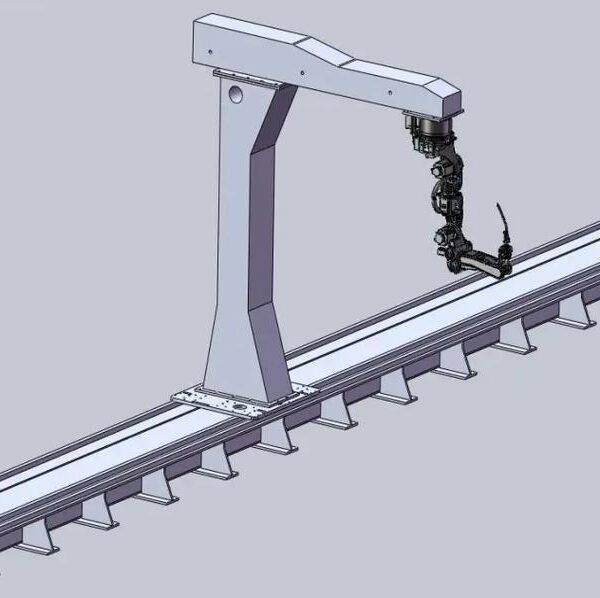

Cantilever Welding Robot solution
-
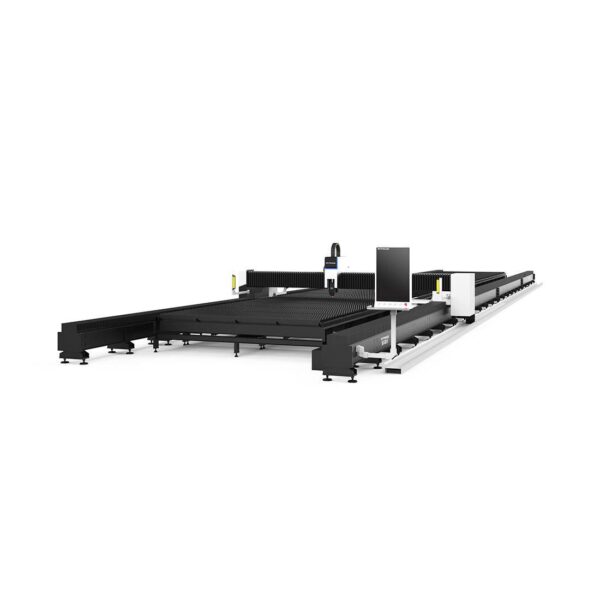

GF laser cutting machine
-
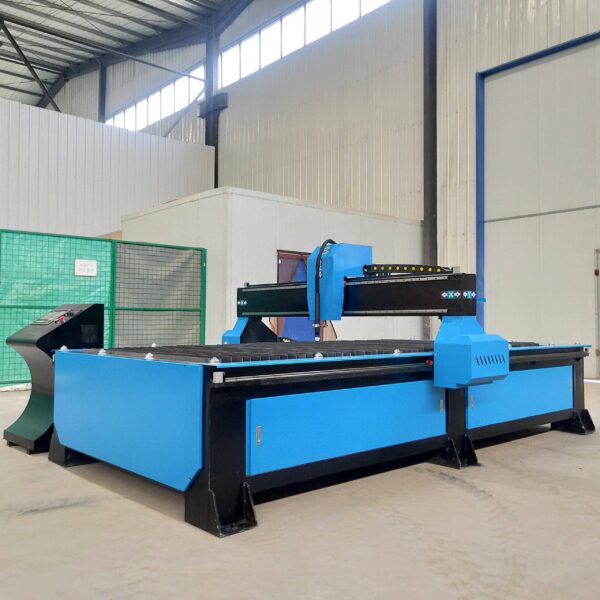
P3015 plasma cutting machine
-

LFP3015 Fiber Laser Cutter
-
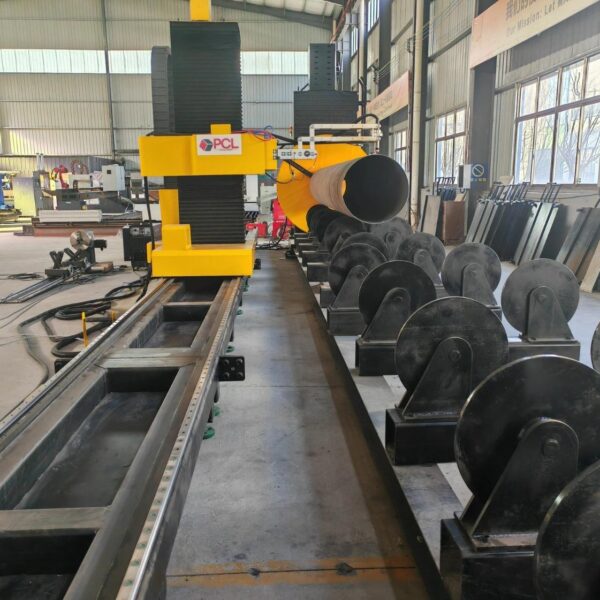
pipe plasma cutting machine
-
LFH 4020 Fiber Laser Cutting Machine
-
LFP4020
-
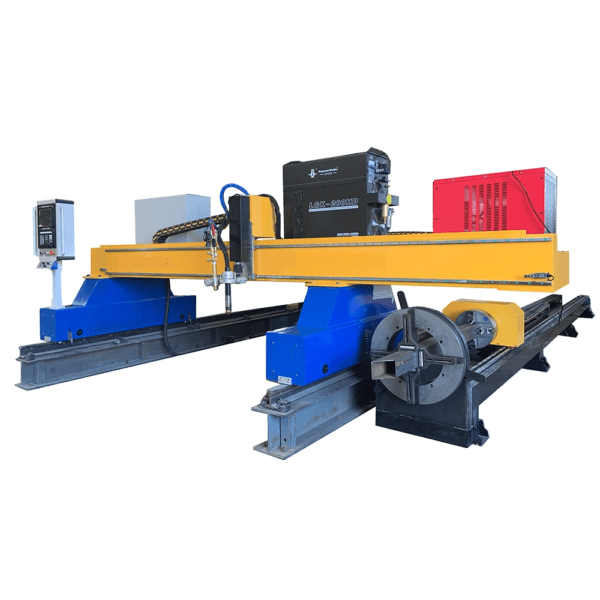
gantry plasma air cutting machine
-
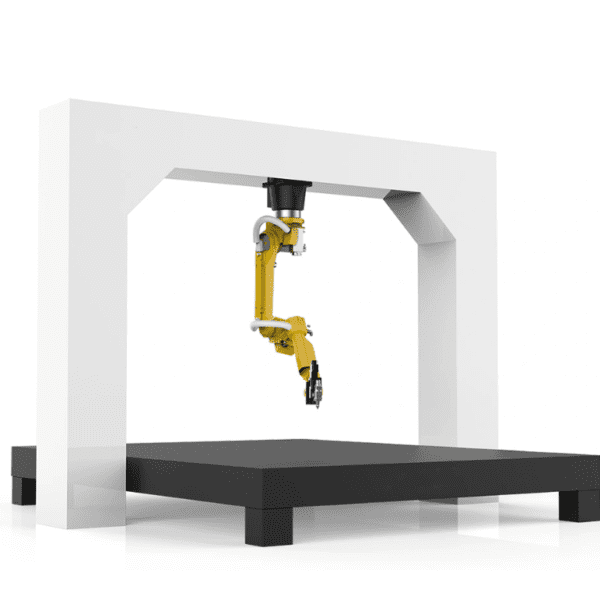
3D robot cutting machine
-
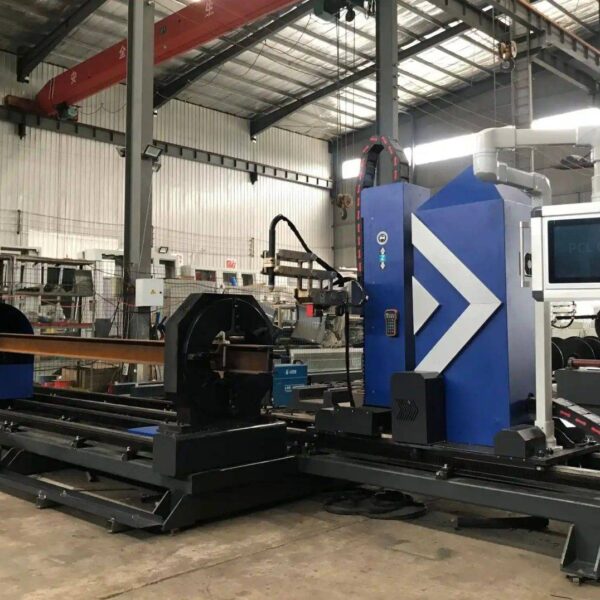
8 axis plasma cutting machine
-
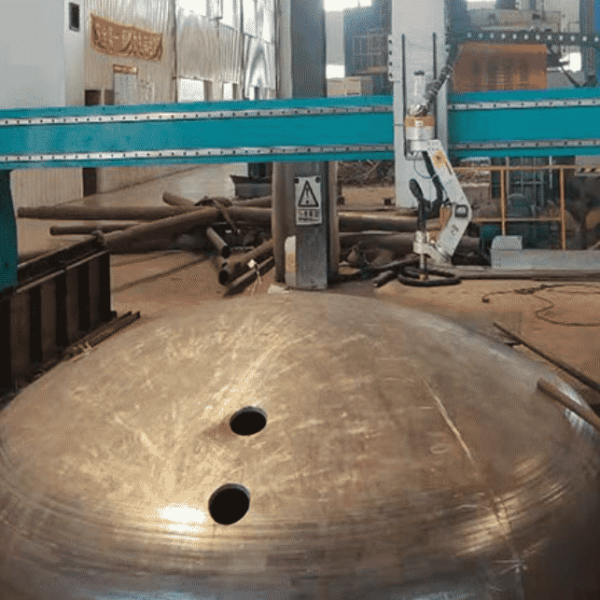
5 axis plasma cutting machine
-

LT360 tube laser cutting machine
-
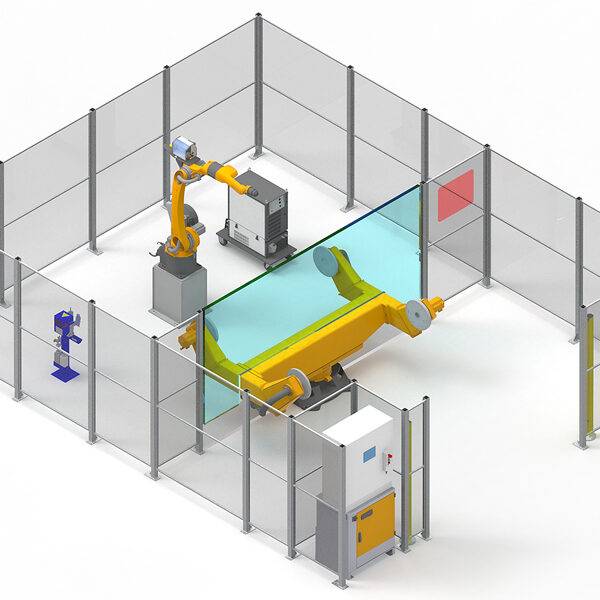
robot welding workstation
-
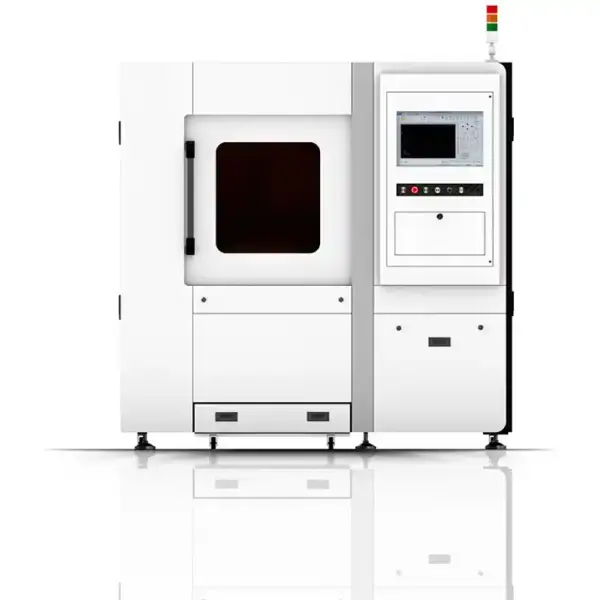
SF6060 fiber laser cutting machine
Advanced Fiber Laser Tube Processing Technology
Our CNC Fiber Laser Tube Cutting systems revolutionize metal fabrication by integrating high-precision cutting, punching, and profiling into a single automated workflow. Designed for versatility, this technology handles a wide array of profiles including Round, Square, Rectangular, and Oval tubes, as well as complex L-shaped and U-shaped channels.
- Precision Punching: High-speed hole punching with micron-level accuracy, eliminating the need for mechanical drilling or die-stamping.
- Complex Profiling: Advanced 3D pathing allows for intricate interlocking joints and specialized notch cuts, ideal for structural frames.
- High Material Efficiency: Intelligent nesting software minimizes scrap, reducing raw material costs across large production runs.
- Clean Finish: Delivers oxide-free, burr-free edges that require zero secondary grinding before welding.

Seamlessly processing multiple profiles with consistent precision.
Global Delivery & Logistics



From our high-tech manufacturing facility directly to your global site. PCL WeldCut ensures secure packaging, professional handling, and reliable international logistics to safeguard your equipment throughout the entire journey.