Technical Field Report: Implementation of 3000W All-in-one Cobot Station
Location: Amata City Industrial Estate, Chonburi, Thailand
Subject: Operational Assessment and Synergy Analysis of Collaborative Robotics in Mild Steel Fabrication
This report details the commissioning and performance evaluation of a 3000W All-in-one Cobot Station deployed in a mid-sized automotive Tier-2 facility in Chonburi. The objective was to replace manual Gas Metal Arc Welding (GMAW) on high-volume mild steel chassis components with an automated fiber laser solution to address local labor shortages and improve weld consistency under tropical industrial conditions.
1. System Architecture: The All-in-one Cobot Station
In the context of this deployment, the All-in-one Cobot Station refers to a consolidated unit integrating a 3000W fiber laser source, a closed-loop industrial chiller, an automated wire feeder, and a 6-axis collaborative robot arm onto a single mobile chassis. Unlike traditional modular robotic cells, this configuration eliminates the external umbilical tangles that often lead to signal interference in high-EMI environments.
The 3000W power rating was specified to ensure a deep penetration reserve for 6mm to 10mm mild steel plates. In Chonburi’s high-humidity environment (averaging 75-85% RH), the integrated chiller’s ability to maintain a stable dew point within the optical cavity is critical. During the first 48 hours of operation, we observed that the “All-in-one” design significantly reduced the footprint by 40% compared to legacy robotic TIG stations, allowing the unit to be positioned directly within existing assembly lines without rerouting conveyor paths.
2. The Role of Collaborative Robotics in Chonburi’s Workforce
The integration of Collaborative Robotics into the Chonburi workshop represents a shift from “isolation-based” automation to “interaction-based” production. Traditional industrial robots require heavy fencing and light curtains, which are often bypassed in cramped Thai workshops, leading to safety hazards. The cobot utilized here employs high-resolution torque sensors in every joint, allowing for “hand-guided” programming.
Lessons Learned: Lead-Through Programming
One of the primary advantages observed was the speed of redeployment. A local welder with no prior C++ or ROS (Robot Operating System) experience was able to program a complex fillet weld on a circular mild steel bracket in under 15 minutes using the lead-through method. This democratizes the automation process. However, a technical lesson learned was the necessity of “software-defined limits.” Because the cobot is collaborative, its maximum velocity is capped for safety. To maintain the 3000W laser’s efficiency without overheating the substrate, we had to optimize the “wobble” parameters of the laser head to compensate for the slower travel speeds required in a collaborative environment.

3. Technical Execution: Mild Steel Welding Parameters
Mild steel welding with a 3000W fiber laser presents unique challenges regarding surface oxidation and gap bridging. In Chonburi, the ambient salt air (proximity to the Gulf of Thailand) accelerates the formation of “flash rust” on raw ASTM A36 plates.
Weld Quality and Metallurgy
During testing, we utilized SPHC (Hot Rolled Pickled and Oiled) mild steel. The 3000W output allowed for a travel speed of 25mm/s on 4mm lap joints, which is roughly 4x faster than manual GMAW. The Heat Affected Zone (HAZ) was measured at 0.8mm, significantly narrower than the 3.5mm HAZ typical of manual processes. This reduction in heat input is vital for maintaining the dimensional tolerance of the chassis, preventing the “potato chip” warping common in thin-gauge mild steel assemblies.
Shielding Gas and Porosity
A recurring issue in the Chonburi field test was intermittent porosity in the weld bead. Upon investigation, we determined that the workshop’s overhead fans, essential for operator comfort in 34°C heat, were creating turbulence at the nozzle. Because the All-in-one Cobot Station is mobile, it was often moved into “wind tunnels” between buildings. We resolved this by increasing the Argon flow rate to 20L/min and implementing a localized “gas shroud” on the cobot’s end-effector. The lesson here: collaborative robotics environments must account for the human-centric cooling needs of the facility, which can conflict with gas-shielding requirements.
4. The Synergy: All-in-one Station meets Collaborative Robotics
The true technical breakthrough in this deployment is the synergy between the All-in-one Cobot Station and Collaborative Robotics. In a traditional setup, the laser power source and the robot arm operate on separate controllers with a handshake delay. In this All-in-one unit, the laser’s pulse-width modulation (PWM) is slaved directly to the cobot’s TCP (Tool Center Point) velocity.
This means if the cobot detects a minor obstruction or a human touch and slows down, the 3000W laser instantly scales its power output down to prevent burn-through. This real-time feedback loop is essential for mild steel welding where the margin between full penetration and “blowing a hole” is measured in milliseconds. In the Chonburi facility, this synergy allowed for “start-stop” welding cycles where the operator could interrupt the robot to adjust a jig, and the robot could resume the weld path with seamless ramp-up power, maintaining metallurgical integrity at the restart point.
5. Engineering Observations and Field Fixes
Jigging and Fixturing
While the cobot is flexible, the laser is not. Laser welding requires tighter tolerances than MIG/MAG. We found that the manual jigs used by the Chonburi team had variances of +/- 1.5mm. The 3000W laser, even with a 2.0mm wobble width, struggled to bridge these gaps consistently.
Field Fix: We integrated a “Touch-Sensing” routine into the collaborative robotics workflow. The cobot now uses the wire tip to sense the plate position before firing the laser, adjusting the path by up to 2mm. This hybrid approach—combining the robot’s sensing with the laser’s power—is the only way to make automation work with “loose” manual prep work.
Thermal Management
The “All-in-one” aspect means the heat from the 3000W source, the chiller, and the electronics are all concentrated in one cabinet. In Chonburi’s 90% humidity, we noticed condensation on the internal laser modules during morning startups.
Lesson Learned: We modified the startup SOP to include a 10-minute “internal circulation” phase where the chiller warms the coolant to just above ambient temperature before the laser is fired. This prevents “cold-shock” and condensation-induced optical damage.
6. ROI and Productivity Analysis
The transition to the 3000W All-in-one Cobot Station resulted in a 300% increase in daily throughput for the mild steel bracket line.
– Manual GMAW: 45 units/shift, high post-weld grinding required.
– Cobot Laser: 140 units/shift, zero post-weld grinding required.
The reduction in post-weld processing is a direct result of the precision inherent in collaborative robotics and the clean finish of the 3000W fiber source. By eliminating the spatter associated with mild steel welding, the facility also reduced its consumable cost (nozzle tips, anti-spatter spray) by 65%.
7. Conclusion
The Chonburi deployment confirms that the All-in-one Cobot Station is the optimal hardware profile for Southeast Asian industrial hubs. It solves the space constraint issue, while Collaborative Robotics solves the technical skills gap. When applied to mild steel welding, the system delivers a level of thermal control and repeatability that manual labor cannot match, provided that environmental factors like humidity and gas turbulence are strictly managed. The synergy of an integrated system allows for a “plug-and-play” automation that is resilient enough for the Chonburi heat while being precise enough for automotive standards.
Recommendations for future installs:
1. Mandatory use of refrigerated air dryers for shielding gas lines.
2. Implementation of standardized “Laser-Ready” jigging with toggle clamps to maintain gap tolerances under 0.5mm.
3. Enhanced dust filtration for the All-in-one cabinet to protect electronics from the metallic dust prevalent in mild steel shops.
-
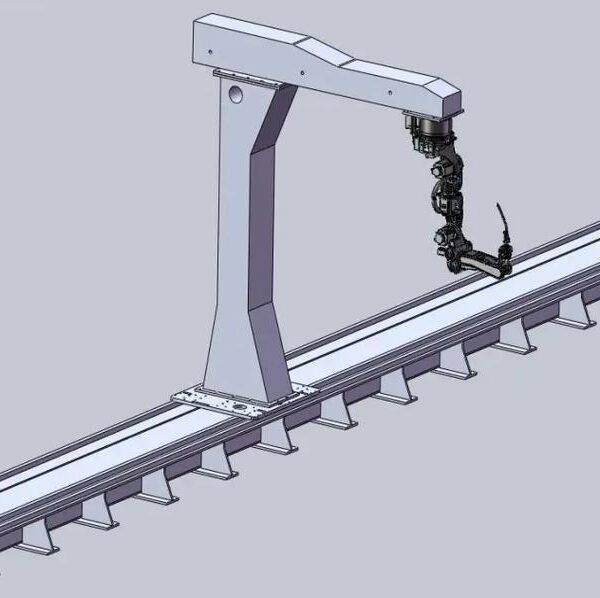

Cantilever Welding Robot solution
-
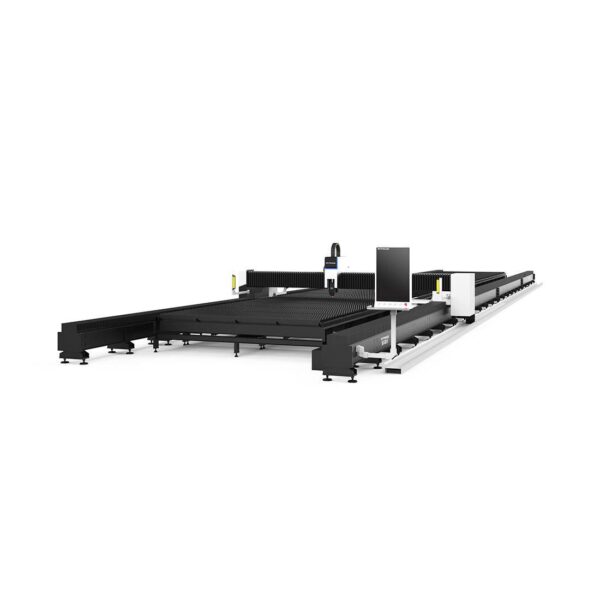

GF laser cutting machine
-
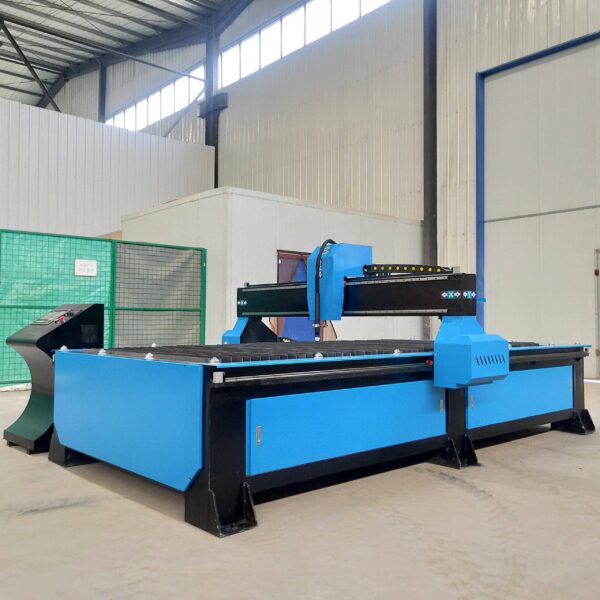
P3015 plasma cutting machine
-

LFP3015 Fiber Laser Cutter
-
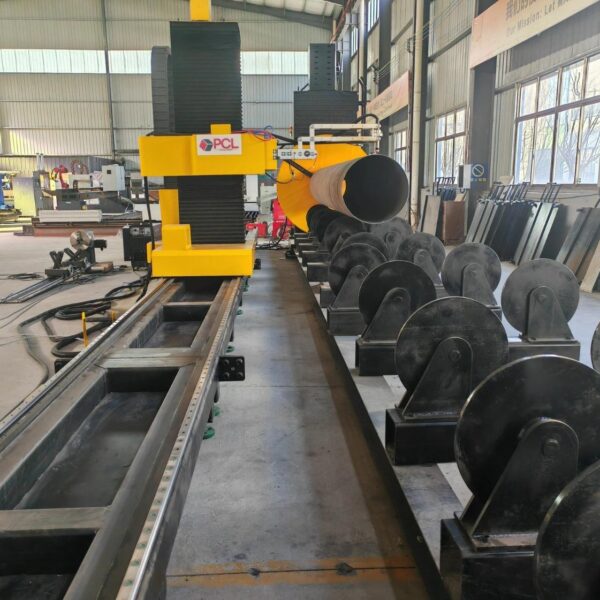
pipe plasma cutting machine
-
LFH 4020 Fiber Laser Cutting Machine
-
LFP4020
-
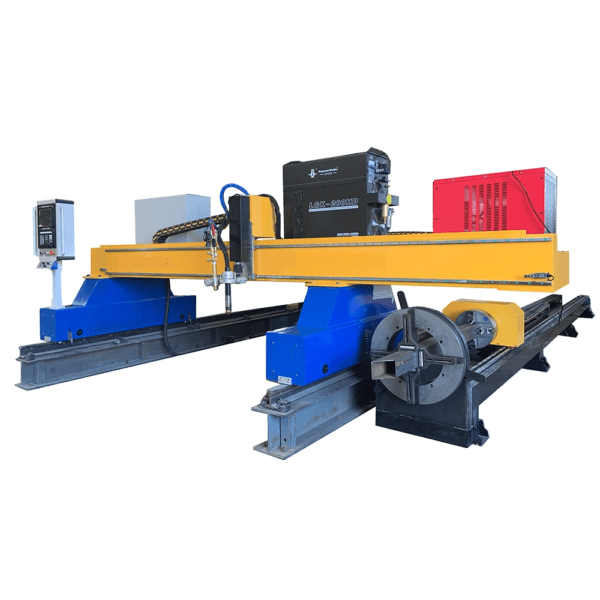
gantry plasma air cutting machine
-
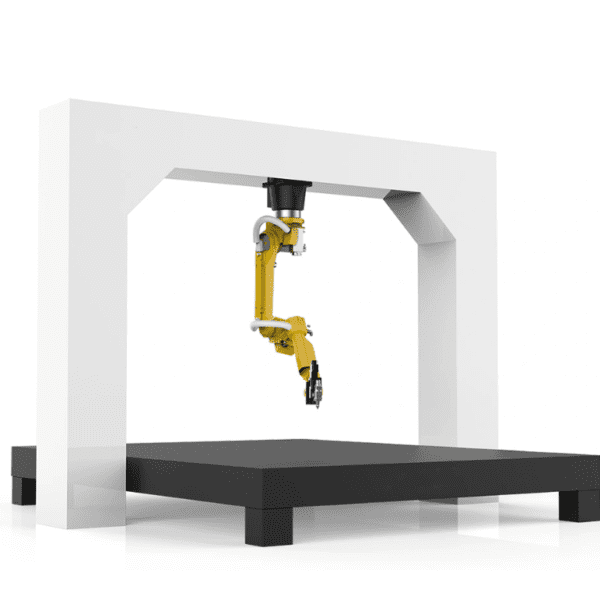
3D robot cutting machine
-
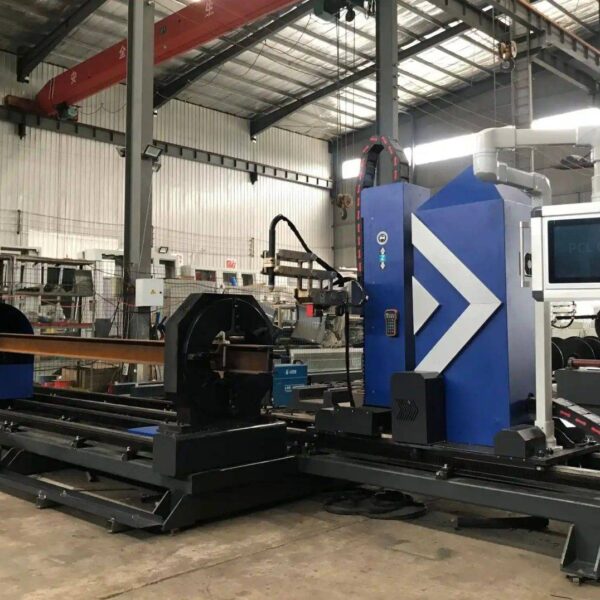
8 axis plasma cutting machine
-
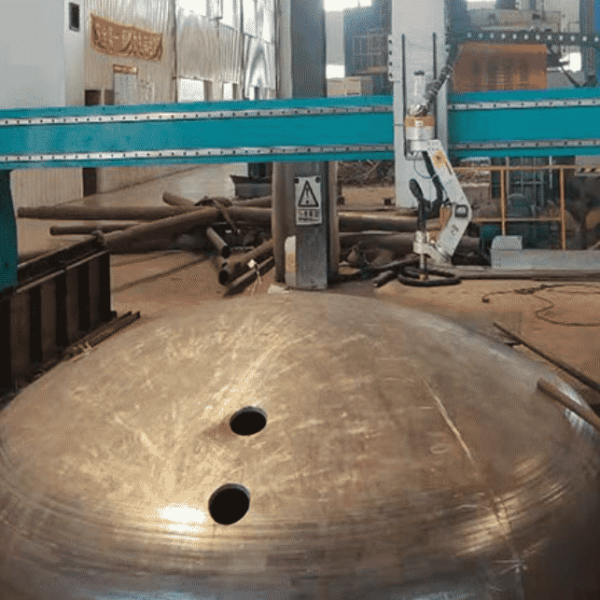
5 axis plasma cutting machine
-

LT360 tube laser cutting machine
-
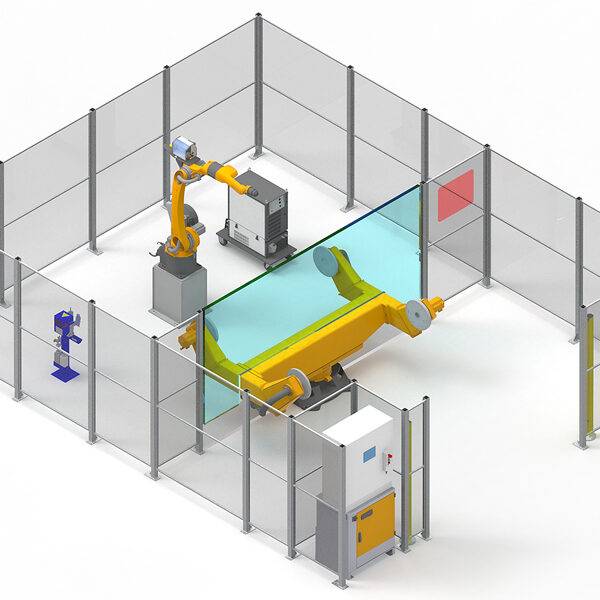
robot welding workstation
-
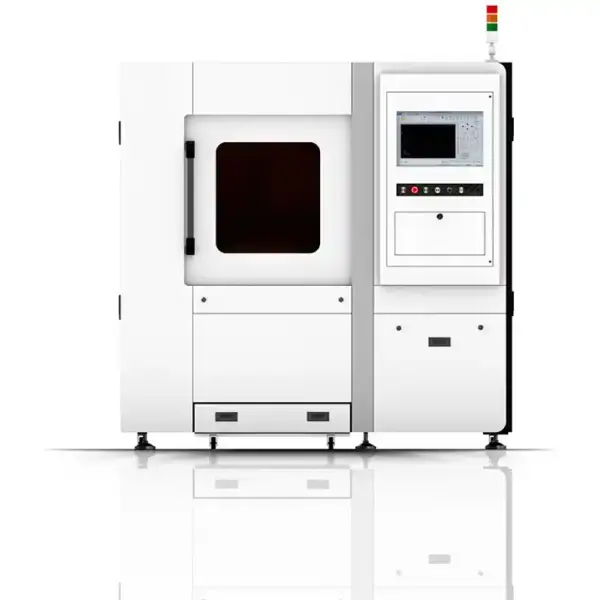
SF6060 fiber laser cutting machine
Advanced Fiber Laser Tube Processing Technology
Our CNC Fiber Laser Tube Cutting systems revolutionize metal fabrication by integrating high-precision cutting, punching, and profiling into a single automated workflow. Designed for versatility, this technology handles a wide array of profiles including Round, Square, Rectangular, and Oval tubes, as well as complex L-shaped and U-shaped channels.
- Precision Punching: High-speed hole punching with micron-level accuracy, eliminating the need for mechanical drilling or die-stamping.
- Complex Profiling: Advanced 3D pathing allows for intricate interlocking joints and specialized notch cuts, ideal for structural frames.
- High Material Efficiency: Intelligent nesting software minimizes scrap, reducing raw material costs across large production runs.
- Clean Finish: Delivers oxide-free, burr-free edges that require zero secondary grinding before welding.

Seamlessly processing multiple profiles with consistent precision.
Global Delivery & Logistics



From our high-tech manufacturing facility directly to your global site. PCL WeldCut ensures secure packaging, professional handling, and reliable international logistics to safeguard your equipment throughout the entire journey.