Field Engineering Report: Integration of 3000W Fiber Laser Systems in Ohio Manufacturing
This report summarizes the technical deployment and performance evaluation of a 3000W 6-Axis Collaborative Welder at a mid-sized fabrication facility in Northeast Ohio. The primary objective was the transition from manual TIG processes to Automated Welding for high-specification Stainless Steel welding applications. In the current Ohio labor market, where Tier 1 and Tier 2 suppliers face a chronic shortage of certified manual welders, the implementation of collaborative robotics is no longer a luxury—it is a production necessity.
Site Assessment and Operational Parameters
The facility specializes in 304 and 316L stainless steel pressure vessels and manifold assemblies for the food processing and pharmaceutical industries. Prior to the arrival of the 6-Axis Collaborative Welder, the shop relied on manual TIG, which, while high quality, resulted in significant bottlenecks and heat-induced distortion. The 3000W fiber laser source was selected to provide the power density required for deep penetration while maintaining the travel speeds necessary to minimize the Heat Affected Zone (HAZ).
Hardware Configuration
- Power Source: 3000W Continuous Wave (CW) Fiber Laser.
- Manipulator: 6-Axis Collaborative Arm with a 1300mm reach.
- Weld Head: Wobble-integrated laser head with wire feed synchronization.
- Interface: Teach-pendant based GUI with lead-through programming.
The Synergy Between the 6-Axis Collaborative Welder and Automated Welding
The term “Automated Welding” often evokes images of massive, caged industrial robots in automotive assembly lines. However, in the context of an Ohio job shop, the 6-Axis Collaborative Welder redefines automation. The synergy lies in the “Collaborative” aspect—the ability for a technician to stand bedside the machine, guiding the torch head to define waypoints without complex G-code programming.

Degrees of Freedom and Path Complexity
In Stainless Steel welding, the torch angle is critical for shielding gas efficacy. A standard 3-axis CNC stage cannot handle the complex geometries of a curved manifold. The 6-axis arm allows the system to maintain a perpendicular orientation to the seam, even on multi-planar joints. During our Ohio field tests, we observed that the ability to articulate the “wrist” of the robot allowed for continuous welds on 6-inch diameter stainless piping, reducing the number of starts and stops—common failure points in pressure testing.
Integration into Existing Workflows
Automated welding in a collaborative environment means the robot adapts to the shop, not the other way around. We utilized the system’s “drag-to-teach” function to program a circumferential weld on a stainless flange in under four minutes. This rapid deployment is essential for high-mix, low-volume production cycles common in the Midwest manufacturing corridor.
Technical Performance in Stainless Steel Welding
Stainless Steel welding presents unique challenges, primarily regarding thermal conductivity and the coefficient of thermal expansion. Stainless expands roughly 50% more than carbon steel when heated, leading to severe warping if the heat input is not strictly controlled.
Power Density and Heat Management
The 3000W output of this system allows for an incredibly high power density. By concentrating energy into a localized spot (typically 0.2mm to 0.15mm), we achieve “keyhole” welding characteristics at much higher speeds than TIG. In our field application on 11-gauge 304 Stainless, we clocked travel speeds of 25mm/second. At this velocity, the heat is dissipated before it can migrate into the surrounding substrate, virtually eliminating the warping issues that previously required post-weld straightening.
Shielding Gas Dynamics
One of the “lessons learned” during the Ohio installation involved gas coverage. We initially used pure Argon. However, we found that at 3000W, the plasma plume was slightly unstable. We transitioned to an Argon-Helium mix (75/25) which stabilized the arc and provided a cleaner “silver” finish on the stainless bead. The 6-axis arm was programmed to provide a trailing gas shield, which is essential for preventing atmospheric contamination as the weld cools—a critical requirement for food-grade certifications.
Wobble Parameters for Fit-up Variance
In real-world Ohio shops, part fit-up is rarely perfect. Manual shearing and bending often leave gaps of 0.5mm to 1.0mm. We utilized the “wobble” function of the 6-Axis Collaborative Welder, setting a 2.0mm circular pattern at 150Hz. This oscillation effectively bridges the gap and creates a wider weld pool, accommodating the slight tolerances of the upstream fabrication processes without compromising structural integrity.
Lessons Learned and Field Observations
Implementing Automated Welding via a cobot is as much about the “soft” skills as it is about the “hard” engineering. Here are the primary takeaways from the Ohio deployment:
1. Fixturing is Non-Negotiable
While the 6-Axis Collaborative Welder is flexible, it is not “sentient.” If the part moves, the weld fails. We spent the first 48 hours designing modular aluminum fixtures with toggle clamps. For Stainless Steel welding, aluminum fixtures also act as a heat sink, further reducing the risk of discoloration (blueing) of the stainless surface.
2. Safety and Class 4 Laser Compliance
A 3000W laser is a Class 4 hazard. Unlike traditional arc welding, the primary danger is the invisible or scattered beam. We had to implement a dedicated laser-safe enclosure within the Ohio facility, utilizing OD7+ rated viewing windows. Collaborative does not mean “unguarded” when fiber lasers are involved. The “collaboration” occurs during the setup and programming phase, while the execution must be strictly controlled.
3. Wire Feed Synchronization
The transition to Automated Welding requires a different mindset regarding filler material. We found that the synchronization between the 6-axis movement and the 4-roll wire feeder was the most common point of failure. If the wire speed lags by even 50ms, the laser will “blow through” the stainless thin-wall tubing. We solved this by implementing a “pre-flow” and “pre-feed” delay in the software logic, ensuring the wire was at the focal point before the laser ramped to its 3000W peak.
4. The “Midwest” Environment
Ambient conditions in Ohio—specifically humidity in the summer months—can affect the chiller performance of a 3000W system. We observed a 5-degree Celsius rise in coolant temperature during the afternoon shift. It is imperative that the dual-cycle chiller is rated for 20% over-capacity to prevent thermal-trip shutdowns when the shop floor hits 95°F.
Economic Impact and Conclusion
The deployment of the 6-Axis Collaborative Welder resulted in a 400% increase in throughput for the stainless manifold line. A task that previously took a senior TIG welder 45 minutes to complete (including tacking and cooling) is now performed in 8 minutes of Automated Welding time, plus 3 minutes of loading/unloading.
Furthermore, the 3000W system has allowed the client to take on thicker Stainless Steel welding projects (up to 8mm plate) that were previously outsourced. The synergy between robotic precision and the high energy density of fiber lasers represents the future of Ohio’s manufacturing sector. By upskilling existing manual welders to become “Cobot Operators,” the facility has not only increased its capacity but also improved the ergonomic conditions for its workforce.
In conclusion, the 3000W 6-axis system is the optimal solution for stainless steel applications where aesthetics, structural integrity, and production speed are paramount. The successful integration in Ohio proves that collaborative automation is the most viable path forward for high-precision metal fabrication.
-
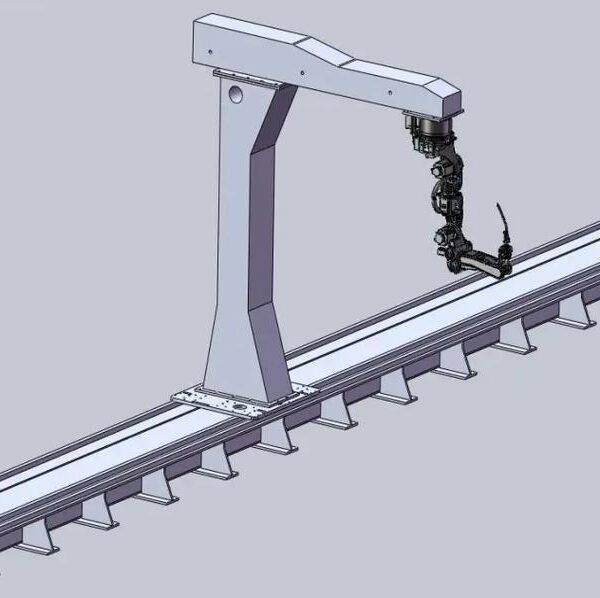

Cantilever Welding Robot solution
-
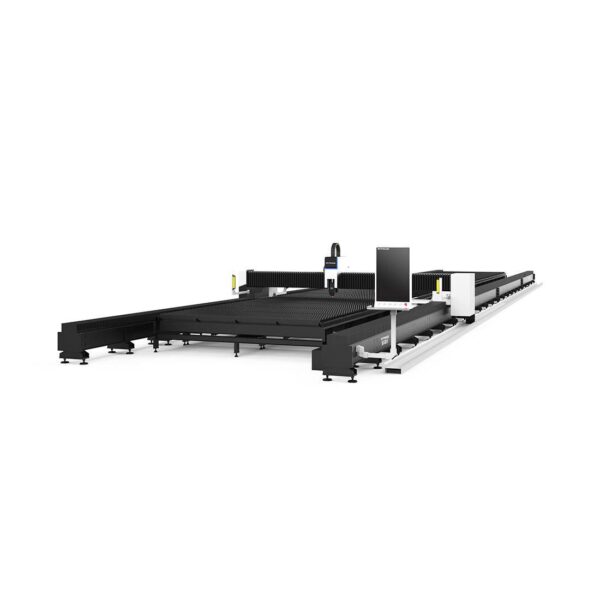

GF laser cutting machine
-
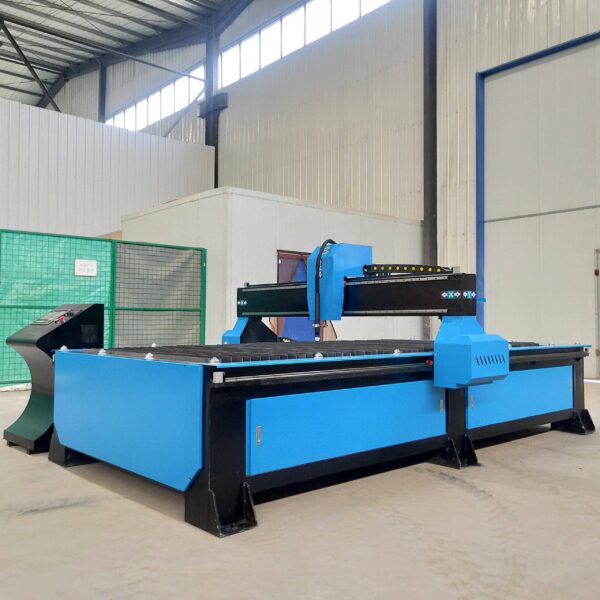
P3015 plasma cutting machine
-

LFP3015 Fiber Laser Cutter
-
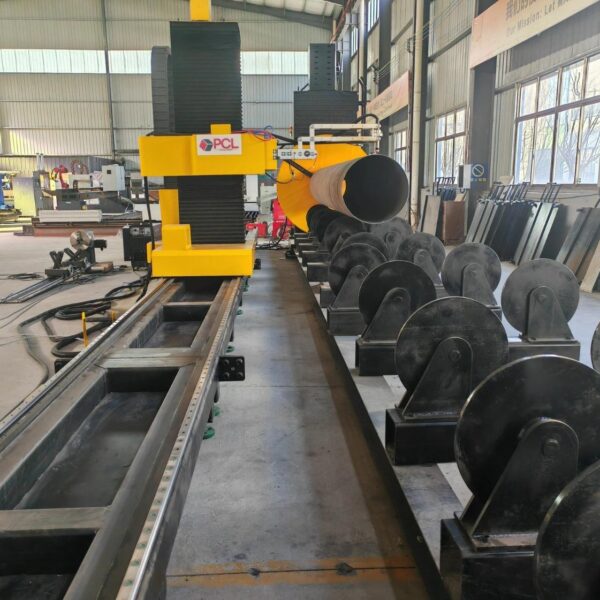
pipe plasma cutting machine
-
LFH 4020 Fiber Laser Cutting Machine
-
LFP4020
-
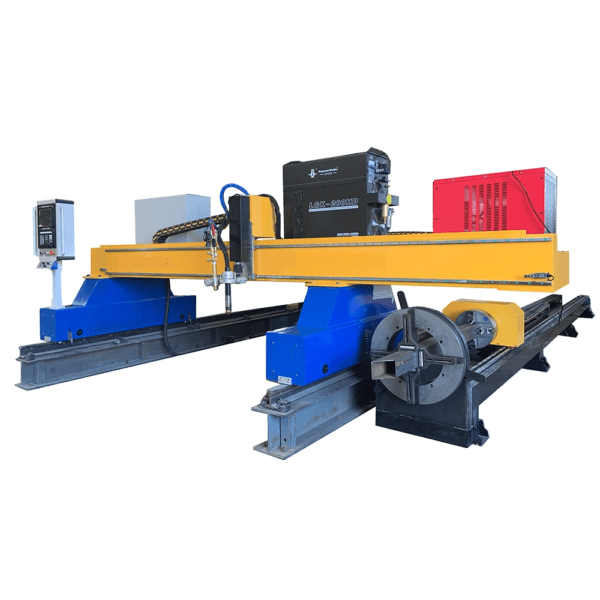
gantry plasma air cutting machine
-
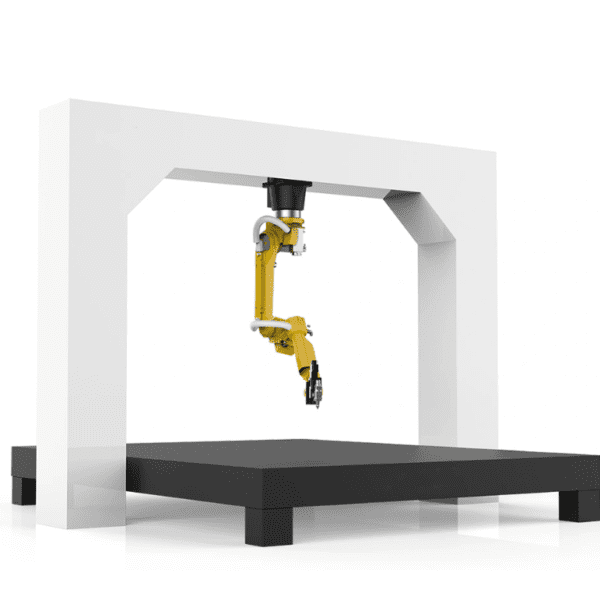
3D robot cutting machine
-
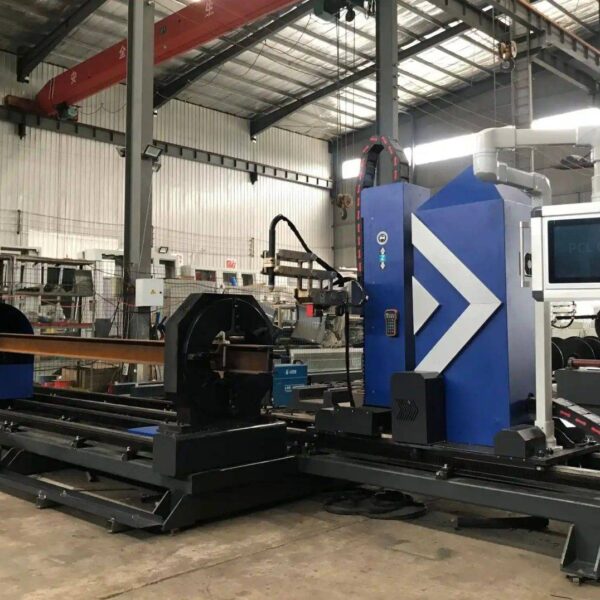
8 axis plasma cutting machine
-
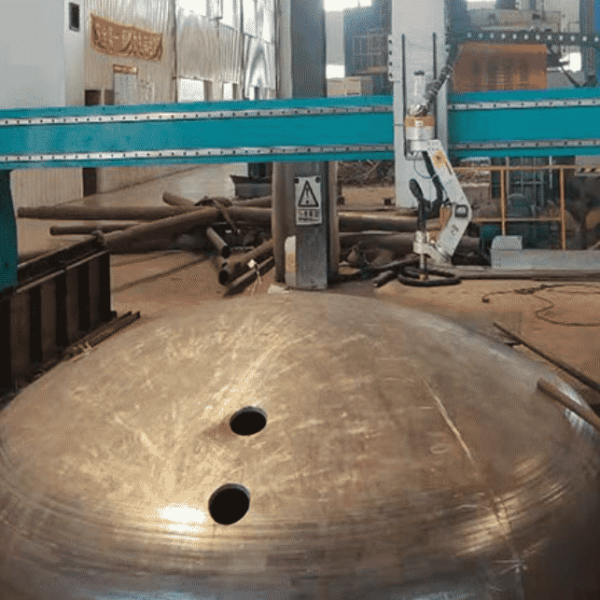
5 axis plasma cutting machine
-

LT360 tube laser cutting machine
-
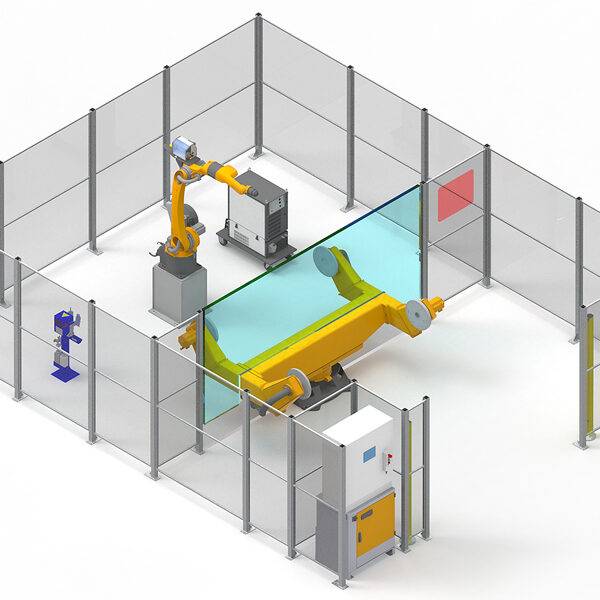
robot welding workstation
-
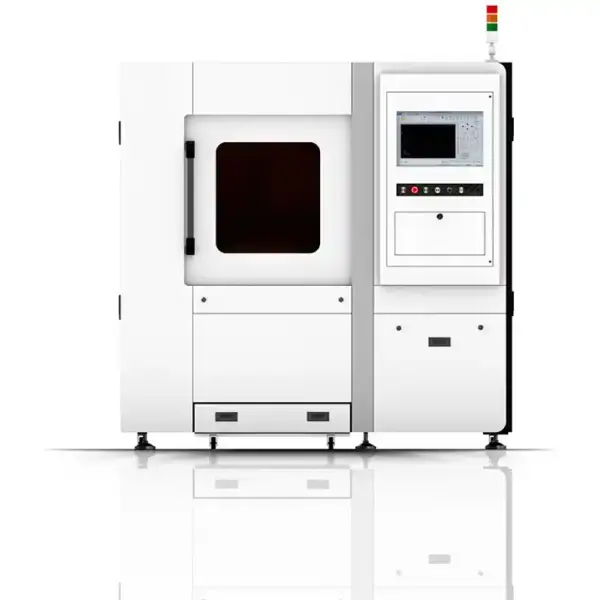
SF6060 fiber laser cutting machine
Advanced Fiber Laser Tube Processing Technology
Our CNC Fiber Laser Tube Cutting systems revolutionize metal fabrication by integrating high-precision cutting, punching, and profiling into a single automated workflow. Designed for versatility, this technology handles a wide array of profiles including Round, Square, Rectangular, and Oval tubes, as well as complex L-shaped and U-shaped channels.
- Precision Punching: High-speed hole punching with micron-level accuracy, eliminating the need for mechanical drilling or die-stamping.
- Complex Profiling: Advanced 3D pathing allows for intricate interlocking joints and specialized notch cuts, ideal for structural frames.
- High Material Efficiency: Intelligent nesting software minimizes scrap, reducing raw material costs across large production runs.
- Clean Finish: Delivers oxide-free, burr-free edges that require zero secondary grinding before welding.

Seamlessly processing multiple profiles with consistent precision.
Global Delivery & Logistics



From our high-tech manufacturing facility directly to your global site. PCL WeldCut ensures secure packaging, professional handling, and reliable international logistics to safeguard your equipment throughout the entire journey.