Field Engineering Report: Implementation of 2000W MAG Cobot Welder Systems in Urban Manufacturing Environments
1. Project Overview and Site Constraints
This report summarizes the three-month deployment and optimization phase of a 2000W MAG Cobot Welder within a high-output structural fabrication facility in London, UK. Unlike rural industrial estates, London-based workshops often face significant spatial constraints and power grid fluctuations that necessitate high-efficiency, small-footprint Arc Welding Solutions. The primary objective was to transition a portion of the manual MIG/MAG workload—specifically involving 5xxx and 6xxx series Aluminum Alloy welding—to a collaborative robotic system to ensure consistency in bead profile and penetration depth.
The facility in question specializes in bespoke architectural components and lightweight transport frames. The introduction of the 2000W system was intended to bridge the gap between low-power hobbyist units and high-amperage industrial robots that require massive safety cell enclosures. In the London context, the “collaborative” aspect is not a luxury but a requirement; the ability for human operators to work alongside the machine without 15 square meters of light curtains and hard fencing is critical for operational viability.
2. Technical Analysis of the MAG Cobot Welder
2.1 Power Modulation and Waveform Control
The 2000W power source integrated into the MAG Cobot Welder provides a significant advantage when dealing with the thermal conductivity issues inherent in Aluminum Alloy welding. During the initial setup, we observed that the unit’s ability to modulate pulse frequency was the deciding factor in controlling the weld pool. We utilized a synergic control mode where the wire feed speed and voltage are dynamically adjusted by the cobot’s internal controller.
In the field, we found that the 2000W threshold allows for a stable spray transfer mode on 6mm aluminum plates, which is typically the upper limit for this class of compact welder. The MAG (Metal Active Gas) process here, specifically using an Argon-Helium mix for the aluminum sections, showed a 25% increase in travel speed compared to manual operators who often slowed down to manage heat soak. The cobot’s constant travel speed prevents the “burn-through” common in manual starts and stops.
2.2 Mechanical Integration and Torch Geometry
The cobot arm utilized in this London site featured a 6-axis degrees-of-freedom configuration with a 1300mm reach. The synergy between the MAG Cobot Welder and the physical torch mounting is where many “off-the-shelf” Arc Welding Solutions fail. We had to customize the torch neck angle to 45 degrees to maintain a consistent push technique, which is vital for cleaning the oxide layer during the welding of aluminum. Any deviation in the torch angle leads to soot accumulation (smut) and porosity, which fails NDT (Non-Destructive Testing) standards immediately.
3. Implementing Advanced Arc Welding Solutions
3.1 Software Interplay and Path Programming
The term Arc Welding Solutions refers to more than just the hardware; it encompasses the software interface that allows a senior welder to “teach” the cobot. In our London trials, we moved away from traditional G-code programming toward “lead-through” programming. This allowed our veteran welders to physically move the MAG Cobot Welder arm through the desired path, recording waypoints for complex fillets on aluminum frames.
The real-world benefit was realized in the repeatability of the “stitch” weld. By programming specific weave patterns into the arc solution software, we achieved a “TIG-like” aesthetic on MAG-welded aluminum joints. This is a crucial requirement for the London architectural market, where the visual finish of the weld is often as important as its structural integrity.
3.2 Sensor Feedback and Adaptive Logic
One of the “lessons learned” during the second month was the impact of ambient temperature and humidity in a Thames-side workshop on wire feed consistency. Our Arc Welding Solutions package included an integrated wire-buffer system and an encoder at the feed motor. When the cobot detected a 5% deviation in wire friction—often caused by microscopic oxidation on the aluminum wire—it automatically adjusted the drive roll tension and alerted the operator. This proactive feedback loop is what separates a true industrial cobot from a basic automated arm.
4. Challenges in Aluminum Alloy Welding
4.1 Managing Thermal Expansion
Aluminum Alloy welding is notoriously difficult due to the material’s high thermal expansion coefficient. In a fixed jig, the aluminum tends to move away from the arc as heat builds up. The MAG Cobot Welder was programmed with a “touch-sensing” routine. Before each weld cycle, the wire (acting as a probe) touches the workpiece at three points to redefine the coordinate system. This 30-second pre-check saved hours of rework that would have been caused by part distortion.
4.2 Gas Coverage and Porosity Mitigation
In the London facility, drafts from large loading bay doors frequently disrupted gas coverage. We upgraded the Arc Welding Solutions kit to include a large-diameter gas lens and increased the flow rate to 20L/min of High-Purity Argon. We found that the 2000W system’s high-frequency start allowed for a pre-flow of gas that effectively purged the joint before the arc initiated, a critical step in preventing hydrogen porosity in 5083-grade aluminum used for marine-grade components.
5. Economic and Operational Impact in the UK Market
5.1 Throughput vs. Skill Gap
The London labor market currently faces a shortage of Level 3 certified welders. By deploying the MAG Cobot Welder, the site was able to use one senior engineer to oversee three cobot stations. The senior engineer handles the Arc Welding Solutions programming and NDT, while junior technicians handle the loading and unloading of jigs. This “force multiplier” effect resulted in a 300% increase in daily weld-inches without increasing the headcount.
5.2 Energy Efficiency and Compliance
The 2000W inverter-based system proved significantly more energy-efficient than the aging transformer-based MIG sets previously used. In a city where industrial electricity rates are volatile, the lower KVA requirement of the MAG Cobot Welder allowed the facility to run multiple units on a standard 32A supply without upgrading the local substation—a massive hidden cost saving for urban workshops.
6. Lessons Learned and Senior Engineer Recommendations
6.1 Cleanliness is Non-Negotiable
The most significant failure we encountered during the first week of Aluminum Alloy welding was related to surface contamination. Even with the best Arc Welding Solutions, if the aluminum is not chemically cleaned or stainless-steel brushed within 4 hours of welding, the cobot will trap oxides in the root. We implemented a strict “Clean-Zone” protocol within 2 meters of the cobot station.
6.2 Fixturing Over Programming
Engineers often spend too much time on the cobot’s software and not enough on the physical jigs. For Aluminum Alloy welding, the jigs must be robust but also allow for thermal dissipation. We recommend using copper chill bars integrated into the jigs to help the MAG Cobot Welder maintain a consistent temperature gradient across the heat-affected zone (HAZ).
6.3 Continuous Calibration
The London environment, with its high vibration from nearby heavy rail and traffic, can cause subtle shifts in floor-mounted cobot bases. We recommend a weekly TCP (Tool Center Point) calibration. It takes 5 minutes but ensures that the Arc Welding Solutions maintain sub-millimeter accuracy over long shifts.
7. Conclusion
The deployment of the 2000W MAG Cobot Welder in London has proven that collaborative automation is the most viable path for high-specification Aluminum Alloy welding. By integrating advanced Arc Welding Solutions, we have transitioned from a reactive “repair-heavy” workflow to a proactive “precision-first” operation. The synergy of high-frequency power control, adaptive software, and collaborative safety features makes this system an essential asset for the modern urban fabricator.
Report Filed By:
Senior Welding Engineer, Site Lead (London District)
Certification: CSWIP 3.1 / IWE
-
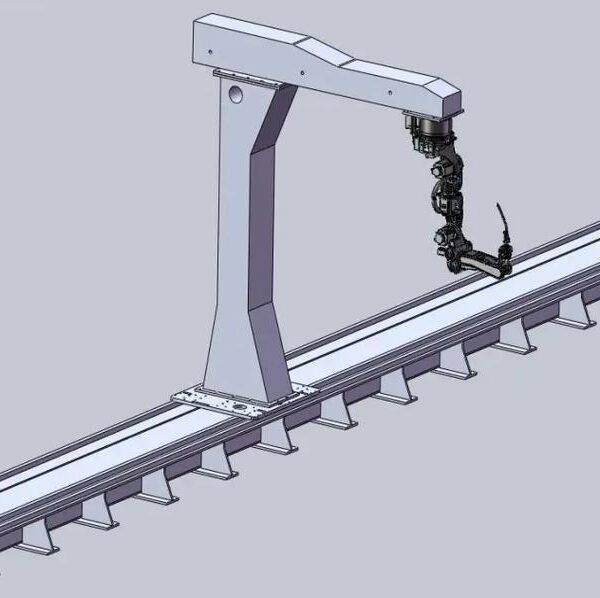

Cantilever Welding Robot solution
-
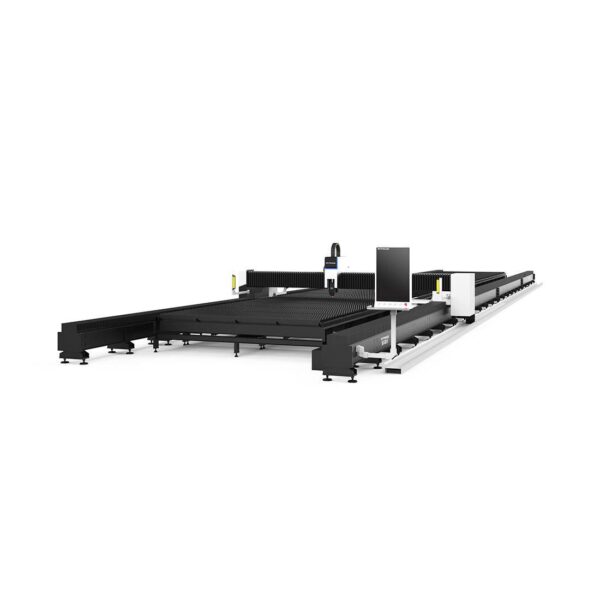

GF laser cutting machine
-
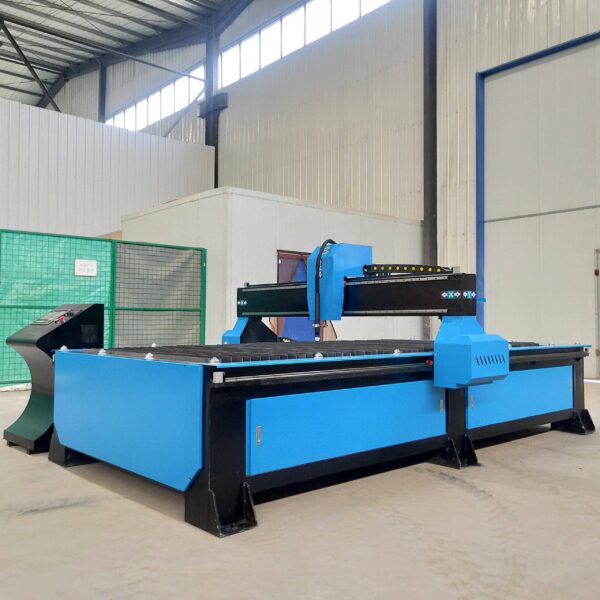
P3015 plasma cutting machine
-

LFP3015 Fiber Laser Cutter
-
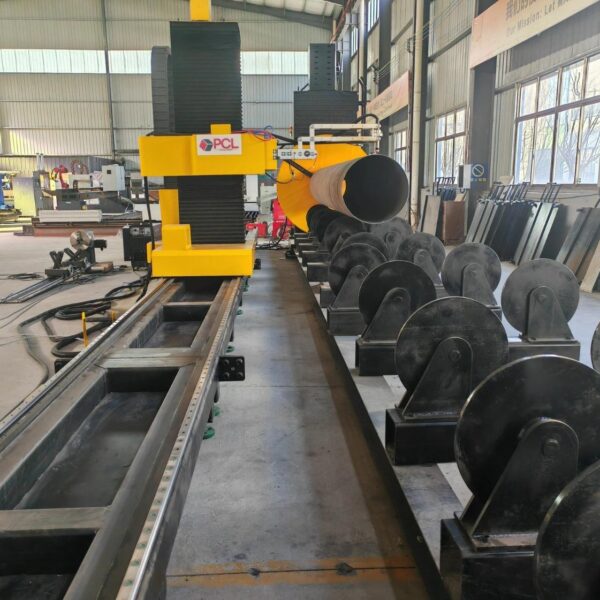
pipe plasma cutting machine
-
LFH 4020 Fiber Laser Cutting Machine
-
LFP4020
-
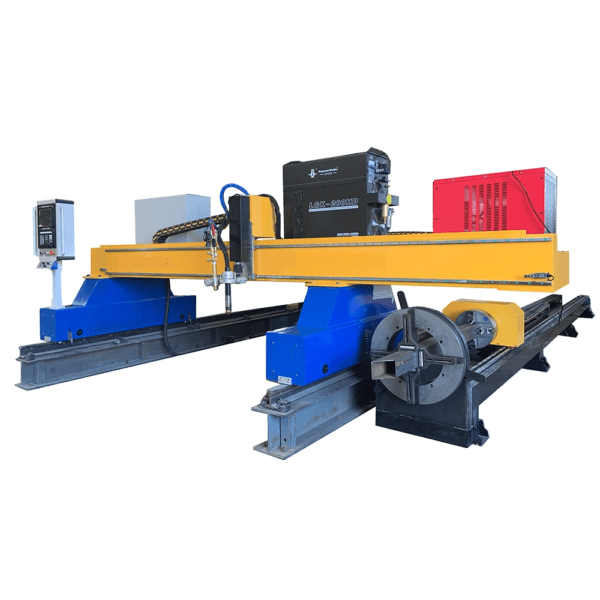
gantry plasma air cutting machine
-
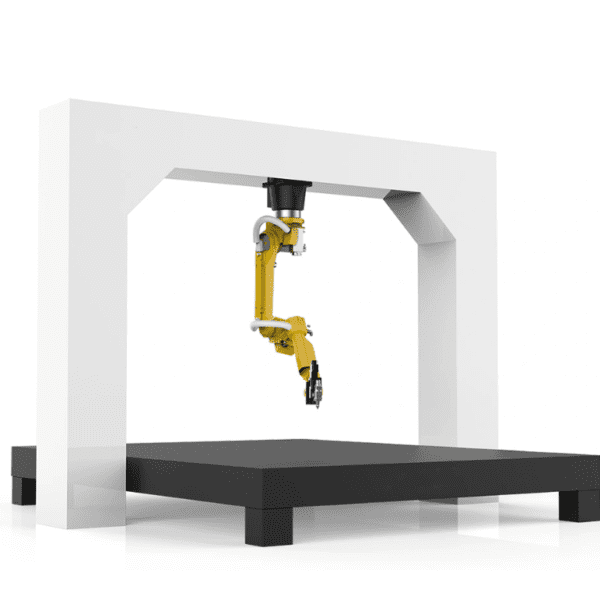
3D robot cutting machine
-
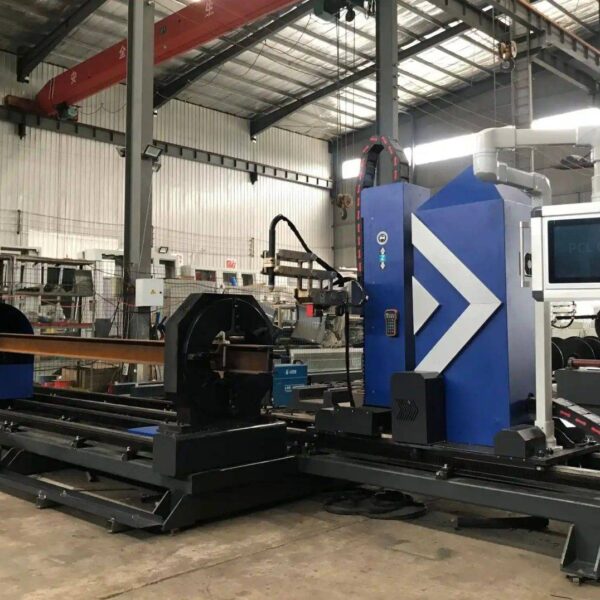
8 axis plasma cutting machine
-
5 axis plasma cutting machine
-

LT360 tube laser cutting machine
-
robot welding workstation
-
SF6060 fiber laser cutting machine
Advanced Fiber Laser Tube Processing Technology
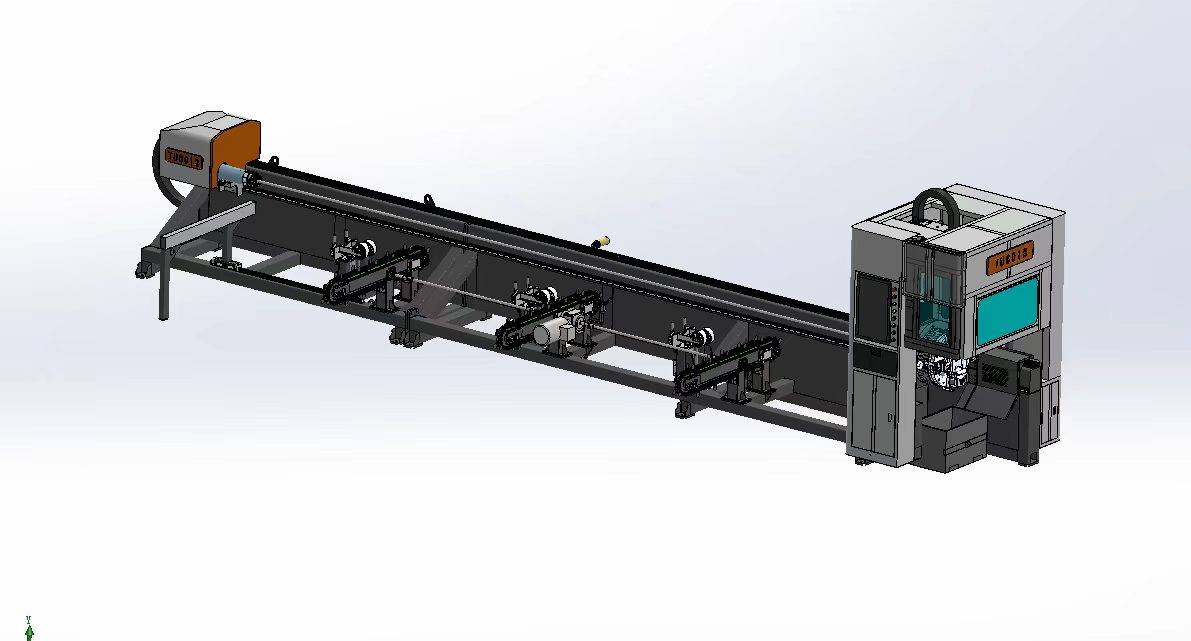
Our CNC Fiber Laser Tube Cutting systems revolutionize metal fabrication by integrating high-precision cutting, punching, and profiling into a single automated workflow. Designed for versatility, this technology handles a wide array of profiles including Round, Square, Rectangular, and Oval tubes, as well as complex L-shaped and U-shaped channels.
- Precision Punching: High-speed hole punching with micron-level accuracy, eliminating the need for mechanical drilling or die-stamping.
- Complex Profiling: Advanced 3D pathing allows for intricate interlocking joints and specialized notch cuts, ideal for structural frames.
- High Material Efficiency: Intelligent nesting software minimizes scrap, reducing raw material costs across large production runs.
- Clean Finish: Delivers oxide-free, burr-free edges that require zero secondary grinding before welding.

Seamlessly processing multiple profiles with consistent precision.
Global Delivery & Logistics



From our high-tech manufacturing facility directly to your global site. PCL WeldCut ensures secure packaging, professional handling, and reliable international logistics to safeguard your equipment throughout the entire journey.
One thought on “Engineering Review: 2000W MAG Cobot Welder – London, UK”
Fast shipping to our facility. The setup was straightforward for our team.