Field Engineering Report: Implementation of 2000W Laser Welding Cobot in Hai Phong Industrial Sector
This report details the technical deployment and performance evaluation of a 2000W Laser Welding Cobot at a Tier-2 automotive fabrication facility in Hai Phong, Vietnam. The objective was to transition high-volume mild steel welding operations from traditional Gas Metal Arc Welding (GMAW) to automated laser systems to address throughput bottlenecks and thermal distortion issues.
1. Infrastructure and Environmental Constraints
Deploying advanced Laser Technology in the coastal environment of Hai Phong presents unique challenges. The high ambient humidity (averaging 80%+) and salinity required a dedicated climate-controlled enclosure for the laser source. We observed that fluctuations in moisture levels directly impacted the consistency of the shielding gas ionization. To mitigate this, we implemented a dual-stage refrigerated air dryer for the pneumatic systems and strictly monitored the chiller dew point settings to prevent condensation on the protective windows of the Laser Welding Cobot.
2. The Synergy of Laser Technology and Collaborative Robotics
The core advantage of this system lies in the integration of a 2000W continuous wave (CW) fiber laser with a 6-axis collaborative arm. Unlike traditional industrial robots, the Laser Welding Cobot allows for “lead-through” programming. In the Hai Phong workshop, this enabled local technicians—who were experienced welders but novice programmers—to map complex weld paths on contoured mild steel welding assemblies in minutes rather than hours.
The laser technology provides a high-energy density beam (spot size approx. 150μm), while the cobot ensures a constant travel speed of 40mm/s, which is nearly impossible to maintain manually. This synergy eliminates the “pacing” inconsistency found in manual operations, leading to a 100% repeatable penetration profile.
3. Technical Analysis: Mild Steel Welding Parameters
Our primary focus was on 3.0mm to 6.0mm S235JR (Mild Steel). Conventional welding often results in significant longitudinal shrinkage. By utilizing the 2000W Laser Welding Cobot, we leveraged the following parameters to optimize the heat-affected zone (HAZ):
A. Power Distribution and Wobble Function
We utilized a 1.8kW output with a “Circle” wobble pattern (2.5mm width at 150Hz). This is critical for mild steel welding because it compensates for slight fit-up gaps (up to 0.5mm) which are common in heavy-gauge stampings. The laser technology allows us to agitate the weld pool, refining the grain structure and reducing the risk of solidification cracking.

B. Shielding Gas Dynamics
We moved from 100% CO2 to a high-purity Nitrogen shield. While Argon is standard for stainless, Nitrogen provided a harder surface finish on the mild steel beads and stabilized the plasma plume more effectively at the 2000W threshold. Flow rates were locked at 15 L/min to prevent atmospheric contamination in the drafty shop floor environment.
4. Comparative Performance: Manual vs. Cobot
Travel Speed and Heat Input
Manual GMAW on a 500mm fillet weld typically clocked at 8-10mm/s. The Laser Welding Cobot successfully maintained 35mm/s. Because the heat input is a function of (Power / Speed), the laser technology reduced the total thermal load on the mild steel parts by approximately 65%. This eliminated the need for post-weld straightening—a process that previously added 4 minutes of labor per part.
Consumable Reduction
In mild steel welding, wire consumption is a major cost driver. The laser system utilized a 1.2mm ER70S-6 filler wire, but because of the narrow groove geometry enabled by the laser, we reduced wire consumption by 40% per linear meter compared to the oversized fillets produced by manual MIG.
5. Lessons Learned from the Hai Phong Field Site
Lesson 1: The “Cleanliness” Non-Negotiable
The most significant hurdle was the state of the mild steel incoming from the local suppliers. Laser technology is far less forgiving than GMAW regarding mill scale and surface oils. We found that if the mild steel wasn’t pre-cleaned with a fiber disk or chemical degreaser, the laser would “pop” as it hit oil pockets, causing spatter that contaminated the cobot’s protective lens. We had to implement a strict pre-weld cleaning station to ensure 99% uptime of the Laser Welding Cobot.
Lesson 2: Fixturing Precision
A Laser Welding Cobot is only as good as its jigs. In manual mild steel welding, the welder compensates for a 1mm gap by slowing down. The laser will simply shoot through the gap. We learned that investing in high-precision toggle clamps and machined baseplates was mandatory. If the gap exceeds 15% of the material thickness, the weld integrity fails. We spent the first two weeks of the Hai Phong deployment redesigning fixtures to hold tolerances within +/- 0.1mm.
Lesson 3: Lens Maintenance in High-Volume Shifts
Operating in an industrial zone like Hai Phong means dust is constant. Despite the “air knife” feature on the Laser Welding Cobot, we noted a degradation in beam quality every 4 hours of continuous firing. The lesson learned was to implement a “Check and Clean” protocol every shift change. Using isopropyl alcohol and lint-free swabs saved us from replacing a $500 protective window every three days.
6. Safety and Integration of the Laser Welding Cobot
Since this is a Class 4 laser technology application, the “collaborative” nature of the robot refers to the programming and setup, not the active welding phase. In the Hai Phong facility, we designed a light-tight enclosure with OD6+ rated viewing windows. We integrated the cobot’s E-stop circuit with the door interlocks of the welding cell. This ensures that the 2000W beam is instantly killed if a technician enters the workspace. Senior management initially misunderstood “Cobot” to mean it could weld openly next to other workers; as engineers, we had to strictly enforce the safety barriers required for high-power laser radiation.
7. Conclusion and ROI Analysis
The implementation of the Laser Welding Cobot in Hai Phong has demonstrated that mild steel welding can be transitioned to high-tech automation even in challenging environmental conditions.
The key metrics over the first 30 days are as follows:
- Throughput Increase: 280% increase in parts per shift.
- Rejection Rate: Dropped from 4.5% (manual) to 0.3% (laser).
- Energy Efficiency: The fiber laser technology utilized significantly less wall-plug power per weld compared to the high-amperage MIG machines.
For future deployments in Vietnam, the focus must remain on operator education and rigorous surface preparation. The Laser Welding Cobot is not a “plug and play” replacement for a welder, but rather a precision instrument that requires a higher standard of upstream manufacturing. When those standards are met, the results for mild steel welding are unparalleled in the current market.
Engineer in Charge: [Name/ID]
Location: Hai Phong Site B
Status: Commissioning Complete / Production Live
-
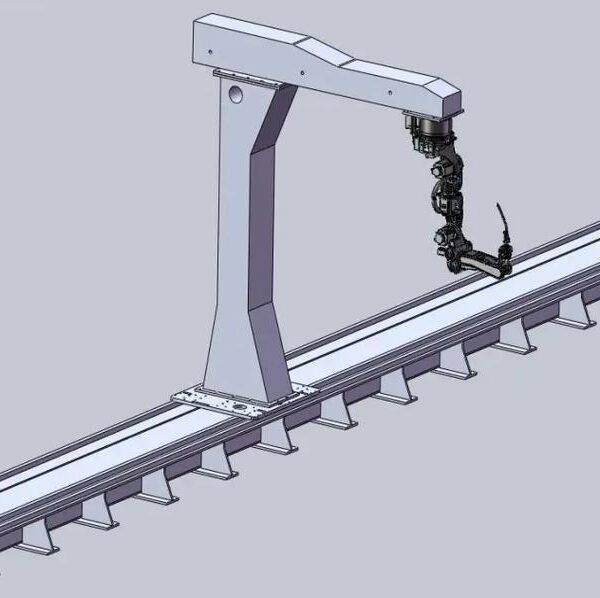

Cantilever Welding Robot solution
-
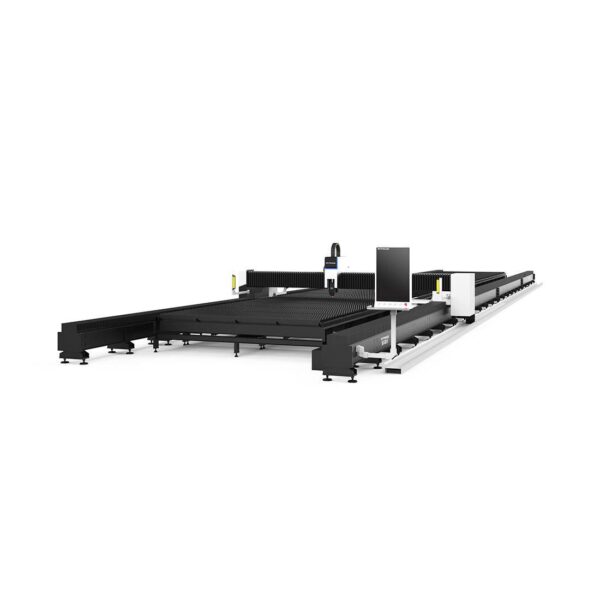

GF laser cutting machine
-
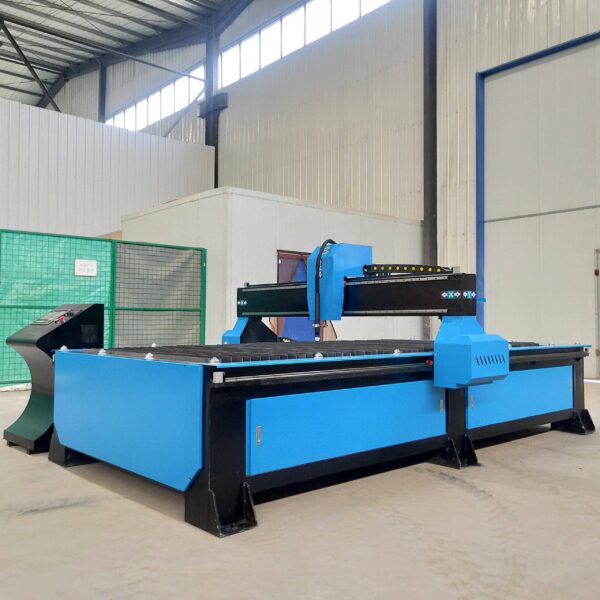
P3015 plasma cutting machine
-

LFP3015 Fiber Laser Cutter
-
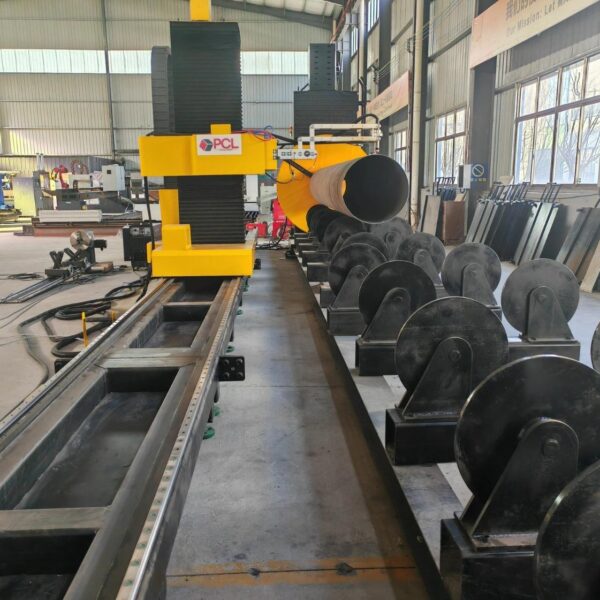
pipe plasma cutting machine
-
LFH 4020 Fiber Laser Cutting Machine
-
LFP4020
-
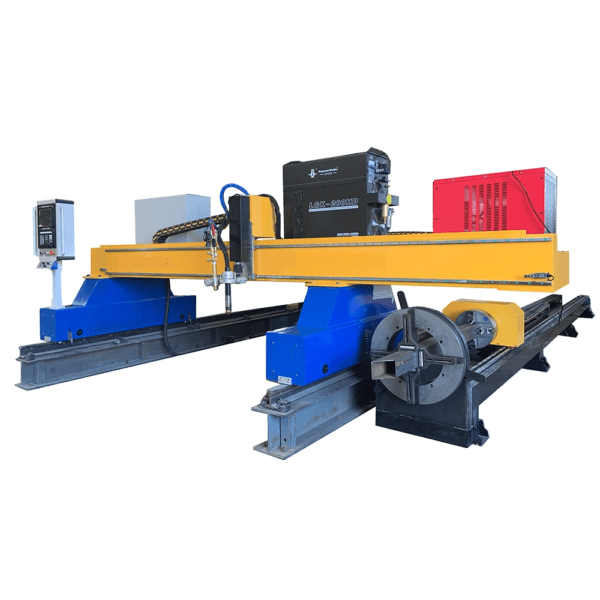
gantry plasma air cutting machine
-
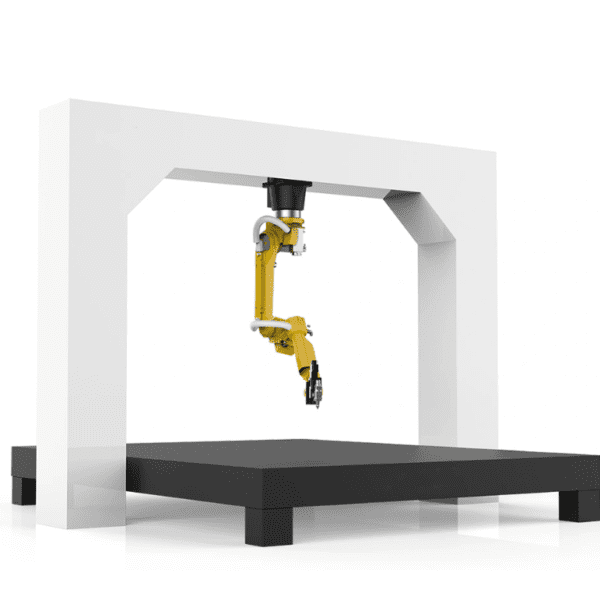
3D robot cutting machine
-
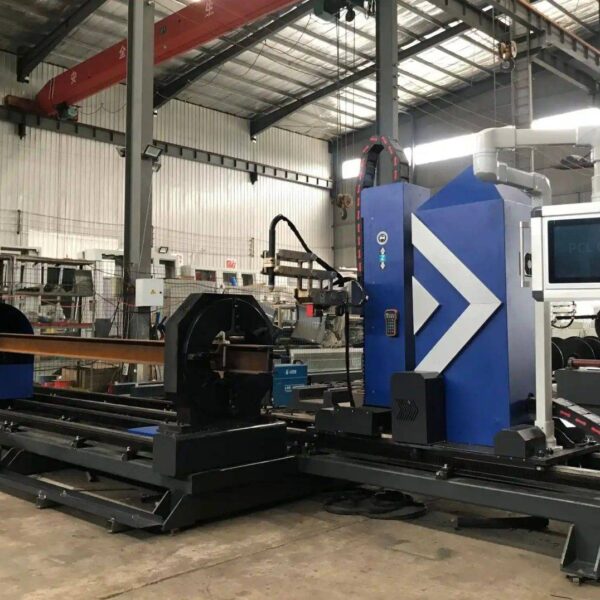
8 axis plasma cutting machine
-
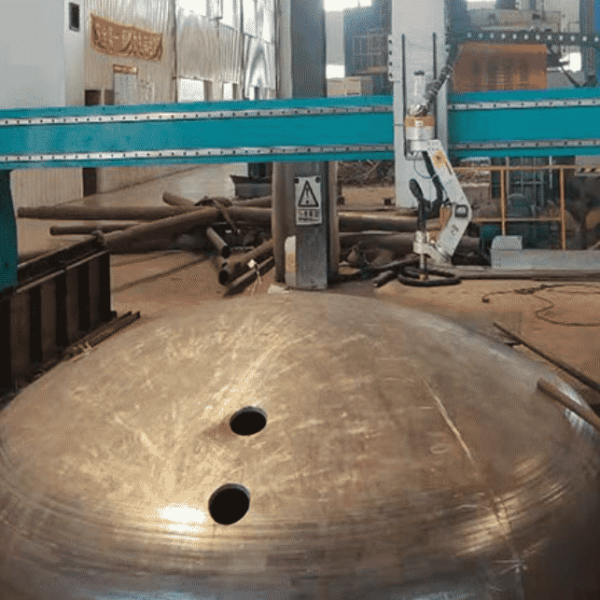
5 axis plasma cutting machine
-

LT360 tube laser cutting machine
-
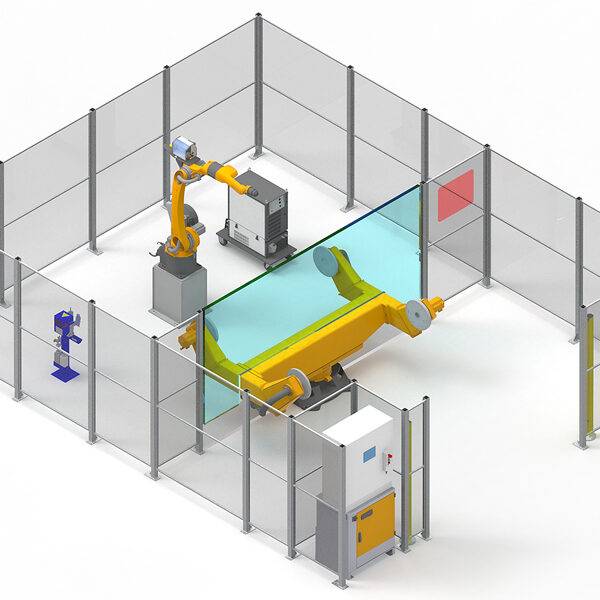
robot welding workstation
-
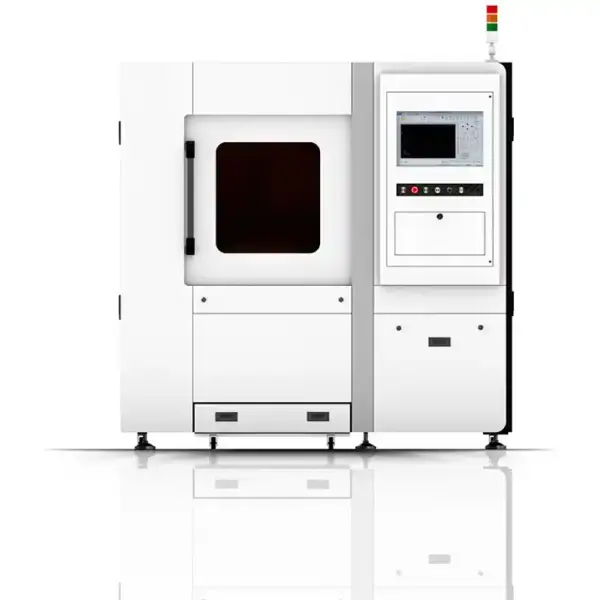
SF6060 fiber laser cutting machine
Advanced Fiber Laser Tube Processing Technology
Our CNC Fiber Laser Tube Cutting systems revolutionize metal fabrication by integrating high-precision cutting, punching, and profiling into a single automated workflow. Designed for versatility, this technology handles a wide array of profiles including Round, Square, Rectangular, and Oval tubes, as well as complex L-shaped and U-shaped channels.
- Precision Punching: High-speed hole punching with micron-level accuracy, eliminating the need for mechanical drilling or die-stamping.
- Complex Profiling: Advanced 3D pathing allows for intricate interlocking joints and specialized notch cuts, ideal for structural frames.
- High Material Efficiency: Intelligent nesting software minimizes scrap, reducing raw material costs across large production runs.
- Clean Finish: Delivers oxide-free, burr-free edges that require zero secondary grinding before welding.

Seamlessly processing multiple profiles with consistent precision.
Global Delivery & Logistics



From our high-tech manufacturing facility directly to your global site. PCL WeldCut ensures secure packaging, professional handling, and reliable international logistics to safeguard your equipment throughout the entire journey.