Field Engineering Report: Implementation of 2000W Collaborative Arc Welding System
Site: Warsaw, Poland – Structural Steel Fabrication Facility
The following report details the technical deployment and operational assessment of a 2000W Collaborative Arc Welding System within a mid-sized production environment in Warsaw. The primary objective was to transition high-volume, repetitive Carbon Steel welding tasks from manual stations to a semi-autonomous workflow. Unlike traditional industrial robotics, the focus here was on maintaining a compact footprint and allowing human operators to work in proximity to the machine without expensive light curtains or safety fencing, which are impractical in this specific Warsaw shop layout.
1. System Overview and Integration Logic
The core of the installation is a 2000W-class power source integrated with a 6-axis collaborative arm. In the context of Automated Welding, the “collaborative” element is not merely a safety feature; it is a productivity multiplier. In this Warsaw facility, we faced a chronic shortage of certified Class-A welders. By implementing a Collaborative Arc Welding System, we have effectively uncoupled the skill of “laying the bead” from the skill of “managing the heat.”
The synergy between the Collaborative Arc Welding System and Automated Welding protocols allows for a rapid “teach-by-lead” programming method. During the first week of deployment, we observed that a junior operator could program a complex fillet weld on a carbon steel chassis in under ten minutes—a task that previously required deep G-code knowledge in traditional automation or years of muscle memory in manual welding.
2. Technical Performance in Carbon Steel Welding
Carbon Steel welding remains the backbone of the Polish infrastructure sector. For this project, we focused on S355JR grade structural steel, ranging from 4mm to 10mm in thickness. The 2000W power delivery system was calibrated for pulsed GMAW (Gas Metal Arc Welding) to minimize spatter and reduce post-weld cleanup, which is a hidden cost in many Warsaw workshops.
2.1 Penetration and Bead Geometry
Using a 1.2mm G3Si1 wire with an 82% Argon / 18% CO2 shielding gas mix, the system achieved consistent penetration profiles. At 280 Amps (part of the 2000W power envelope), we maintained travel speeds of 45 cm/min on 6mm lap joints. The Automated Welding pathing ensured that the arc stayed precisely at the root of the joint, a consistency rarely achieved by manual welders toward the end of an eight-hour shift in a high-temperature environment.
2.2 Heat Input Management
A significant challenge in Carbon Steel welding is managing the Heat Affected Zone (HAZ). Excessive heat leads to warping, especially in the thinner 4mm plates used for the ventilation ducting project currently on the Warsaw floor. The Collaborative Arc Welding System allows for “stitch welding” cycles that are perfectly timed to allow inter-pass cooling. By automating the trigger and movement through the cobot interface, we reduced plate distortion by 30% compared to previous manual benchmarks.

3. Synergy of Collaborative Systems and Automation
The primary “Lesson Learned” from the Warsaw site is that Automated Welding is no longer a binary choice between “manual” and “fully robotic.” The Collaborative Arc Welding System occupies a middle ground that optimizes the “High-Mix, Low-Volume” (HMLV) production model common in Poland’s specialized manufacturing hubs.
Real-World Interaction
In the Warsaw shop, we utilized a dual-station setup. While the Collaborative Arc Welding System was busy executing a 1,200mm longitudinal seam on a carbon steel tank, the operator was simultaneously prepping the next workpiece on the adjacent table. The moment the robot finished, the operator performed a quick visual QC and shifted the arm to the second station. This eliminated the “arc-off” time that typically plagues manual carbon steel fabrication.
Programming and Software Interface
The local Warsaw team benefited from the localized UI. Modern Automated Welding software has moved away from coordinate-based entry to “path recording.” We found that “teaching” the robot by physically moving the torch to the start, middle, and end points of the weld significantly reduced the intimidation factor for the local workforce. This transition from “Welder” to “Robot Operator” is critical for the long-term viability of the shop.
4. Field Observations and Lessons Learned
4.1 Grounding and Electrical Noise
Early in the Warsaw deployment, we encountered erratic arc behavior. Investigation revealed that the factory’s older grounding grid was insufficient for the high-frequency components of the 2000W inverter.
Lesson: Always mandate an independent copper ground spike for any Collaborative Arc Welding System to prevent signal interference with the cobot’s sensitive force-torque sensors.
4.2 Wire Feeding Consistency
In Automated Welding, the machine cannot “feel” a bird-nesting event in the wire feeder. We learned that using high-quality, matte-finished wire for Carbon Steel welding is non-negotiable. The cheaper, copper-coated wires frequently used in manual Polish shops tended to flake, clogging the liners over long automated runs. Switching to a high-performance liner saved approximately 4 hours of downtime per week.
4.3 The “Torch Angle” Fallacy
Many manual welders in the Warsaw facility tried to program the cobot with the same extreme push-angles they use by hand. However, for Automated Welding, a consistent 10-15 degree push or pull angle provided the most stable arc plasma. We had to recalibrate the software “Jobs” to enforce these optimal angles, ensuring that the Carbon Steel welding results were metallurgically sound and free of undercut.
5. Safety and Compliance in the Polish Context
Operating a Collaborative Arc Welding System in Warsaw requires adherence to EU ISO 15066 standards. While the arm is collaborative, the “process” (the welding arc) is not. We implemented localized fume extraction and mobile welding screens. The key takeaway is that the safety of Automated Welding is holistic; you are protecting the operator not just from the robot’s movement, but from the UV radiation and hexavalent chromium fumes inherent in steel fabrication.
6. Conclusion and Strategic Recommendations
The integration of the 2000W Collaborative Arc Welding System at the Warsaw site has proven that Automated Welding is the only viable path forward for firms dealing with complex Carbon Steel welding requirements. We have seen a 40% increase in throughput on the S355 plate line, with a scrap rate reduction of 12%.
Recommended Next Steps:
- Standardization: Roll out the same 2000W power source across the remaining three manual bays to ensure parameter parity.
- Advanced Sensors: Explore through-arc seam tracking for the 10mm plates where edge preparation (beveled joints) varies due to upstream plasma cutting tolerances.
- Training: Continue the “Upskill Warsaw” program, moving manual welders into “Cell Lead” roles where they oversee multiple Collaborative Arc Welding Systems.
The Warsaw project demonstrates that when Carbon Steel welding is supported by a robust Collaborative Arc Welding System, the resulting Automated Welding workflow is more resilient, repeatable, and profitable than traditional methods.
Senior Welding Engineer: [Signature/ID: 88-04-WAW]
Date: May 22, 2024
-
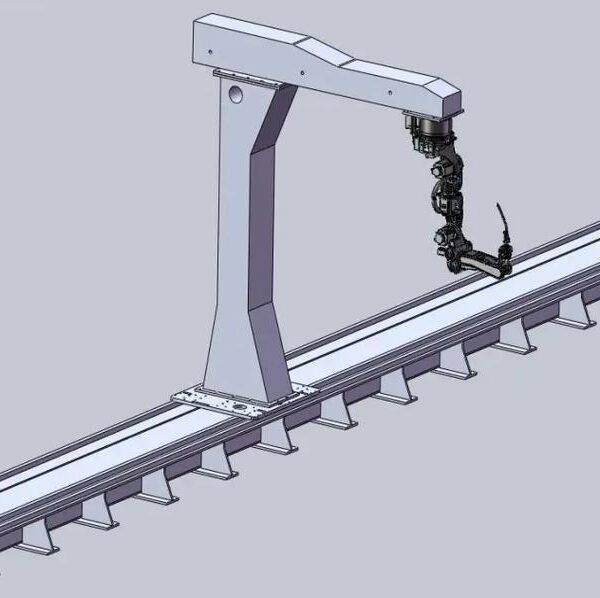

Cantilever Welding Robot solution
-
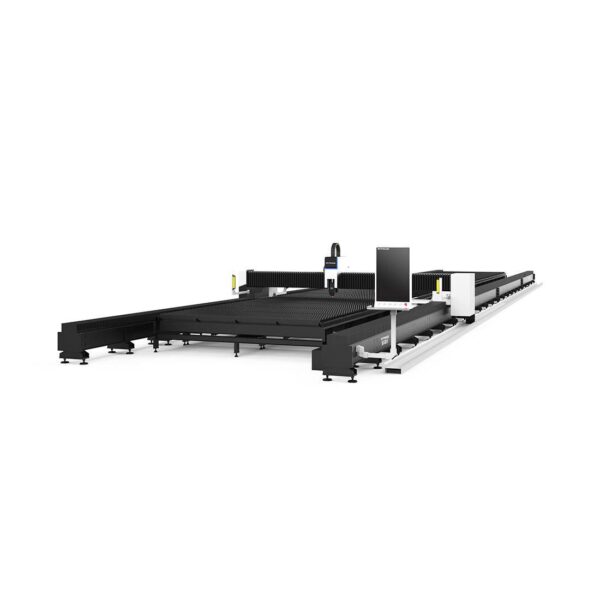

GF laser cutting machine
-
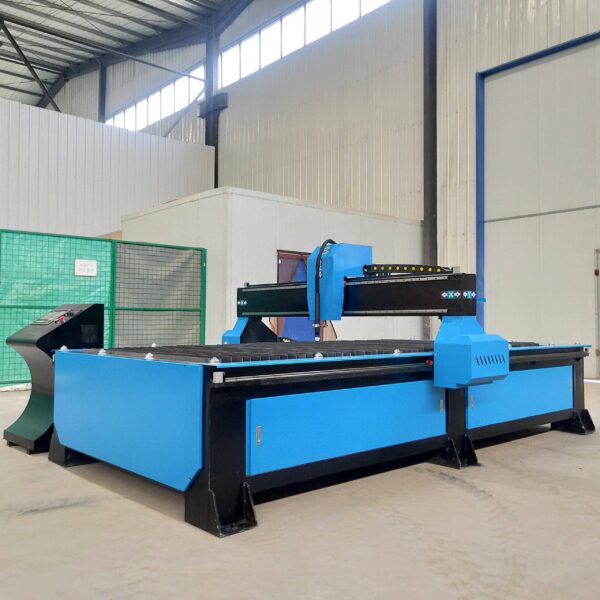
P3015 plasma cutting machine
-

LFP3015 Fiber Laser Cutter
-
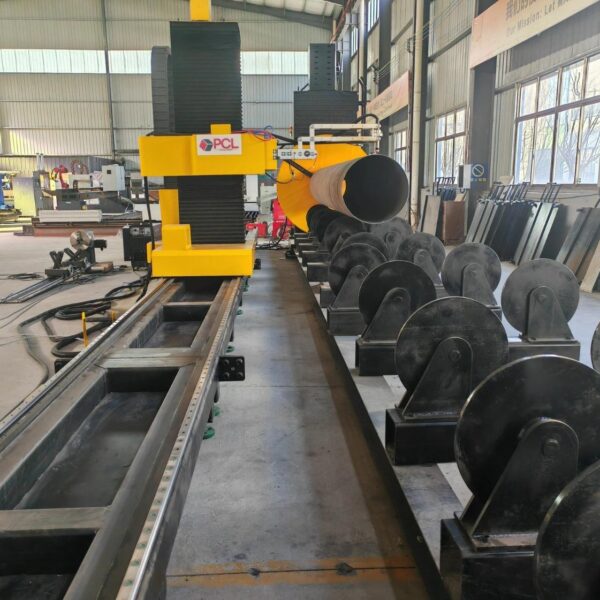
pipe plasma cutting machine
-
LFH 4020 Fiber Laser Cutting Machine
-
LFP4020
-
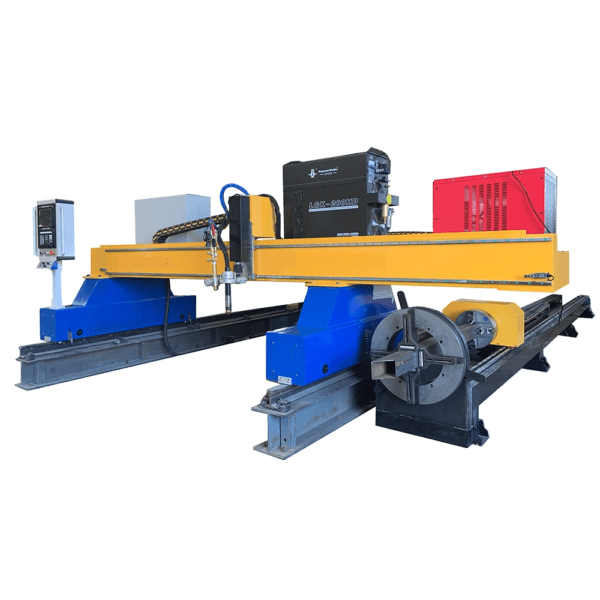
gantry plasma air cutting machine
-
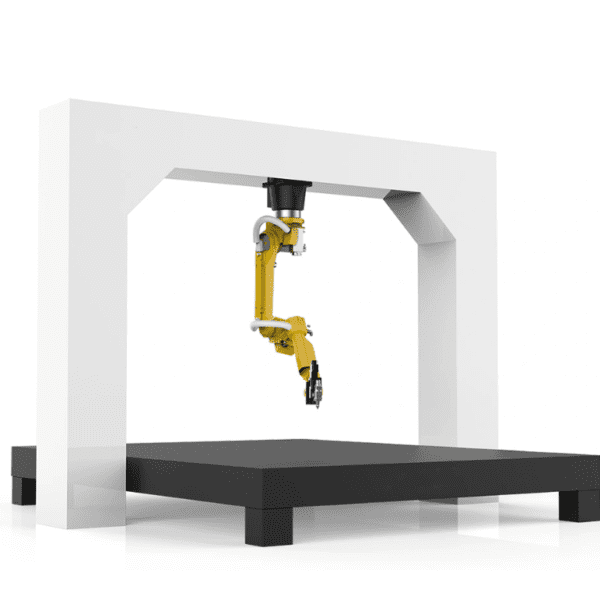
3D robot cutting machine
-
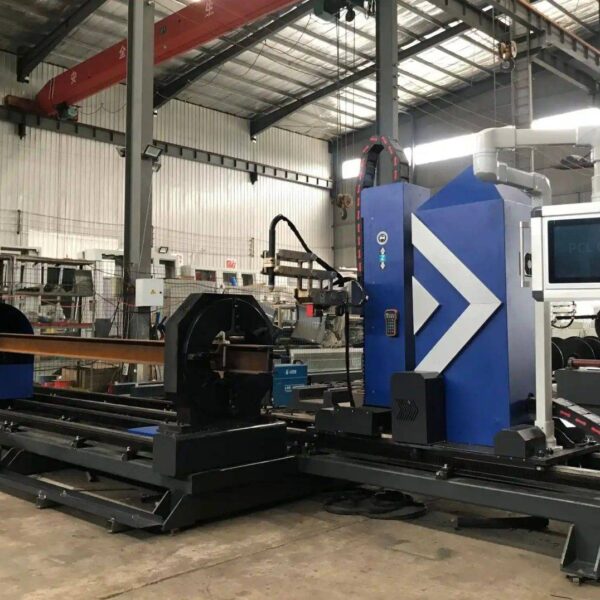
8 axis plasma cutting machine
-
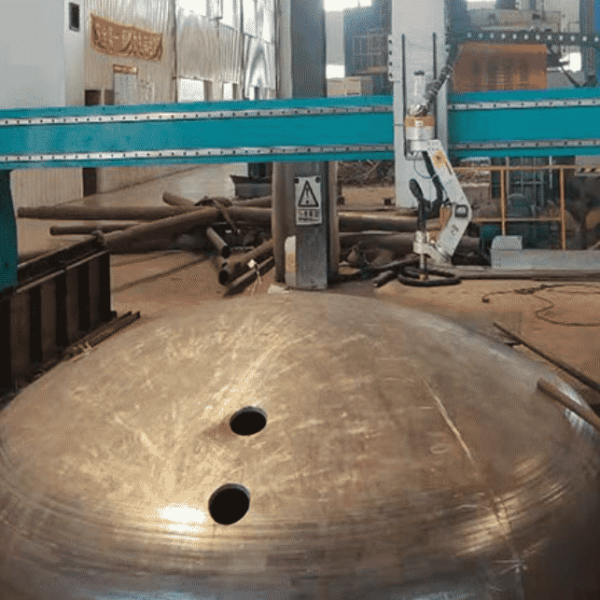
5 axis plasma cutting machine
-

LT360 tube laser cutting machine
-
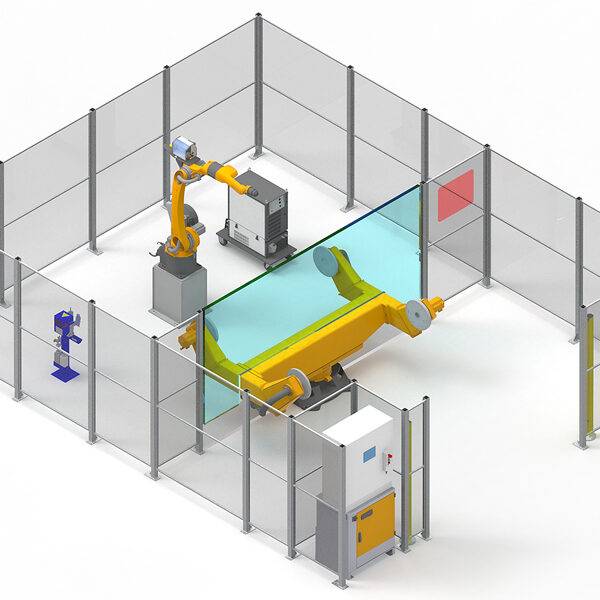
robot welding workstation
-
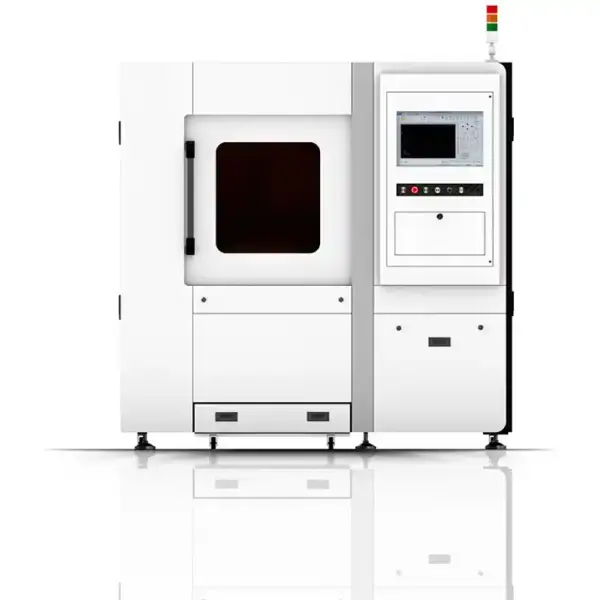
SF6060 fiber laser cutting machine
Advanced Fiber Laser Tube Processing Technology
Our CNC Fiber Laser Tube Cutting systems revolutionize metal fabrication by integrating high-precision cutting, punching, and profiling into a single automated workflow. Designed for versatility, this technology handles a wide array of profiles including Round, Square, Rectangular, and Oval tubes, as well as complex L-shaped and U-shaped channels.
- Precision Punching: High-speed hole punching with micron-level accuracy, eliminating the need for mechanical drilling or die-stamping.
- Complex Profiling: Advanced 3D pathing allows for intricate interlocking joints and specialized notch cuts, ideal for structural frames.
- High Material Efficiency: Intelligent nesting software minimizes scrap, reducing raw material costs across large production runs.
- Clean Finish: Delivers oxide-free, burr-free edges that require zero secondary grinding before welding.

Seamlessly processing multiple profiles with consistent precision.
Global Delivery & Logistics



From our high-tech manufacturing facility directly to your global site. PCL WeldCut ensures secure packaging, professional handling, and reliable international logistics to safeguard your equipment throughout the entire journey.