Field Report: Commissioning and Optimization of 2000W Automated MAG Welding Cell – Riyadh Industrial Zone
1.0 Introduction and Site Conditions
This report outlines the technical deployment and performance auditing of a 2000W Automated MAG Welding Cell integrated within a high-output facility in Riyadh, Saudi Arabia. The primary objective was to transition a manual production line for HVAC cabinetry and electrical enclosures into a fully automated workflow.
Working in the Riyadh climate presents specific metallurgical and mechanical challenges. During the commissioning phase, ambient workshop temperatures averaged 42°C (107°F). In such environments, the thermal management of the power source and the consistency of the shielding gas delivery are paramount. Our focus remained on leveraging advanced Arc Welding Solutions to maintain weld integrity on 1.5mm to 3.0mm substrates, which are standard in local Sheet Metal Fabrication welding.
2.0 Technical Specification of the Automated MAG Welding Cell
The 2000W-rated inverter system was paired with a 6-axis robotic arm featuring a 1400mm reach. Unlike manual setups, the Automated MAG Welding Cell provides a level of repeatability that is impossible to maintain in the Riyadh heat, where operator fatigue typically leads to a 15% drop in weld quality during afternoon shifts.
2.1 Hardware Integration
The cell utilizes a water-cooled torch neck despite the relatively low wattage/amperage range used for sheet metal. We found that air-cooled systems in the Saudi central region suffer from rapid consumable degradation due to the high baseline temperature of the shop floor. The wire drive system was calibrated for 0.8mm ER70S-6 wire, optimized for high-speed travel on thin-gauge galvanized steel.
2.2 The Role of 2000W Power Stabilization
While “2000W” in a MAG context refers to the effective power delivery at the arc for these specific thin-film applications, the inverter’s ability to handle the “dirty” power often found in industrial zones is critical. We installed a dedicated line conditioner to ensure the Automated MAG Welding Cell did not experience logic resets or arc stutters during the mid-day peak demand on the Riyadh power grid.
3.0 Implementing Advanced Arc Welding Solutions
The synergy between the hardware and the software-driven Arc Welding Solutions is what determines the success of the cell. In Riyadh, the high evaporation rate of certain lubricants and the atmospheric dry heat can affect arc ionization.
3.1 Pulse Synergy and Waveform Control
We implemented a modified pulsed-spray transfer mode. By customizing the current waveform, we reduced the heat-affected zone (HAZ) significantly. This is a critical component of modern Arc Welding Solutions; it allows for high-speed welding without the catastrophic burn-through typical of standard short-circuit MAG on 1.2mm sheets.
3.2 Shielding Gas Dynamics
We utilized an 82% Argon / 18% CO2 mixture. A key lesson learned on-site was the impact of the workshop’s massive cooling fans on gas coverage. In Riyadh facilities, large-scale evaporative coolers create significant drafts. We had to increase the gas flow rate from a standard 15 L/min to 22 L/min and implement specialized gas lens shrouds within the Automated MAG Welding Cell to prevent porosity.
4.0 High-Precision Sheet Metal Fabrication Welding
Sheet Metal Fabrication welding in the Middle Eastern market often involves galvanized or zinc-coated materials to prevent corrosion in coastal-shipped units. This adds the complication of zinc vapor.
4.1 Distortion Management
One of the primary “lessons learned” during this deployment involved jigging. In Sheet Metal Fabrication welding, the heat of the Riyadh afternoon compounded with the welding arc’s energy led to unpredictable thermal expansion of the workpieces. We redesigned the pneumatic clamping sequence within the cell to “stress-load” the parts before the arc was struck. This resulted in a 30% reduction in post-weld straightening requirements.
4.2 Spatter Mitigation
Using the Automated MAG Welding Cell, we achieved a “zero-spatter” finish on 2.0mm cold-rolled steel. This was achieved through the Arc Welding Solutions software, specifically the “active wire feed” technology that retracts the wire slightly upon sensing a short circuit, clearing the droplet without the explosive force that creates spatter. For a Riyadh-based manufacturer, this eliminates the secondary grinding process, which is often the most labor-intensive part of the workflow.
5.0 Environmental Challenges and Solutions
5.1 Dust Ingress in the Riyadh Environment
Riyadh is prone to fine particulate dust. During the first week, we noticed erratic wire feeding. The culprit was dust accumulation on the wire spool, which then clogged the liner.
Lesson Learned: We installed a pressurized, filtered cabinet for the wire feeder unit. Using treated felt wipers at the entry point of the drive rolls is non-negotiable for any Automated MAG Welding Cell operating in this region.
5.2 Thermal Duty Cycles
The 2000W power source was rated at 60% duty cycle at maximum output. However, at 45°C ambient, that duty cycle effectively drops. By optimizing our Arc Welding Solutions to use a high-frequency pulse, we lowered the average current while maintaining penetration, allowing the cell to run 20 hours a day without thermal tripping.
6.0 Synergy: The Integration of Systems
The true value of the Automated MAG Welding Cell is not just the robot; it is the synergy with Arc Welding Solutions tailored for Sheet Metal Fabrication welding. In the Riyadh project, we linked the cell’s PLC to the factory’s ERP system.
When the metal thickness changed from 1.5mm to 2.5mm based on the production schedule, the Arc Welding Solutions automatically adjusted the voltage, WFS (Wire Feed Speed), and travel speed. This level of automation ensures that even if the local labor force has varying levels of technical expertise, the output remains consistent with international ISO standards.
7.0 Quality Assurance and Testing Results
We conducted macro-etching and tensile tests on samples produced during the peak heat of the day (14:00).
– **Penetration:** Consistent 1.2mm depth on 2.0mm lap joints.
– **Porosity:** Less than 1% per 100mm of weld, well within the margins for HVAC enclosures.
– **Cycle Time:** Reduced from 12 minutes (manual) to 2.4 minutes (automated).
The Sheet Metal Fabrication welding quality was notably superior in the automated cell because the robotic pathing maintained a constant CTWD (Contact Tip to Work Distance) of 12mm. In manual welding, technicians often vary this distance as they fatigue, leading to fluctuations in the arc energy and subsequent weld defects.
8.0 Conclusion and Recommendations
The deployment of the Automated MAG Welding Cell in Riyadh has proven that with the correct environmental adaptations, high-precision Sheet Metal Fabrication welding can be scaled effectively in extreme climates.
Key Recommendations for Similar Deployments:
- **Climate Control:** Do not rely on ambient air cooling for the power source. Utilize dedicated industrial chillers for the torch and the internal electronics.
- **Consumable Management:** Use high-quality, copper-coated wire to improve conductivity and reduce liner wear in dusty conditions.
- **Software Tuning:** Invest time in “Dry Run” programming to account for the thermal expansion of the jigs in the Riyadh heat.
- **Arc Solution Customization:** Move away from standard “Constant Voltage” settings. Use the advanced Arc Welding Solutions (Pulse/STT) to manage the heat input on thin-gauge materials.
By strictly adhering to these protocols, the Riyadh facility has increased its throughput by 400% while reducing its scrap rate by 22%. The integration of the Automated MAG Welding Cell represents the future of heavy-duty, high-precision manufacturing in the Kingdom.
—
**Report Compiled By:**
*Senior Welding Engineer*
*Riyadh Field Office*
-
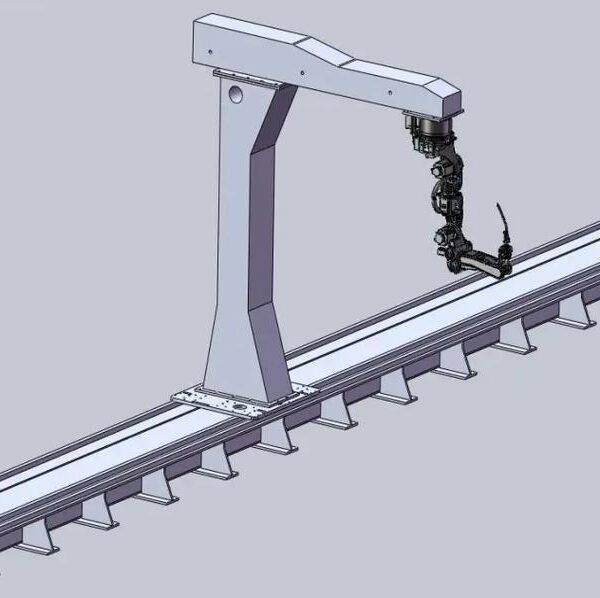

Cantilever Welding Robot solution
-
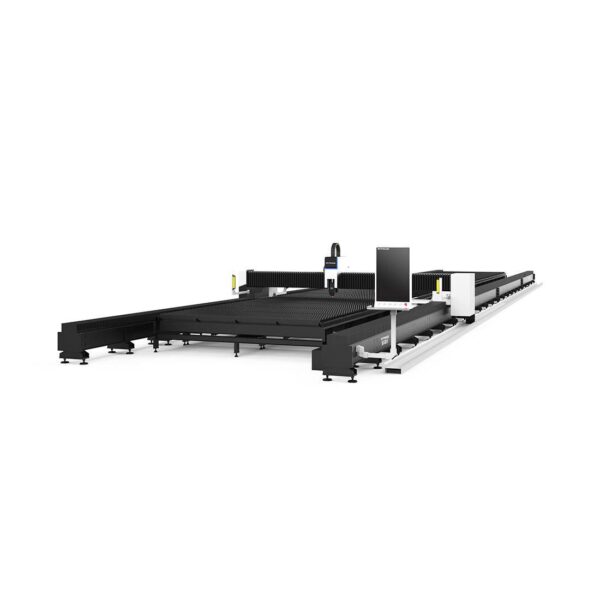

GF laser cutting machine
-
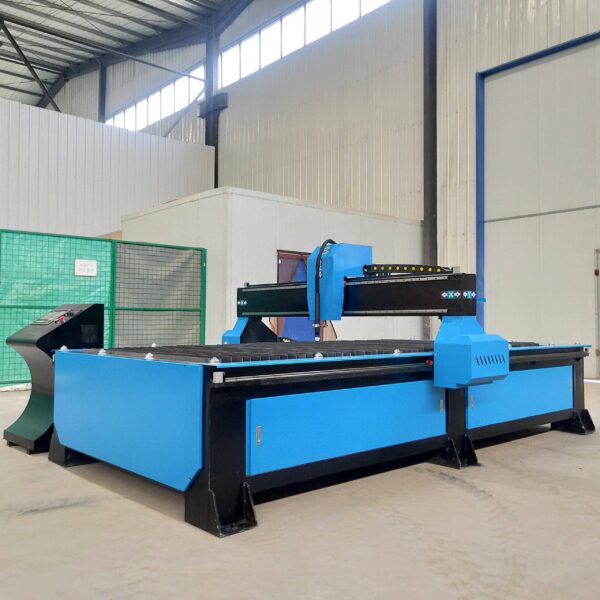
P3015 plasma cutting machine
-

LFP3015 Fiber Laser Cutter
-
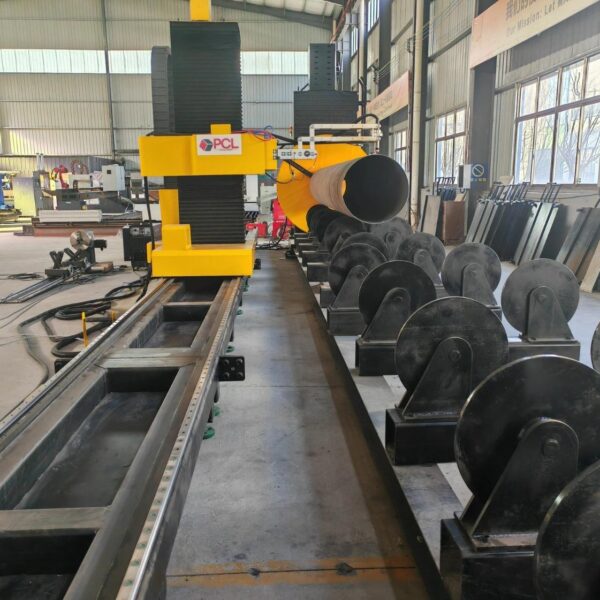
pipe plasma cutting machine
-
LFH 4020 Fiber Laser Cutting Machine
-
LFP4020
-
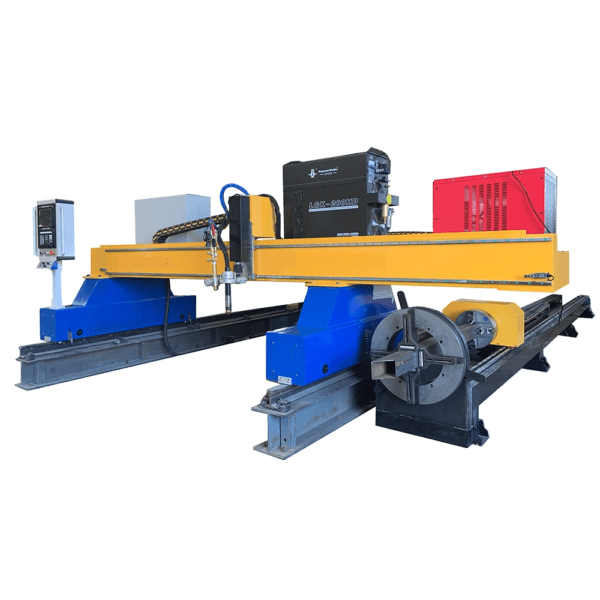
gantry plasma air cutting machine
-
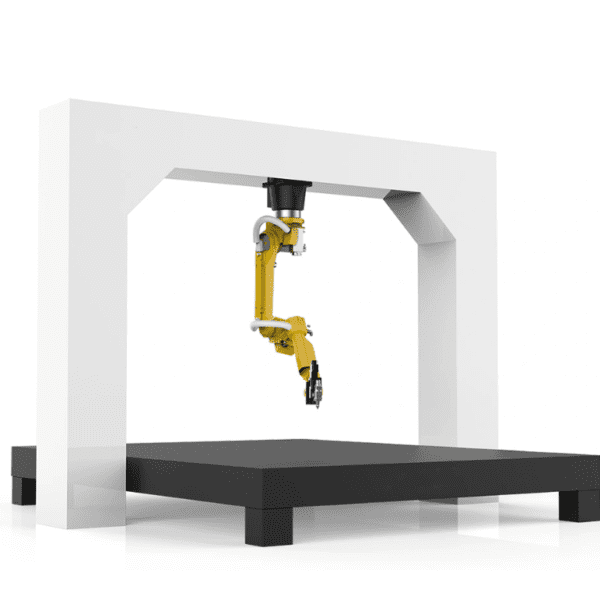
3D robot cutting machine
-
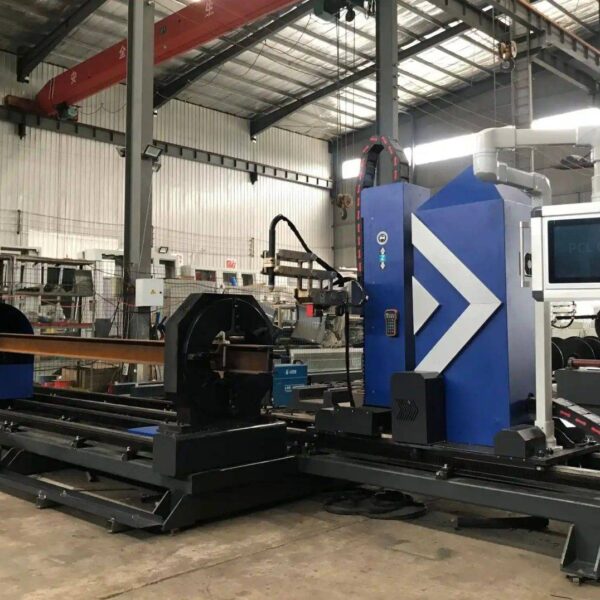
8 axis plasma cutting machine
-
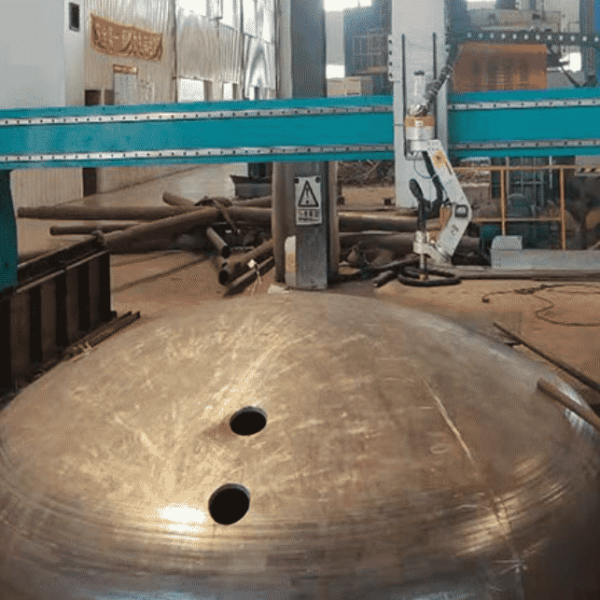
5 axis plasma cutting machine
-

LT360 tube laser cutting machine
-
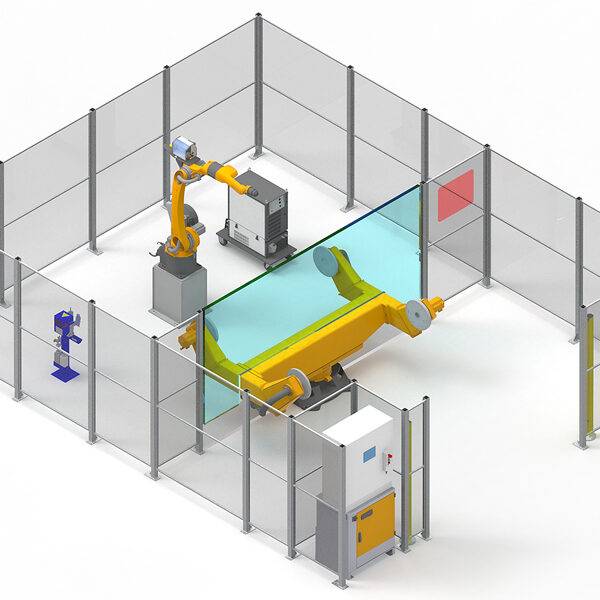
robot welding workstation
-
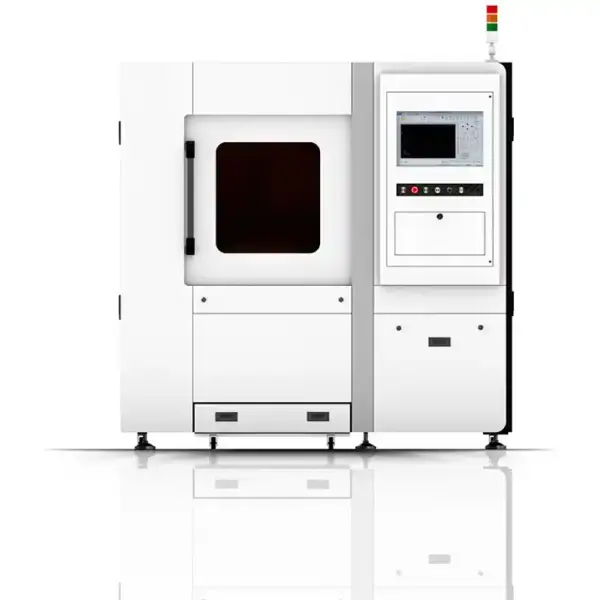
SF6060 fiber laser cutting machine
Advanced Fiber Laser Tube Processing Technology
Our CNC Fiber Laser Tube Cutting systems revolutionize metal fabrication by integrating high-precision cutting, punching, and profiling into a single automated workflow. Designed for versatility, this technology handles a wide array of profiles including Round, Square, Rectangular, and Oval tubes, as well as complex L-shaped and U-shaped channels.
- Precision Punching: High-speed hole punching with micron-level accuracy, eliminating the need for mechanical drilling or die-stamping.
- Complex Profiling: Advanced 3D pathing allows for intricate interlocking joints and specialized notch cuts, ideal for structural frames.
- High Material Efficiency: Intelligent nesting software minimizes scrap, reducing raw material costs across large production runs.
- Clean Finish: Delivers oxide-free, burr-free edges that require zero secondary grinding before welding.

Seamlessly processing multiple profiles with consistent precision.
Global Delivery & Logistics



From our high-tech manufacturing facility directly to your global site. PCL WeldCut ensures secure packaging, professional handling, and reliable international logistics to safeguard your equipment throughout the entire journey.