Field Engineering Report: Deployment of 2000W All-in-one Cobot Station
Location: Antwerp, Belgium – Maritime Fabrication District
1. Project Overview and Site Context
This report details the technical commissioning and operational performance of the 2000W All-in-one Cobot Station at a medium-scale fabrication facility located near the Port of Antwerp. The facility primarily services the maritime and logistics sectors, focusing on the production of S235 and S355 mild steel components, ranging from structural brackets to pressure-tight enclosures.
The objective was to replace manual TIG and MIG processes with **Collaborative Robotics** to address the local shortage of high-level certified welders and to stabilize cycle times. The transition to an **All-in-one Cobot Station** was selected specifically to minimize the footprint on the shop floor, as Antwerp industrial real estate remains at a premium.
2. Technical Configuration: The All-in-one Philosophy
The “All-in-one” designation is not merely marketing nomenclature; it represents a fundamental shift in hardware integration. In this deployment, the station integrates the 2000W fiber laser source, the water chiller, the wire feeder, and the robot controller into a single, mobile chassis.
From a senior engineering perspective, the synergy between the **All-in-one Cobot Station** and the welding environment is quantified by the reduction in setup complexity. Traditionally, integrating a 2000W laser with a robotic arm required external racking, long umbilical runs for the fiber delivery, and separate cooling loops. In the Antwerp workshop, we moved from “crate-to-arc” in under six hours.
The 2000W power rating was specified to ensure a deep penetration profile on **Mild Steel welding** applications up to 6mm in a single pass, while maintaining the ability to execute high-speed “stitch” welds on thinner 2mm gauge sheets without burn-through.
3. The Role of Collaborative Robotics in the Modern Workshop
The implementation of **Collaborative Robotics** in this facility differs significantly from traditional industrial automation. The core advantage is the “Lead-Through” programming capability. In a port-centric city like Antwerp, where job-shop variety is high, spending three days programming a weld path for a batch of 50 parts is an operational failure.
By utilizing collaborative kinematics, our lead welders—who are not programmers—manually move the cobot arm to the start and end points of the weld seam. The software then interpolates the path. This “collaborative” aspect extends to the safety sensors (Lidar and torque-limited joints), which allow the station to operate in proximity to human technicians, provided the laser-safe enclosure (Class 4 safety standards) is maintained.
The primary lesson learned here: The cobot is a tool for the welder, not a replacement. The welder manages the fit-up and the “wobble” parameters, while the cobot provides the mechanical consistency that human hands lose over an eight-hour shift.
4. Mild Steel Welding Dynamics at 2000W
**Mild Steel welding** remains the backbone of the Belgian industrial sector. During the field trial, we focused on S355JR grade steel, commonly used in maritime bracing.
Heat Input and Distortion:
The 2000W laser source within the station offers a significantly higher energy density compared to traditional GMAW (Gas Metal Arc Welding). We observed a 65% reduction in the Heat Affected Zone (HAZ). This is critical for the Antwerp facility, as it eliminates the need for post-weld straightening of thin-walled structural box sections.
Wire Feed Integration:
While the 2000W laser can autogenously weld, we utilized the integrated wire feeder for 1.2mm mild steel filler wire. This was necessary to bridge fit-up gaps, which in manual fabrication shops, often exceed 0.5mm. The synergy between the cobot’s constant travel speed and the pulsed wire feed resulted in a “stacked-dime” aesthetic equivalent to high-end manual TIG, but at 400% of the speed.
Shielding Gas Optimization:
We transitioned from pure Argon to a 95% Argon / 5% CO2 mix for specific heavy-gauge mild steel joints. The **All-in-one Cobot Station** allowed for precise gas pre-flow and post-flow timing, which is often inconsistent in manual operations, leading to reduced porosity in the humid maritime air of Antwerp.
5. Real-World Synergy: Efficiency Gains in Antwerp
The integration of an **All-in-one Cobot Station** into the Antwerp workflow revealed an unexpected synergy: the democratization of high-precision welding.
Before this deployment, the shop’s “master welder” was a bottleneck. Now, the master welder sets the “Gold Standard” weld parameters (power, frequency, wobble width, and wire speed) and records the path via the **Collaborative Robotics** interface. Junior operators then manage the loading/unloading and execution.
Metric Comparison (Per 100 units of Maritime Brackets):
– **Manual MIG:** 22 hours (including post-weld cleanup).
– **2000W Cobot Station:** 4.5 hours (zero post-weld cleanup required).
The “All-in-one” nature of the station meant that we did not have to reconfigure the shop’s electrical busbars. The unit runs on a standard 32A industrial plug, drawing significantly less peak power than the multiple MIG machines it replaced.
6. Lessons Learned and Field Observations
No field deployment is without friction. As a senior engineer, the following “hard truths” were documented for future rollouts:
1. **Fixturing is Non-Negotiable:** Because **Collaborative Robotics** systems lack the advanced vision sensors of €500k automotive lines, the parts must be fixtured accurately. If the **Mild Steel welding** seam deviates by more than half the beam diameter, the weld will fail. We had to invest in modular 3D welding tables to support the cobot’s precision.
2. **The “Antwerp Humidity” Factor:** The proximity to the Scheldt river means high ambient humidity. Fiber laser optics are sensitive. We learned that the “All-in-one” cabinet’s internal climate control must be running 30 minutes before welding begins to prevent condensation on the protective windows of the laser head.
3. **Operator Trust:** Initially, there was resistance. The breakthrough occurred when the welders realized the cobot handled the “dirty, hot, and awkward” welds, leaving them to handle the complex, high-value custom fabrications.
4. **Cover Glass Maintenance:** In 2000W high-speed mild steel applications, spatter is minimal but not zero. Monitoring the cover glass of the laser head became a daily KPI. A dirty lens at 2000W results in thermal shift, ruining the focal point and the weld penetration.
7. Conclusion
The deployment of the 2000W **All-in-one Cobot Station** in Antwerp confirms that the fusion of **Collaborative Robotics** and high-power fiber lasers is no longer a “future” tech—it is a current necessity for high-labor-cost regions. For **Mild Steel welding**, the station provides a level of thermal control and repeatability that manual processes cannot match.
The ROI for this station is projected at 14 months, based on current throughput increases and the reduction in consumable gas and wire waste. Future installations will focus on larger-scale gantry integrations, but for the versatile job-shop environment, the mobile All-in-one unit is the optimal configuration.
Signed,
Senior Welding Engineer, Field Operations
Antwerp, BE.
-
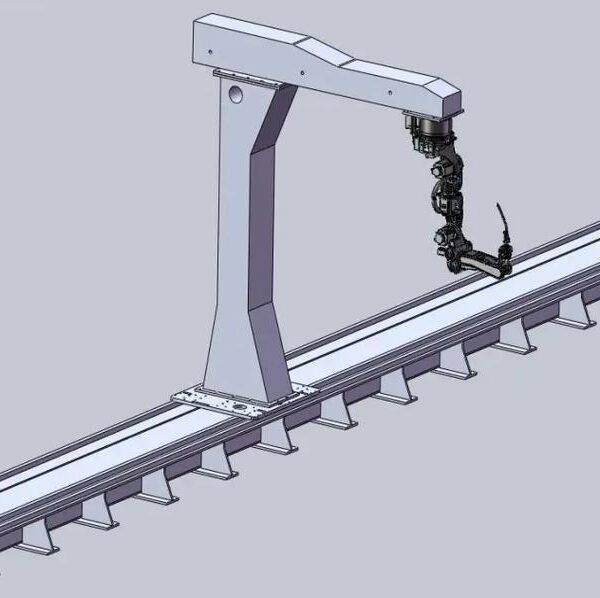

Cantilever Welding Robot solution
-
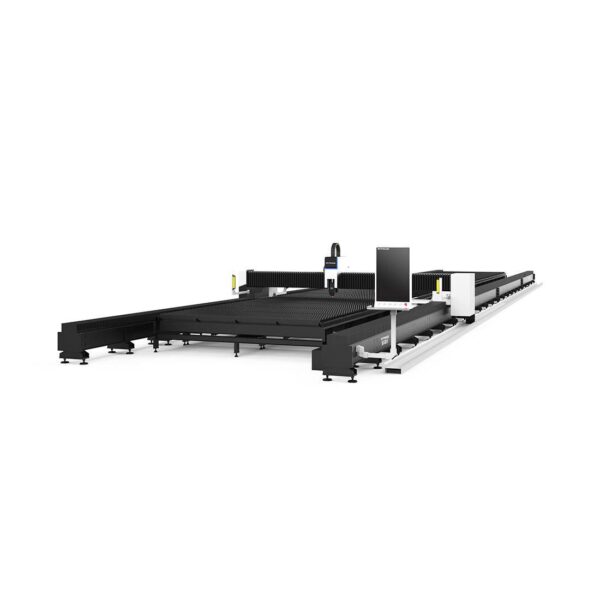

GF laser cutting machine
-
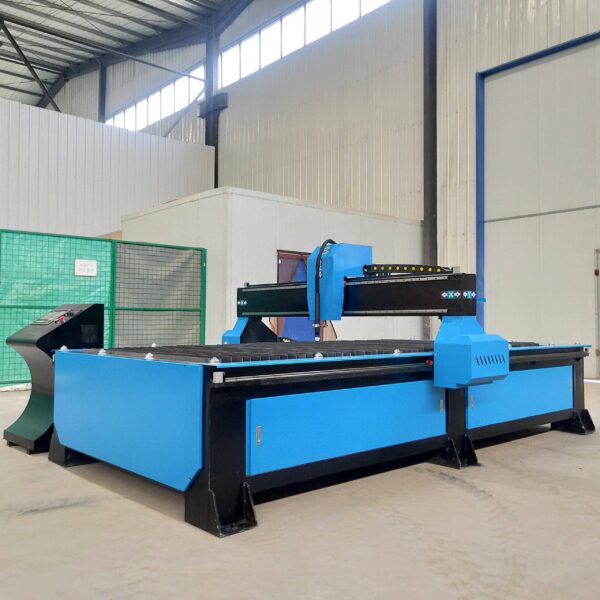
P3015 plasma cutting machine
-

LFP3015 Fiber Laser Cutter
-
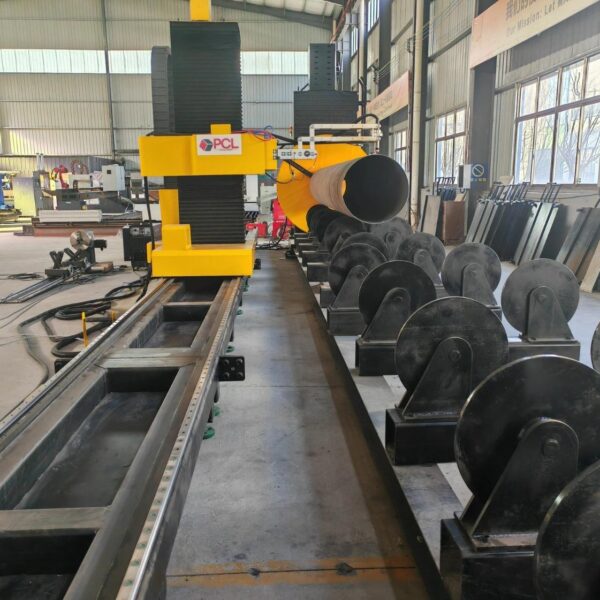
pipe plasma cutting machine
-
LFH 4020 Fiber Laser Cutting Machine
-
LFP4020
-
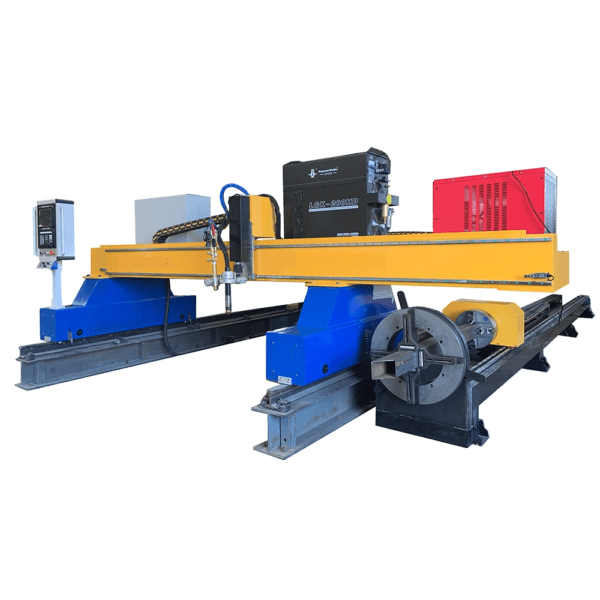
gantry plasma air cutting machine
-
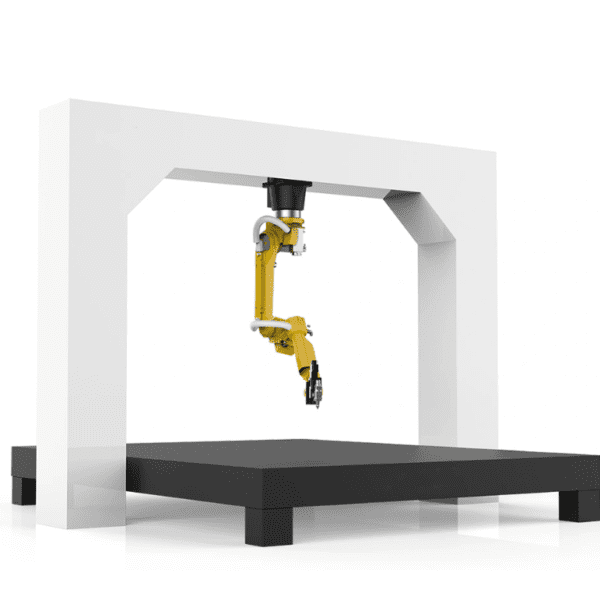
3D robot cutting machine
-
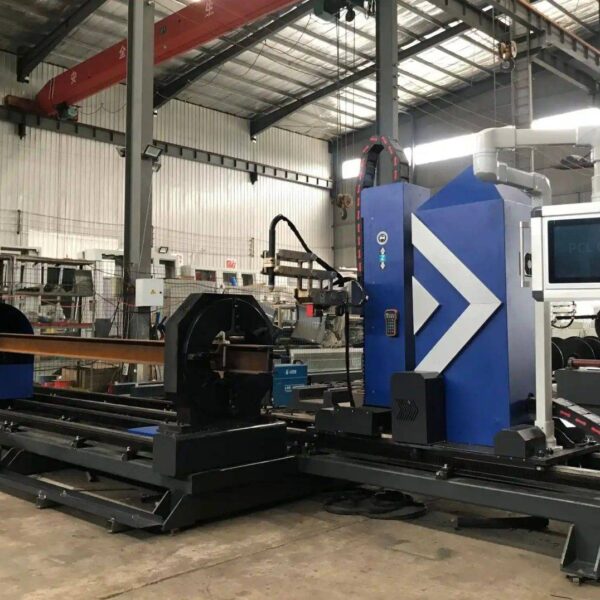
8 axis plasma cutting machine
-
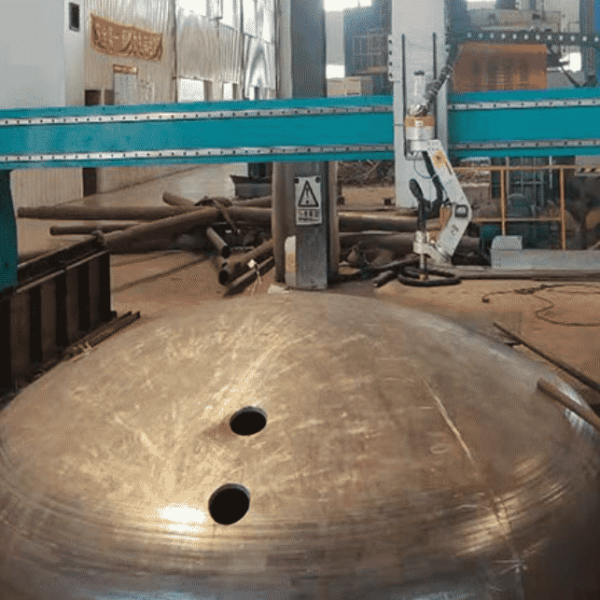
5 axis plasma cutting machine
-

LT360 tube laser cutting machine
-
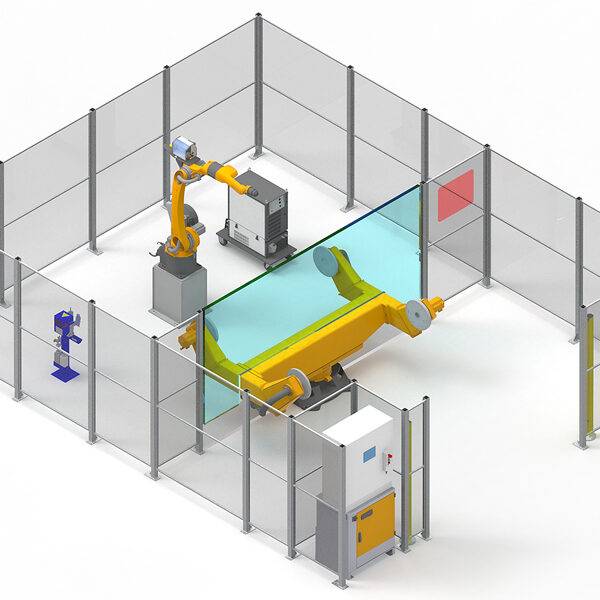
robot welding workstation
-
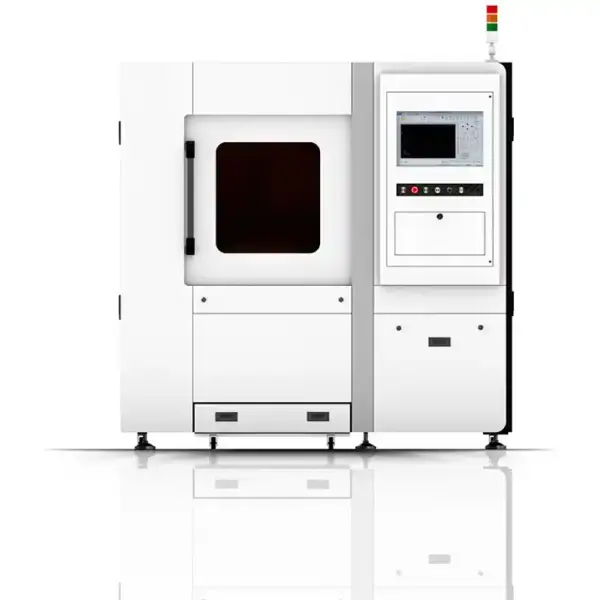
SF6060 fiber laser cutting machine
Advanced Fiber Laser Tube Processing Technology
Our CNC Fiber Laser Tube Cutting systems revolutionize metal fabrication by integrating high-precision cutting, punching, and profiling into a single automated workflow. Designed for versatility, this technology handles a wide array of profiles including Round, Square, Rectangular, and Oval tubes, as well as complex L-shaped and U-shaped channels.
- Precision Punching: High-speed hole punching with micron-level accuracy, eliminating the need for mechanical drilling or die-stamping.
- Complex Profiling: Advanced 3D pathing allows for intricate interlocking joints and specialized notch cuts, ideal for structural frames.
- High Material Efficiency: Intelligent nesting software minimizes scrap, reducing raw material costs across large production runs.
- Clean Finish: Delivers oxide-free, burr-free edges that require zero secondary grinding before welding.

Seamlessly processing multiple profiles with consistent precision.
Global Delivery & Logistics



From our high-tech manufacturing facility directly to your global site. PCL WeldCut ensures secure packaging, professional handling, and reliable international logistics to safeguard your equipment throughout the entire journey.