Field Report: Deployment of 1500W Fiber Laser Cobot in Aerospace Tier-2 Facility
Site Overview and Objective
This report summarizes the field implementation and performance evaluation of a 1500W Fiber Laser Cobot at a precision fabrication facility in the Dayton, Ohio, aerospace corridor. The facility specializes in thin-gauge components, primarily utilizing Ti-6Al-4V. The objective was to replace manual GTAW (TIG) processes with integrated Laser Technology to increase throughput while reducing the significant scrap rates associated with thermal distortion in Titanium welding.
Ohio’s manufacturing sector is currently facing a dual challenge: a shortage of high-skill manual welders and an increasing demand for tighter tolerances in flight-hardware components. The introduction of the Fiber Laser Cobot addresses both by augmenting the existing workforce with a tool that combines the high energy density of a 1070nm fiber source with the repeatable pathing of a collaborative robotic arm.
Synergy: Laser Technology Meets Collaborative Automation
The core efficiency of this system stems from the synergy between the fiber source and the cobot interface. Unlike traditional high-power CO2 lasers or fixed-cell Nd:YAG systems, the Fiber Laser Cobot utilizes a compact, flexible delivery fiber. This allows the Laser Technology to be mounted on a 6-axis arm with a power-to-weight ratio that permits hand-guided teaching.
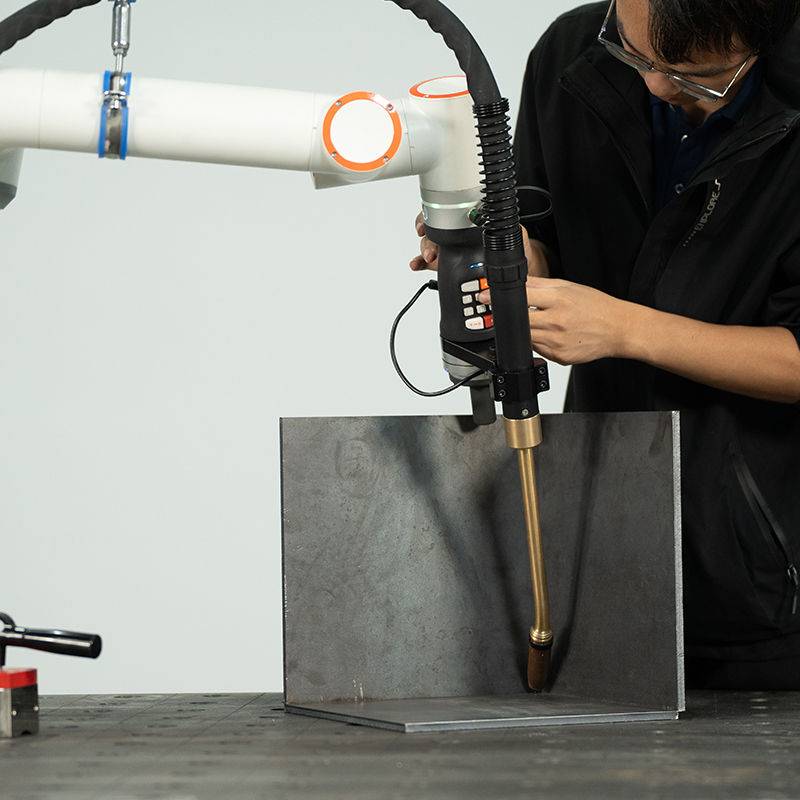
In the Ohio workshop environment, space is at a premium. Traditional robotic cells require extensive light-tight gating and interlocked safety perimeters that consume hundreds of square feet. The cobot variant, when paired with a Class 4 enclosure or localized shielding, allows for a much smaller footprint. During the trial, we observed that the “lead-through” programming feature allowed a welder with twenty years of manual experience to program a complex circumferential weld on a titanium housing in under ten minutes—a task that previously required a dedicated robotics engineer.
Technical Deep-Dive: Titanium Welding Challenges
Titanium welding is notoriously sensitive to atmospheric contamination. At temperatures exceeding 800°F (427°C), titanium becomes a “universal solvent,” reacting with oxygen, nitrogen, and hydrogen. This leads to embrittlement, manifested as alpha-case formation.
The application of Laser Technology provides a distinct advantage here: the Heat Affected Zone (HAZ). Because a 1500W fiber laser concentrates energy into a microscopic focal point (typically 100-150 microns), the cooling rate is significantly faster than TIG. This rapid solidification limits the time the metal spends in the critical temperature range for oxidation. However, the high speed of the Fiber Laser Cobot—often 3 to 5 times faster than manual welding—requires a specialized gas delivery strategy.
Shielding Gas Architecture
For this Ohio deployment, we utilized a customized trailing shield integrated directly onto the laser head. We found that standard nozzles provided insufficient coverage for the high-speed travel rates (up to 25mm/s) achieved by the cobot. The Titanium welding parameters required a 99.999% Argon purity flow at 40 CFH for the primary nozzle and an additional 20 CFH for the trailing shield to ensure the bead remained “silver” upon exit from the gas envelope.
Performance Metrics: 1500W Power Profile
The choice of a 1500W power source was calculated based on the material thickness of the aerospace manifolds (1.5mm to 3.0mm).
- Penetration Depth: At 1000W, we achieved full penetration on 2mm Ti-6Al-4V at a travel speed of 18mm/s.
- Wobble Parameters: We utilized a “Circle” wobble pattern with a 1.2mm width and 150Hz frequency. This beam oscillation compensated for minor fit-up gaps (up to 0.2mm) which are common in sheet metal fabrication.
- Power Stability: The fiber source showed <1% power fluctuation over a 4-hour continuous duty cycle, critical for maintaining consistent penetration in Titanium welding.
Lessons Learned: Practical Field Observations
1. Fit-up is the Critical Failure Point
The most significant lesson learned in the Ohio facility was that Laser Technology is less forgiving of poor fit-up than TIG. A manual welder can “bridge” a gap by adding filler rod and slowing down. While the Fiber Laser Cobot has a wire-feed integration, a gap exceeding 10% of the material thickness often results in underfill or burn-through. We had to implement a new laser-cutting protocol for the upstream blanks to ensure a “light-tight” fit-up before the cobot could be effectively deployed.
2. Optics Maintenance in an Industrial Setting
The Ohio workshop, while climate-controlled, still deals with ambient particulates from nearby grinding stations. We found that the protective window on the laser head required inspection every 4 hours. A single speck of dust can absorb the 1500W beam, causing thermal cracking of the lens. We implemented a “Clean Room Lite” protocol for lens changes, which reduced our consumable costs by 30% over the first month.
3. The “Human-In-The-Loop” Advantage
The “Cobot” aspect of the Fiber Laser Cobot was instrumental during the tacking phase. In Titanium welding, thermal expansion can cause parts to shift mid-weld. The ability for the operator to pause the program, manually adjust a clamp, and then resume the laser path without re-homing the entire system saved approximately 15 minutes of downtime per assembly.
Metallurgical Analysis and Quality Control
Post-weld inspections involved X-ray and dye penetrant testing (DPT). In manual TIG batches, we typically saw a 5% rejection rate due to tungsten inclusions or porosity. The Fiber Laser Cobot produced zero tungsten inclusions (by nature of the process) and porosity was virtually eliminated through the use of the 150Hz wobble function, which agitated the weld pool and allowed entrapped gases to escape before solidification.
Hardness testing (Vickers) showed a 10% increase in the fusion zone compared to the base metal, which is standard for laser-processed Ti-6Al-4V. However, the width of the HAZ was reduced by 60% compared to previous TIG samples. This reduction in the HAZ is vital for the fatigue life of aerospace components subjected to high-vibration environments in Ohio-manufactured jet engine assemblies.
Safety and Compliance (Ohio OSHA Standards)
Operating a 1500W laser requires strict adherence to ANSI Z136.1 standards. Since the cobot is “collaborative,” there is a misconception that it is “safe” by default. While the arm won’t crush an operator, the Laser Technology remains a Class 4 hazard. We installed laser-rated curtains (OD 7+ at 1070nm) and implemented a mandatory interlock system on the booth entry. Every operator was trained specifically on the diffuse reflection hazards associated with Titanium welding, as the material’s reflectivity can vary during the transition from solid to liquid phase.
Economic Impact and Throughput
The transition to the Fiber Laser Cobot resulted in a 400% increase in parts-per-shift. A manifold that previously took 45 minutes to weld manually is now completed in 8 minutes of arc-on time. When factoring in the reduction in post-weld straightening (required due to the low heat input of Laser Technology), the total floor-to-floor time was halved.
Summary of Key Parameters for Ti-6Al-4V (2.0mm)
| Parameter | Value |
|---|---|
| Laser Power | 1250W – 1350W |
| Travel Speed | 20 mm/s |
| Wobble Type | Figure-8 (1.5mm width) |
| Shielding Gas | 99.999% Argon |
| Wire Feed (Optional) | 0.8mm Ti-Grade 5 @ 12mm/s |
Conclusion
The deployment of the Fiber Laser Cobot in the Ohio field trial confirms that Laser Technology is no longer restricted to high-volume automotive lines. For specialized Titanium welding applications, the cobot provides a bridge between manual craftsmanship and industrial automation. The primary hurdles remain upstream (fit-up precision) and personnel education regarding laser safety and optics maintenance. Once these are managed, the metallurgical superiorities—specifically the reduced HAZ and minimal distortion—make this system the new benchmark for aerospace fabrication.
-
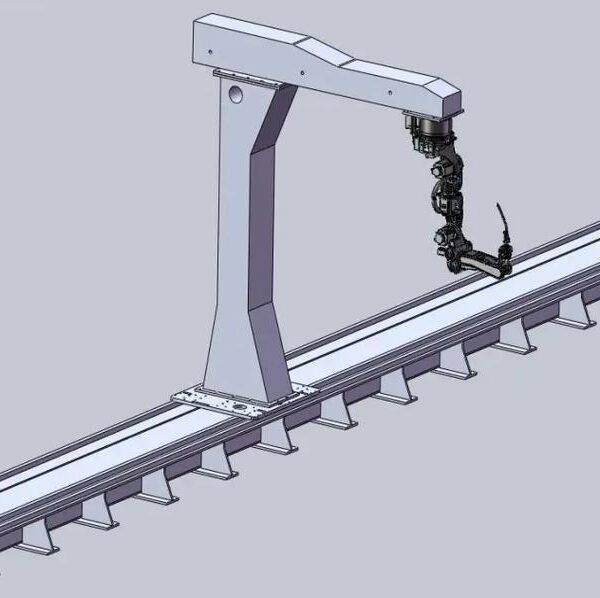

Cantilever Welding Robot solution
-
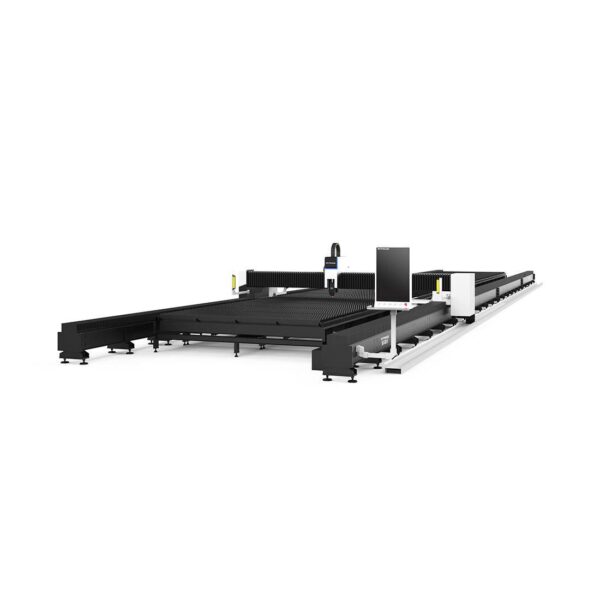

GF laser cutting machine
-
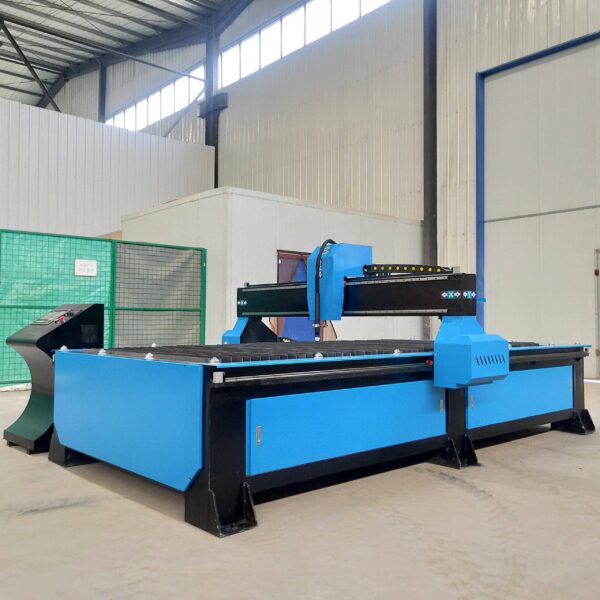
P3015 plasma cutting machine
-

LFP3015 Fiber Laser Cutter
-

pipe plasma cutting machine
-
LFH 4020 Fiber Laser Cutting Machine
-
LFP4020
-
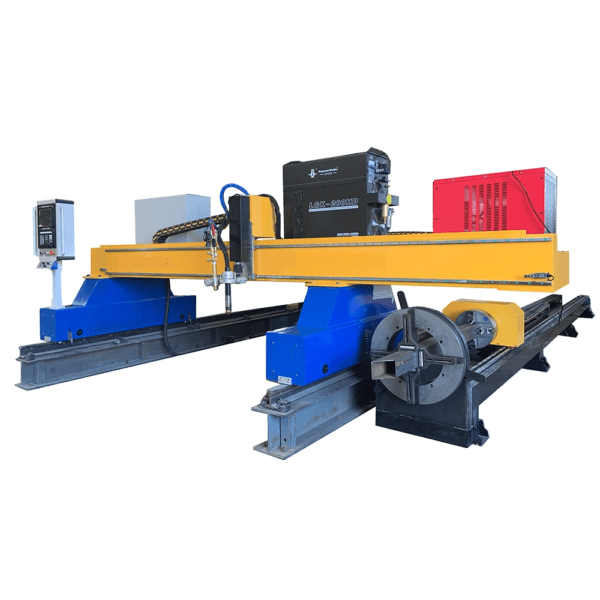
gantry plasma air cutting machine
-
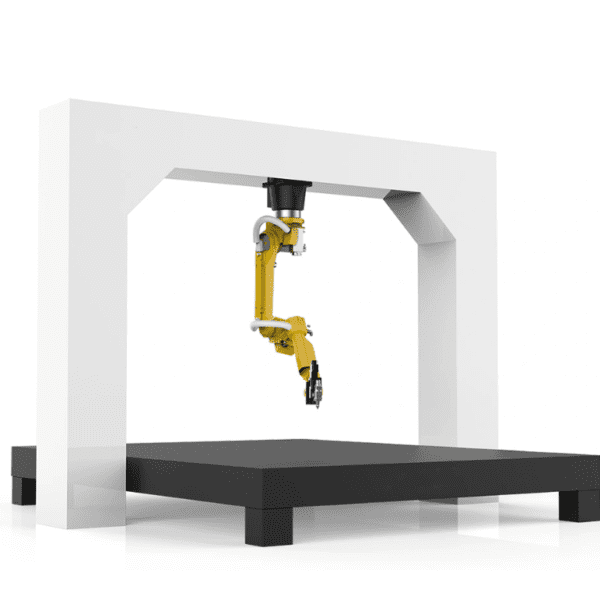
3D robot cutting machine
-
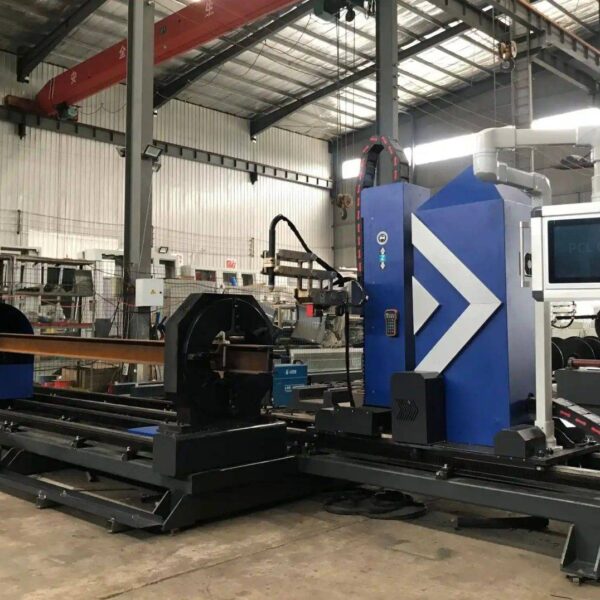
8 axis plasma cutting machine
-
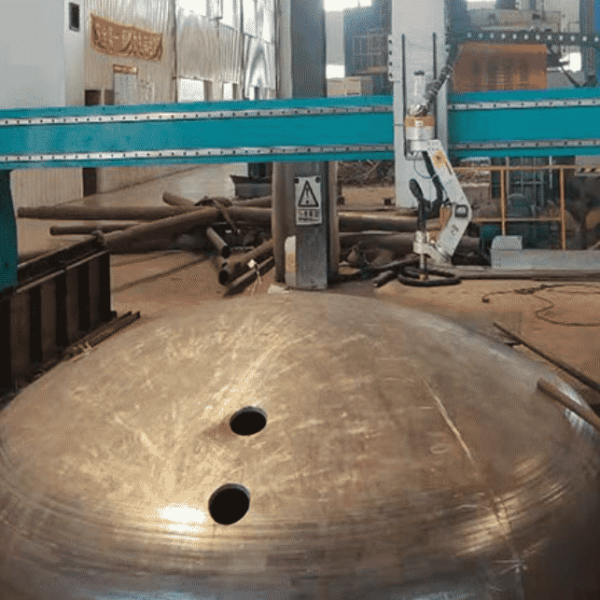
5 axis plasma cutting machine
-

LT360 tube laser cutting machine
-
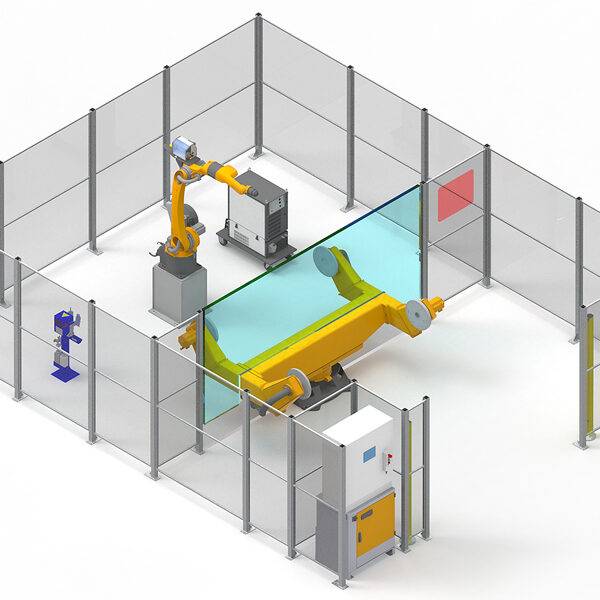
robot welding workstation
-
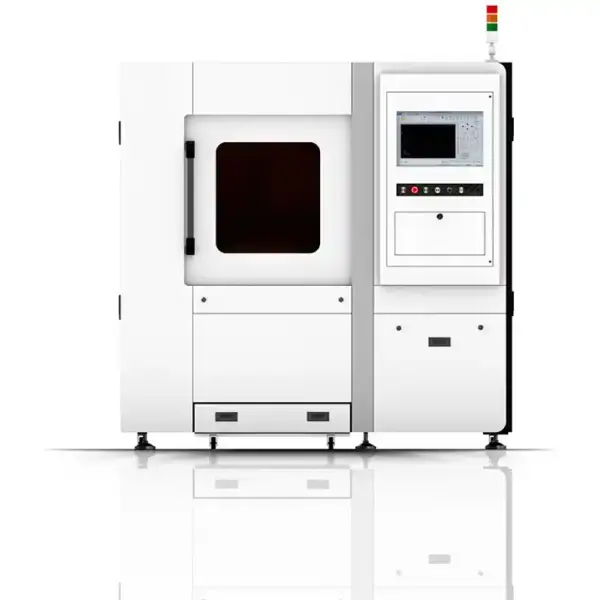
SF6060 fiber laser cutting machine
Advanced Fiber Laser Tube Processing Technology
Our CNC Fiber Laser Tube Cutting systems revolutionize metal fabrication by integrating high-precision cutting, punching, and profiling into a single automated workflow. Designed for versatility, this technology handles a wide array of profiles including Round, Square, Rectangular, and Oval tubes, as well as complex L-shaped and U-shaped channels.
- Precision Punching: High-speed hole punching with micron-level accuracy, eliminating the need for mechanical drilling or die-stamping.
- Complex Profiling: Advanced 3D pathing allows for intricate interlocking joints and specialized notch cuts, ideal for structural frames.
- High Material Efficiency: Intelligent nesting software minimizes scrap, reducing raw material costs across large production runs.
- Clean Finish: Delivers oxide-free, burr-free edges that require zero secondary grinding before welding.

Seamlessly processing multiple profiles with consistent precision.
Global Delivery & Logistics



From our high-tech manufacturing facility directly to your global site. PCL WeldCut ensures secure packaging, professional handling, and reliable international logistics to safeguard your equipment throughout the entire journey.