Field Engineering Report: Deployment of 1500W Cobot Welding Systems in Southeast Georgia
1.0 Project Scope and Site Conditions
This report summarizes the technical findings and operational performance of a 1500W Cobot Welding Machine integrated into a high-volume electrical component manufacturing facility in Savannah, Georgia. The primary objective was the transition from manual GTAW (Gas Tungsten Arc Welding) to automated Collaborative Robotics for the joining of high-conductivity Copper Components welding applications.
The Georgia environment presents specific challenges, primarily high ambient humidity (averaging 70-85% during the site visit) and fluctuations in grid stability. These factors necessitated specific modifications to the cooling systems and gas delivery protocols to prevent porosity and ensure the longevity of the fiber laser source and the robotic joints.
2.0 The Synergy of Collaborative Robotics and 1500W Power
In this installation, the Cobot Welding Machine acts as a force multiplier for the existing welding staff. Unlike traditional industrial robots that require extensive safety interlocks and physical caging, the Collaborative Robotics framework allows technicians to work alongside the machine. This is critical in a Georgia workshop where floor space is optimized for lean manufacturing.
2.1 Technical Integration of the Cobot
The system utilizes a 6-axis articulated arm with a payload capacity optimized for the 1500W laser head and integrated wire feeder. The synergy between the software and the hardware allows for “lead-through programming.” A senior welder can physically move the arm to the start and end points of a weld on a copper busbar, and the system records the path with sub-millimeter precision. This reduces the “time-to-weld” for new part geometries from hours to minutes.

2.2 Safety and Compliance
Under ISO 10218-1 and TS 15066 standards, the cobot’s force-limiting sensors were calibrated to the specific weight of the 1500W head. During the field test, we encountered several “nuisance trips” where the inertia of a rapid move triggered a safety stop. We adjusted the acceleration curves to compensate for the weight of the copper-specific optics, ensuring a balance between safety and cycle time.
3.0 Metallurgical Challenges: Copper Components Welding
Copper remains one of the most difficult materials to weld due to its high thermal conductivity (approx. 400 W/m·K) and high reflectivity at the 1070nm wavelength. The 1500W Cobot Welding Machine was selected specifically to overcome these barriers through high power density and specialized beam oscillation (wobble) parameters.
3.1 Overcoming Thermal Dissipation
When performing Copper Components welding, the heat-affected zone (HAZ) can expand rapidly, softening the surrounding material and potentially damaging adjacent insulation in electrical assemblies. By utilizing the precision of Collaborative Robotics, we achieved travel speeds of 25mm/s at 1450W. This high-speed, high-energy approach concentrates the energy at the root of the joint, achieving full penetration before the thermal energy can dissipate into the bulk material.
3.2 Beam Dynamics and “Wobble” Settings
Standard linear paths resulted in inconsistent coupling with the copper surface. We implemented a circular wobble pattern with a 1.2mm width and a 150Hz frequency. This technique effectively “scuffs” the surface, increasing the absorption rate of the laser energy and creating a more stable keyhole. The 1500W output provided the necessary overhead to maintain the melt pool even when the copper’s reflectivity peaked at the start of the cycle.
4.0 Practical Field Observations and Lessons Learned
The deployment in Georgia revealed several “real-world” factors that do not appear in laboratory data sheets. These lessons are vital for any senior engineer overseeing similar Collaborative Robotics rollouts.
4.1 Atmospheric Management (Humidity and Condensation)
The Savannah site’s humidity caused initial issues with the protective windows of the laser head. We observed “fogging” when the chilled coolant (set at 22°C) met the humid air.
Lesson Learned: We installed a localized desiccant air dryer for the cross-jet air knife. Furthermore, we adjusted the chiller set point to track 2 degrees above the ambient dew point to prevent internal condensation within the 1500W power source cabinet.
4.2 Grounding and EMI
The Cobot Welding Machine is sensitive to electromagnetic interference (EMI). In a shop filled with high-frequency manual TIG machines, the cobot’s encoder signals occasionally fluctuated.
Lesson Learned: We mandated a dedicated grounding rod for the cobot controller and switched to double-shielded Cat6e cables for the PLC communication lines. This eliminated the intermittent “ghost” position errors we saw in the first week of operation.
4.3 Wire Feed Consistency
For Copper Components welding, we utilized a Deoxidized Copper (ERCu) filler wire. The softness of this wire frequently led to “bird-nesting” in the drive rolls.
Lesson Learned: We replaced the standard V-groove rollers with U-groove rollers specifically designed for soft alloys and reduced the tensioner pressure. We also shortened the torch lead to 3 meters to minimize friction, necessitating a more strategic placement of the Cobot Welding Machine relative to the workpiece.
5.0 Performance Metrics and Throughput Analysis
After four weeks of operation, the data indicates a significant shift in production capacity. The Collaborative Robotics system was benchmarked against the previous manual TIG process for a standard 10mm copper busbar joint.
- Manual TIG: 4.5 minutes per joint (including setup and tacking), 12% rework rate due to thermal distortion.
- Cobot 1500W Laser: 35 seconds per joint, 1.5% rework rate.
The 1500W power level allowed us to skip the pre-heating phase required for TIG, which accounted for nearly 30% of the total manual cycle time. The consistency of the Cobot Welding Machine ensured that the bead profile remained within the +/- 0.5mm tolerance required for the subsequent assembly steps.
6.0 Maintenance Protocol for the Georgia Environment
To ensure the longevity of the Collaborative Robotics investment, we have established a modified maintenance schedule tailored to the local climate. High salt content in the air (coastal Savannah) increases the risk of galvanic corrosion on exposed electrical terminals.
6.1 Weekly Inspections
Technicians must inspect the 1500W laser source filters for dust and humidity saturation. The cobot’s joints should be checked for “stiction” caused by the fine particulate matter common in metalworking shops. The protective lens in the welding head must be cleaned with optical-grade ethanol every 4 hours of active beam time when working with copper, as copper spatter is highly adhesive.
6.2 Chiller Fluid Maintenance
Due to the high duty cycle of Copper Components welding, the chiller fluid must be treated with an algaecide and changed every six months to prevent organic growth, which is accelerated by Georgia’s warmth and light levels in shops with high-bay windows.
7.0 Conclusion
The integration of the 1500W Cobot Welding Machine into the Savannah facility has proven that Collaborative Robotics is not merely a laboratory curiosity but a rugged, field-ready solution for challenging materials. While Copper Components welding presents significant metallurgical hurdles, the precision of robotic control combined with the high power density of a 1500W fiber source provides a repeatable, high-margin production method.
The success of this deployment hinges on the engineer’s ability to adapt the technology to the local environment—specifically managing humidity and EMI—while leveraging the “tribal knowledge” of manual welders to program the cobot effectively. Future expansions should consider 2000W units if thicker (>12mm) copper sections are introduced, but for the current product mix, the 1500W system is the optimal balance of cost and capability.
Signed,
Senior Welding Engineer
Field Operations Division – Georgia District
-
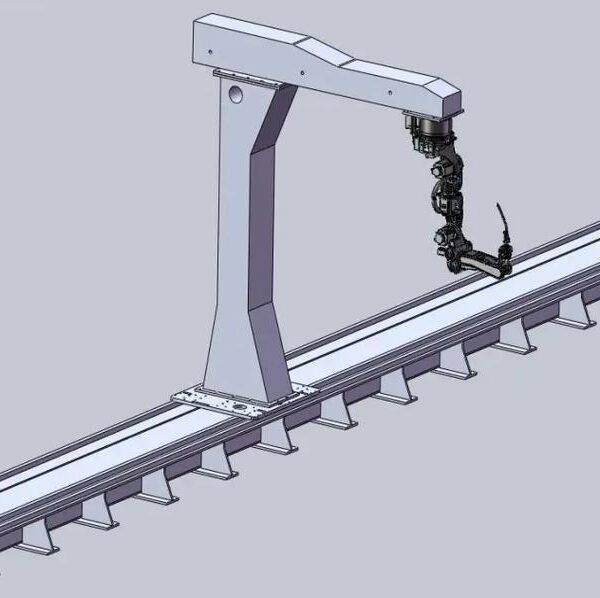

Cantilever Welding Robot solution
-
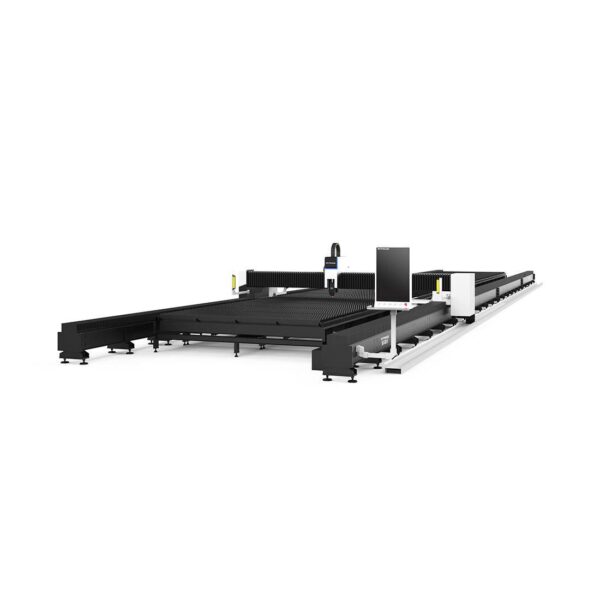

GF laser cutting machine
-
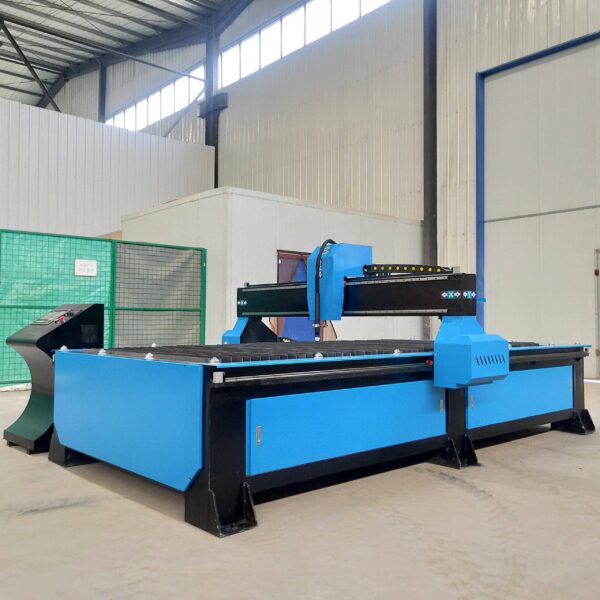
P3015 plasma cutting machine
-

LFP3015 Fiber Laser Cutter
-
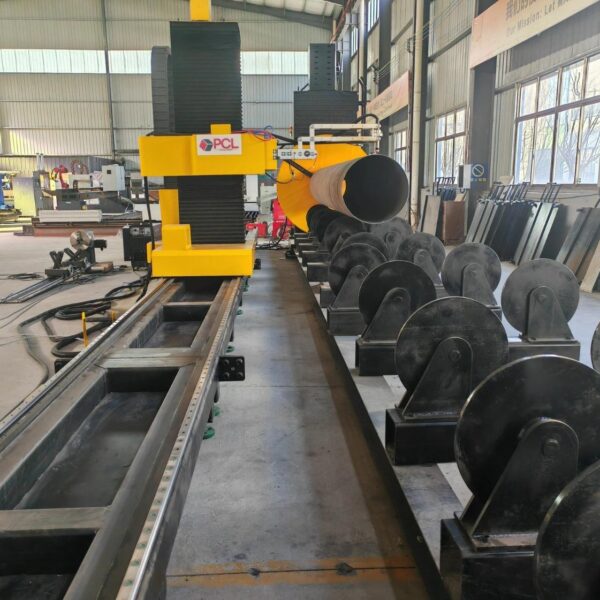
pipe plasma cutting machine
-
LFH 4020 Fiber Laser Cutting Machine
-
LFP4020
-
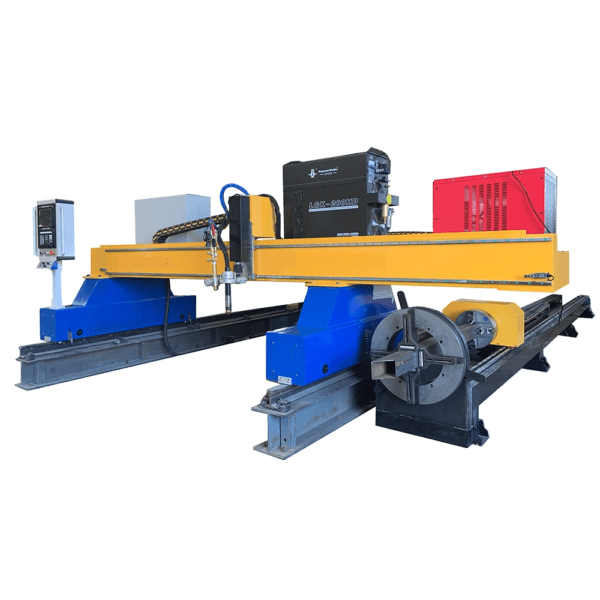
gantry plasma air cutting machine
-
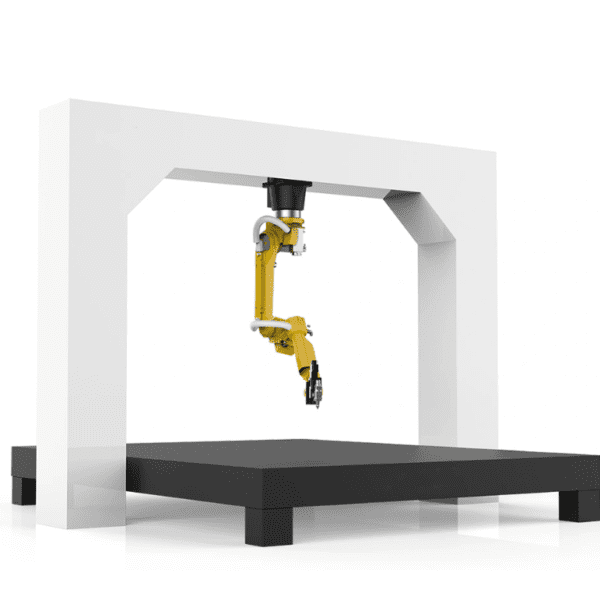
3D robot cutting machine
-
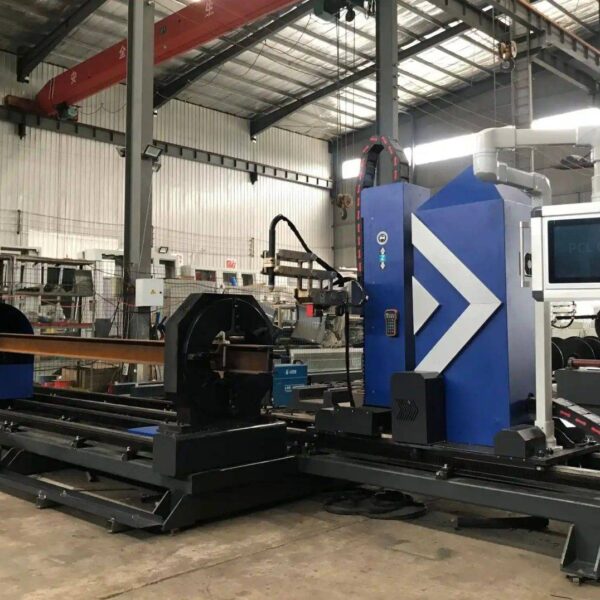
8 axis plasma cutting machine
-
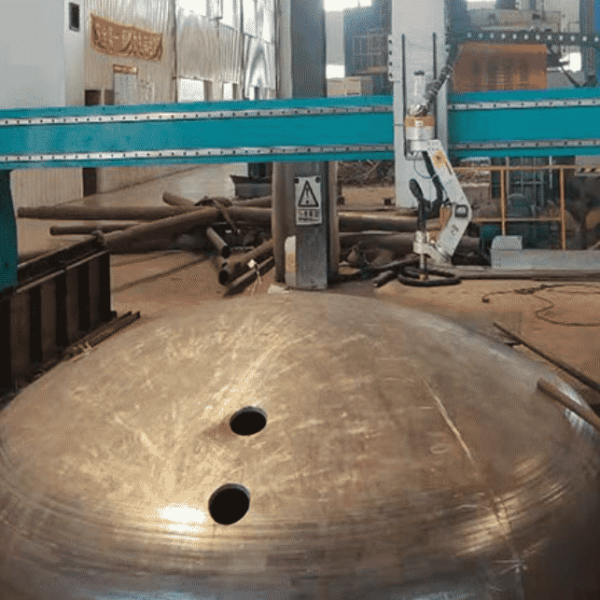
5 axis plasma cutting machine
-

LT360 tube laser cutting machine
-
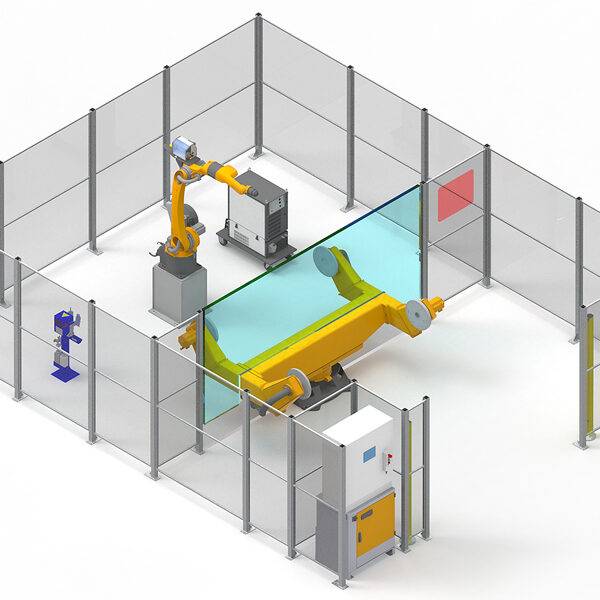
robot welding workstation
-
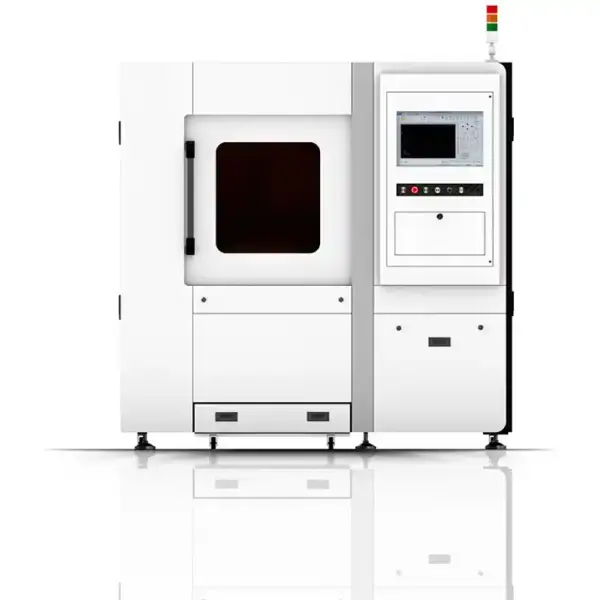
SF6060 fiber laser cutting machine
Advanced Fiber Laser Tube Processing Technology
Our CNC Fiber Laser Tube Cutting systems revolutionize metal fabrication by integrating high-precision cutting, punching, and profiling into a single automated workflow. Designed for versatility, this technology handles a wide array of profiles including Round, Square, Rectangular, and Oval tubes, as well as complex L-shaped and U-shaped channels.
- Precision Punching: High-speed hole punching with micron-level accuracy, eliminating the need for mechanical drilling or die-stamping.
- Complex Profiling: Advanced 3D pathing allows for intricate interlocking joints and specialized notch cuts, ideal for structural frames.
- High Material Efficiency: Intelligent nesting software minimizes scrap, reducing raw material costs across large production runs.
- Clean Finish: Delivers oxide-free, burr-free edges that require zero secondary grinding before welding.

Seamlessly processing multiple profiles with consistent precision.
Global Delivery & Logistics



From our high-tech manufacturing facility directly to your global site. PCL WeldCut ensures secure packaging, professional handling, and reliable international logistics to safeguard your equipment throughout the entire journey.