Field Engineering Report: Integration of 1500W Cobot Welding Machine in Georgia Structural Fabrication
1.0 Site Overview and Deployment Context
This report details the operational deployment of a 1500W Cobot Welding Machine at a mid-scale structural fabrication facility in Georgia, USA. The facility primarily handles ASTM A53 and A500 Grade B galvanized piping for regional infrastructure projects. The primary objective was to transition from manual GMAW (Gas Metal Arc Welding) to an automated solution capable of handling the metallurgical complexities of galvanized pipe welding while maintaining the flexibility of a high-mix, low-volume shop.
In the Georgia manufacturing climate—characterized by high ambient humidity and significant fluctuations in shop floor temperatures—precision electronics and laser optics require specific environmental considerations. The deployment focused on the synergy between the 1500W fiber source and the 6-axis collaborative arm, ensuring that the hardware could withstand the rigors of a humid coastal environment while delivering X-ray quality beads on coated substrates.
2.0 The Synergy: Cobot Welding Machine and Collaborative Robotics
To understand the success of this deployment, one must distinguish between the Cobot Welding Machine (the physical tool and power source) and Collaborative Robotics (the operational methodology). In this Georgia workshop, the “collaborative” aspect was not merely a safety rating; it was a production philosophy.
2.1 Lead-Through Programming and Operator Intuition
The 1500W system utilized lead-through programming, allowing senior welders to physically move the arm to define the welding path. This bridges the gap between manual expertise and robotic precision. By capturing the “wrist flick” of a veteran welder to handle the tricky transition on a 4-inch pipe saddle, the Collaborative Robotics framework allowed us to digitize years of tribal knowledge. Unlike traditional industrial robots that require extensive G-code or pendant programming, the cobot allowed for rapid re-tasking—essential for a shop where the product mix changes weekly.
2.2 Shared Workspace Dynamics
The “Collaborative” nature allowed the Cobot Welding Machine to operate without the massive footprint of traditional light curtains and safety cages (pending local OSHA risk assessment). This permitted a “Side-by-Side” workflow where a human operator performed the tack-welding and fit-up on one jig while the cobot completed the final passes on another. In the Georgia facility, this reduced floor space requirement by 40% compared to a standard robotic cell.
3.0 Technical Deep Dive: Galvanized Pipe Welding Challenges
Galvanized pipe welding presents a unique set of metallurgical hurdles, primarily the low boiling point of zinc (1,650°F) compared to the melting point of steel (2,500°F). When the arc or laser hits the galvanized layer, the zinc vaporizes instantly, often leading to porosity, inclusions, and excessive spatter.

3.1 Managing Zinc Vaporization with 1500W Precision
The 1500W power rating is the “Goldilocks” zone for thin-to-medium wall galvanized pipe. During our field tests in Georgia, we found that 1500W provided sufficient energy density to penetrate the base metal while allowing us to modulate the “Wobble” parameters to “push” the vaporized zinc out of the weld pool before solidification. By utilizing a circular wobble pattern (2.5mm width at 120Hz), the Cobot Welding Machine effectively agitated the molten pool, allowing the zinc gas to escape, which significantly reduced internal porosity compared to manual MIG processes.
3.2 The Humidity Factor in Georgia
Georgia’s humidity introduces hydrogen into the weld zone if gas shielding is not laminar. We implemented a dual-shielding approach: a primary ultra-high purity Argon flow through the nozzle and a secondary trailing shield. The Collaborative Robotics system was programmed to maintain a strict 90-degree torch angle relative to the pipe circumference, ensuring the gas envelope was never compromised—a task human welders struggle with during a full 360-degree rotation.
4.0 Lessons Learned: Field Observations
4.1 Fixturing is Non-Negotiable
The biggest hurdle in the Georgia deployment wasn’t the robot; it was the pipe consistency. Collaborative Robotics systems are precise to within 0.03mm, but galvanized pipes are often out-of-round.
Lesson: We had to implement heavy-duty pneumatic rotary positioners synced with the cobot. If the pipe isn’t centered within a 0.5mm tolerance, the 1500W laser focus will deviate, leading to undercut. Don’t skimp on the chucks.
4.2 Heat Management and Thermal Drift
Operating a 1500W fiber source in a non-climate-controlled Georgia warehouse led to minor thermal drift in the first week.
Lesson: We integrated an industrial chiller with a tighter feedback loop. We also learned to perform a “Warm-up” routine for the Cobot Welding Machine—running a dry cycle for 5 minutes to stabilize the internal optics before hitting the galvanized production run.
4.3 Fume Extraction is Critical
Zinc oxide fumes (the “white smoke”) are not just a health hazard; they are an optical hazard. In a collaborative environment where the operator is close to the machine, the accumulation of zinc dust on the cobot’s protective lens can happen in hours.
Lesson: We installed a high-volume source-capture extraction arm directly synced to the cobot’s “Arc On” signal. This kept the lens clean and the operator safe from “metal fume fever.”
5.0 Parameter Optimization for Galvanized Substrates
For the specific Georgia project (Schedule 40 galvanized pipe), we settled on the following baseline parameters for the 1500W Cobot Welding Machine:
- Power: 1350W – 1450W (Ramped at start/end to prevent craters).
- Wobble Frequency: 150Hz (Higher frequency helped in “degassing” the zinc).
- Travel Speed: 18mm/sec (Balancing penetration with heat input).
- Shielding Gas: 90% Argon / 10% CO2 at 25 CFH (The CO2 addition stabilized the arc on the coated surface).
6.0 ROI and Workforce Impact
After 90 days in the Georgia field, the results were quantifiable. The Cobot Welding Machine increased throughput by 300% on the pipe-to-flange assemblies. More importantly, the reject rate due to porosity in galvanized pipe welding dropped from 12% (manual) to under 1.5% (automated).
The local workforce in the Georgia shop initially viewed the Collaborative Robotics integration with skepticism. However, once they realized the cobot was handling the “dirty” work—the repetitive, fume-heavy galvanized passes—and they were tasked with the high-level programming and quality oversight, shop morale improved. The “Collaborative” element turned the welders into “Robot Operators/Welding Technicians,” a higher-value role in the current labor market.
7.0 Final Engineering Summary
The 1500W Cobot Welding Machine is a transformative tool for the Georgia structural sector, provided the environmental and metallurgical variables are controlled. The synergy between the 1500W power source and Collaborative Robotics allows for a level of precision in galvanized pipe welding that was previously unattainable for small-to-mid-sized shops. Success depends on rigid fixturing, aggressive fume extraction, and a “process-first” mindset where the robot is treated as a high-precision extension of the welder’s own hand.
Report Prepared By: Senior Welding Engineer, Site #404-GA
Status: Deployment Successful / Production Operational.
-
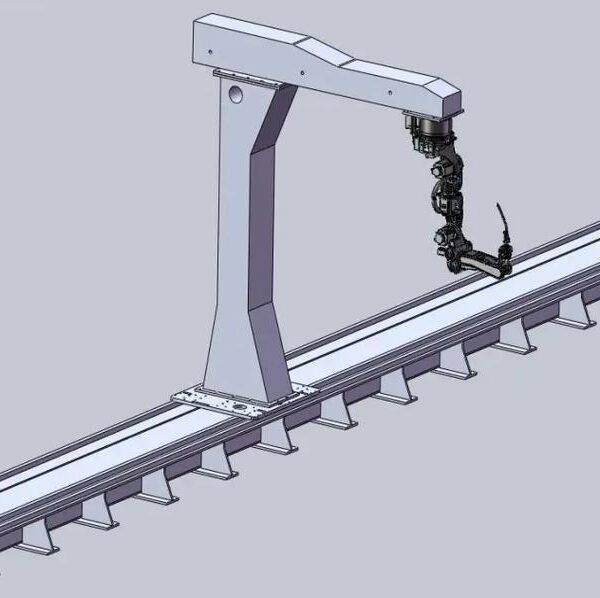

Cantilever Welding Robot solution
-
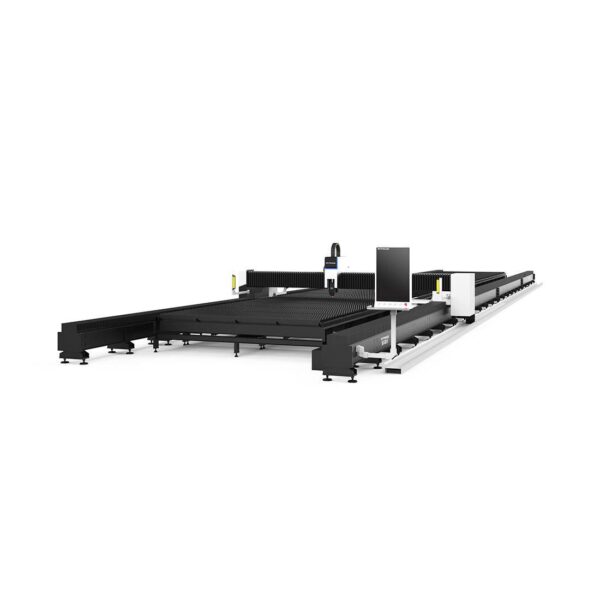

GF laser cutting machine
-
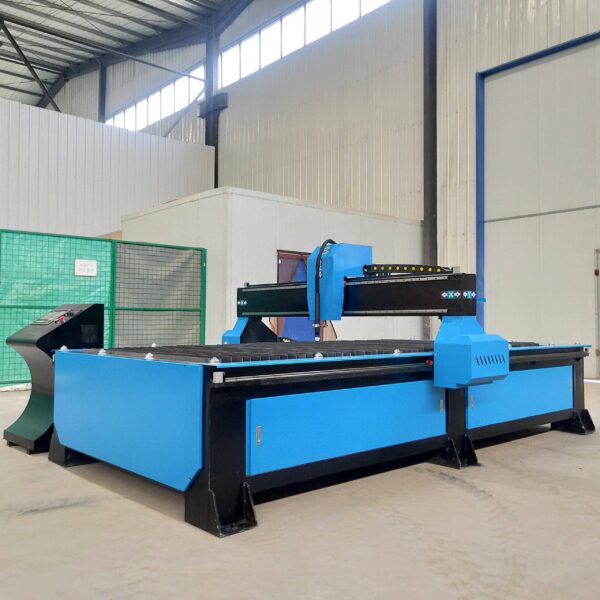
P3015 plasma cutting machine
-

LFP3015 Fiber Laser Cutter
-
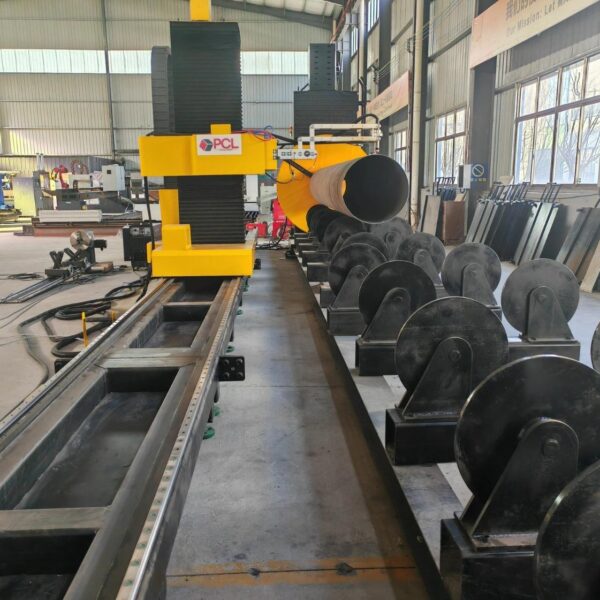
pipe plasma cutting machine
-
LFH 4020 Fiber Laser Cutting Machine
-
LFP4020
-
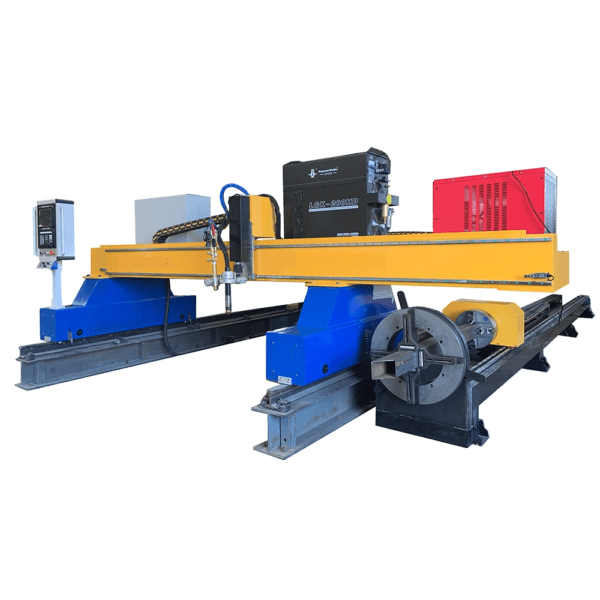
gantry plasma air cutting machine
-
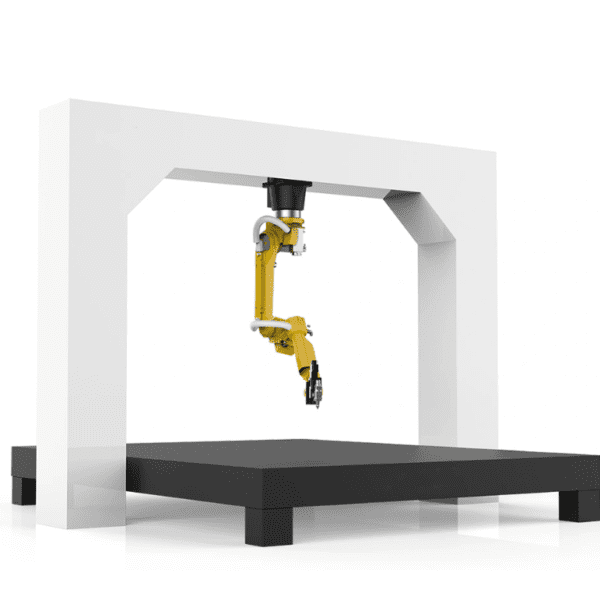
3D robot cutting machine
-
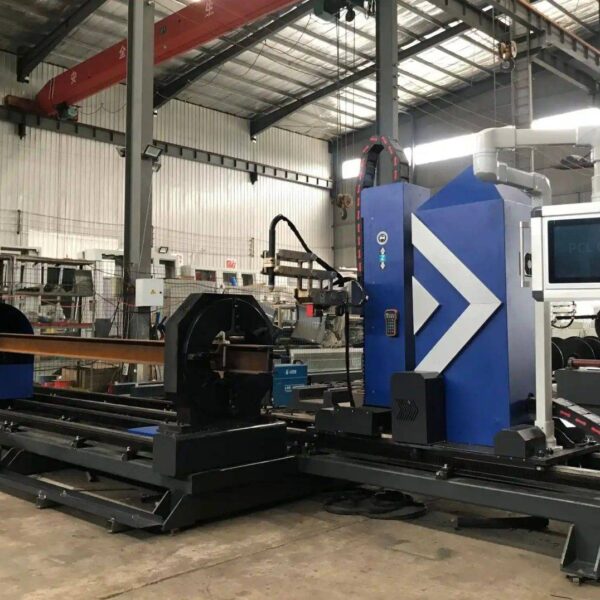
8 axis plasma cutting machine
-
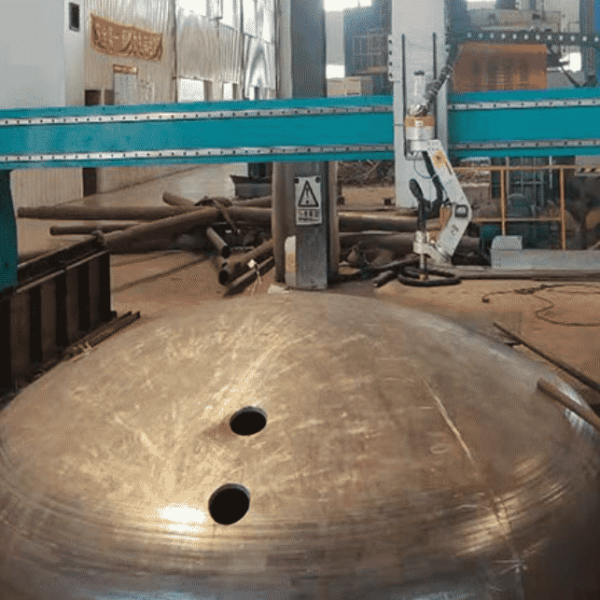
5 axis plasma cutting machine
-

LT360 tube laser cutting machine
-
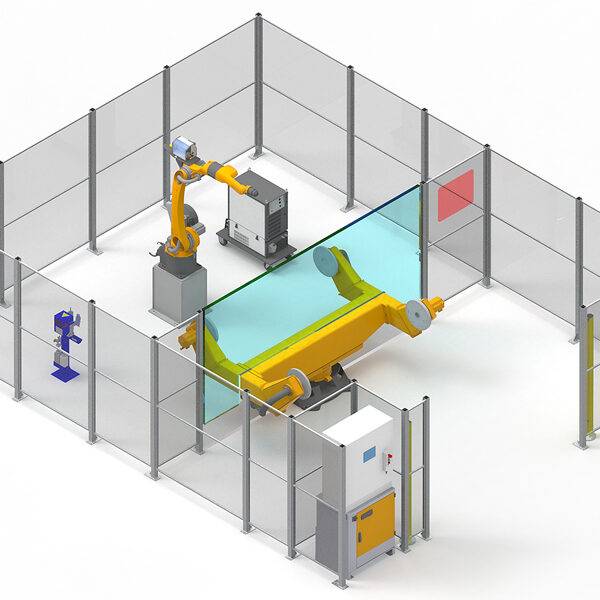
robot welding workstation
-
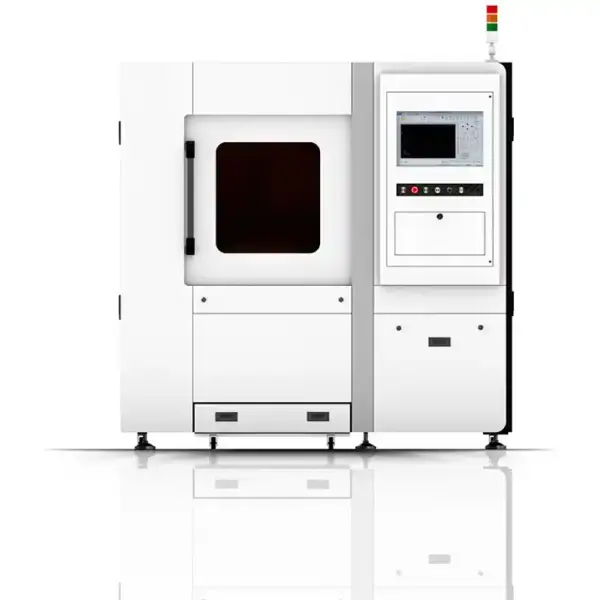
SF6060 fiber laser cutting machine
Advanced Fiber Laser Tube Processing Technology
Our CNC Fiber Laser Tube Cutting systems revolutionize metal fabrication by integrating high-precision cutting, punching, and profiling into a single automated workflow. Designed for versatility, this technology handles a wide array of profiles including Round, Square, Rectangular, and Oval tubes, as well as complex L-shaped and U-shaped channels.
- Precision Punching: High-speed hole punching with micron-level accuracy, eliminating the need for mechanical drilling or die-stamping.
- Complex Profiling: Advanced 3D pathing allows for intricate interlocking joints and specialized notch cuts, ideal for structural frames.
- High Material Efficiency: Intelligent nesting software minimizes scrap, reducing raw material costs across large production runs.
- Clean Finish: Delivers oxide-free, burr-free edges that require zero secondary grinding before welding.

Seamlessly processing multiple profiles with consistent precision.
Global Delivery & Logistics



From our high-tech manufacturing facility directly to your global site. PCL WeldCut ensures secure packaging, professional handling, and reliable international logistics to safeguard your equipment throughout the entire journey.