Field Engineering Report: Implementation of 1500W Cobot Welding Systems
Project Overview: Industrial Modernization in Casablanca
This report summarizes the three-week deployment and commissioning phase of a 1500W laser-integrated Cobot Welding Machine within a heavy-duty fabrication facility located in the Ain Sebaa industrial zone, Casablanca, Morocco. The primary objective was to transition a significant portion of the facility’s Mild Steel welding backlog from manual Gas Metal Arc Welding (GMAW) to an automated framework utilizing Collaborative Robotics.
The Casablanca site presents unique environmental challenges, including high coastal humidity and intermittent power grid fluctuations. As a senior engineer, my focus was not merely on the hardware installation but on the integration of “collaborative” logic—ensuring the machine and the human operator function as a single unit rather than isolated entities. In the Moroccan market, where high-level robotic programming expertise is scarce, the intuitive nature of collaborative systems is the only viable path to rapid scaling.
Technical Specification and Site Adaptation
The 1500W Cobot Welding Machine Architecture
The core of the installation is a 1500W continuous wave (CW) fiber laser source coupled with a six-axis collaborative arm. Unlike traditional industrial robots that require extensive safety cage perimeters, this Cobot Welding Machine utilizes integrated torque sensors in every joint. In the cramped floor space of a Casablanca workshop, the ability to operate without bulky fencing is a critical logistical advantage.

Power Management: Given the local electrical infrastructure, we installed a dedicated 15kVA voltage stabilizer. Laser sources are notoriously sensitive to the voltage drops common in Ain Sebaa. We observed that even a 5% variance in input power resulted in inconsistent penetration depths during deep-groove Mild Steel welding.
Collaborative Robotics: The Human-Machine Interface
The synergy between the operator and the Collaborative Robotics system was tested through “Lead-Through Programming.” Instead of writing lines of code, our local welders—many with 20 years of manual experience—physically moved the cobot arm to the start and end points of the weld seam. This “teach mode” functionality bridges the gap between traditional craftsmanship and Industry 4.0. The Cobot Welding Machine effectively records the master welder’s path, then replicates it with a precision of ±0.05mm, which is unattainable by hand over an eight-hour shift.
Analysis of Mild Steel Welding Performance
Metallurgical Observations and Heat Input
The bulk of the production involved S235JR and S355JR grades of mild steel. Our primary concern was the Heat Affected Zone (HAZ). Traditional GMAW often results in significant distortion on the 3mm-6mm plates used for local construction brackets. By switching to the 1500W Cobot Welding Machine, we utilized a “wobble” function—a high-frequency oscillation of the laser beam—which allowed for a wider weld pool without increasing the total heat input.
Comparative Data: Manual vs. Cobot
- Travel Speed: Manual GMAW averaged 40 cm/min. The Collaborative Robotics setup maintained a steady 120 cm/min on 4mm Mild Steel welding joints.
- Post-Weld Processing: Due to the concentrated energy density of the 1500W laser, spatter was virtually eliminated. This reduced the grinding time by 85%, a massive bottleneck in the Casablanca facility.
- Consumable Efficiency: Wire consumption dropped by 20% due to the precision of the automated feed system integrated into the cobot’s end-of-arm tooling.
Joint Configuration and Fit-up Challenges
One “lesson learned” during the first week was that Collaborative Robotics requires tighter tolerances than manual welding. Manual welders “fill the gap” intuitively. The Cobot Welding Machine, while precise, initially struggled with inconsistent fit-ups from the local plasma cutter. We had to recalibrate the upstream cutting process to ensure gaps did not exceed 10% of the material thickness. Once the fit-up was standardized, the Mild Steel welding quality reached aerospace-level consistency.
The Synergy of Man and Machine in the Moroccan Workshop
Breaking the “Black Box” Stigma
In many Casablanca factories, there is a localized fear that automation replaces jobs. My role involved demonstrating that the Cobot Welding Machine is a tool, not a replacement. By utilizing Collaborative Robotics, the senior welder becomes a “Cell Supervisor.” They handle the complex fit-ups and the tack welding, while the cobot handles the monotonous, long-seam Mild Steel welding. This collaborative approach increased the shop’s total output by 40% without adding headcount, allowing the firm to bid on larger infrastructure projects in the Tangier-Med region.
Safety Protocols in a Collaborative Environment
We implemented a “Zone-Based Speed Reduction” protocol. Although the Cobot Welding Machine is inherently safer than a standard robot, a 1500W laser beam is a Class 4 hazard. We integrated laser-safe curtains and interfaced the cobot’s emergency stop with area scanners. In the busy Casablanca environment, where foot traffic is high, the system was programmed to stop instantly if the safety perimeter was breached, then resume exactly where it left off once cleared. This is the essence of Collaborative Robotics—safety without sacrificing flow.
Engineering Lessons Learned
1. Humidity and Optical Integrity
Casablanca’s salt-heavy air is the enemy of fiber optics. We found that the protective windows on the Cobot Welding Machine required cleaning every four hours. Failure to do so led to “thermal lensing,” where dust particles on the lens absorb laser energy, eventually cracking the glass. We implemented a pressurized clean-air purge system for the welding head to mitigate this.
2. Wire Feed Consistency
For Mild Steel welding, the quality of the wire matters significantly more when using Collaborative Robotics. We encountered “bird-nesting” issues with lower-grade local wire. Switching to a high-quality copper-coated wire with consistent diameter tolerances was necessary to prevent the cobot from tripping on torque alarms during the feed cycle.
3. Grounding and EMI
The high-frequency start of nearby TIG stations caused electromagnetic interference (EMI) with the cobot’s sensors. We had to implement a common grounding busbar for the entire workshop floor to stabilize the Collaborative Robotics control signals. In older Casablanca facilities, never assume the grounding is sufficient for sensitive electronics.
Conclusion: The Future of Fabrication in Morocco
The deployment of the 1500W Cobot Welding Machine in Casablanca has proven that Collaborative Robotics is not just for high-tech European automotive plants. For Mild Steel welding in a developing industrial landscape, the cobot offers a middle path: it provides the precision of automation with the flexibility of manual labor.
The success of this field operation lies in the synergy. When the operator stops fighting the machine and starts “teaching” it, the productivity curve shifts exponentially. Moving forward, I recommend a fleet-wide rollout of these units across the client’s other sites in Tangier and Marrakech. The data is clear: 1500W of collaborative power, correctly managed, is the new standard for Moroccan heavy industry.
End of Report
Engineer: Senior Welding Lead
Location: Casablanca, Morocco
Status: Commissioning Complete / Operational
-
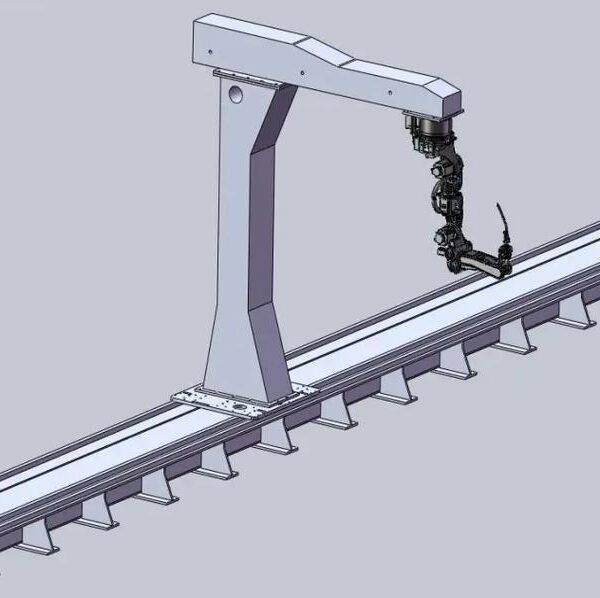

Cantilever Welding Robot solution
-
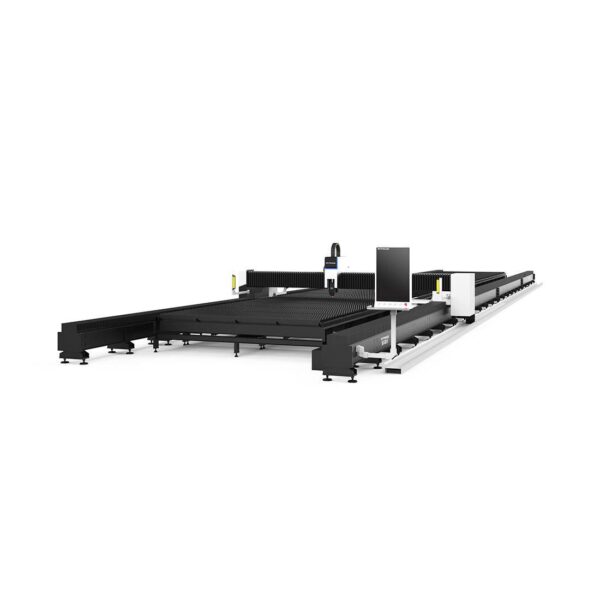

GF laser cutting machine
-
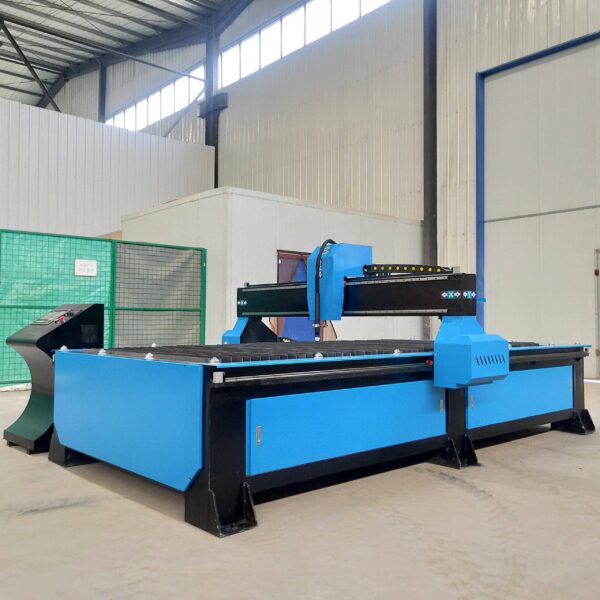
P3015 plasma cutting machine
-

LFP3015 Fiber Laser Cutter
-
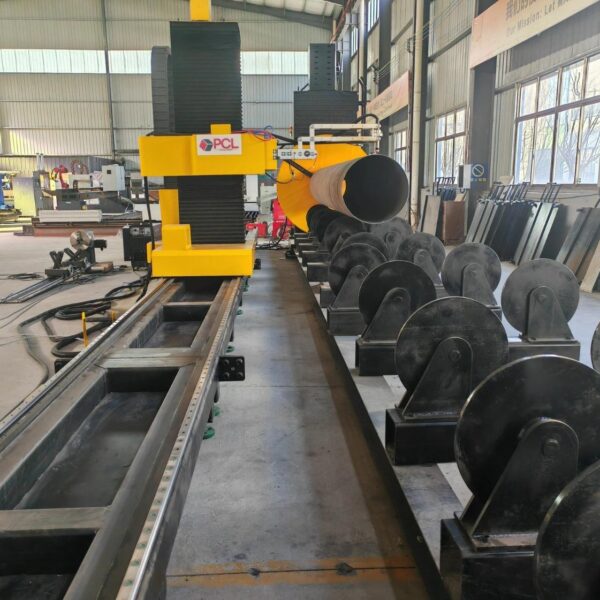
pipe plasma cutting machine
-
LFH 4020 Fiber Laser Cutting Machine
-
LFP4020
-
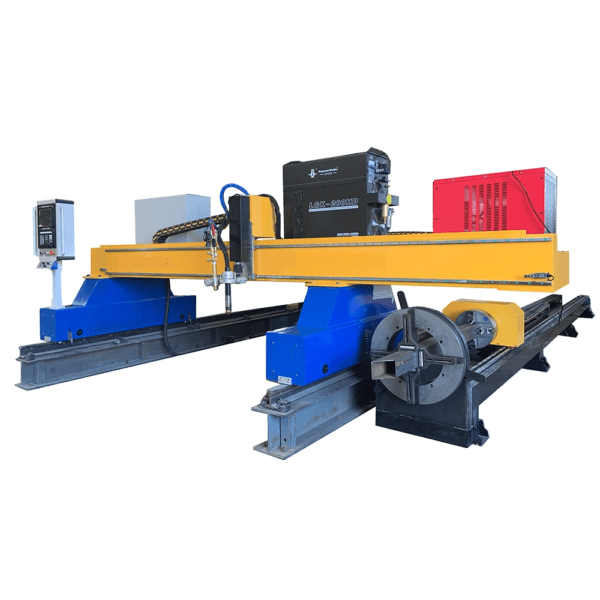
gantry plasma air cutting machine
-
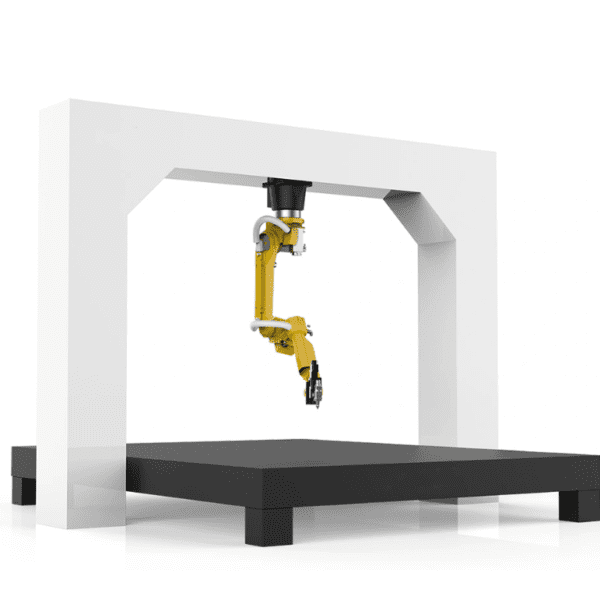
3D robot cutting machine
-
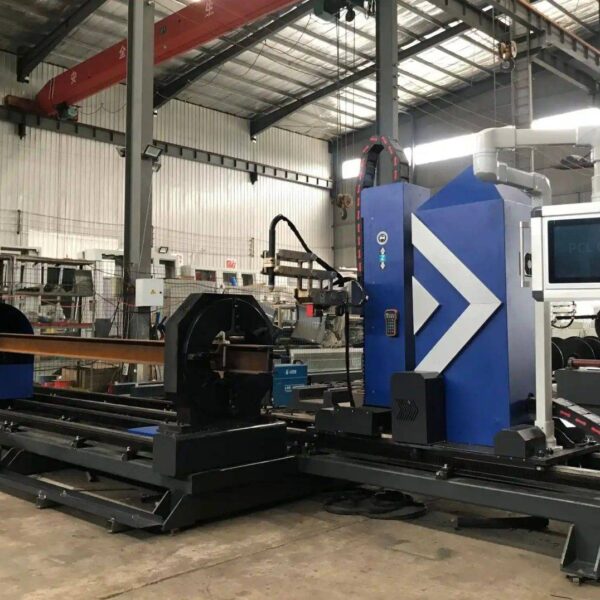
8 axis plasma cutting machine
-
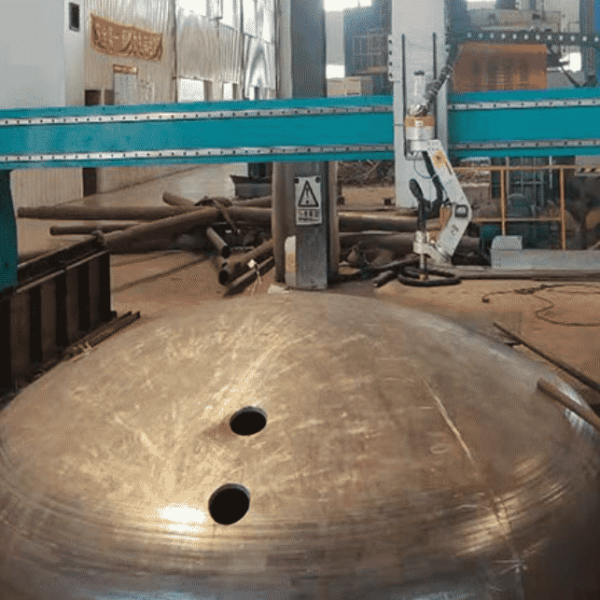
5 axis plasma cutting machine
-

LT360 tube laser cutting machine
-
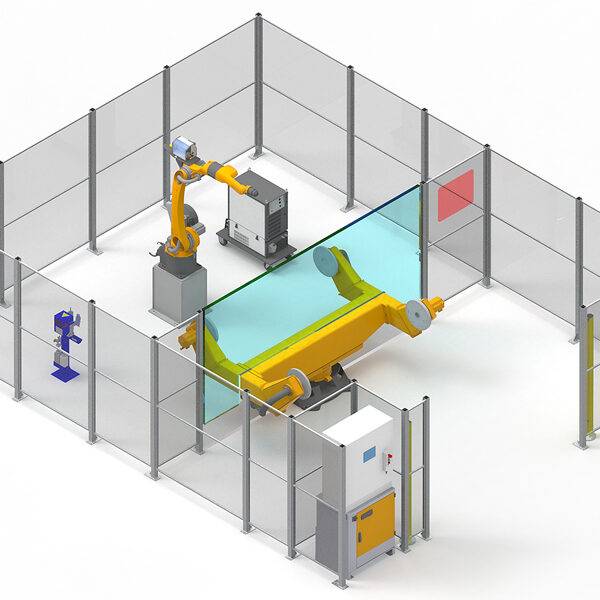
robot welding workstation
-
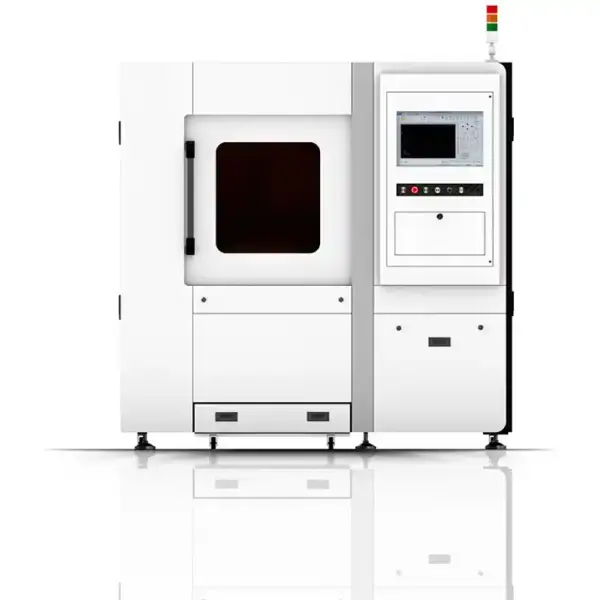
SF6060 fiber laser cutting machine
Advanced Fiber Laser Tube Processing Technology
Our CNC Fiber Laser Tube Cutting systems revolutionize metal fabrication by integrating high-precision cutting, punching, and profiling into a single automated workflow. Designed for versatility, this technology handles a wide array of profiles including Round, Square, Rectangular, and Oval tubes, as well as complex L-shaped and U-shaped channels.
- Precision Punching: High-speed hole punching with micron-level accuracy, eliminating the need for mechanical drilling or die-stamping.
- Complex Profiling: Advanced 3D pathing allows for intricate interlocking joints and specialized notch cuts, ideal for structural frames.
- High Material Efficiency: Intelligent nesting software minimizes scrap, reducing raw material costs across large production runs.
- Clean Finish: Delivers oxide-free, burr-free edges that require zero secondary grinding before welding.

Seamlessly processing multiple profiles with consistent precision.
Global Delivery & Logistics



From our high-tech manufacturing facility directly to your global site. PCL WeldCut ensures secure packaging, professional handling, and reliable international logistics to safeguard your equipment throughout the entire journey.