Field Engineering Report: 1000W Cobot Welding Machine Integration
Location: Industrial Zone, Hai Phong, Vietnam
Reporting Engineer: Senior Welding Engineer (Robotics Division)
This report details the technical deployment and operational assessment of the 1000W Fiber Laser Cobot Welding Machine at our Hai Phong facility. The primary objective was to transition high-mix, low-volume sheet metal fabrication welding from manual TIG stations to an automated workflow utilizing Collaborative Robotics. In the humid, high-throughput environment of Northern Vietnam’s industrial corridors, the synergy between precision power delivery and operator-safe automation is critical for maintaining export-grade quality standards.
1. Technical Objectives and Site Conditions
The Hai Phong facility specializes in stainless steel enclosures and precision ducting. Prior to this installation, the bottleneck remained the 1.5mm to 3.0mm SUS304 assemblies. Manual welding resulted in inconsistent penetration and excessive thermal distortion, requiring significant post-weld grinding. The introduction of the Cobot Welding Machine was intended to stabilize the Heat Affected Zone (HAZ) while allowing human operators to remain in close proximity to the workpiece for rapid jig adjustments.
Environmental factors in Hai Phong—specifically the high ambient humidity (often exceeding 80%) and fluctuating power grid stability in the industrial zone—necessitated specific hardware hardening. We implemented dual-stage air filtration and a dedicated voltage stabilizer to protect the 1000W fiber source and the sensitive controllers inherent in collaborative robotics systems.
2. The Synergy: Cobot Welding Machine and Collaborative Robotics
The core of this deployment is the integration of a 1000W continuous wave (CW) fiber laser source with a 6-axis collaborative arm. The term “Cobot Welding Machine” is often used loosely, but in a technical sense, it represents the fusion of a high-density energy source with a robot designed for human-interaction safety (ISO 10218-1 compliance).
2.1 Programming and Lead-Through Teaching
Traditional industrial robots require complex pendant programming. In the Hai Phong workshop, we leveraged the “lead-through” capability of collaborative robotics. Our senior welders, who lack formal coding backgrounds, were able to physically move the torch head along the seam of the sheet metal. The software then smoothed these points into a linear or circular interpolation path. This reduced the “art-to-part” time from hours to approximately 15 minutes.
2.2 Safety and Spatial Efficiency
Unlike traditional robotic cells that require expansive safety fencing and light curtains, the Cobot Welding Machine operates in a “fenceless” environment. The arm’s internal torque sensors detect any resistance (collision) and initiate an emergency stop in under 0.5 milliseconds. In the cramped floor space of a typical Hai Phong fabrication shop, this saved nearly 12 square meters of floor space per station, allowing for a more fluid “lean” manufacturing layout where parts move directly from the laser cutter to the welding cobot.

3. Applied Sheet Metal Fabrication Welding Techniques
The 1000W power rating is the “sweet spot” for sheet metal fabrication welding. At this power level, we achieve deep penetration without the catastrophic burn-through associated with higher-wattage units on thin-gauge materials.
3.1 Heat Management in Thin Gauges
When welding 1.2mm SUS304, the primary enemy is warping. The collaborative robotics system allows for precise travel speed synchronization that manual welders cannot match. We benchmarked the cobot at 25mm/second with a pulse frequency of 5000Hz. The result was a weld bead with a width of 1.1mm and a HAZ narrowed by 60% compared to manual TIG. This level of control is vital for the “Hai Phong Standard” of export-ready electronics cabinetry.
3.2 Shielding Gas Dynamics
A lesson learned in the field involved the gas delivery system. We initially saw oxidation in the weld root. Despite using 99.99% Argon, the local ambient humidity was infiltrating the lines during downtime. We switched to a dual-gas coaxial flow integrated into the Cobot Welding Machine head. This ensures that the weld pool is shrouded even during high-speed movements, which is a common challenge in sheet metal fabrication welding when using automated arms that move faster than a human hand.
4. Operational Data and Performance Metrics
After 90 days of operation in the Hai Phong environment, the data indicates a significant shift in production efficiency.
- Cycle Time: Reduced by 55% on complex enclosure seams.
- Rework Rate: Dropped from 12% (manual) to 0.8% (cobot).
- Consumable Cost: Fiber laser welding requires no filler wire for most sheet metal fabrication welding tasks, reducing material costs by $4.50 USD per unit.
- Operator Training: A manual welder can become a “Cobot Technician” in 3 days of on-site training.
5. Field Lessons Learned: The “Real World” Variables
No technical deployment is without its friction. As a senior engineer, I noted three critical areas where the collaborative robotics theory met the reality of the Hai Phong factory floor.
5.1 The Grounding Challenge
We encountered intermittent communication errors between the Cobot Welding Machine and the PLC. Investigation revealed that the factory’s common ground was saturated with “noise” from neighboring heavy-duty CNC machines. In Vietnam’s older industrial zones, grounding is often substandard. We had to install a dedicated copper earth rod specifically for the cobot cell to isolate the sensitive electronics of the 1000W laser source.
5.2 Jidoka and Human Oversight
While the collaborative robotics system is autonomous, it is not “set and forget.” We learned that the fit-up of sheet metal parts must be tighter for the cobot than for a manual welder. A manual welder can compensate for a 0.5mm gap on the fly; the laser cobot cannot unless it is equipped with expensive seam-tracking sensors. Our solution was to upgrade our upstream bending and punching tolerances. This forced a higher quality standard across the entire shop, proving that the introduction of a Cobot Welding Machine acts as a catalyst for overall factory discipline.
5.3 Atmospheric Moisture
The “Hai Phong Mist” is real. We observed condensation on the optical protective windows of the laser head during morning startups. Lesson: We integrated a pre-heat cycle for the optics and a dehumidifier within the laser source cabinet. Since these adjustments, we have had zero optical failures due to moisture ingress.
6. Strategic Value and Conclusion
The deployment of the 1000W Cobot Welding Machine in Hai Phong represents a turning point for local sheet metal fabrication welding. We have successfully moved away from the “labor arbitrage” model toward a “technology-driven” model. By utilizing collaborative robotics, we are not replacing the skilled Vietnamese welder; we are augmenting their capability, allowing them to oversee three machines simultaneously rather than struggling with one manual torch in 35-degree heat.
The technical synergy is clear: the precision of the fiber laser handles the physics of the weld, the collaborative arm handles the geometry of the path, and the human operator handles the logic of the production flow. Moving forward, we recommend the rollout of an additional four units across the Hai Phong site to fully standardize our export production lines. The 1000W platform has proven itself robust enough for the environment and precise enough for the most demanding sheet metal tolerances.
Final Assessment: Deployment Successful. System stable under current load. Recommend permanent implementation of the moisture-mitigation protocol for all future robotic welding assets in the Northern Vietnam region.
-
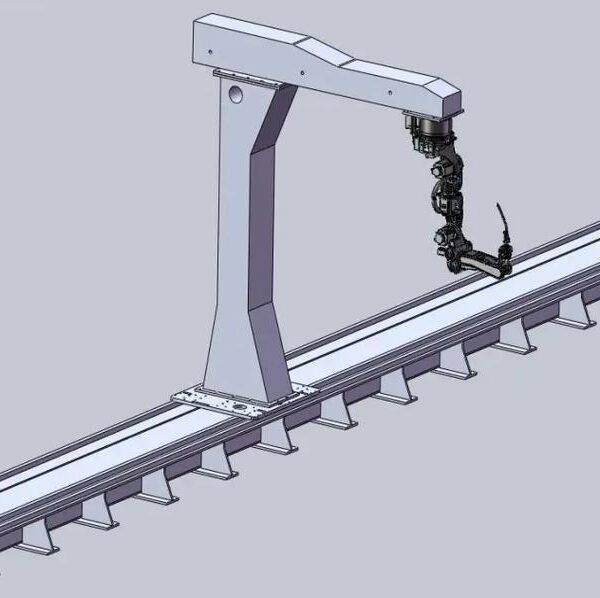

Cantilever Welding Robot solution
-
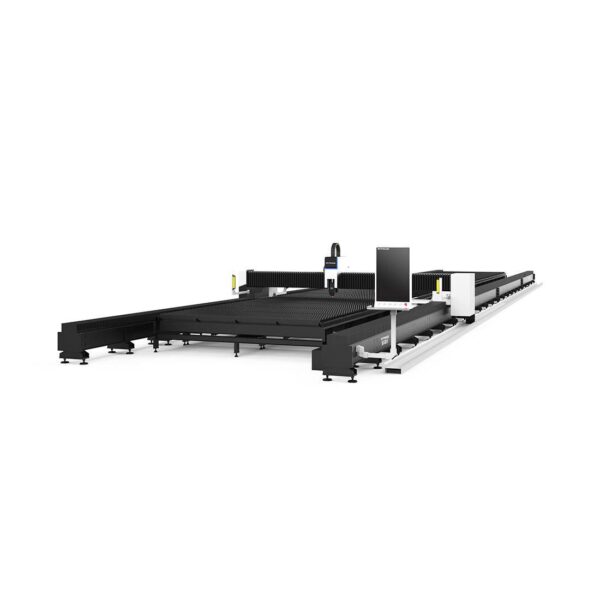

GF laser cutting machine
-
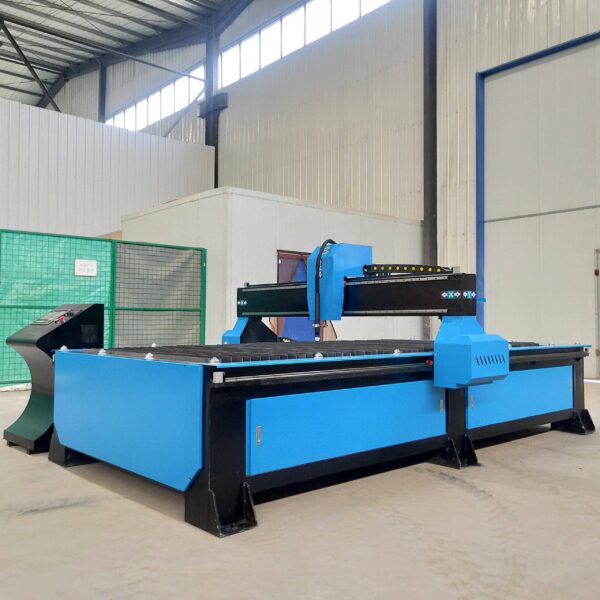
P3015 plasma cutting machine
-

LFP3015 Fiber Laser Cutter
-
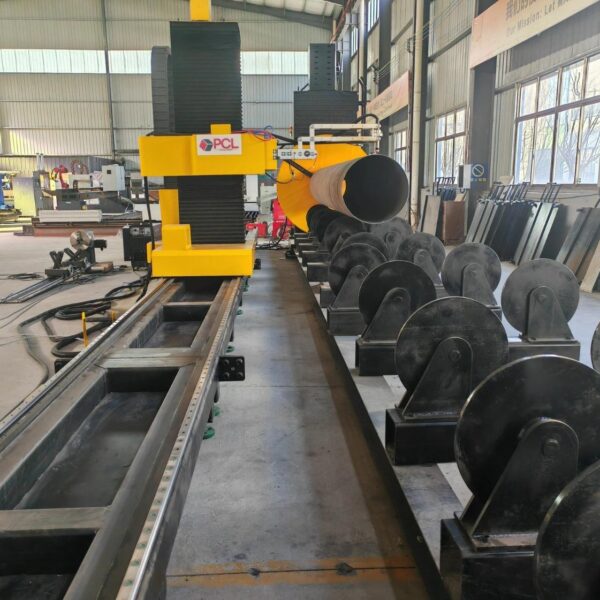
pipe plasma cutting machine
-
LFH 4020 Fiber Laser Cutting Machine
-
LFP4020
-
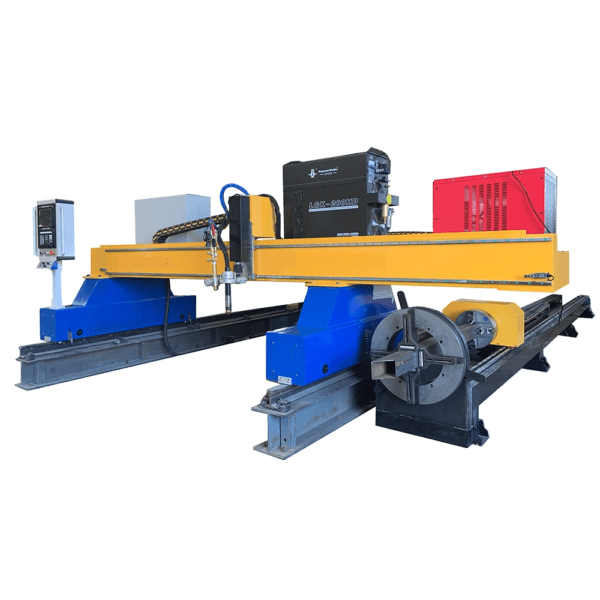
gantry plasma air cutting machine
-
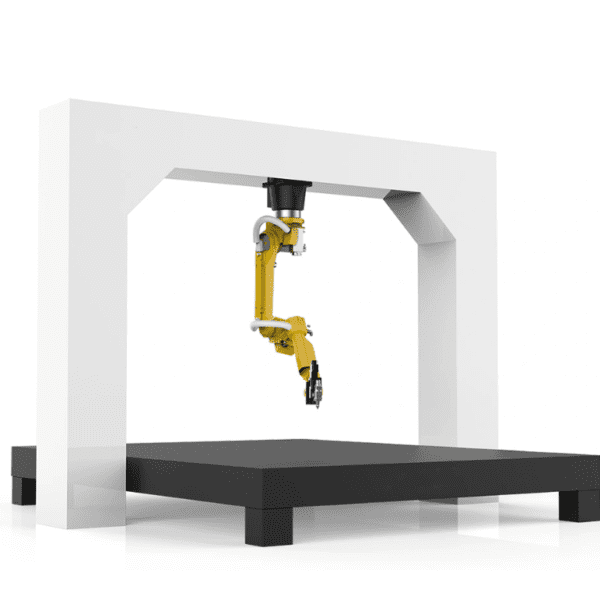
3D robot cutting machine
-
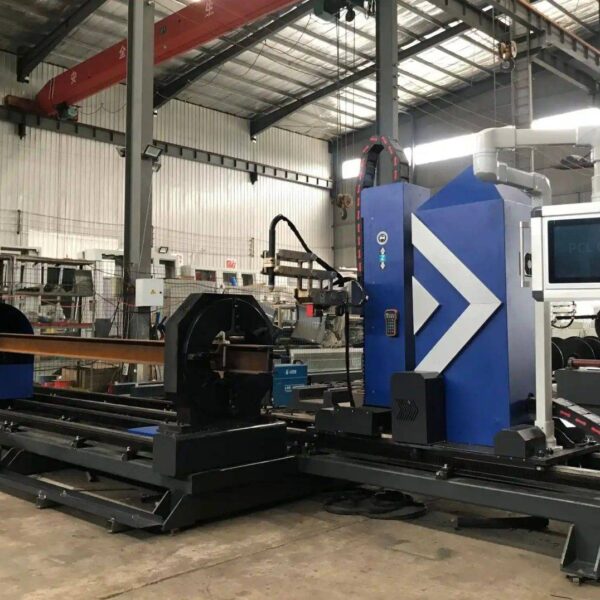
8 axis plasma cutting machine
-
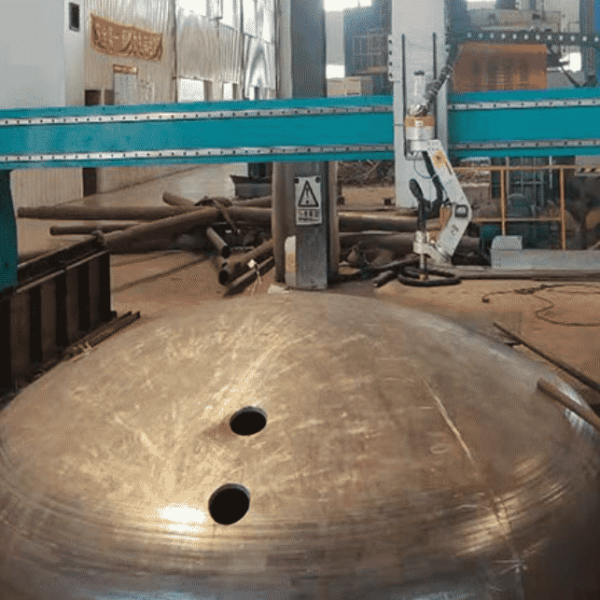
5 axis plasma cutting machine
-

LT360 tube laser cutting machine
-
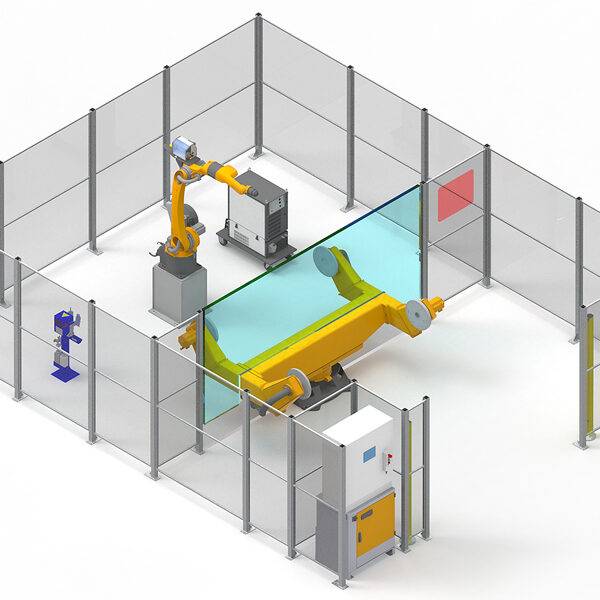
robot welding workstation
-
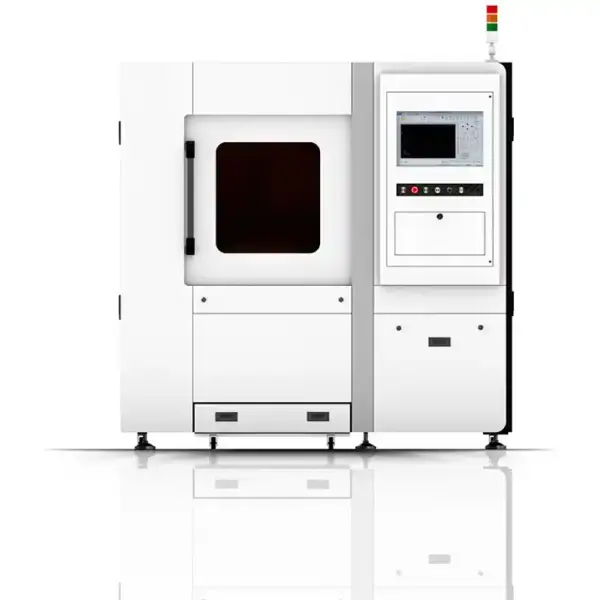
SF6060 fiber laser cutting machine
Advanced Fiber Laser Tube Processing Technology
Our CNC Fiber Laser Tube Cutting systems revolutionize metal fabrication by integrating high-precision cutting, punching, and profiling into a single automated workflow. Designed for versatility, this technology handles a wide array of profiles including Round, Square, Rectangular, and Oval tubes, as well as complex L-shaped and U-shaped channels.
- Precision Punching: High-speed hole punching with micron-level accuracy, eliminating the need for mechanical drilling or die-stamping.
- Complex Profiling: Advanced 3D pathing allows for intricate interlocking joints and specialized notch cuts, ideal for structural frames.
- High Material Efficiency: Intelligent nesting software minimizes scrap, reducing raw material costs across large production runs.
- Clean Finish: Delivers oxide-free, burr-free edges that require zero secondary grinding before welding.

Seamlessly processing multiple profiles with consistent precision.
Global Delivery & Logistics



From our high-tech manufacturing facility directly to your global site. PCL WeldCut ensures secure packaging, professional handling, and reliable international logistics to safeguard your equipment throughout the entire journey.