Field Evaluation Report: 1000W 6-Axis Collaborative Welder Integration
1.0 Site Overview and Objectives
This report details the operational deployment and performance metrics of a 1000W 6-Axis Collaborative Welder within a high-precision fabrication facility located in the Capitale-Nationale region, Quebec. The facility primarily services the HVAC and food-grade cabinetry sectors, where the production mix is characterized by high variability and low-to-medium volumes.
The primary objective was to transition from manual TIG (Tungsten Inert Gas) processes to Automated Welding to address chronic skilled labor shortages in the local Quebec market. The technical focus remained on Thin Metal Sheet welding (ranging from 0.8mm to 2.5mm) in Stainless Steel 304 and 5052 Aluminum. The evaluation period spanned 60 days of continuous multi-shift operation.
2.0 Kinematic Advantages of the 6-Axis Collaborative Welder
The core of the system is a 6-axis articulated arm designed for human-robot collaboration (cobot). Unlike traditional industrial robots that require extensive safety interlocks and perimeter fencing, this 6-Axis Collaborative Welder utilizes torque sensors in each joint to detect resistance, allowing it to operate in proximity to human technicians after a proper risk assessment.

2.1 Reach and Dexterity in Complex Geometries
In the context of Quebec’s specialized cabinetry manufacturing, the 6-axis configuration is non-negotiable. We observed that the ability to articulate the torch at extreme angles allowed for the completion of internal corner welds in electrical enclosures that were previously inaccessible to 4-axis or Cartesian systems. The freedom of movement (specifically the J5 and J6 axes) enables the maintaining of a consistent 90-degree torch-to-workpiece angle, which is critical for consistent penetration in Thin Metal Sheet welding.
2.2 Programming Synergy
The synergy between the 6-Axis Collaborative Welder and Automated Welding logic is realized through “lead-through” programming. In our field tests, a senior welder (non-programmer) was able to teach a complex path for a custom stainless steel manifold in under 15 minutes. This reduces the “setup-to-weld” ratio, making automation feasible for batches as small as five units.
3.0 Technical Analysis of 1000W Laser Performance
The 1000W fiber laser source integrated into the arm provides a high-energy density beam that differs significantly from traditional arc welding. In Quebec’s industrial environments, where power stability can occasionally fluctuate near heavy hydro-grid zones, the use of a dedicated power conditioner was necessary to maintain the laser’s pulse consistency.
3.1 Heat Management in Thin Metal Sheet Welding
The most significant challenge in Thin Metal Sheet welding is the Heat Affected Zone (HAZ). Excessive heat leads to warping, discoloration, and structural weakening. The 1000W laser, when synchronized with the 6-axis motion, allows for travel speeds exceeding 40mm/s on 1.2mm stainless steel. This high speed results in a narrow HAZ, virtually eliminating the need for post-weld straightening—a task that previously consumed 20% of total shop labor time.
3.2 The Role of “Wobble” Parameters
The system utilizes an oscillating beam (wobble) function. For Automated Welding of thin sheets with imperfect fit-ups (gaps up to 0.5mm), we found that a circular wobble pattern of 1.5mm width at 150Hz provided the best bridge. This functionality compensates for the inherent tolerances of sheared sheet metal commonly found in Quebec job shops.
4.0 Real-World Quebec Implementation Factors
Operating a 6-Axis Collaborative Welder in Quebec presents specific environmental and regulatory hurdles that must be documented for future deployments.
4.1 Environmental Adaptations
During the winter months, shop floor temperatures near loading docks can drop significantly. We noted that the cooling unit for the 1000W laser required a specific glycol-to-water ratio to prevent freezing during overnight shutdowns, while also maintaining a tight temperature band (22°C – 25°C) during operation to prevent condensation on the optics. Failure to manage this led to a 15% drop in beam quality during early morning shifts in January.
4.2 Compliance with CNESST Standards
While the robot is “collaborative” by design, Quebec’s CNESST (Commission des normes, de l’équité, de la santé et de la sécurité du travail) requires stringent risk assessments for laser applications. Because the laser itself is Class 4, the “collaborative” aspect refers to the arm’s motion, not the beam. We implemented localized shielding and interlocked laser-safe curtains to create a “hybrid” cell that met provincial safety codes without the footprint of a full robotic cage.
5.0 Lessons Learned: Observations from the Shop Floor
The transition to Automated Welding is not merely a hardware upgrade; it is a process shift. Below are the distilled technical takeaways from this field deployment:
5.1 Fixturing is Critical
The precision of the 6-Axis Collaborative Welder (repeatability of ±0.05mm) is often higher than the precision of the parts being welded. Traditional manual clamps are insufficient. We had to move toward machined aluminum jigs to ensure that Thin Metal Sheet welding remained consistent. If the part moves by 0.5mm, the laser misses the seam entirely—a problem that a manual welder would intuitively correct but an automated system will not, unless integrated with expensive seam-tracking sensors.
5.2 Gas Coverage and Surface Prep
We found that Argon consumption increased by 30% compared to manual TIG. This is due to the higher travel speeds requiring a longer trailing shield to prevent oxidation of the weld bead while it is still above the critical temperature. Furthermore, the Quebec facility’s habit of using oil-based lubricants on the shear press led to initial porosity issues. Automated Welding requires a stricter “clean-only” protocol prior to the arm entering the work zone.
6.0 Comparative Performance Metrics
The following data points compare the 1000W 6-axis system against the previous manual TIG baseline for a standard 304 Stainless Steel kitchen backsplash (1.5mm thickness):
- Weld Speed: Manual TIG: 5-8 mm/s | Automated Laser: 35-45 mm/s.
- Post-Weld Processing: Manual: 12 minutes grinding/polishing | Automated: 2 minutes light buffing.
- Operator Training: Traditional Welder: 3-5 years for “A” class | Cobot Operator: 2 weeks for basic proficiency.
- Power Consumption: The fiber laser system showed a 40% reduction in total KWh per linear meter of weld compared to arc-based systems.
7.0 Conclusion and Technical Outlook
The deployment of the 6-Axis Collaborative Welder in this Quebec field study confirms that Automated Welding is no longer reserved for Tier-1 automotive suppliers. For Thin Metal Sheet welding, the 1000W laser source provides a level of thermal control that manual processes cannot replicate.
The success of future installations will depend on the “Quebec-specific” variables: ensuring equipment can handle the seasonal humidity swings and that shop floor managers treat the cobot as a high-precision machine tool rather than a “smarter” welding torch. The 6-axis movement provides the necessary envelope to handle the complexity of local custom fabrication, provided the upstream processes (cutting and bending) are held to tighter tolerances.
End of Report
Prepared by: Senior Welding Engineer, Technical Services Division
-
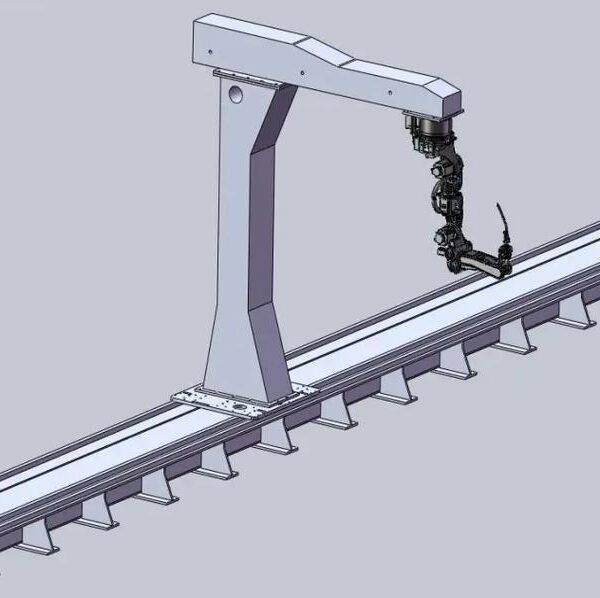

Cantilever Welding Robot solution
-
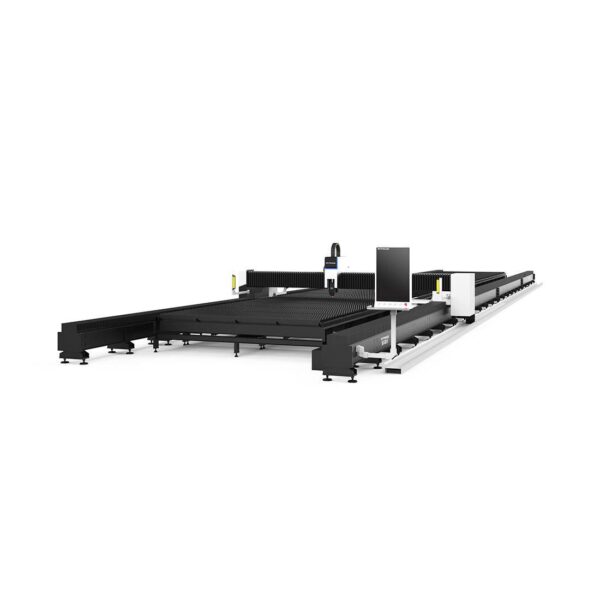

GF laser cutting machine
-
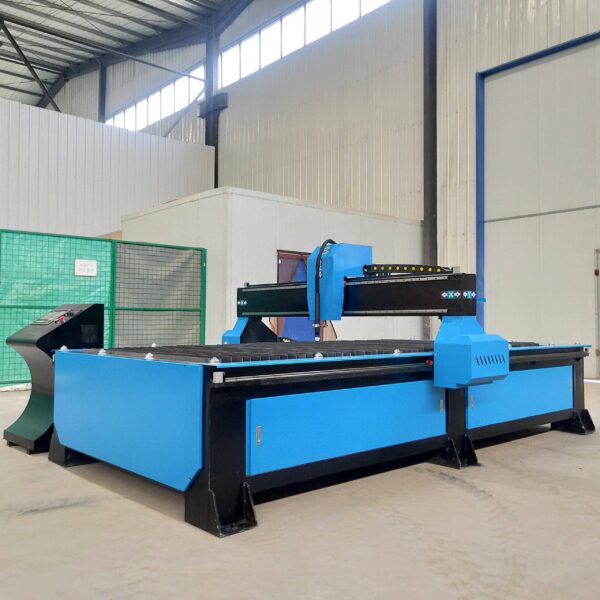
P3015 plasma cutting machine
-

LFP3015 Fiber Laser Cutter
-
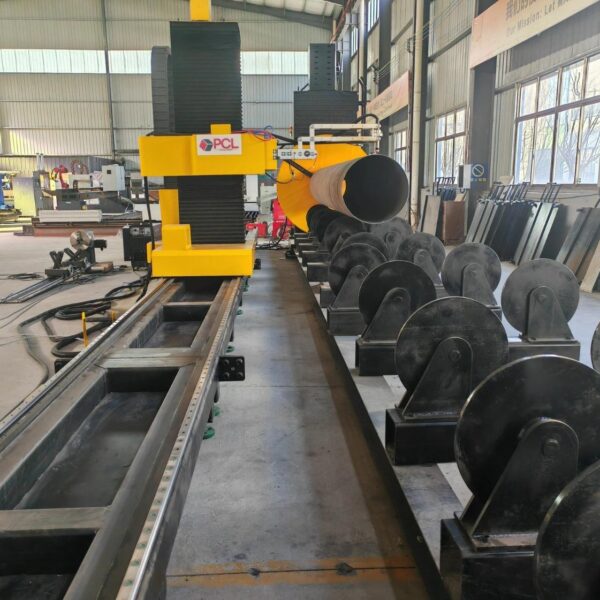
pipe plasma cutting machine
-
LFH 4020 Fiber Laser Cutting Machine
-
LFP4020
-
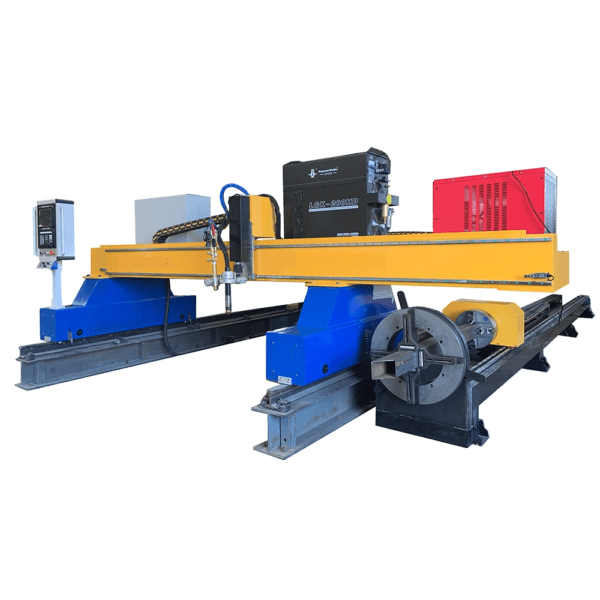
gantry plasma air cutting machine
-
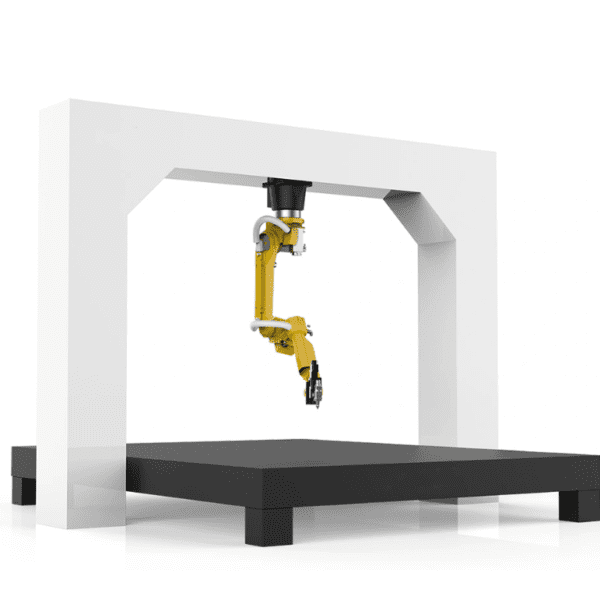
3D robot cutting machine
-
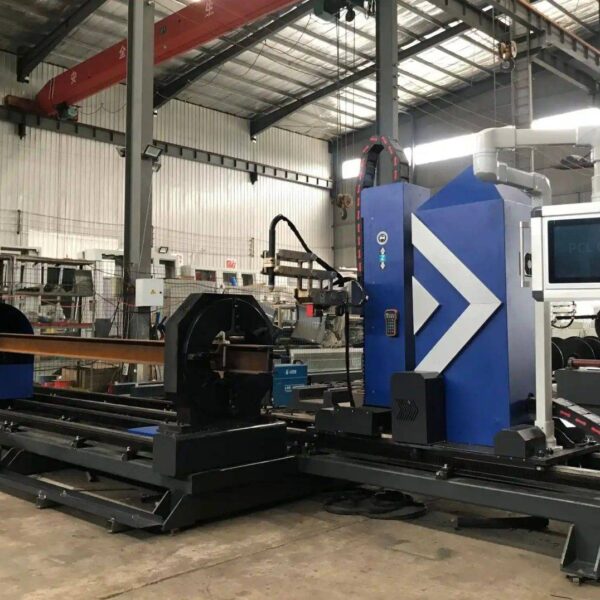
8 axis plasma cutting machine
-
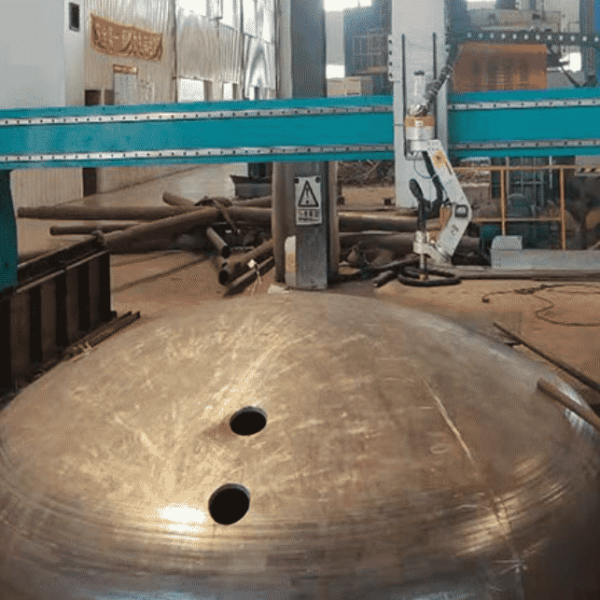
5 axis plasma cutting machine
-

LT360 tube laser cutting machine
-
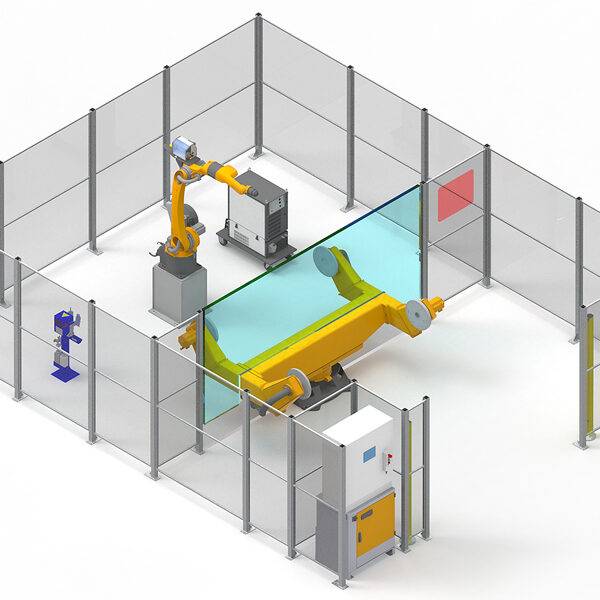
robot welding workstation
-
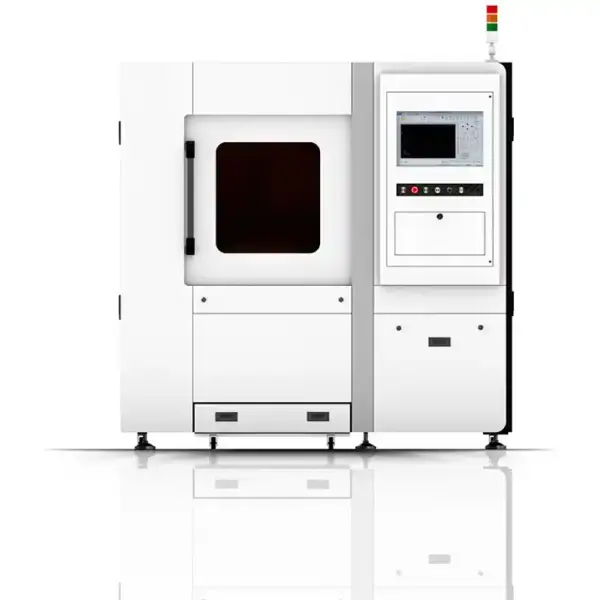
SF6060 fiber laser cutting machine
Advanced Fiber Laser Tube Processing Technology
Our CNC Fiber Laser Tube Cutting systems revolutionize metal fabrication by integrating high-precision cutting, punching, and profiling into a single automated workflow. Designed for versatility, this technology handles a wide array of profiles including Round, Square, Rectangular, and Oval tubes, as well as complex L-shaped and U-shaped channels.
- Precision Punching: High-speed hole punching with micron-level accuracy, eliminating the need for mechanical drilling or die-stamping.
- Complex Profiling: Advanced 3D pathing allows for intricate interlocking joints and specialized notch cuts, ideal for structural frames.
- High Material Efficiency: Intelligent nesting software minimizes scrap, reducing raw material costs across large production runs.
- Clean Finish: Delivers oxide-free, burr-free edges that require zero secondary grinding before welding.

Seamlessly processing multiple profiles with consistent precision.
Global Delivery & Logistics



From our high-tech manufacturing facility directly to your global site. PCL WeldCut ensures secure packaging, professional handling, and reliable international logistics to safeguard your equipment throughout the entire journey.