Field Report: Implementation of Deep Penetration Collaborative Arc Welding Systems in London’s High-Precision Sector
1. Executive Summary and Site Overview
This report details the technical deployment and operational assessment of a Deep Penetration Collaborative Arc Welding System at a specialist fabrication facility in East London, UK. The facility focuses primarily on high-end architectural components and HVAC infrastructure, where sheet metal fabrication welding requirements demand both aesthetic cleanliness and structural integrity. The objective was to transition from manual TIG/MIG stations to a hybrid environment where Automated Welding protocols are executed via collaborative robots (cobots).
The London site presents unique logistical challenges: limited floor space, high utility costs, and a localized shortage of Category A certified welders. By integrating a Collaborative Arc Welding System, we aimed to bridge the gap between the flexibility of manual labor and the repeatability of dedicated hard-automation lines.
2. The Technical Synergy: Collaborative Systems vs. Traditional Automated Welding
In the context of modern UK manufacturing, the distinction between a Collaborative Arc Welding System and traditional automated welding is critical. Traditional automation—typically fixed-cell industrial robots—requires significant footprint and complex safety interlocking. In a cramped London workshop, this is often non-viable.

The synergy we achieved here lies in the “Human-in-the-Loop” workflow. Unlike legacy automated welding, where the machine is isolated, the collaborative system allows the senior welding engineer to “lead through” the torch path. This is particularly effective for complex sheet metal fabrication welding where part fit-up may vary by +/- 0.5mm. The system’s sensors compensate for these minor deviations in real-time—a feat traditional fixed-track automation struggles with without expensive vision systems.
By utilizing the deep penetration power source (modified pulse-spray transfer), we managed to achieve full-strength butt welds on 6mm 316L stainless steel in a single pass, a process that previously required multi-pass manual intervention. The “collaborative” element ensures that the operator remains the primary decision-maker for weld sequencing, while the machine handles the torch-angle consistency and travel speed necessary for deep penetration.
3. Sheet Metal Fabrication Welding: Overcoming Heat Distortion
One of the primary hurdles in sheet metal fabrication welding is thermal management. High-amperage deep penetration arcs generate significant heat-affected zones (HAZ) if not controlled. In this London field test, we focused on 2mm to 4mm gauge aluminum and stainless steel panels.
3.1 Parameter Optimization
To prevent burn-through while maintaining deep penetration, we programmed the Collaborative Arc Welding System with a high-frequency pulsed MIG waveform. The automated welding logic was set to a travel speed of 450mm/min, which is approximately 2.5 times faster than our manual baseline. This increased speed reduced the total heat input per linear millimeter, effectively eliminating the warping issues that previously plagued our architectural cladding projects.
3.2 Fixturing and Tolerance
A lesson learned during the second week of deployment involved fixture rigidity. Because the cobot maintains a precise Tool Center Point (TCP), any “spring-back” in the sheet metal during the weld cycle results in a loss of penetration depth. We moved from standard toggle clamps to a bespoke pneumatic modular jigging system. This ensures that the automated welding path remains true to the material surface, allowing the deep penetration arc to focus energy exactly at the root of the joint.
4. Operational Logistics in the London Environment
Deploying advanced automated welding technology in an urban UK setting involves specific environmental considerations. The facility’s power grid required a dedicated three-phase 400V drop to ensure the deep penetration power source didn’t suffer from voltage sag during peak industrial hours (typically between 10:00 AM and 2:00 PM when surrounding units are at max capacity).
4.1 Workforce Integration
The transition to a Collaborative Arc Welding System was met with initial skepticism by the manual welding crew. However, by positioning the system as a “power tool” rather than a “replacement,” we saw a 40% increase in throughput within 30 days. The senior welders now act as “Cobot Supervisors,” focusing on the metallurgical integrity and WPS (Welding Procedure Specification) compliance, while the system handles the repetitive, ergonomically taxing welds.
5. Deep Penetration Performance Data
Quantitative analysis of the automated welding output showed a marked improvement in weld quality. Using ultrasonic testing (UT) on a sample of 50 structural joints, the Collaborative Arc Welding System achieved a 98% first-pass yield.
- Manual Baseline: 12% repair rate (primarily due to porosity and inconsistent root fusion).
- Collaborative System: 1.5% repair rate (primarily due to wire-feed interruptions).
The deep penetration settings allowed us to reduce bevel angles from 60 degrees to 30 degrees on thicker plates, resulting in a 25% reduction in filler wire consumption. This is a significant cost-saving measure for sheet metal fabrication welding involving expensive alloys like Inconel or high-grade stainless steel.
6. Lessons Learned: Root Cause Analysis of Field Failures
No field deployment is without friction. We encountered three primary technical issues that required immediate engineering pivots:
6.1 Gas Shielding Turbulence
The automated welding torch moves at higher speeds than manual torches. In the London facility, the local HVAC extraction system was creating cross-drafts. At 500mm/min, the shielding gas envelope was being stripped away, leading to surface oxidation. We resolved this by installing a specialized gas lens and a local “dead-zone” screen around the cobot cell to stabilize the Argon/CO2 mix.
6.2 Wire Feed Consistency
Deep penetration requires a highly stable arc. We found that standard 15kg wire spools were experiencing slight tension variations. For sheet metal fabrication welding, even a millisecond of “arc stutter” can cause a blow-through. We upgraded to a de-reeling station with a motorized pre-feeder to ensure zero-tension delivery to the Collaborative Arc Welding System’s drive rolls.
6.3 Software/WPS Alignment
Initially, the digital WPS stored in the system did not account for the “heat soak” of the table. In a high-volume shift, the metal table acts as a heat sink for the first five parts, but then reaches a steady-state temperature. We had to program a “thermal offset” into the automated welding logic, slightly reducing amperage as the shift progressed to maintain consistent bead width.
7. Safety Compliance (UK/CE Standards)
Operating a Collaborative Arc Welding System in the UK requires strict adherence to BS EN ISO 10218-1/2 and PD ISO/TS 15066. Because the system is “collaborative,” we performed a rigorous force and pressure limit test. However, the primary hazard in welding is not mechanical impact, but UV radiation and fumes. We implemented a rapid-deploy welding curtain system interlocked with the cobot’s E-stop. This ensures that while the system is “open” for collaboration, the surrounding workshop is protected from arc flash.
8. Conclusion and Future Outlook
The integration of the Collaborative Arc Welding System in London has proven that automated welding is no longer the exclusive domain of automotive assembly lines. For the sheet metal fabrication welding sector, the ability to deploy deep penetration arcs with the precision of a robot and the intuition of a human welder is a force multiplier.
Our findings suggest that the ROI for such a system in a high-rent urban environment is approximately 14 months, driven largely by the reduction in scrap and the ability to take on higher-spec contracts that manual welding alone could not guarantee. The next phase will involve integrating AI-based seam tracking to further enhance the system’s ability to handle non-linear joints in thin-gauge assemblies.
Signed,
Senior Welding Engineer
London Site Audit Group
-
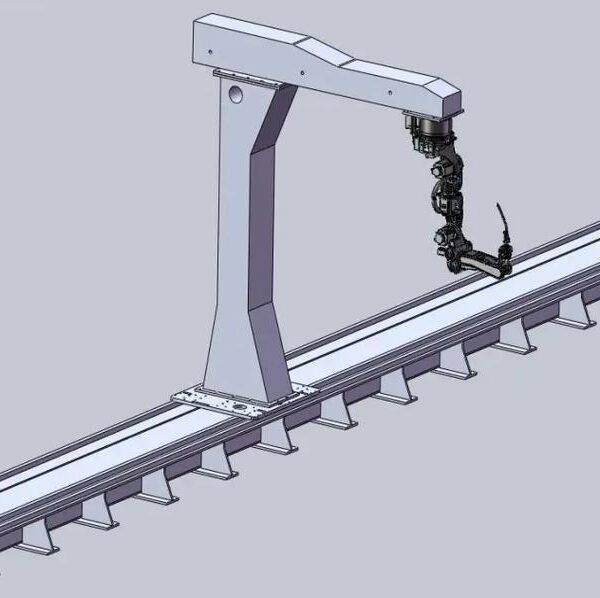

Cantilever Welding Robot solution
-
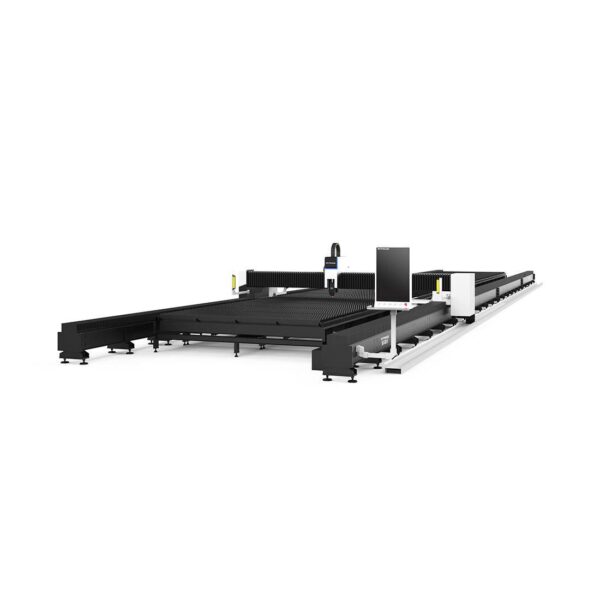

GF laser cutting machine
-
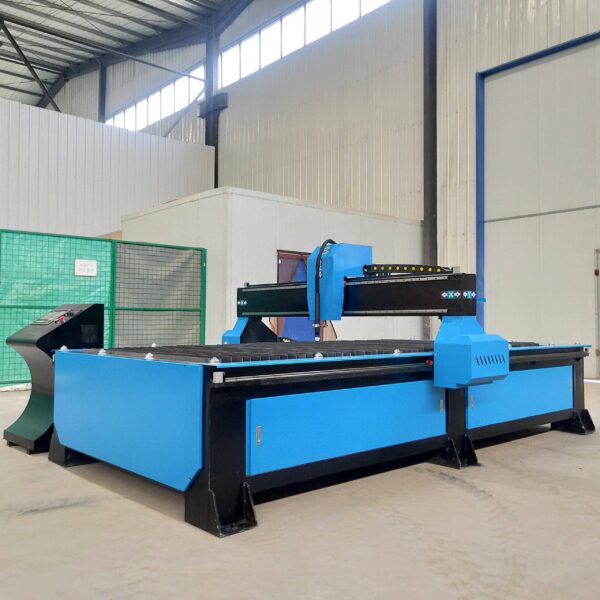
P3015 plasma cutting machine
-

LFP3015 Fiber Laser Cutter
-
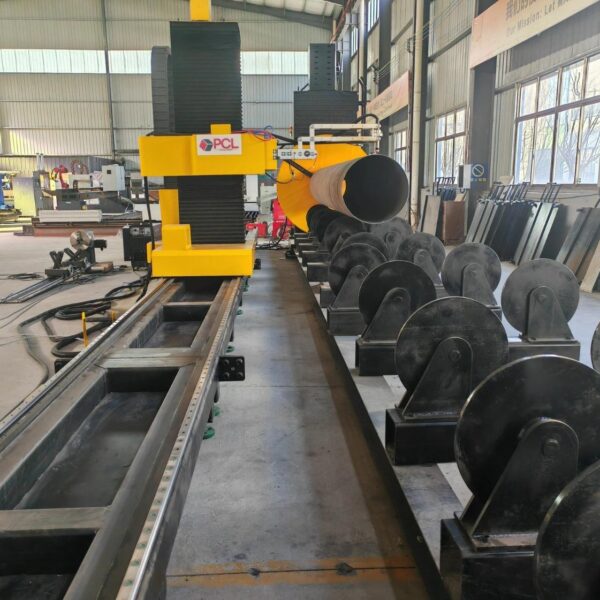
pipe plasma cutting machine
-
LFH 4020 Fiber Laser Cutting Machine
-
LFP4020
-
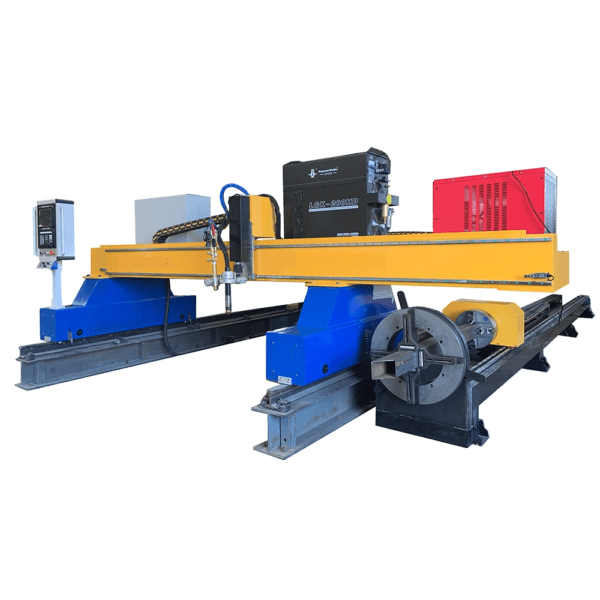
gantry plasma air cutting machine
-
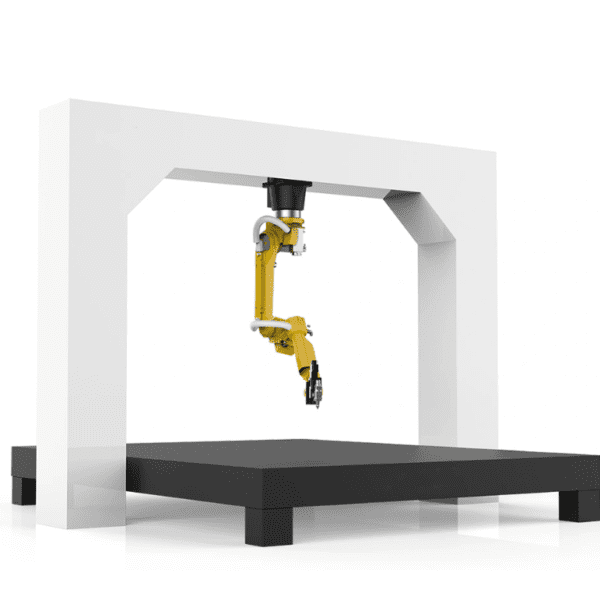
3D robot cutting machine
-
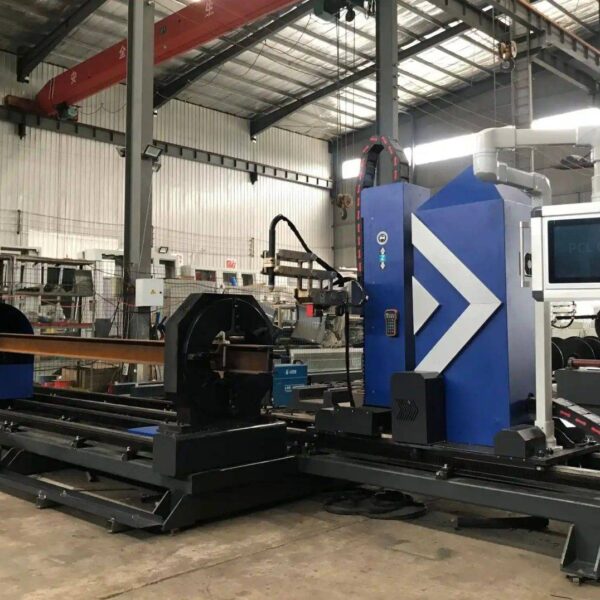
8 axis plasma cutting machine
-
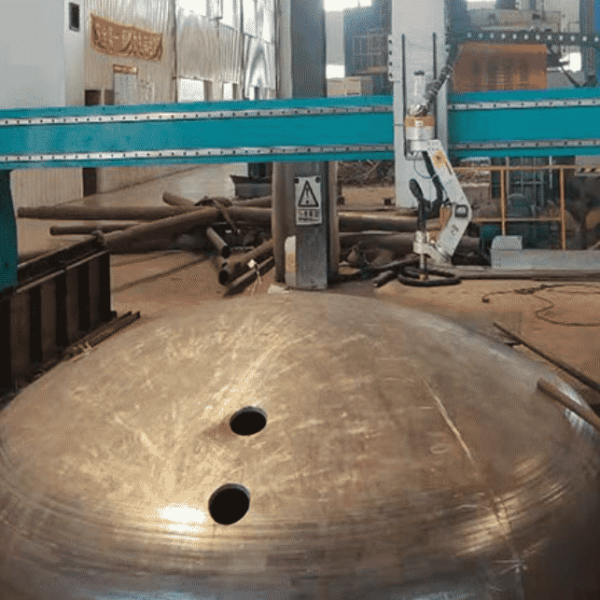
5 axis plasma cutting machine
-

LT360 tube laser cutting machine
-
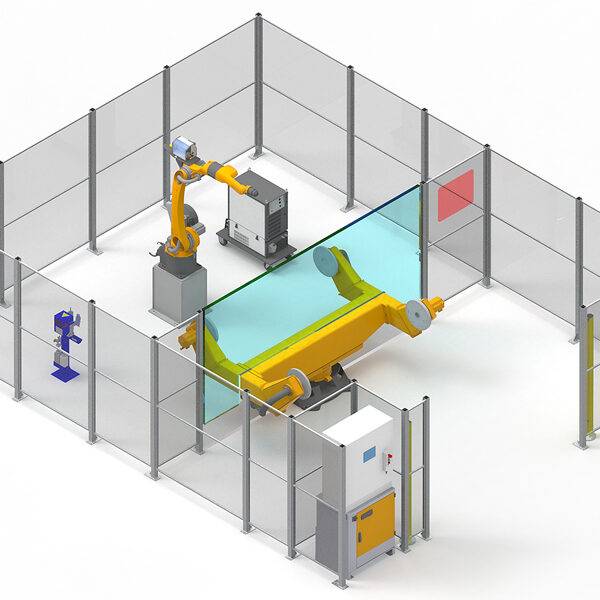
robot welding workstation
-
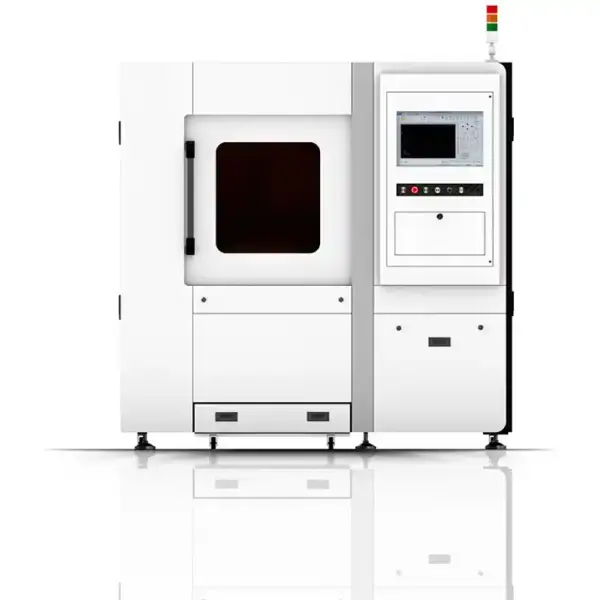
SF6060 fiber laser cutting machine
Advanced Fiber Laser Tube Processing Technology
Our CNC Fiber Laser Tube Cutting systems revolutionize metal fabrication by integrating high-precision cutting, punching, and profiling into a single automated workflow. Designed for versatility, this technology handles a wide array of profiles including Round, Square, Rectangular, and Oval tubes, as well as complex L-shaped and U-shaped channels.
- Precision Punching: High-speed hole punching with micron-level accuracy, eliminating the need for mechanical drilling or die-stamping.
- Complex Profiling: Advanced 3D pathing allows for intricate interlocking joints and specialized notch cuts, ideal for structural frames.
- High Material Efficiency: Intelligent nesting software minimizes scrap, reducing raw material costs across large production runs.
- Clean Finish: Delivers oxide-free, burr-free edges that require zero secondary grinding before welding.

Seamlessly processing multiple profiles with consistent precision.
Global Delivery & Logistics



From our high-tech manufacturing facility directly to your global site. PCL WeldCut ensures secure packaging, professional handling, and reliable international logistics to safeguard your equipment throughout the entire journey.
