Technical Integration of Narrow Gap Robotic MAG Welding
In the heavy fabrication sector, specifically within wind tower production, the girth seam represents a critical structural junction subject to immense dynamic loading. Traditional welding methods often rely on large-angle V-groove preparations which require excessive filler material and multiple passes. The shift toward Narrow Gap Welding technology, integrated with robotic systems, addresses these inefficiencies by minimizing the groove angle to nearly parallel walls. This reduction in the weld preparation area directly correlates to a decrease in the required weld metal volume, often by as much as 40% to 60% depending on the plate thickness.
Implementing Robotic MAG Welding (Metal Active Gas) within a narrow gap configuration necessitates precise control over the arc and torch positioning. Unlike manual or semi-automated processes, robotic systems utilize advanced oscillation patterns and high-frequency sensor feedback to ensure sidewall fusion. In wind tower sections where wall thicknesses can exceed 50mm, maintaining thermal consistency is paramount. The robotic arm manages heat input with a level of repeatability that human operators cannot sustain over 12-hour shifts, effectively eliminating the risk of inter-pass lack of fusion.
Mechanical Optimization of the Girth Seam Welder
An automatic Girth Seam Welder designed for wind towers typically utilizes a column-and-boom or a specialized circular track system. The Narrow Gap MAG process requires a specific torch nozzle design to reach the root of deep, narrow preparations without causing gas turbulence or short-circuiting against the sidewalls. Industrial engineers must calibrate the shielding gas flow rates to compensate for the confined space of the gap, ensuring that the weld pool remains fully protected from atmospheric nitrogen and oxygen contamination.
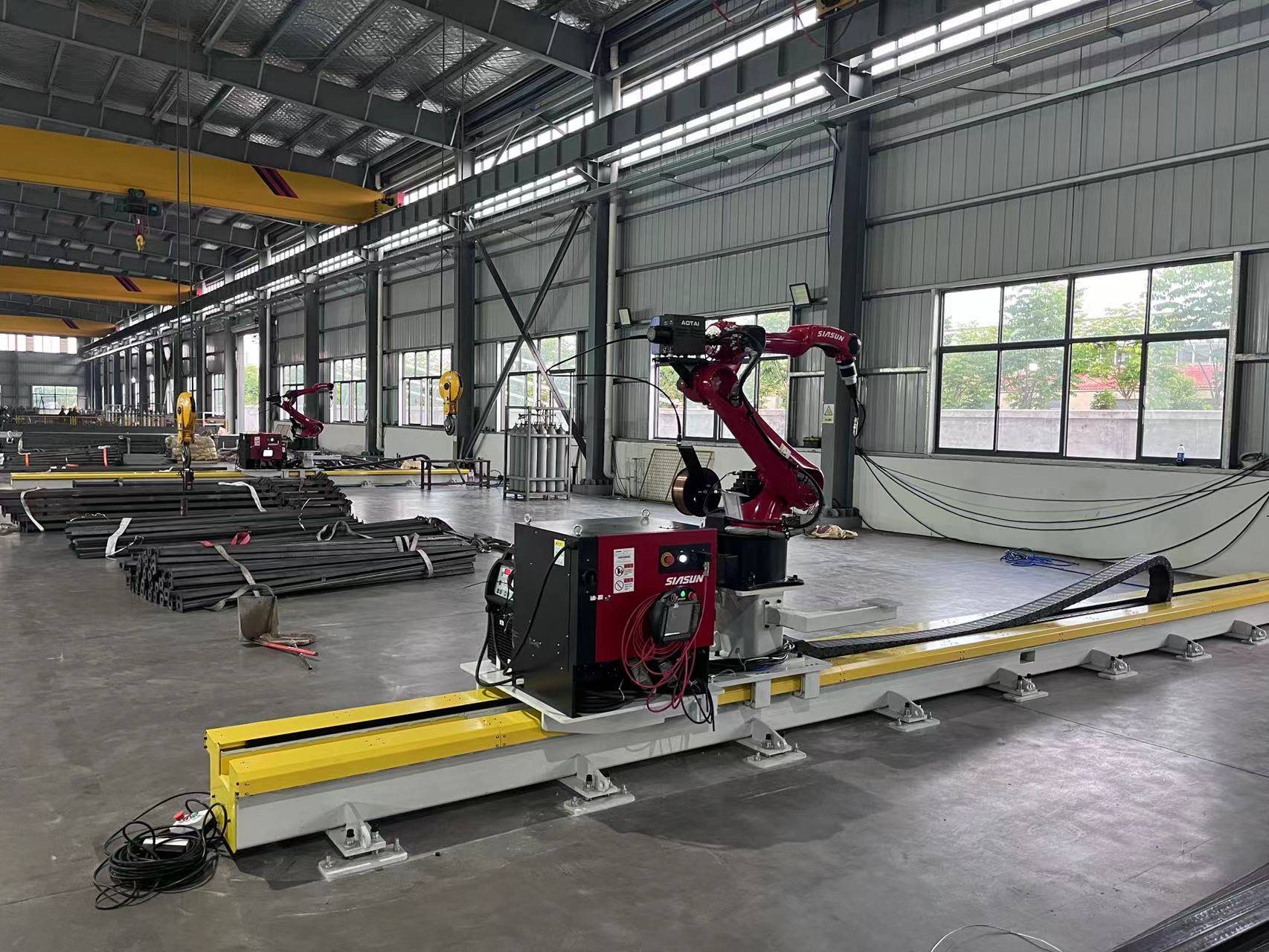
The mechanical stability of the tower section rotators is equally important. Any eccentricity in the rotation of the massive steel cans can lead to fluctuations in the gap geometry. Advanced robotic systems mitigate this through tactile or through-the-arc sensing (TASP). These sensors provide real-time data to the robot controller, which adjusts the torch position in the X, Y, and Z axes to compensate for fit-up tolerances. This level of autonomy ensures that the girth seam remains consistent across the entire 360-degree circumference.
Maintenance Protocols for High-Duty Cycle Robotics
From an engineering management perspective, the maintenance of robotic MAG systems is a predictive necessity rather than a reactive task. High duty cycles, often exceeding 80% arc-on time, place significant thermal stress on the welding torch, contact tips, and wire liners. A structured maintenance schedule for an automatic Wind Tower Fabrication system includes daily inspections of the wire feed rolls to prevent slippage and weekly ultrasonic cleaning of the gas nozzles to remove spatter buildup.
Furthermore, the robotic arm’s repeatability is contingent upon the integrity of its encoders and drive belts. In a heavy industrial environment characterized by metallic dust and electromagnetic interference, the control cabinet must be pressurized and filtered. Preventive maintenance should also focus on the conduit between the wire drum and the robotic head. Friction in the wire delivery path is a leading cause of arc instability; therefore, low-friction ceramic liners are recommended to ensure a constant feed rate, which is critical for the stability of the narrow gap arc.
Labor ROI and Operational Efficiency
The Return on Investment (ROI) for robotic girth seam welding is calculated through three primary vectors: labor reduction, consumable savings, and rework mitigation. In a manual SAW or MAG environment, a single girth seam might require two to three skilled welders working in tandem to manage the heat and deposition rate. By transitioning to an automated robotic cell, a single technician can oversee multiple welding heads. This shift reallocates human capital from high-risk, repetitive manual labor to high-value system oversight and quality control.
Labor ROI is further bolstered by the reduction in “arc-off” time. Robotic systems do not require breaks, and when paired with a narrow gap preparation, the total number of passes required to complete a seam is significantly reduced. For a standard wind tower section, this can result in a 30% reduction in total cycle time per can. Additionally, because the narrow gap requires less filler wire and shielding gas, the variable cost per meter of weld is lowered. The precision of the robot also ensures that the weld profile meets stringent Ultrasonic Testing (UT) and Phased Array (PAUT) standards on the first pass, virtually eliminating the costs associated with carbon gouging and re-welding.
Quality Assurance and Throughput Metrics
The integration of robotic MAG welding allows for the digital logging of every weld parameter—voltage, current, travel speed, and gas flow. This data-driven approach facilitates a “digital twin” of the fabrication process, where quality can be audited in real-time. For industrial engineers, this means that throughput bottlenecks can be identified through data analysis rather than anecdotal evidence. If a particular batch of steel shows a trend toward porosity, the system parameters can be adjusted globally across all robotic cells instantly.
Ultimately, the adoption of Narrow Gap Robotic MAG Welding in wind tower production represents a transition toward “Industry 4.0” standards. The synergy of reduced material volume and high-precision automation yields a production line that is both leaner and more resilient to fluctuations in the labor market. By focusing on the mechanical and economic advantages of this specific welding architecture, manufacturers can achieve the high-volume output necessary to meet global renewable energy infrastructure demands without compromising on structural integrity or operational profitability.
-
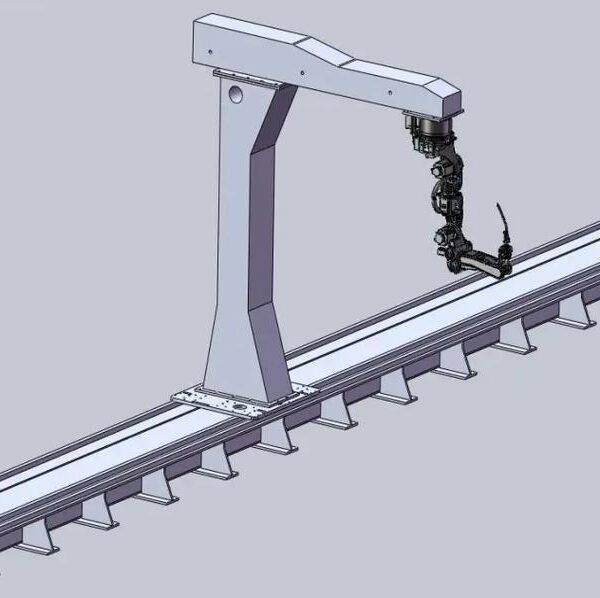

Cantilever Welding Robot solution
-
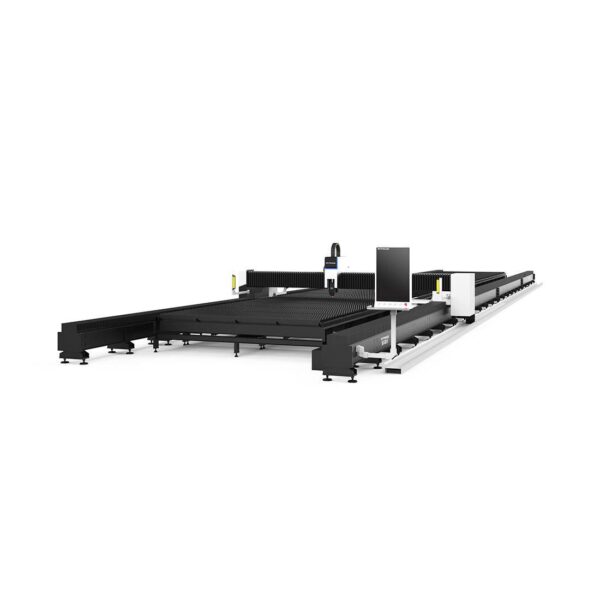

GF laser cutting machine
-
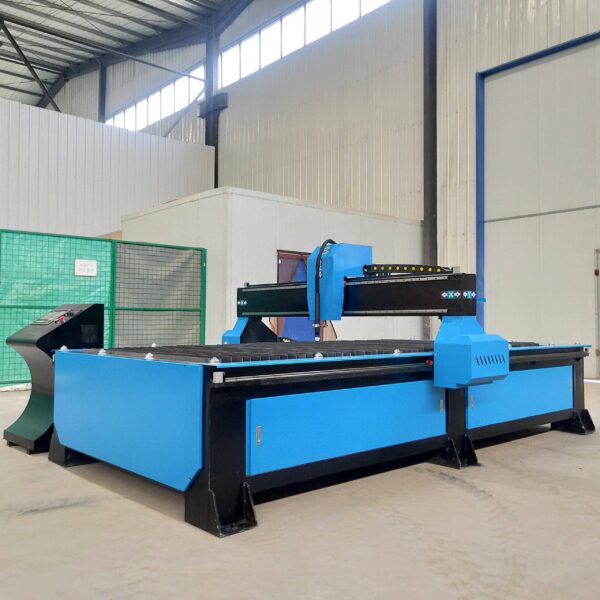
P3015 plasma cutting machine
-

LFP3015 Fiber Laser Cutter
-
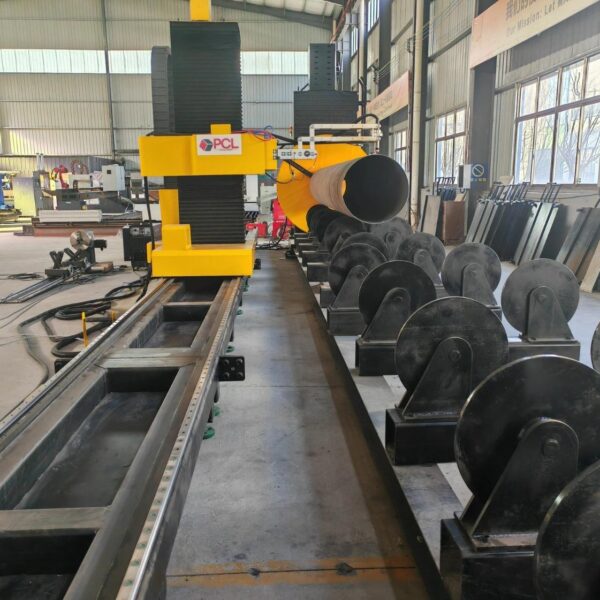
pipe plasma cutting machine
-
LFH 4020 Fiber Laser Cutting Machine
-
LFP4020
-
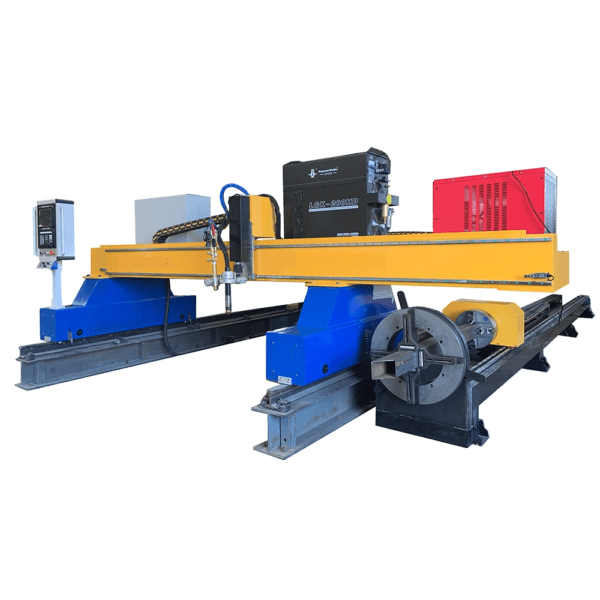
gantry plasma air cutting machine
-
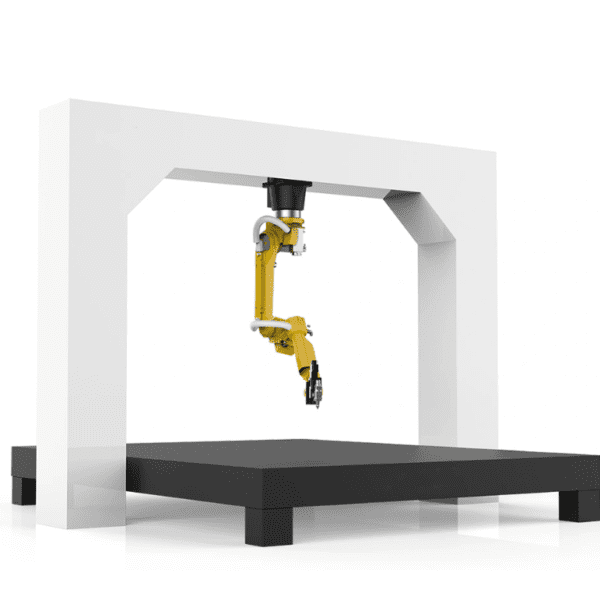
3D robot cutting machine
-
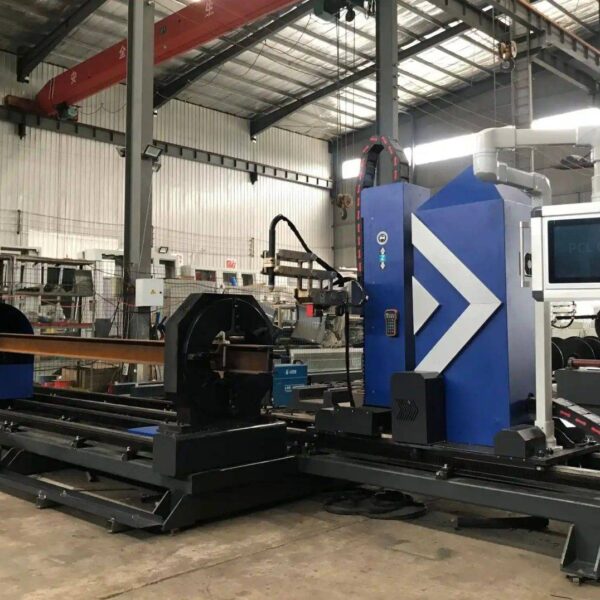
8 axis plasma cutting machine
-
5 axis plasma cutting machine
-

LT360 tube laser cutting machine
-
robot welding workstation
-
SF6060 fiber laser cutting machine
Advanced Fiber Laser Tube Processing Technology
Our CNC Fiber Laser Tube Cutting systems revolutionize metal fabrication by integrating high-precision cutting, punching, and profiling into a single automated workflow. Designed for versatility, this technology handles a wide array of profiles including Round, Square, Rectangular, and Oval tubes, as well as complex L-shaped and U-shaped channels.
- Precision Punching: High-speed hole punching with micron-level accuracy, eliminating the need for mechanical drilling or die-stamping.
- Complex Profiling: Advanced 3D pathing allows for intricate interlocking joints and specialized notch cuts, ideal for structural frames.
- High Material Efficiency: Intelligent nesting software minimizes scrap, reducing raw material costs across large production runs.
- Clean Finish: Delivers oxide-free, burr-free edges that require zero secondary grinding before welding.

Seamlessly processing multiple profiles with consistent precision.
Global Delivery & Logistics



From our high-tech manufacturing facility directly to your global site. PCL WeldCut ensures secure packaging, professional handling, and reliable international logistics to safeguard your equipment throughout the entire journey.