Optimization of Circular Joinery in Heavy Equipment Manufacturing
In the production of construction machinery, the structural integrity of cylindrical components—such as hydraulic cylinders, track rollers, and drive shafts—is paramount. The Automatic Girth Seam Welder represents a specialized class of automation designed to execute circumferential joints with high repeatability. Industrial engineering standards now prioritize the integration of Narrow Gap configurations to minimize the Heat Affected Zone (HAZ) and reduce the total volume of filler metal required. By moving away from wide-angle groove geometries, manufacturers can effectively streamline the production of heavy-duty components that must withstand extreme torsional and axial loads.
The Mechanics of Narrow Gap MAG Welding
Narrow Gap welding (NGW) is defined by its deep, narrow groove preparation, typically featuring an opening of 7 to 20 millimeters regardless of the plate thickness. When applied to Narrow Gap welding within a robotic framework, the process utilizes Metal Active Gas (MAG) techniques. The robotic arm controls the torch with sub-millimeter precision, often employing specialized oscillation patterns to ensure sidewall fusion. In girth seam applications, the workpiece is typically mounted on a precision rotary positioner, synchronized with the robot’s external axis controller. This synchronization ensures a constant surface speed, which is critical for maintaining a stable molten pool in the 1G (flat) position.
The use of MAG welding in this context involves a shielding gas mixture, typically Argon and CO2, which provides stable arc characteristics and deep penetration. For narrow gap applications, the contact tip-to-work distance must be strictly monitored. Robotic systems utilize “Through-Arc Seam Tracking” (TAST) or touch-sensing to compensate for any fit-up tolerances or eccentricities in the workpiece rotation. This eliminates the risk of lack of fusion, a common defect in manual narrow gap attempts due to the restricted visibility and torch maneuverability.

Robotic Integration and Process Control
The transition to robotic MAG welding for girth seams necessitates a shift in shop floor logic. The robot is not merely a tool-holder but a data-driven execution unit. Control systems manage the welding parameters—voltage, wire feed speed, and travel speed—in real-time. For thick-walled construction machinery components, the robot executes a multi-layer strategy. Because the gap is narrow, the number of passes is significantly reduced compared to a standard 60-degree V-groove. For example, a 50mm thick wall that previously required 25 passes may only require 10 to 12 passes using Narrow Gap technology.
High-deposition rates are achieved through the use of large diameter flux-cored or solid wires. The robotic system maintains a duty cycle often exceeding 80%, compared to the 30-40% typically seen with manual operators who must frequently pause for repositioning and slag removal. This continuous operation is essential for maintaining the interpass temperature, which is a critical variable for the metallurgical properties of high-strength steels used in construction equipment.
Maintenance Protocols for High-Availability Robotic Cells
From an industrial engineering perspective, the reliability of the robotic girth seam welder is tied to a rigorous preventative maintenance schedule. Unlike manual setups, a robotic failure halts an entire production line. Maintenance focus areas include:
Wire Delivery System Integrity
The wire feeder and liner must be inspected weekly. In MAG welding, any friction in the liner can cause “bird-nesting” or erratic arc behavior. For Narrow Gap torches, which often have longer or more specialized necks, the use of high-quality, low-friction liners is mandatory to ensure consistent wire delivery into the deep groove.
Consumable Management
The contact tip is the most frequent point of failure. Modern robotic cells utilize automatic tip changers and mechanical torch cleaners (reamers). The reamer removes spatter from the gas nozzle, ensuring laminar flow of the shielding gas. Any turbulence in gas flow within a narrow gap can lead to porosity, which is catastrophic for heavy machinery components under high pressure.
Calibration of Rotary Positioners
The alignment between the robot’s tool center point (TCP) and the rotary axis of the positioner must be verified monthly. Even a 0.5mm deviation can lead to off-center welds in a narrow gap, resulting in one-sided fusion defects. Dial indicators and laser alignment tools are used to ensure the concentricity of the workpiece remains within specified tolerances.
Labor ROI and Economic Impact Analysis
The justification for investing in an Automatic Girth Seam Welder is primarily found in the labor ROI. The construction machinery industry faces a chronic shortage of certified welders capable of performing high-quality, multi-pass girth welds on heavy plate. A robotic system effectively decouples production capacity from labor availability.
Consider a standard ROI calculation for a track roller production line. A manual welder may complete four units per shift, factoring in setup, welding, and fatigue. A robotic cell with a dual-station positioner can complete twelve units in the same timeframe. The reduction in filler metal consumption due to the Narrow Gap geometry further contributes to cost savings, often reducing wire costs by 30% to 50% per joint.
Furthermore, the “cost of quality” is drastically lowered. Manual girth welding on thick-walled cylinders carries a high risk of rework due to ultrasonic testing (UT) failures. Robotic MAG welding provides a consistent bead profile and penetration depth, pushing first-pass yield rates toward 99%. When factoring in the elimination of rework labor, the payback period for a robotic girth seam welding system typically ranges between 14 and 22 months, depending on shift configurations.
Conclusion: The Future of Heavy Fabrication
In conclusion, the integration of Automatic Girth Seam Welders with Narrow Gap MAG technology is no longer an optional upgrade for Construction Machinery manufacturers—it is a competitive necessity. By focusing on robotic precision, strict maintenance of the wire delivery path, and the strategic reduction of weld volume, facilities can achieve unprecedented levels of throughput. The transition from manual labor to automated systems addresses the dual challenges of skilled labor scarcity and the demand for higher structural performance in heavy equipment components. As the industry moves toward further digitalization, these robotic cells will serve as the foundation for fully autonomous fabrication environments.
-
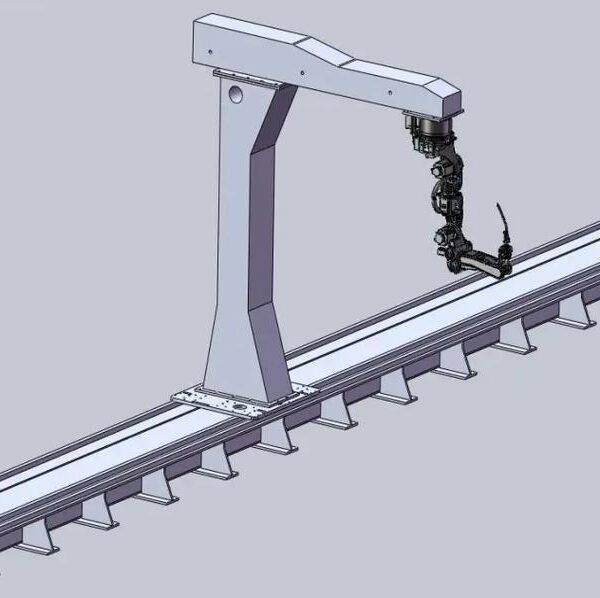

Cantilever Welding Robot solution
-
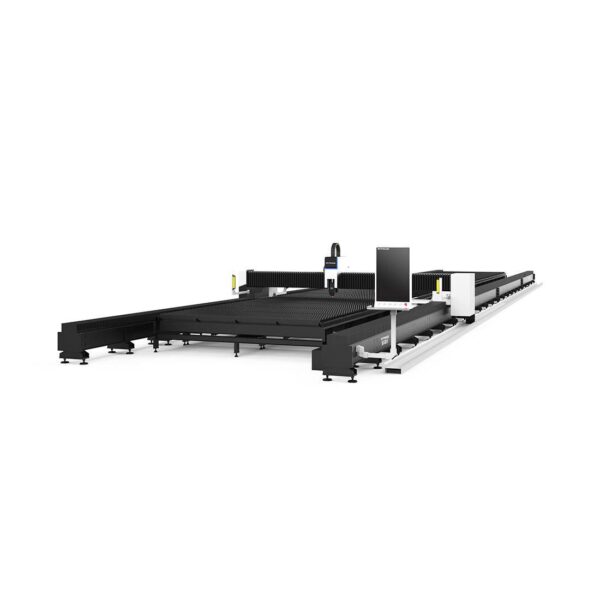

GF laser cutting machine
-
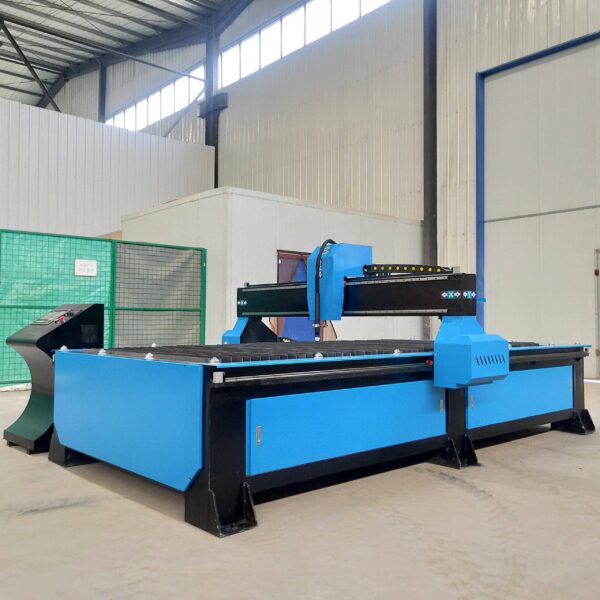
P3015 plasma cutting machine
-

LFP3015 Fiber Laser Cutter
-
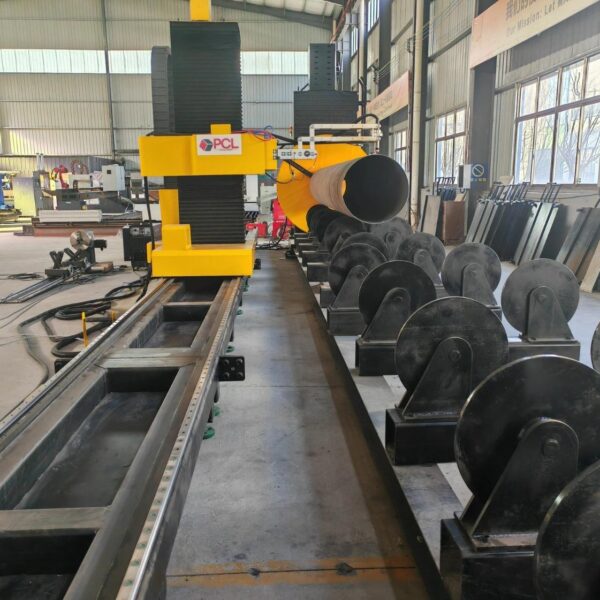
pipe plasma cutting machine
-
LFH 4020 Fiber Laser Cutting Machine
-
LFP4020
-
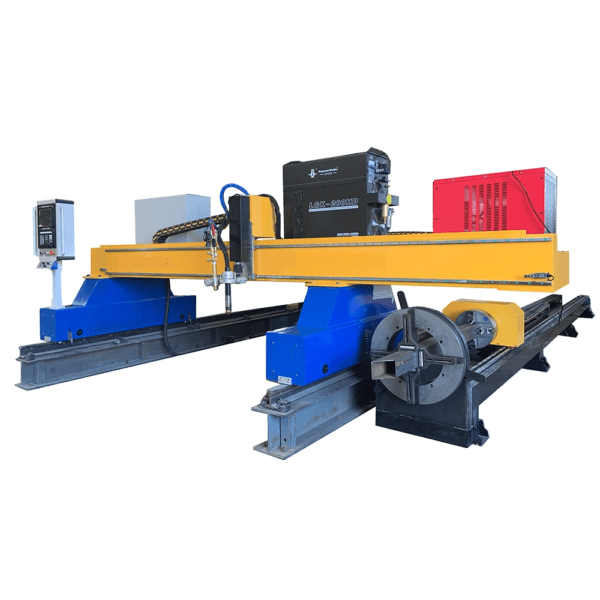
gantry plasma air cutting machine
-
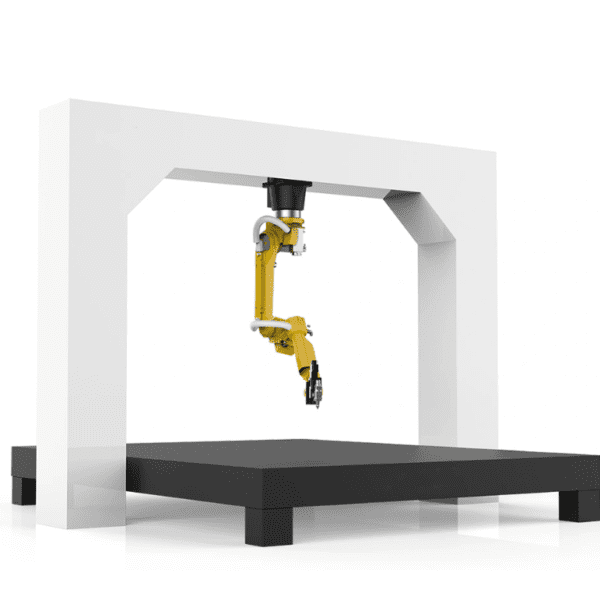
3D robot cutting machine
-
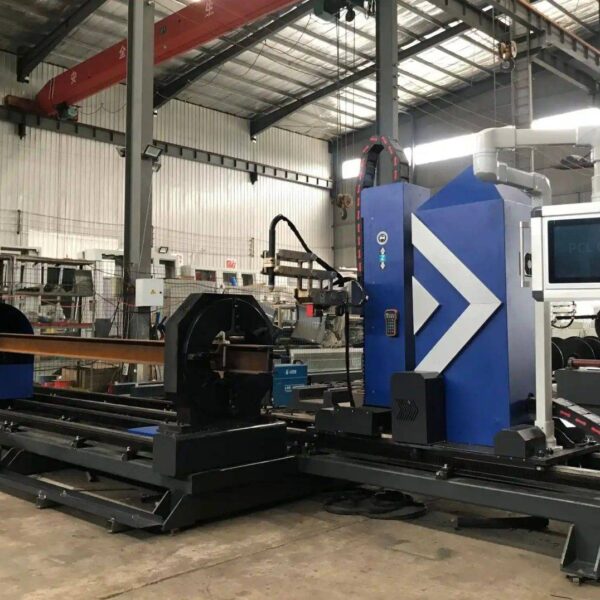
8 axis plasma cutting machine
-
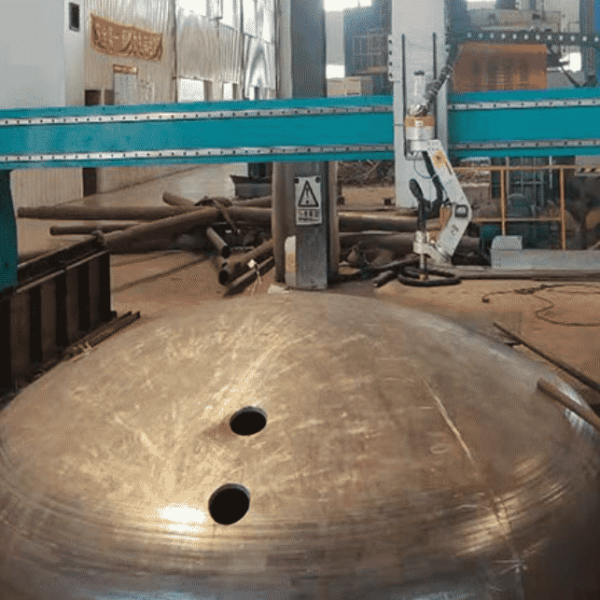
5 axis plasma cutting machine
-

LT360 tube laser cutting machine
-
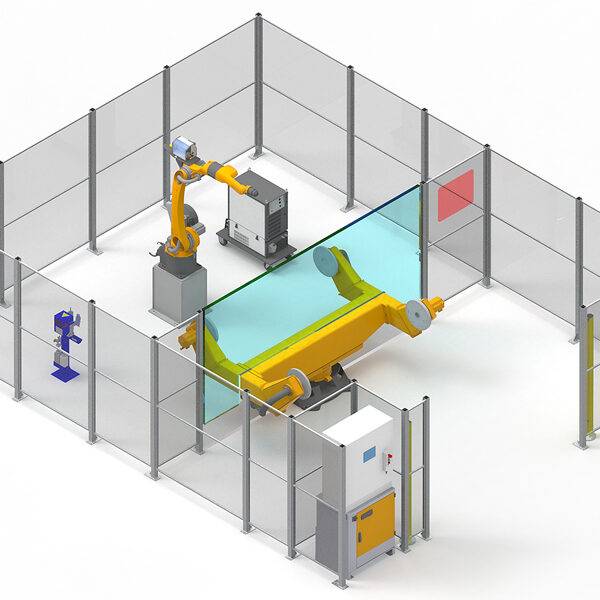
robot welding workstation
-
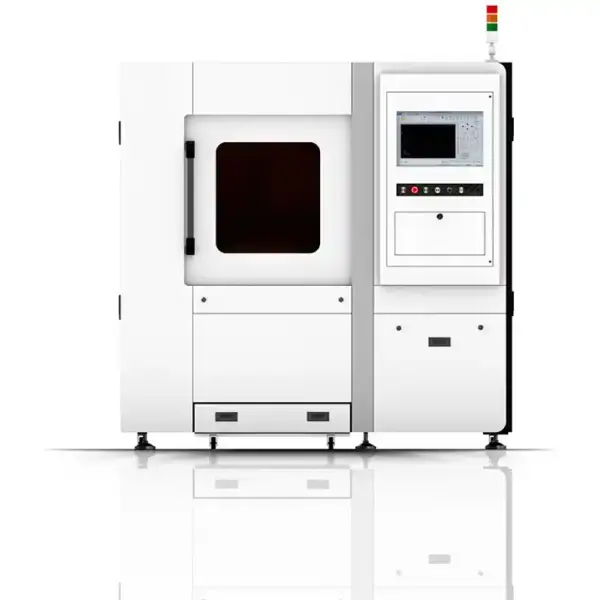
SF6060 fiber laser cutting machine
Advanced Fiber Laser Tube Processing Technology
Our CNC Fiber Laser Tube Cutting systems revolutionize metal fabrication by integrating high-precision cutting, punching, and profiling into a single automated workflow. Designed for versatility, this technology handles a wide array of profiles including Round, Square, Rectangular, and Oval tubes, as well as complex L-shaped and U-shaped channels.
- Precision Punching: High-speed hole punching with micron-level accuracy, eliminating the need for mechanical drilling or die-stamping.
- Complex Profiling: Advanced 3D pathing allows for intricate interlocking joints and specialized notch cuts, ideal for structural frames.
- High Material Efficiency: Intelligent nesting software minimizes scrap, reducing raw material costs across large production runs.
- Clean Finish: Delivers oxide-free, burr-free edges that require zero secondary grinding before welding.

Seamlessly processing multiple profiles with consistent precision.
Global Delivery & Logistics



From our high-tech manufacturing facility directly to your global site. PCL WeldCut ensures secure packaging, professional handling, and reliable international logistics to safeguard your equipment throughout the entire journey.